


Quick Summary: TSA Scrutiny Intensified as Flydubai Incident Raises Safety Concerns
- Under the US Federal Flight Deck Officer program, selected pilots can carry firearms and must pass biannual requalifications, training, and medical certification.
- The current system relies on pre-employment criminal-history checks, security threat assessments, crew identity verification, and hardened cockpit doors.
- The 2015 Germanwings crash highlighted unresolved insider risks, where a co-pilot locked out the captain, causing a fatal crash.
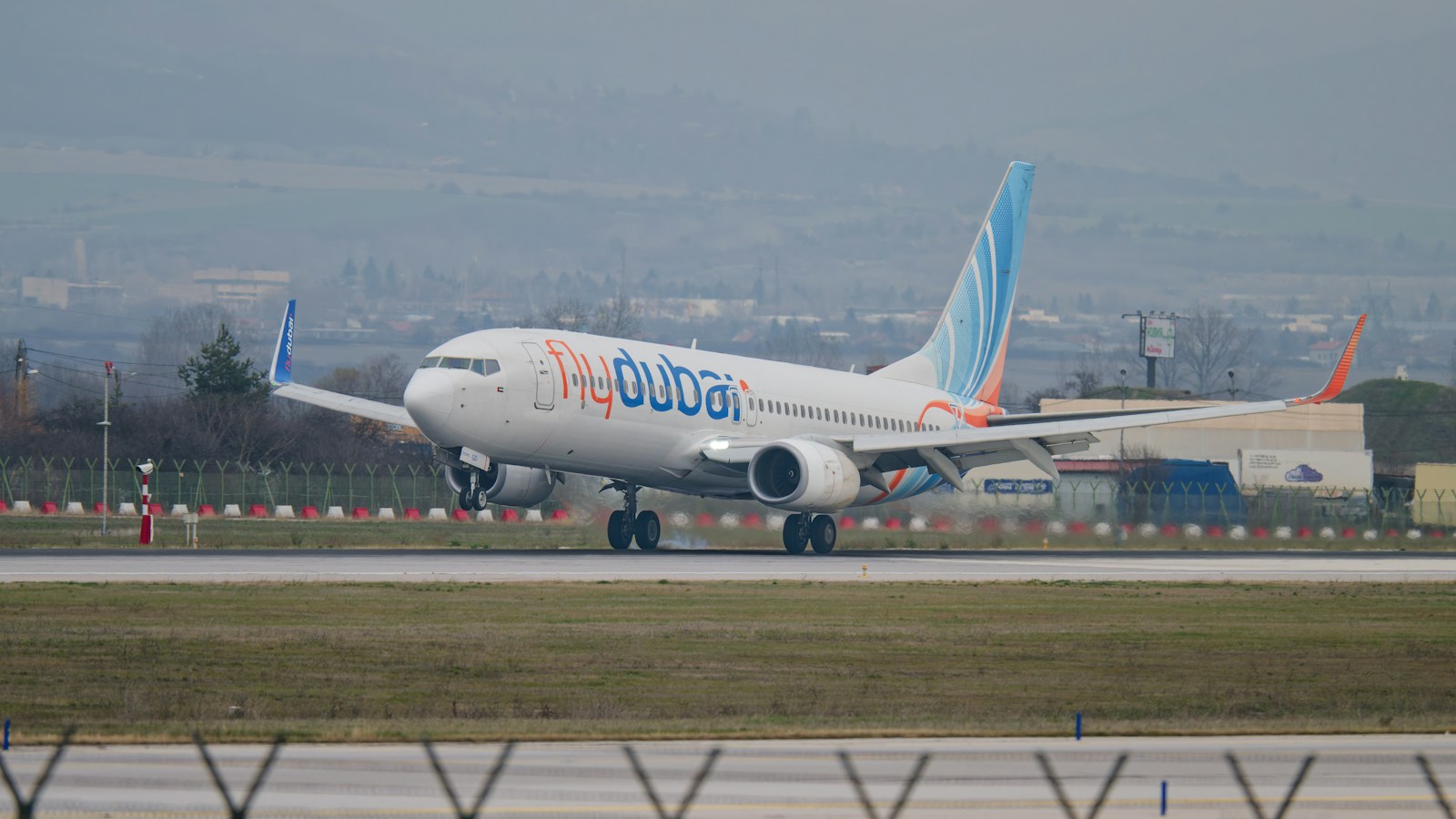
- The FlyDubai Flight FZ1073 incident exposed the limitations of post-9/11 cockpit security, designed mainly to stop external threats.
- Israeli passengers intervened to prevent a midair disaster, challenging the post-9/11 security doctrine.
Source: Open external resource
Source: Read original article
The recent incident involving FlyDubai Flight FZ1073 has reignited concerns over cockpit security, highlighting a glaring vulnerability in the aviation industry’s post-9/11 security measures. Despite fortified cockpit doors and rigorous security protocols, the threat from within remains a chilling reality.
On September 30, 2026, a co-pilot allegedly attempted to crash a Boeing 737, carrying 174 passengers, by stabbing the captain. This near-tragedy underscores a critical flaw: the security measures developed over the past 25 years focus on external threats, leaving airlines vulnerable to insider risks.
The FlyDubai incident mirrors the 2015 Germanwings disaster, where a co-pilot’s actions led to a catastrophic crash. These events reveal that while airlines have robust systems to screen for known risks, they struggle to prevent a determined insider from causing harm.
In response, the aviation industry faces a pressing need to reassess its security strategies. The current reliance on trust and pre-employment checks is insufficient, as demonstrated by the recent events. The industry must confront the uncomfortable reality that the person behind the locked cockpit door could be the threat.
Under the US Federal Flight Deck Officer program, created through the Homeland Security Act of 2002, selected pilots can carry firearms and must pass biannual requalifications, training, and medical certification. nz) 1News’ piece, published on October 1, 2026 and republished from The Conversation by aviation security expert Jeff Price, says the current system relies on pre-employment criminal-history checks, continuing security threat assessments, crew identity verification, random TSA physical screening, recurrent anti-hijacking training, and hardened cockpit doors.
Even so, he points to the 2015 Germanwings crash, when a co-pilot locked the captain out and killed all 150 people aboard, as proof that insider risk has not been solved. By Thursday, October 1, AP said investigators were still trying to establish the co-pilot’s identity, motive, and how the cockpit struggle unfolded, while 1News elevated the bigger question of what systems actually exist to stop such a threat before it starts.
A related 1News report published the same day said a New Zealand pilot traveling as a passenger may have helped overpower the attacker, though that had not yet been officially confirmed. The most important new development in 1News’ report is that it was triggered by an alleged insider attack on FlyDubai Flight FZ1073, where a co-pilot is said to have stabbed the captain and tried to crash a Boeing 737 carrying 174 people to Tel Aviv, exposing the limits of post-9/11 cockpit security, which is built mainly to stop threats from outside the cockpit rather than from inside it.
Associated Press reported Thursday that the alleged attacker was an Omani co-pilot, that the injured captain was Indian, and that the plane was carrying 174 people, mostly Israeli passengers, when it plunged in a violent descent before landing in Tabuk, Saudi Arabia. A Reuters account cited flight-tracking data showing the aircraft dropped more than 14,000 feet in 30 seconds from a cruising altitude of 34,000 feet, a figure that turns an abstract “insider threat” into a measurable aviation emergency.
Yet 1News notes that in the FlyDubai case the wounded captain reportedly released the lock, allowing passengers in, while another 1News report said it remains unclear how the passengers and crew managed to enter because reinforced cockpit doors are meant to withstand forced entry. AP says investigators are racing to determine motive and sequence of events, while the 1News/Conversation analysis suggests the industry still has no clear fix for a pilot who turns hostile after clearing every pre-employment and recurrent screening hurdle.
– 1News Under the US Federal Flight Deck Officer program, selected pilots can carry firearms and must pass biannual requalifications, training, and medical certification. Under the US Federal Flight Deck Officer program, created through the Homeland Security Act of 2002, selected pilots can carry firearms and must pass biannual requalifications, training, and medical certification.
1News’ piece, published on October 1, 2026 and republished from The Conversation by aviation security expert Jeff Price, says the current system relies on pre-employment criminal-history checks, continuing security threat assessments, crew identity verification, random TSA physical screening, recurrent anti-hijacking training, and hardened cockpit doors. Even so, he points to the 2015 Germanwings crash, when a co-pilot locked the captain out and killed all 150 people aboard, as proof that insider risk has not been solved.
By Thursday, October 1, AP said investigators were still trying to establish the co-pilot’s identity, motive, and how the cockpit struggle unfolded, while 1News elevated the bigger question of what systems actually exist to stop such a threat before it starts. The 2015 Germanwings crash highlighted unresolved insider risks, where a co-pilot locked out the captain, causing a fatal crash.
On September 30, 2026, a co-pilot allegedly attempted to crash a Boeing 737, carrying 174 passengers, by stabbing the captain. The FlyDubai incident mirrors the 2015 Germanwings disaster, where a co-pilot’s actions led to a catastrophic crash.
The most important new development in 1News’ report is that it was triggered by an alleged insider attack on FlyDubai Flight FZ1073, where a co-pilot is said to have stabbed the captain and tried to crash a Boeing 737 carrying 174 people to Tel Aviv, exposing the limits of post-9/11 cockpit security, which is built mainly to stop threats from outside the cockpit rather than from inside it. A Reuters account cited flight-tracking data showing the aircraft dropped more than 14,000 feet in 30 seconds from a cruising altitude of 34,000 feet, a figure that turns an abstract “insider threat” into a measurable aviation emergency.
The scale and speed of this development has caught many observers off guard. Each new update adds another dimension to a story that is still unfolding, and the full picture will only become clear as more verified details emerge from the people and institutions directly involved.
Analysts who have tracked this issue closely say the current moment represents a genuine turning point. The decisions made in the coming weeks are expected to set the direction for months ahead, with ripple effects likely to extend well beyond the immediate actors in the story.
For those directly affected, the practical impact is already visible. People navigating this fast-changing situation are dealing with real consequences while new information continues to reshape what is known and what remains open to interpretation.
Historical parallels offer some context, though experts caution against drawing too close a comparison. Similar situations have played out before, but the specific combination of pressures, personalities, and timing here makes this moment distinct in ways that matter for how it ultimately resolves.
The political and economic dimensions of this story are deeply intertwined. What appears as a single event on the surface is in practice the convergence of multiple pressures that have been building quietly over a longer period than most public reporting has captured.