

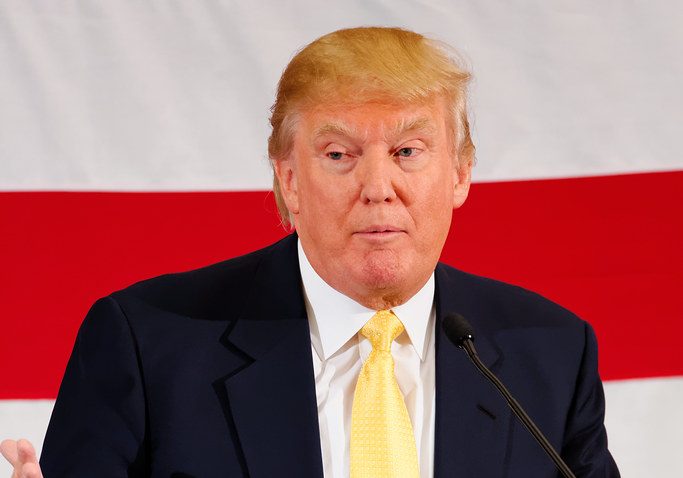

Quick Summary: Trumps Campaign Blitz Targets Sherrod Browns Ohio Lead
- Mary Peltola challenges Dan Sullivan in Alaska — a $12 million ad campaign fuels a fierce identity battle.
- James Talarico leads Ken Paxton 51% to 49% in Texas — Republicans spend $131 million in defense.
- Sherrod Brown holds a steady lead over Jon Husted in Ohio — Trump plans a campaign blitz in response.
- Adam Hamilton narrowly leads Roger Marshall in Kansas — GOP acknowledges unexpectedly tight race.
- Democrats eye Senate control — financial disadvantages and potential late GOP surges pose risks.
Source: Open external resource
Source: Read original article
Democrats are unexpectedly gaining ground in Senate races across traditionally Republican strongholds. With a new poll showing Democrat James Talarico ahead of Republican Ken Paxton in Texas, the GOP is in panic mode, spending a staggering $131 million to defend a seat they once considered secure. Campaign is at the center of this development.
In Alaska, Mary Peltola is mounting a formidable challenge against Dan Sullivan, with a $12 million ad blitz highlighting her achievements, including securing approval for the Willow oil project. Meanwhile, Ohio’s Sherrod Brown maintains a lead over Jon Husted, prompting Trump to launch a campaign blitz in hopes of salvaging the situation.
The unexpected competitiveness extends to Kansas, where Democrat Adam Hamilton is slightly ahead of incumbent Roger Marshall. Even Senate GOP campaign chair Tim Scott admits the race is tighter than anticipated. This shift in dynamics has Democrats dreaming of a Senate majority, once deemed improbable.
However, Democrats face significant hurdles. Financial constraints and the potential for late GOP surges could derail their efforts. Alaska’s race, in particular, is fraught with controversy, as Peltola faces allegations of misconduct, which she denies. These factors underscore the precarious nature of the Democrats’ newfound opportunities.
As November 3 approaches, both parties are pouring resources into these battleground states. The outcome will determine whether Democrats can capitalize on these unexpected openings or if Republicans will hold their ground in these traditionally red territories.
Mary Peltola, and Axios reported Senate Majority PAC has already reserved $12 million in TV and digital ads while AP described a bruising identity-and-energy fight in which Dan Sullivan attacks Peltola as too tied to the “Lower 48” and Peltola counters that she “took on” President Joe Biden to help secure approval for the Willow oil project in 2023. Roger Marshall at 48%, while The Daily Beast reported October 1 that even Senate GOP campaign chair Tim Scott was acknowledging the race is closer than Republicans want.
Sherrod Brown led Republican Jon Husted 53% to 45% in a recent Fox News survey, a margin it said was unchanged since June, and The Atlantic said Trump will travel there Saturday even though he has won the state three times. AP reported September 30 that Democrats are increasingly bullish about flipping the Senate, “almost unthinkable a year ago,” but warned they are also exposed by financial disadvantages and weak margins for error in Republican-leaning states.
4 million in just two days for ads and other activity for Paxton and against Talarico, part of a $131 million rescue effort over 17 days. In Kansas, a recent public poll cited by PollingSource had Democrat Adam Hamilton at 50% and Sen.
AP reported October 1 that Republicans are “spending heavily” to boost Paxton against Talarico, while Fox’s likely-voter poll gave Talarico a 2-point edge, 51-49. Axios reported September 28 that Sullivan’s campaign turned a New York Times investigation into a black-and-white attack ad after former aides alleged Peltola berated staff, used slurs and in one instance shoved an aide; Axios also noted she denied some of the accusations.
Ohio may be the next most important front because it offers Democrats a more direct path to a Senate majority. New Hampshire Democratic chairman Ray Buckley bluntly said national Democrats “have consistently been overly optimistic,” a reminder that polling movement in red states does not automatically translate into wins, especially if Republicans overwhelm late airwaves or if Democratic candidates stumble.
James Talarico leads Ken Paxton 51% to 49% in Texas — Republicans spend $131 million in defense. In Alaska, Mary Peltola is mounting a formidable challenge against Dan Sullivan, with a $12 million ad blitz highlighting her achievements, including securing approval for the Willow oil project.
In Kansas, a recent public poll cited by PollingSource had Democrat Adam Hamilton at 50% and Sen. AP reported October 1 that Republicans are “spending heavily” to boost Paxton against Talarico, while Fox’s likely-voter poll gave Talarico a 2-point edge, 51-49.
Axios reported September 28 that Sullivan’s campaign turned a New York Times investigation into a black-and-white attack ad after former aides alleged Peltola berated staff, used slurs and in one instance shoved an aide; Axios also noted she denied some of the accusations. Democrats eye Senate control — financial disadvantages and potential late GOP surges pose risks.
The scale and speed of this development has caught many observers off guard. Each new update adds another dimension to a story that is still unfolding, and the full picture will only become clear as more verified details emerge from the people and institutions directly involved.
Analysts who have tracked this issue closely say the current moment represents a genuine turning point. The decisions made in the coming weeks are expected to set the direction for months ahead, with ripple effects likely to extend well beyond the immediate actors in the story.
For those directly affected, the practical impact is already visible. People navigating this fast-changing situation are dealing with real consequences while new information continues to reshape what is known and what remains open to interpretation.
Historical parallels offer some context, though experts caution against drawing too close a comparison. Similar situations have played out before, but the specific combination of pressures, personalities, and timing here makes this moment distinct in ways that matter for how it ultimately resolves.
The political and economic dimensions of this story are deeply intertwined. What appears as a single event on the surface is in practice the convergence of multiple pressures that have been building quietly over a longer period than most public reporting has captured.