

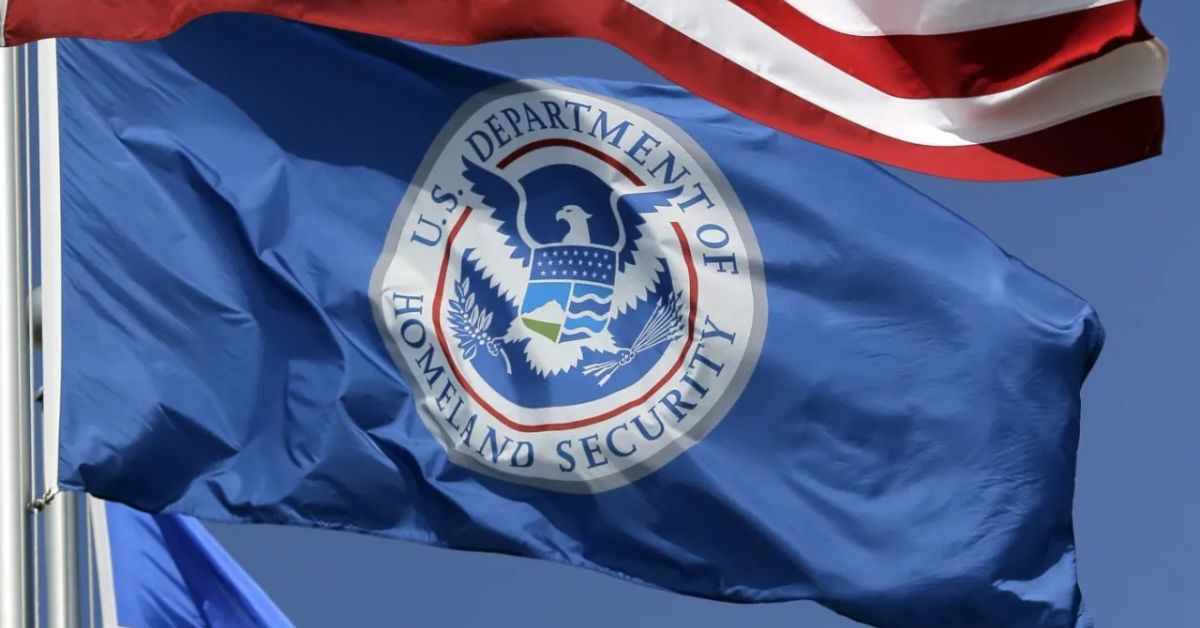

Quick Summary: DHS Denies ICE Presence at Polls as Activists Mobilize for Legal Action
- The Department of Homeland Security assured that ICE is not planning operations at polling locations, aiming to ease voter fears.
- Activists and election officials remain vigilant, preparing legal and on-ground responses to potential voter intimidation.
- Trump’s past comments about ensuring ‘honest elections’ fuel concerns about potential misuse of federal forces at polls.
- VoteSafe, led by Mary Corcoran, is mobilizing community leaders to counteract intimidation fears among minority voters.
- Election officials are actively discussing strategies to handle any disruptions, reflecting a proactive stance against potential threats.
Source: Open external resource
Source: Read original article
The Trump administration has publicly stated that there are no plans to deploy ICE officers at polling stations, yet the specter of federal intervention looms large. Despite reassurances from the Department of Homeland Security, activists and election officials are not taking any chances. They’re gearing up for a legal and logistical battle to protect voters from potential intimidation.
At the heart of this tension is a statement from President Trump, who earlier this year declared he’d do ‘anything necessary’ to ensure honest elections. This has left many questioning whether federal forces might be misused to influence voter turnout, particularly in minority communities. The administration’s denial has not quelled these fears, as past aggressive immigration enforcement actions have left a lasting impression.
In response, organizations like VoteSafe are mobilizing, recruiting trusted community leaders to reassure voters and counteract any intimidation attempts. They aim to safeguard the electoral process, ensuring that fear does not suppress voter participation. Election officials, too, are preparing for any eventuality, discussing operational responses to potential federal presence at the polls.
This proactive stance by activists and officials underscores the broader concern: even without a formal ICE deployment, the mere threat impacts voter confidence and participation. As early voting begins, the focus is on maintaining a free and fair election process, with activists ready to challenge any overreach in court.
Dan Freeman, litigation director for the Democratic National Committee, told AP there is a “low likelihood” of immigration agents at voting locations, but he also said his team is prepared to go to court if the administration tries. The conflict driving this story is not whether a formal ICE deployment has been announced; it is whether communities should believe the administration after months of aggressive immigration enforcement and inflammatory rhetoric.
Dean Logan, who oversees Los Angeles County elections, said he welcomes lawful monitoring of elections but does not want distractions for voters trying to cast ballots. That is a notable split in tone: election officials are not describing a confirmed ICE plan, but they are treating the threat of disruption seriously enough to discuss operational responses before Election Day.
Homeland Security Secretary Markwayne Mullin is part of the backdrop because his department is now trying to tamp down alarm. ” That statement is the clearest administration denial yet, and it appears to be the headline-making news peg in the story carried by WKMG from the AP.
That legal posture matters because election lawyers argue federal law sharply restricts armed federal officers at election sites except under extraordinary circumstances. Steve Bannon is cited as a Trump ally who has welcomed an ICE presence at the polls, which activists say undercuts the administration’s softer line.
The AP report says election officials discussed the possibility of federal agents appearing at polling places during a gathering this week in Washington. The most striking twist is that the administration’s denial comes after weeks of reporting about activists and state officials preparing for exactly this possibility.
Activists are preparing, anyway – WKMG The Department of Homeland Security assured that ICE is not planning operations at polling locations, aiming to ease voter fears. Dan Freeman, litigation director for the Democratic National Committee, told AP there is a “low likelihood” of immigration agents at voting locations, but he also said his team is prepared to go to court if the administration tries.
Trump’s past comments about ensuring ‘honest elections’ fuel concerns about potential misuse of federal forces at polls. Dean Logan, who oversees Los Angeles County elections, said he welcomes lawful monitoring of elections but does not want distractions for voters trying to cast ballots.
That is a notable split in tone: election officials are not describing a confirmed ICE plan, but they are treating the threat of disruption seriously enough to discuss operational responses before Election Day. Quick Summary: Trump administration says it has no plans for ICE officers at polls.
Despite reassurances from the Department of Homeland Security, activists and election officials are not taking any chances. The administration’s denial has not quelled these fears, as past aggressive immigration enforcement actions have left a lasting impression.
Election officials, too, are preparing for any eventuality, discussing operational responses to potential federal presence at the polls. As early voting begins, the focus is on maintaining a free and fair election process, with activists ready to challenge any overreach in court.
The scale and speed of this development has caught many observers off guard. Each new update adds another dimension to a story that is still unfolding, and the full picture will only become clear as more verified details emerge from the people and institutions directly involved.
Analysts who have tracked this issue closely say the current moment represents a genuine turning point. The decisions made in the coming weeks are expected to set the direction for months ahead, with ripple effects likely to extend well beyond the immediate actors in the story.
For those directly affected, the practical impact is already visible. People navigating this fast-changing situation are dealing with real consequences while new information continues to reshape what is known and what remains open to interpretation.
Historical parallels offer some context, though experts caution against drawing too close a comparison. Similar situations have played out before, but the specific combination of pressures, personalities, and timing here makes this moment distinct in ways that matter for how it ultimately resolves.
The political and economic dimensions of this story are deeply intertwined. What appears as a single event on the surface is in practice the convergence of multiple pressures that have been building quietly over a longer period than most public reporting has captured.