

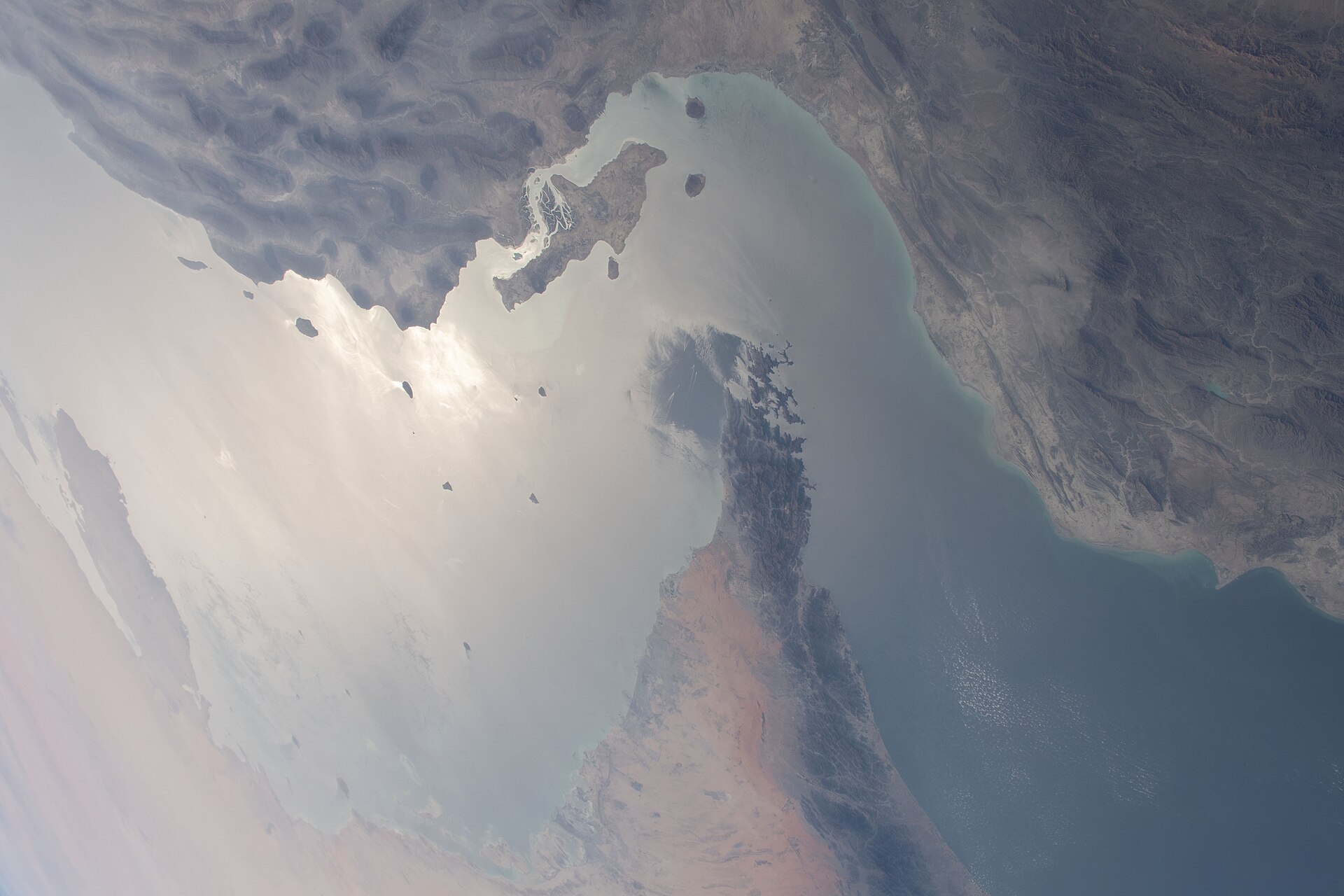

Quick Summary: Strait of Hormuz Tensions Test International Law, Warns Kazakos
- Thomas Kazakos addressed the UN Security Council, warning that the Strait of Hormuz dispute tests international law’s authority.
- The International Maritime Organization reported 46 attacks on shipping and 14 seafarer deaths around Hormuz by mid-2026.
- Bahrain’s Security Council meeting summary keeps the issue in the UN system, with diplomacy over Hormuz ongoing but unresolved.
- Kazakos insists that commercial ships should not face arbitrary restrictions in international straits.
- Approximately one quarter of global seaborne oil trade passes through Hormuz, highlighting the global economic stakes.
Source: Open external resource
Source: Read original article
Thomas Kazakos, Secretary General of the International Chamber of Shipping, has issued a clarion call to protect the international legal framework that underpins global shipping. Addressing the UN Security Council, he underscored the Strait of Hormuz dispute as a pivotal test of international law’s authority over one of the world’s most critical trade routes.
The stakes are high. The International Maritime Organization has confirmed 46 attacks on international shipping in the region, resulting in 14 seafarer fatalities since February 2026. This grim toll transforms Kazakos’ warnings from rhetoric into a pressing reality, demanding immediate governmental action.
With Bahrain ensuring the issue remains within the UN’s purview, diplomacy is active but unresolved. Kazakos has been vocal in his stance that commercial ships must not be subjected to arbitrary restrictions, emphasizing the necessity of free passage through international straits.
The broader implications are significant. The Strait of Hormuz is a vital artery for approximately one quarter of the world’s seaborne oil trade, along with essential LNG and fertilizer shipments. The disruption here is not just a regional concern but a systemic threat to global trade and economic stability.
As the situation unfolds, the world watches to see if governments will heed Kazakos’ call and take definitive action to safeguard international shipping lanes and the seafarers who operate within them.
” More broadly, he repeated that shipping moves “around 90% of world trade,” framing the dispute not as a regional issue but as a systemic threat to energy flows, food shipments, and industrial supply chains. In his July 14 statement, Kazakos said “another seafarer has lost their life,” while the International Maritime Organization reported that by mid-2026 it had confirmed 46 attacks on international shipping in and around Hormuz and 14 seafarer fatalities since February 28, 2026.
Bahrain has already transmitted a September 18 chair’s summary of the Security Council meeting, keeping the issue formally in the UN system, while AP says diplomacy over Hormuz remains active but unresolved. Kazakos has taken his campaign from industry lobbying into the United Nations Security Council, warning on September 17 that the fight over the Strait of Hormuz is no longer just a shipping dispute but a direct test of whether international law still governs one of the world’s most important trade arteries.
In the most newsworthy reporting, Kazakos, the Secretary General of the International Chamber of Shipping, told the Council that “Shipping must not be held to ransom” and argued that commercial ships cannot be forced to “obtain permission, negotiate passage, or accept arbitrary restrictions” in international straits. That turns his warning about “collateral damage in geopolitical conflicts” from rhetoric into a measurable casualty count, sharpening pressure on governments to act.
-Iran arrangement to end fighting and reopen Hormuz, but said major hurdles remained and that previous efforts to guarantee safe shipping had failed. , UK and EU had sanctioned nearly 1,200 ships tied to illicit Russian, Iranian and Venezuelan trades as of the end of April, while also noting Iran had floated future “service fees” tied to passage after a 60-day truce period.
The immediate question now is whether governments translate Kazakos’ warning into enforceable protections for passage and crews, or whether, as he fears, “greater uncertainty, higher costs and disruption to global trade” become the new normal. trade associations asking for an extension of the suspension of Section 301 fees on China-built vessels, showing Kazakos and his allies are simultaneously fighting security restrictions in the Gulf and commercial restrictions in Washington.
cy Thomas Kazakos addressed the UN Security Council, warning that the Strait of Hormuz dispute tests international law’s authority. Thomas Kazakos, Secretary General of the International Chamber of Shipping, has issued a clarion call to protect the international legal framework that underpins global shipping.
Bahrain’s Security Council meeting summary keeps the issue in the UN system, with diplomacy over Hormuz ongoing but unresolved. Addressing the UN Security Council, he underscored the Strait of Hormuz dispute as a pivotal test of international law’s authority over one of the world’s most critical trade routes.
With Bahrain ensuring the issue remains within the UN’s purview, diplomacy is active but unresolved. As the situation unfolds, the world watches to see if governments will heed Kazakos’ call and take definitive action to safeguard international shipping lanes and the seafarers who operate within them.
The scale and speed of this development has caught many observers off guard. Each new update adds another dimension to a story that is still unfolding, and the full picture will only become clear as more verified details emerge from the people and institutions directly involved.
Analysts who have tracked this issue closely say the current moment represents a genuine turning point. The decisions made in the coming weeks are expected to set the direction for months ahead, with ripple effects likely to extend well beyond the immediate actors in the story.
For those directly affected, the practical impact is already visible. People navigating this fast-changing situation are dealing with real consequences while new information continues to reshape what is known and what remains open to interpretation.
Historical parallels offer some context, though experts caution against drawing too close a comparison. Similar situations have played out before, but the specific combination of pressures, personalities, and timing here makes this moment distinct in ways that matter for how it ultimately resolves.
The political and economic dimensions of this story are deeply intertwined. What appears as a single event on the surface is in practice the convergence of multiple pressures that have been building quietly over a longer period than most public reporting has captured.