


Quick Summary: Blakemans Trump Strategy Faces Uphill Battle in New York Governor Race
- Bruce Blakeman’s campaign leans heavily on Trump’s political strategy, despite Trump’s unpopularity among New York voters.
- Polls show Kathy Hochul leading Blakeman, with a Siena poll placing her at 50% to Blakeman’s 41% among likely voters.
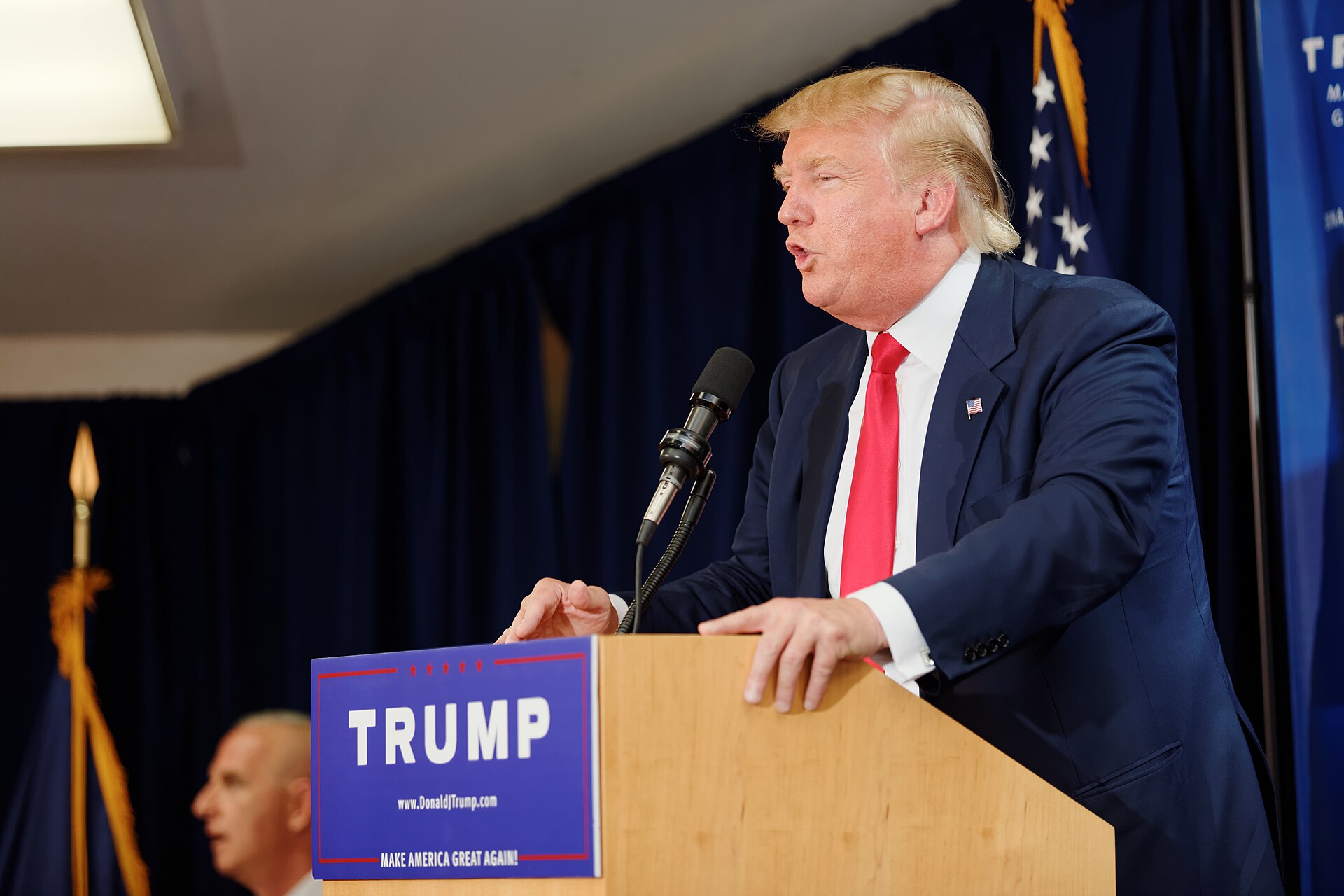
- Trump’s rally in Syracuse was meant to boost Blakeman but instead focused on Trump’s grievances about the Nobel Peace Prize.
- Blakeman’s strategy includes immigration crackdowns and claims of Democratic mismanagement, echoing Trump’s themes.
- Democrats outnumber Republicans in New York by more than 2-to-1, making Blakeman’s reliance on Trump a risky move.
Source: Open external resource
Source: Read original article
Bruce Blakeman is gambling big in the New York governor’s race by doubling down on Donald Trump’s divisive playbook. But in a state where Democrats outnumber Republicans by a wide margin, this strategy might be more of a liability than an asset. Blakemans is at the center of this development.
Despite the odds, Blakeman has aligned his campaign with Trump’s hardline views on immigration, crime, and affordability. However, Trump’s recent rally in Syracuse, intended to bolster Blakeman, veered off course when Trump focused on his own grievances about the Nobel Peace Prize, overshadowing Blakeman’s campaign message.
Polls consistently show Kathy Hochul leading, with a Siena poll indicating a 50% to 41% advantage among likely voters. Blakeman’s close association with Trump, who remains unpopular in New York, is a bold move that could alienate moderate and independent voters crucial to winning in a blue state.
As the race enters its final stretch, the spotlight is on whether Blakeman’s Trump-centric approach can energize enough voters or if it will backfire, reinforcing Hochul’s lead. The upcoming weeks will reveal if this strategy will pay off or if it will further highlight the challenges of running a Trump-aligned campaign in New York.
A Siena poll released September 23 had Hochul at 50% to Blakeman’s 41% among likely voters, after an August Siena survey put the race at 49% to 39%. Blakeman’s larger problem is that Trump remains unpopular with much of the electorate: an August Times/Siena poll found 60% of likely voters held an unfavorable view of Trump, while Hochul led Blakeman 49% to 39% at that stage.
adults disapproved of Trump’s handling of Iran, while just 28% approved. The Washington Post, in separate recent reporting on Trump campaigning with Blakeman, said Trump has told voters they should tolerate gas prices above $4 a gallon and cast Democrats as “communists,” while largely brushing past affordability concerns that pollsters say are dominating the election.
The Associated Press reported October 9 that Blakeman has warned Democrats might “steal the election,” amplified fears about immigrant crime, and pushed AI-generated videos portraying New York as dangerous and unaffordable. Democrats outnumber Republicans in New York by more than 2-to-1, according to the AP’s latest piece, and recent public polling has shown Hochul ahead.
Another recent Marist survey reported this week by North Country Public Radio put Hochul up by 11 points among registered voters. The Times reported that although he is “fiercely loyal” to the president, he has often avoided invoking Trump by name on the trail and omitted him from a statewide TV ad that has run since May.
That reversal captures the central risk of the campaign: Blakeman wants the benefits of Trump’s turnout machine without being swallowed by Trump’s controversies, and Friday’s rally showed how hard that balance is when Trump dominates the room. The latest timeline is compressed: the AP story on Blakeman’s strategy moved October 9, Trump rallied with him in Syracuse on October 9, and the fallout reporting on Trump’s Nobel-focused performance moved October 10.
Blakeman’s larger problem is that Trump remains unpopular with much of the electorate: an August Times/Siena poll found 60% of likely voters held an unfavorable view of Trump, while Hochul led Blakeman 49% to 39% at that stage. adults disapproved of Trump’s handling of Iran, while just 28% approved.
The Washington Post, in separate recent reporting on Trump campaigning with Blakeman, said Trump has told voters they should tolerate gas prices above $4 a gallon and cast Democrats as “communists,” while largely brushing past affordability concerns that pollsters say are dominating the election. Quick Summary: In New York governor's race, a Republican rallies with Trump and leans into his political playbook – WRAL Bruce Blakeman’s campaign leans heavily on Trump’s political strategy, despite Trump’s unpopularity among New York voters.
Polls show Kathy Hochul leading Blakeman, with a Siena poll placing her at 50% to Blakeman’s 41% among likely voters. Polls consistently show Kathy Hochul leading, with a Siena poll indicating a 50% to 41% advantage among likely voters.
Democrats outnumber Republicans in New York by more than 2-to-1, according to the AP’s latest piece, and recent public polling has shown Hochul ahead. The Times reported that although he is “fiercely loyal” to the president, he has often avoided invoking Trump by name on the trail and omitted him from a statewide TV ad that has run since May.
Blakeman’s close association with Trump, who remains unpopular in New York, is a bold move that could alienate moderate and independent voters crucial to winning in a blue state. Democrats outnumber Republicans in New York by more than 2-to-1, making Blakeman’s reliance on Trump a risky move.
The scale and speed of this development has caught many observers off guard. Each new update adds another dimension to a story that is still unfolding, and the full picture will only become clear as more verified details emerge from the people and institutions directly involved.
Analysts who have tracked this issue closely say the current moment represents a genuine turning point. The decisions made in the coming weeks are expected to set the direction for months ahead, with ripple effects likely to extend well beyond the immediate actors in the story.
For those directly affected, the practical impact is already visible. People navigating this fast-changing situation are dealing with real consequences while new information continues to reshape what is known and what remains open to interpretation.
Historical parallels offer some context, though experts caution against drawing too close a comparison. Similar situations have played out before, but the specific combination of pressures, personalities, and timing here makes this moment distinct in ways that matter for how it ultimately resolves.
The political and economic dimensions of this story are deeply intertwined. What appears as a single event on the surface is in practice the convergence of multiple pressures that have been building quietly over a longer period than most public reporting has captured.