


Quick Summary: Carney Warns Against U.s. Influence in Albertas Separation Vote
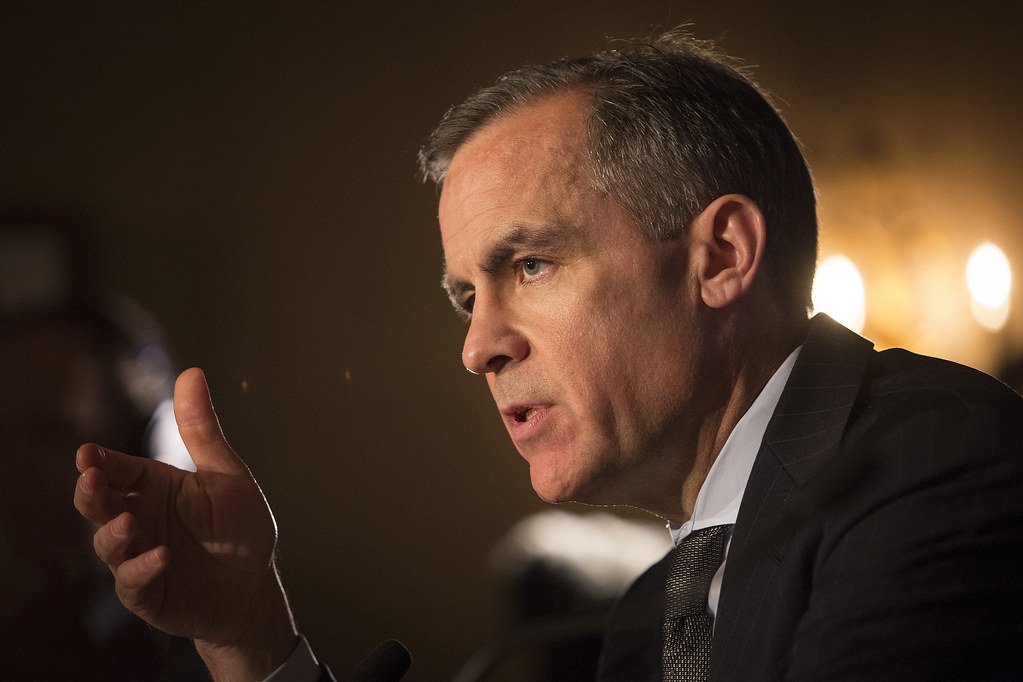
- Prime Minister Mark Carney warned of U.S. influence in Alberta’s referendum — urging against starting a separation process.
- Alberta’s referendum questions are criticized for complexity — impacting voter understanding and decision-making.
- Polling shows only 34% find the questions very clear — raising concerns about voter comprehension.
- Critics argue the referendum wording may guide voters toward a ‘yes’ — sparking debates on ballot legitimacy.
- Opponents claim the referendum is designed to stoke federal grievances — escalating national unity rhetoric.
Source: Open external resource
Source: Read original article
Alberta’s upcoming referendum has ignited a political firestorm, with critics lambasting the convoluted wording of the ballot questions. As the vote looms, Prime Minister Mark Carney has issued a stark warning against U.S. interference, urging Albertans not to initiate a separation process. Albertas is at the center of this development.
The crux of the controversy lies in the complexity of the ballot, where only 34% of voters find the questions clear. This has turned a stylistic critique into a legitimacy debate, as opponents argue the wording could unduly influence voter consent.
At the heart of the issue is a contentious question on whether Alberta should remain in Canada or start a legal process for a future binding referendum on separation. Critics claim the ballot’s structure is designed to guide voters toward a ‘yes,’ fueling federal grievances and a potential constitutional clash.
With the deadline for special ballots fast approaching, the stakes are high. The outcome could redefine Alberta’s political landscape and test the strength of Canadian unity.
The Globe and Mail item you named is a letter to the editor rather than a reported news article, but the core complaint in that letter — that “simpler, clearer questions could have been posed” — is now being echoed in broader reporting and campaign coverage around Alberta’s October 19, 2026 referendum. Global News reported earlier that one proposal discussed by Smith involved a possible health premium “as much as $1,900,” a concrete number that helped crystallize public attention on how broad and financially significant some of the referendum items may be.
In Associated Press reporting on Thursday, October 15, Prime Minister Mark Carney warned that the United States is trying to “break Canada” so it can “own us,” and urged Albertans not to start a separation process in Monday’s referendum. ” Smith called the referendum and has said she supports Alberta staying in Canada, yet opponents argue the package of questions is designed to stoke grievance against the federal government and create momentum for bigger constitutional confrontation.
On October 15, Carney escalated the national-unity warning with his “break Canada” and “own us” language. Angus Reid Institute reported in September that after reviewing more than 400 words across the 10 questions, 34 per cent of Albertans said the questions were “very clear and easy to understand,” 43 per cent said they were “mostly” clear, and roughly one in five considered them difficult to understand.
The separation question asks voters whether Alberta should stay in Canada or whether the provincial government should commence the legal process required under the Constitution to hold a future binding referendum on separation. on Friday, October 16, after Canada Post advised electors to mail them by October 9.
The most consequential question asks whether Alberta should remain a province of Canada or whether the government should begin the legal process for a future binding referendum on separation, meaning this is, in effect, a vote on whether to launch a vote on leaving Canada. One recent explainer highlighted Question 9 as especially dense, calling it a “jumbled word salad,” while another noted the separation question alone runs 37 words.
Polling shows only 34% find the questions very clear — raising concerns about voter comprehension. In Associated Press reporting on Thursday, October 15, Prime Minister Mark Carney warned that the United States is trying to “break Canada” so it can “own us,” and urged Albertans not to start a separation process in Monday’s referendum.
On October 15, Carney escalated the national-unity warning with his “break Canada” and “own us” language. Critics claim the ballot’s structure is designed to guide voters toward a ‘yes,’ fueling federal grievances and a potential constitutional clash.
on Friday, October 16, after Canada Post advised electors to mail them by October 9. One recent explainer highlighted Question 9 as especially dense, calling it a “jumbled word salad,” while another noted the separation question alone runs 37 words.
influence in Alberta’s referendum — urging against starting a separation process. Alberta’s referendum questions are criticized for complexity — impacting voter understanding and decision-making.
Alberta’s upcoming referendum has ignited a political firestorm, with critics lambasting the convoluted wording of the ballot questions. With the deadline for special ballots fast approaching, the stakes are high.
The scale and speed of this development has caught many observers off guard. Each new update adds another dimension to a story that is still unfolding, and the full picture will only become clear as more verified details emerge from the people and institutions directly involved.
Analysts who have tracked this issue closely say the current moment represents a genuine turning point. The decisions made in the coming weeks are expected to set the direction for months ahead, with ripple effects likely to extend well beyond the immediate actors in the story.
For those directly affected, the practical impact is already visible. People navigating this fast-changing situation are dealing with real consequences while new information continues to reshape what is known and what remains open to interpretation.
Historical parallels offer some context, though experts caution against drawing too close a comparison. Similar situations have played out before, but the specific combination of pressures, personalities, and timing here makes this moment distinct in ways that matter for how it ultimately resolves.
The political and economic dimensions of this story are deeply intertwined. What appears as a single event on the surface is in practice the convergence of multiple pressures that have been building quietly over a longer period than most public reporting has captured.