


Quick Summary: Hitachi Energy Backs SIEW 2026s Push for Grid Modernization
- The SIEW 2026 global launch highlighted Southeast Asia’s 20 terawatts renewable energy potential — this is 55 times the current power capacity, signaling vast opportunities.
- EMA’s focus on regional grids and cross-border collaboration indicates a shift from abstract climate goals to concrete infrastructure development.
- High-profile speakers like IEA’s Fatih Birol and ASEAN’s Kao Kim Hourn underscore the event’s significance in shaping energy policy and cooperation.
- SIEW 2026, running from October 26-30 in Singapore, aims to secure commitments on ASEAN interconnection and grid modernization.
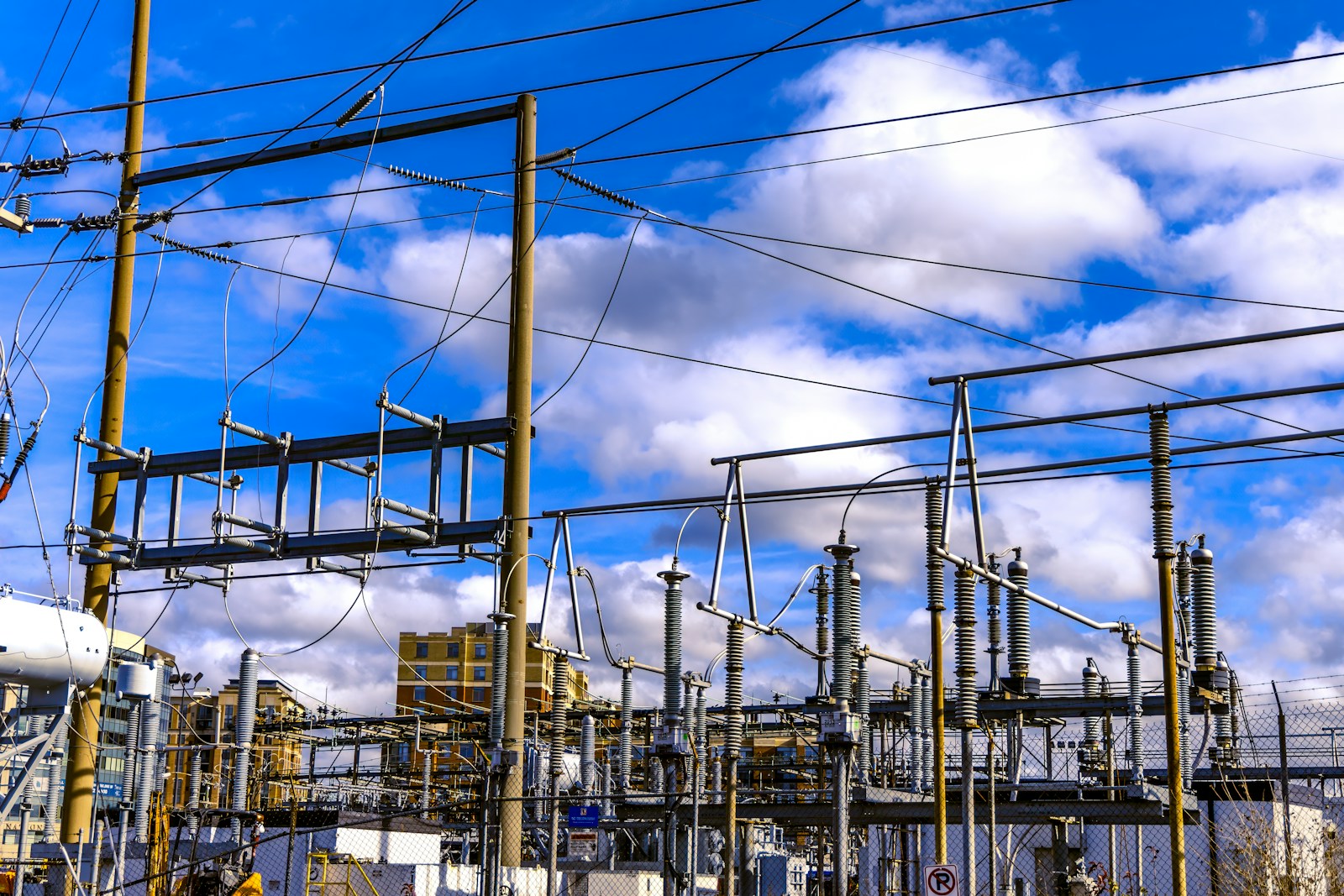
- Hitachi Energy’s sponsorship highlights the commercial interest in dominating the energy infrastructure build-out, focusing on grid readiness for data centers.
Source: Open external resource
Source: Read original article
The Singapore International Energy Week (SIEW) 2026 is not just another conference; it’s a pivotal moment for Southeast Asia’s energy future. With the region’s renewable potential estimated at a staggering 20 terawatts, the stakes are high. This event is the linchpin in transforming that potential into reality.
The Energy Market Authority (EMA) has set a clear agenda: focus on regional grids, cross-border collaboration, and next-generation technologies. This isn’t about lofty climate goals; it’s about who will finance and build the infrastructure needed for Asia’s next power cycle. The presence of influential leaders such as IEA Executive Director Fatih Birol and ASEAN Secretary-General Kao Kim Hourn emphasizes the event’s critical role in shaping future energy policies.
SIEW 2026, scheduled for October 26-30 in Singapore, is where theory meets practice. The summit will test policymakers’ ability to commit to ASEAN interconnection and grid modernization. The commercial world is watching closely, as evidenced by Hitachi Energy’s sponsorship, focusing on grid readiness for the booming data center market.
In a world where energy security is as crucial as decarbonization, SIEW 2026 is a battlefield for ideas and investments. The discussions here will determine whether Southeast Asia can meet its growing energy demands while integrating renewable sources. The region’s future hinges on the outcomes of this pivotal week.
As SIEW 2026 approaches, the energy community waits with bated breath. Will this be the turning point for Southeast Asia’s energy landscape? The answers lie in the commitments and collaborations forged during this critical event.
The biggest fresh takeaway from the latest reporting is that SIEW 2026 is being framed not as a routine conference but as a high-stakes push to turn regional grid links and cross-border power trade into real infrastructure as Asian electricity demand surges from AI, data centers and electrification. The official SIEW site says the event was last updated on October 16, 2026, underscoring that this is live, current positioning.
At the SIEW 2026 global launch on March 25, attended by more than 500 guests, organizers highlighted an International Energy Agency estimate that Southeast Asia has 20 terawatts of renewable energy potential, roughly 55 times the region’s current power-generation capacity. In its July 9 registration announcement, EMA said discussions will center on “regional grids,” “cross-border collaboration,” and “next-generation technologies,” language that signals the event is less about abstract climate messaging than about who will finance and build the transmission backbone for Asia’s next power cycle.
The official SIEW site also lists high-profile 2026 speakers including IEA Executive Director Fatih Birol, ASEAN Secretary-General Kao Kim Hourn, FERC Commissioner Judy Chang, EDF chief Bernard Fontana and IRENA Director-General Francesco La Camera. ” The official SIEW article says Puah warned that recent geopolitical developments have put “global energy supply chains under significant pressure,” while the July 9 release said the week will address the “urgent need” for stronger interconnection as electricity loads rise.
A notable new detail is how openly SIEW 2026 is linking power-system planning to the AI boom. The most current primary material tied to the Manila Times item points to a hard-edged agenda: the Singapore International Energy Week will run from October 26 to 30, 2026, in Singapore, and organizer Energy Market Authority says the central focus is “more resilient, integrated power systems” as demand accelerates.
The July 9 EMA release specifically cites rising demand from “AI, data centres, and electrification,” which sharpens the story beyond a standard energy-transition narrative. What happens next is immediate and concrete: SIEW 2026 opens in Singapore on October 26 and runs through October 30, with summit sessions and sponsored discussions expected to test whether policymakers can produce clearer commitments on ASEAN interconnection, grid modernization and financing.
Hitachi Energy’s sponsorship highlights the commercial interest in dominating the energy infrastructure build-out, focusing on grid readiness for data centers. The Singapore International Energy Week (SIEW) 2026 is not just another conference; it’s a pivotal moment for Southeast Asia’s energy future.
SIEW 2026, scheduled for October 26-30 in Singapore, is where theory meets practice. As SIEW 2026 approaches, the energy community waits with bated breath.
The scale and speed of this development has caught many observers off guard. Each new update adds another dimension to a story that is still unfolding, and the full picture will only become clear as more verified details emerge from the people and institutions directly involved.
Analysts who have tracked this issue closely say the current moment represents a genuine turning point. The decisions made in the coming weeks are expected to set the direction for months ahead, with ripple effects likely to extend well beyond the immediate actors in the story.
For those directly affected, the practical impact is already visible. People navigating this fast-changing situation are dealing with real consequences while new information continues to reshape what is known and what remains open to interpretation.
Historical parallels offer some context, though experts caution against drawing too close a comparison. Similar situations have played out before, but the specific combination of pressures, personalities, and timing here makes this moment distinct in ways that matter for how it ultimately resolves.
The political and economic dimensions of this story are deeply intertwined. What appears as a single event on the surface is in practice the convergence of multiple pressures that have been building quietly over a longer period than most public reporting has captured.