


Quick Summary: Trump Assures No Immediate Strikes, But Conflict Fears Persist
- Iran confirms ongoing communication with the U.S. through intermediaries — signaling that diplomacy remains open despite stalled negotiations.
- Iranian spokesperson highlights Tehran’s resistance to U.S. demands — emphasizing Iran’s refusal to accept any settlement perceived as surrender.
- Israeli Prime Minister warns of potential pre-election military actions — intensifying regional tensions ahead of Israel’s upcoming vote.
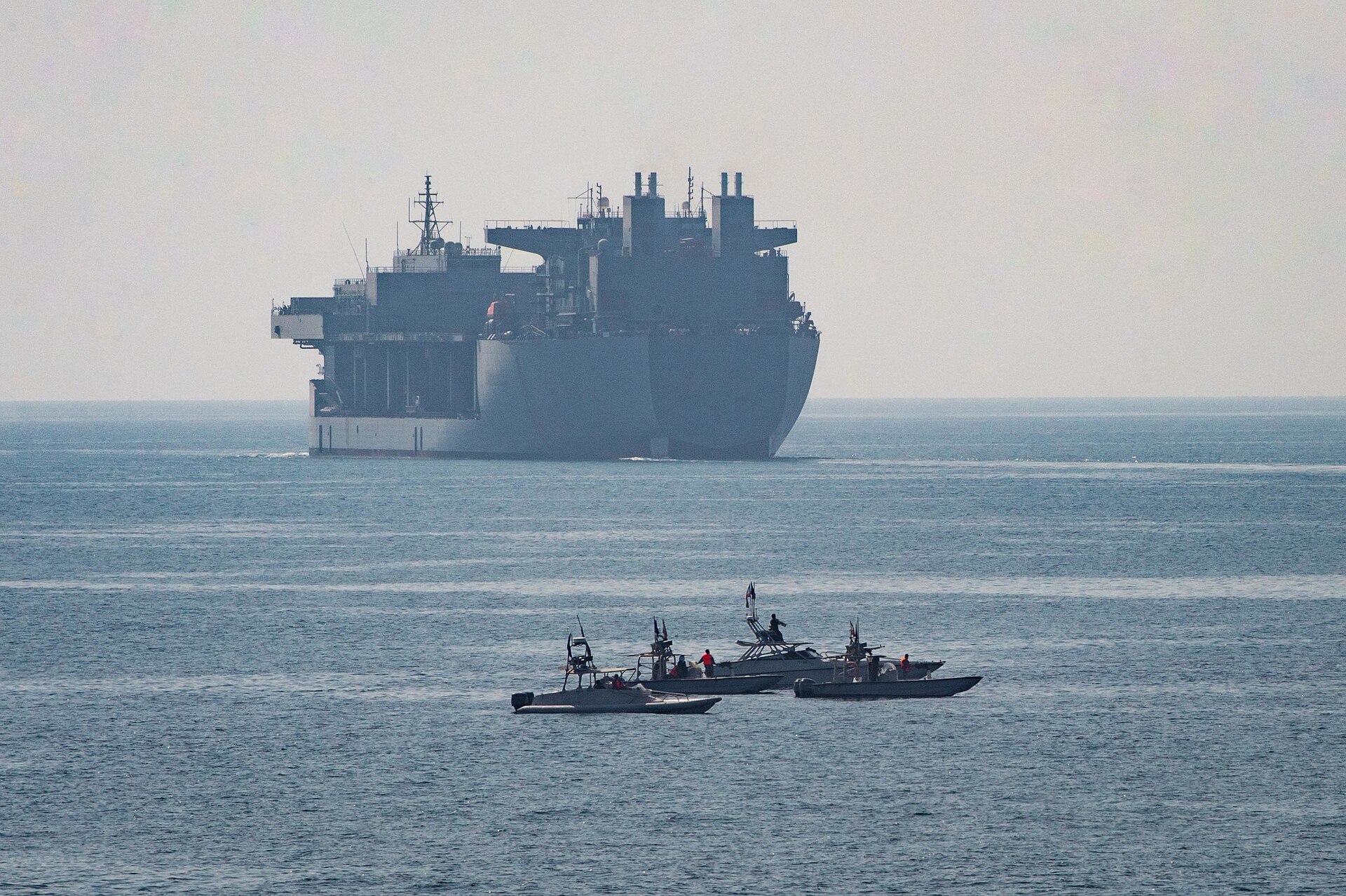
- U.S. military support in the Strait of Hormuz underscores heightened militarization — over 3,000 vessels have been escorted in six months.
- Saudi, Pakistani, Turkish, and Qatari officials engage in Tehran talks — regional powers seek to de-escalate tensions and stabilize the area.
Source: Open external resource
Source: Read original article
Amidst escalating tensions and looming elections, Iran has revealed that it continues to communicate with the United States through intermediaries. This revelation comes at a time when regional stability hangs by a thread, with fears of a renewed conflict between Iran and its adversaries.
Iran’s Foreign Ministry spokesperson, Esmail Baghaei, has made it clear that while Tehran is open to diplomacy, it will not bow to what it perceives as unilateral demands from Washington. This stance is significant as it underscores Iran’s determination to engage on its terms, refusing any agreement that resembles capitulation.
Meanwhile, Israeli Prime Minister Benjamin Netanyahu has issued warnings of potential military actions by Iran or its proxies before Israel’s upcoming election. Such rhetoric, coupled with U.S. President Trump’s ambiguous assurance of no immediate strikes, contributes to a volatile atmosphere where the threat of conflict looms large.
In the Strait of Hormuz, a critical shipping lane, the U.S. military’s escort of over 3,000 commercial vessels highlights the region’s militarization. This development is a stark reminder of the stakes involved should diplomatic efforts fail.
Regional heavyweights, including Saudi Arabia, Pakistan, Turkey, and Qatar, are actively engaging in discussions with Iran to de-escalate tensions. These diplomatic efforts reflect the urgency felt by multiple nations to prevent a broader conflict and ensure regional security and stability.
The next few days are crucial as diplomatic channels remain open but precariously narrow. The outcomes of these discussions and the actions of key players will determine whether the region can step back from the brink or edge closer to conflict.
The most newsworthy revelation beyond the headline itself is the report from Israel’s Channel 12 that Netanyahu and military chief Eyal Zamir clashed over an Iran-related directive that the army feared could rapidly trigger renewed conflict. midterm elections follow on November 3, 2026, giving both governments powerful domestic incentives in the next eight days.
President Donald Trump, asked whether he planned to strike Iran, said, “No. The immediate test is whether the Tehran meetings with Saudi, Pakistani, Turkish and Qatari involvement produce any visible de-escalation signal before the Israeli vote, or whether another military warning, leaked directive or proxy attack overwhelms the backchannel.
AP’s latest reporting says the broadcaster described it as an instruction by Netanyahu to carry out an “action” that could quickly restart the war; Netanyahu dismissed that account as “nonsense” on Channel 14, and there was no immediate military comment. election politics and fresh military threats have pushed fears of a renewed regional war back to the forefront.
The most combustible new twist is that these diplomatic signals are colliding with election-timed military rhetoric from both Washington and Jerusalem. There will not be a strike today,” a deliberately narrow assurance that did little to calm the broader sense of danger.
military support over the last six months, a concrete measure of how militarized one of the world’s most important shipping lanes has become. The immediate issue, then, is not just abstract diplomacy; it is whether a failed June framework can be revived before another military incident closes the strait or widens the war.
Meanwhile, Israeli Prime Minister Benjamin Netanyahu has issued warnings of potential military actions by Iran or its proxies before Israel’s upcoming election. military’s escort of over 3,000 commercial vessels highlights the region’s militarization.
midterm elections follow on November 3, 2026, giving both governments powerful domestic incentives in the next eight days. Israeli Prime Minister warns of potential pre-election military actions — intensifying regional tensions ahead of Israel’s upcoming vote.
President Trump’s ambiguous assurance of no immediate strikes, contributes to a volatile atmosphere where the threat of conflict looms large. President Donald Trump, asked whether he planned to strike Iran, said, “No.
There will not be a strike today,” a deliberately narrow assurance that did little to calm the broader sense of danger. military support over the last six months, a concrete measure of how militarized one of the world’s most important shipping lanes has become.
The scale and speed of this development has caught many observers off guard. Each new update adds another dimension to a story that is still unfolding, and the full picture will only become clear as more verified details emerge from the people and institutions directly involved.
Analysts who have tracked this issue closely say the current moment represents a genuine turning point. The decisions made in the coming weeks are expected to set the direction for months ahead, with ripple effects likely to extend well beyond the immediate actors in the story.
For those directly affected, the practical impact is already visible. People navigating this fast-changing situation are dealing with real consequences while new information continues to reshape what is known and what remains open to interpretation.
Historical parallels offer some context, though experts caution against drawing too close a comparison. Similar situations have played out before, but the specific combination of pressures, personalities, and timing here makes this moment distinct in ways that matter for how it ultimately resolves.
The political and economic dimensions of this story are deeply intertwined. What appears as a single event on the surface is in practice the convergence of multiple pressures that have been building quietly over a longer period than most public reporting has captured.