


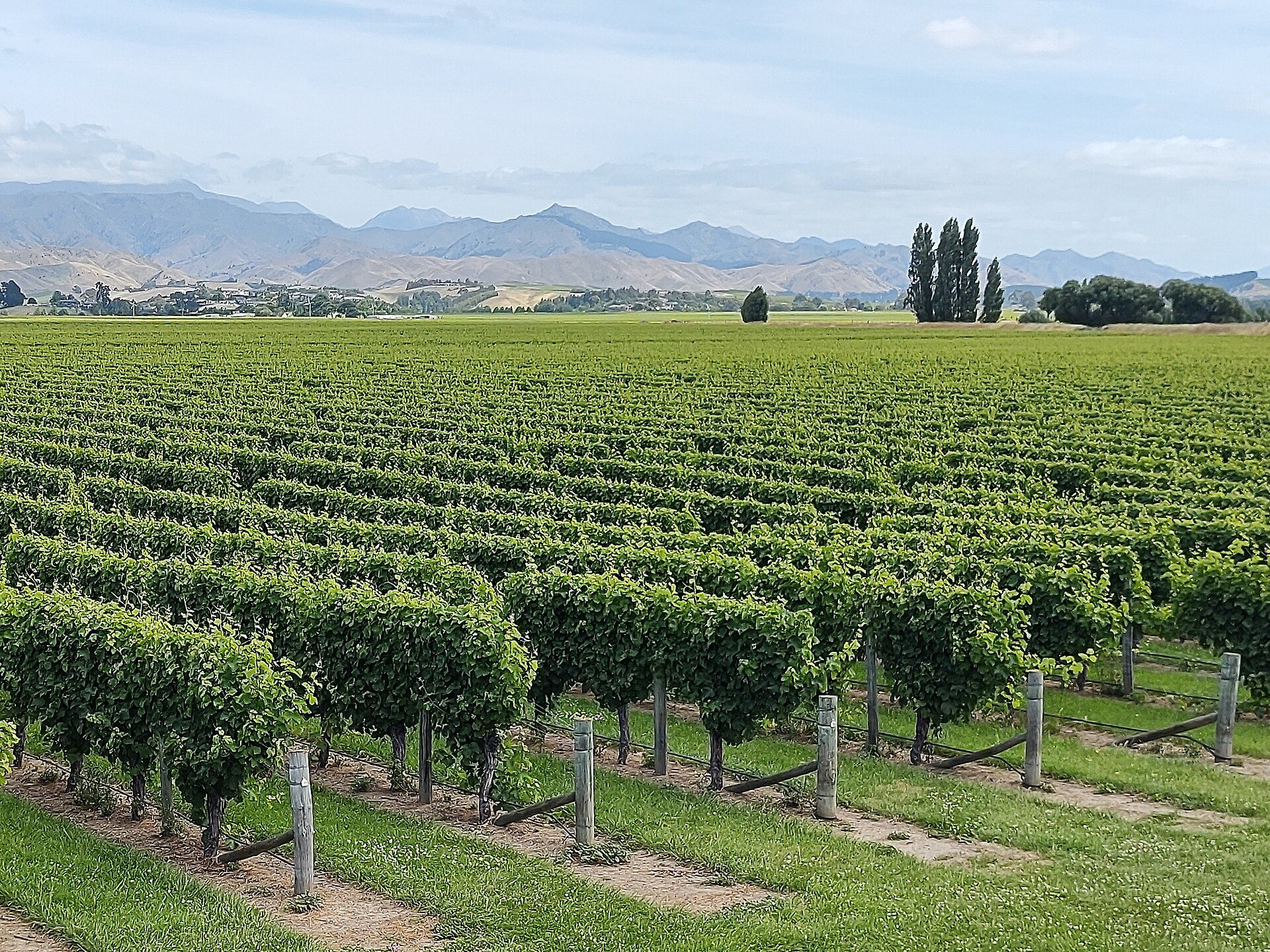

Quick Summary: Oversupply Challenges Persist Despite Marlborough Grape Growers Profit Return
- Marlborough Grape Growers Co-operative returned to profitability — this marks a notable reversal in a challenging year.
- The co-operative’s earnings recovery contrasts with ongoing regional distress — growers face oversupply and weaker prices.
- Wine Marlborough highlights an inventory imbalance — the issue affects wine regions globally, including California and France.
- Growers are considering drastic measures — decisions include mothballing, replanting, or exiting the industry.
- Adviser John Wilson suggests a target of 340,000-350,000 tonnes annually — this could restore balance and improve prices.
Source: Open external resource
Source: Read original article
The Marlborough Grape Growers Co-operative has pulled off a financial comeback, marking a significant turnaround in a year fraught with challenges. Despite the co-op’s return to profitability, the region continues to grapple with oversupply and declining prices, forcing many growers to confront tough decisions about their future.
The contrast between the co-operative’s financial health and the broader regional struggles is stark. While the co-op stabilizes, individual vineyard owners face a harsh reality, with some considering mothballing or even tearing out vines. This situation highlights a persistent supply-demand imbalance affecting wine regions worldwide, including California and France.
Wine Marlborough’s general manager, Marcus Pickens, notes that the demand for Marlborough’s signature Sauvignon Blanc remains strong, especially in the U.S. and emerging markets. However, this optimism is tempered by the immediate need for growers to decide whether to replant aging vineyards or leave land idle. Adviser John Wilson has suggested that producing between 340,000 and 350,000 tonnes of grapes annually could help restore market balance and improve prices.
The next phase for Marlborough hinges on strategic vineyard decisions. Whether enough acreage can be rationalized and aligned with demand will determine if prices can rebound and sustain growers through this turbulent period. The co-operative’s profit is a positive sign, but it remains to be seen if this financial stability can ripple throughout the region.
Another important current data point comes from a regional land-use forum reported two months ago, where adviser John Wilson of JPEW said Marlborough may need to produce consistently between 340,000 and 350,000 tonnes of grapes a year to restore balance and improve grape and bulk-wine prices. The freshest reporting available points to a BusinessDesk story published on November 9, 2026, headlined “Marlborough Grape Growers back in black despite a tough year,” which says the co-operative restored profitability even though revenue fell and conditions across the region remained difficult.
Wickham said many Marlborough vineyards were planted 20 to 25 years ago and are due for replacement anyway, adding, “Now that demand has temporarily reduced, we’re replanting. Wine Marlborough general manager Marcus Pickens said the problem is not a collapse in demand for Marlborough sauvignon blanc so much as an inventory and supply imbalance, describing it as something hitting “wine regions around the country – and the world,” while noting California is removing 20 percent of its vineyard area and France is preparing to remove tens of thousands of hectares of vines.
The same report, surfaced through live news indexing today, says Marlborough has about 32,190 hectares of vineyards planted, underlining the scale of the industry at stake and why even a modest earnings recovery is significant for growers, wineries and rural lenders alike. What makes the story matter is the contrast between the co-op’s return to the black and the broader distress still gripping Marlborough.
The central tension is that one key grower-owned business has steadied itself financially just as many individual growers remain under acute pressure. ” That is the conflict driving the current story: a co-operative balance sheet may be improving, but the underlying economics for many vineyard owners are still fragile enough that survival strategies are being openly discussed.
That estimate is one of the clearest numerical markers for where the market may need to settle, and it helps explain why profitability at the co-op level does not automatically mean relief across the supply chain. The debate now is whether the region can cut enough output without damaging long-term capacity or forcing too many smaller independents out.
Wine Marlborough highlights an inventory imbalance — the issue affects wine regions globally, including California and France. This situation highlights a persistent supply-demand imbalance affecting wine regions worldwide, including California and France.
Adviser John Wilson suggests a target of 340,000-350,000 tonnes annually — this could restore balance and improve prices. Adviser John Wilson has suggested that producing between 340,000 and 350,000 tonnes of grapes annually could help restore market balance and improve prices.
Growers are considering drastic measures — decisions include mothballing, replanting, or exiting the industry. The Marlborough Grape Growers Co-operative has pulled off a financial comeback, marking a significant turnaround in a year fraught with challenges.
The scale and speed of this development has caught many observers off guard. Each new update adds another dimension to a story that is still unfolding, and the full picture will only become clear as more verified details emerge from the people and institutions directly involved.
Analysts who have tracked this issue closely say the current moment represents a genuine turning point. The decisions made in the coming weeks are expected to set the direction for months ahead, with ripple effects likely to extend well beyond the immediate actors in the story.
For those directly affected, the practical impact is already visible. People navigating this fast-changing situation are dealing with real consequences while new information continues to reshape what is known and what remains open to interpretation.
Historical parallels offer some context, though experts caution against drawing too close a comparison. Similar situations have played out before, but the specific combination of pressures, personalities, and timing here makes this moment distinct in ways that matter for how it ultimately resolves.
The political and economic dimensions of this story are deeply intertwined. What appears as a single event on the surface is in practice the convergence of multiple pressures that have been building quietly over a longer period than most public reporting has captured.