



Quick Summary: Cost of Living Drives Voter Turnout as Democrats Secure Key Midterm Victory
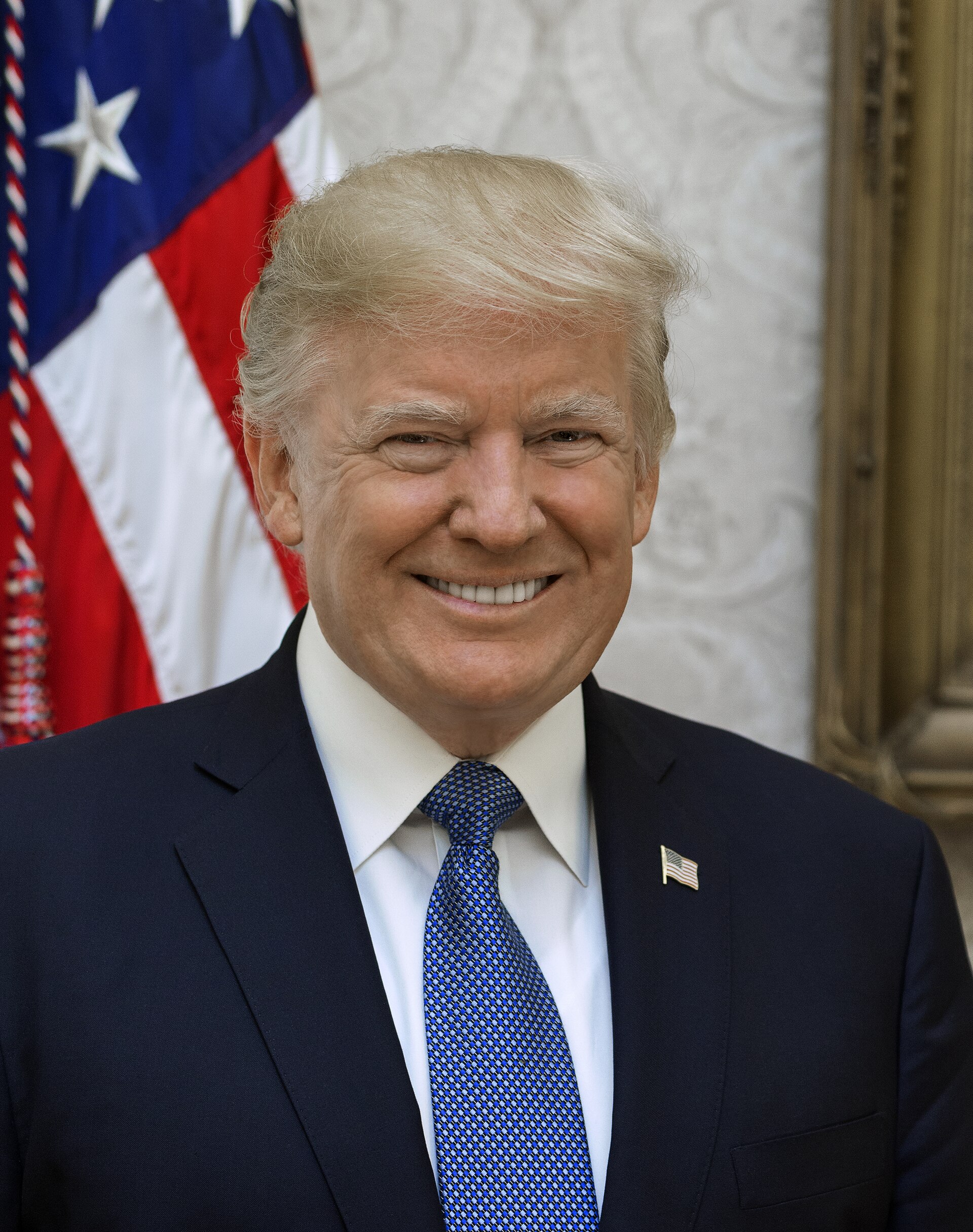
- CBS reported that 89% of voters cited cost of living as a major factor, with President Trump’s approval rating at a low 38%.
- Democrats’ 2026 midterm win shifts focus from stimulus to market-friendly gridlock and a potential debt-ceiling fight.
- Allianz noted that despite the Democratic sweep, policy changes are limited due to the lack of a filibuster-proof majority.
- Democrats are quickly moving from celebration to governance, with key figures like Hakeem Jeffries and Pete Buttigieg leading the charge.
- The Democratic victory is seen as a backlash against economic management, with significant gains in traditionally Republican areas.
Source: Open external resource
Source: Read original article
The 2026 US Midterm Elections have reshaped the political landscape, with Democrats achieving a sweeping victory that could have profound effects on the economy. With voters overwhelmingly concerned about the cost of living and President Trump’s approval rating plummeting to 38%, the stage was set for a Democratic resurgence.
This victory has shifted the economic narrative away from immediate stimulus expectations to a more complex scenario involving market-friendly gridlock and aggressive oversight of Trump’s economic policies. However, the looming debt-ceiling battle threatens to become the next major risk to economic growth.
Despite their success, Democrats face limitations in enacting their agenda due to the lack of a filibuster-proof majority in the Senate and the potential for presidential vetoes. Key Democratic figures are already transitioning from celebration to governance, preparing for future challenges and opportunities.
The Democratic win was not just a triumph of ideology but a reaction to economic dissatisfaction. Voters who felt the economy was performing poorly backed Democrats, leading to unexpected gains in Republican strongholds. This shift signals a significant change in the political and economic dialogue in the US.
CBS reported that 89% of voters said cost of living was a major or crucial factor in their vote, and that President Trump’s approval rating hit 38%, historically low for a president in a midterm. ” They also said Republicans and Democrats could still strike bargains, including roughly $90 billion in supplemental defense spending and higher non-defense spending.
The biggest new development is that Democrats’ sweeping 2026 midterm win is already shifting the economic story away from immediate stimulus hopes and toward a more volatile mix of market-friendly gridlock, aggressive oversight of Trump’s economic agenda, and a looming debt-ceiling fight that analysts say could become the next major risk to growth. AP separately reported that Scott Colom won a Mississippi Senate race by just 43 votes after the final overnight update, a result that symbolized how deeply the Republican map cracked.
Allianz said in a November 4 note that the near-term policy outlook will be “relatively unaffected” despite the Democratic sweep, because Senate Democrats still lack a filibuster-proof majority and the White House can block legislation. -elect Josh Turek, likely next House speaker Hakeem Jeffries, Pete Buttigieg, Cory Booker and Josh Shapiro, underscoring that the party is moving quickly from celebration to governing and positioning for 2028.
Axios reported Thursday that some Democrats are debating whether to adopt parts of Trump’s approach of using the federal government as an investor in private companies. CBS also said that voters who described the economy as bad backed Democrats for the House, and that more Americans said their finances were worse than two years ago.
Democrats are meeting in Denver on November 12 and 13 to set strategy, choose priorities and manage tensions between the party’s left and center as they prepare to take control in January 2027. The freshest reporting on Thursday, November 12, centers on what Democrats do with power now that they have taken both chambers of Congress.
Democrats’ 2026 midterm win shifts focus from stimulus to market-friendly gridlock and a potential debt-ceiling fight. -elect Josh Turek, likely next House speaker Hakeem Jeffries, Pete Buttigieg, Cory Booker and Josh Shapiro, underscoring that the party is moving quickly from celebration to governing and positioning for 2028.
The freshest reporting on Thursday, November 12, centers on what Democrats do with power now that they have taken both chambers of Congress. However, the looming debt-ceiling battle threatens to become the next major risk to economic growth.
Despite their success, Democrats face limitations in enacting their agenda due to the lack of a filibuster-proof majority in the Senate and the potential for presidential vetoes. Allianz noted that despite the Democratic sweep, policy changes are limited due to the lack of a filibuster-proof majority.
The scale and speed of this development has caught many observers off guard. Each new update adds another dimension to a story that is still unfolding, and the full picture will only become clear as more verified details emerge from the people and institutions directly involved.
Analysts who have tracked this issue closely say the current moment represents a genuine turning point. The decisions made in the coming weeks are expected to set the direction for months ahead, with ripple effects likely to extend well beyond the immediate actors in the story.
For those directly affected, the practical impact is already visible. People navigating this fast-changing situation are dealing with real consequences while new information continues to reshape what is known and what remains open to interpretation.
Historical parallels offer some context, though experts caution against drawing too close a comparison. Similar situations have played out before, but the specific combination of pressures, personalities, and timing here makes this moment distinct in ways that matter for how it ultimately resolves.
The political and economic dimensions of this story are deeply intertwined. What appears as a single event on the surface is in practice the convergence of multiple pressures that have been building quietly over a longer period than most public reporting has captured.