



Quick Summary
- Mary Peltola leads Dan Sullivan by about 5,800 votes with 49.08% of the votes counted.
- The race may go to ranked-choice tabulation if Peltola doesn’t clear 50%.
- Peltola’s lead is overshadowed by the ‘Decoy Dan’ controversy involving a similarly named candidate.
- Former President Trump has intervened, raising stakes and calling for legal action.
- Alaska courts found no illegality in the ‘Decoy Dan’ candidacy under state law.
Mary Peltola: Key Takeaways
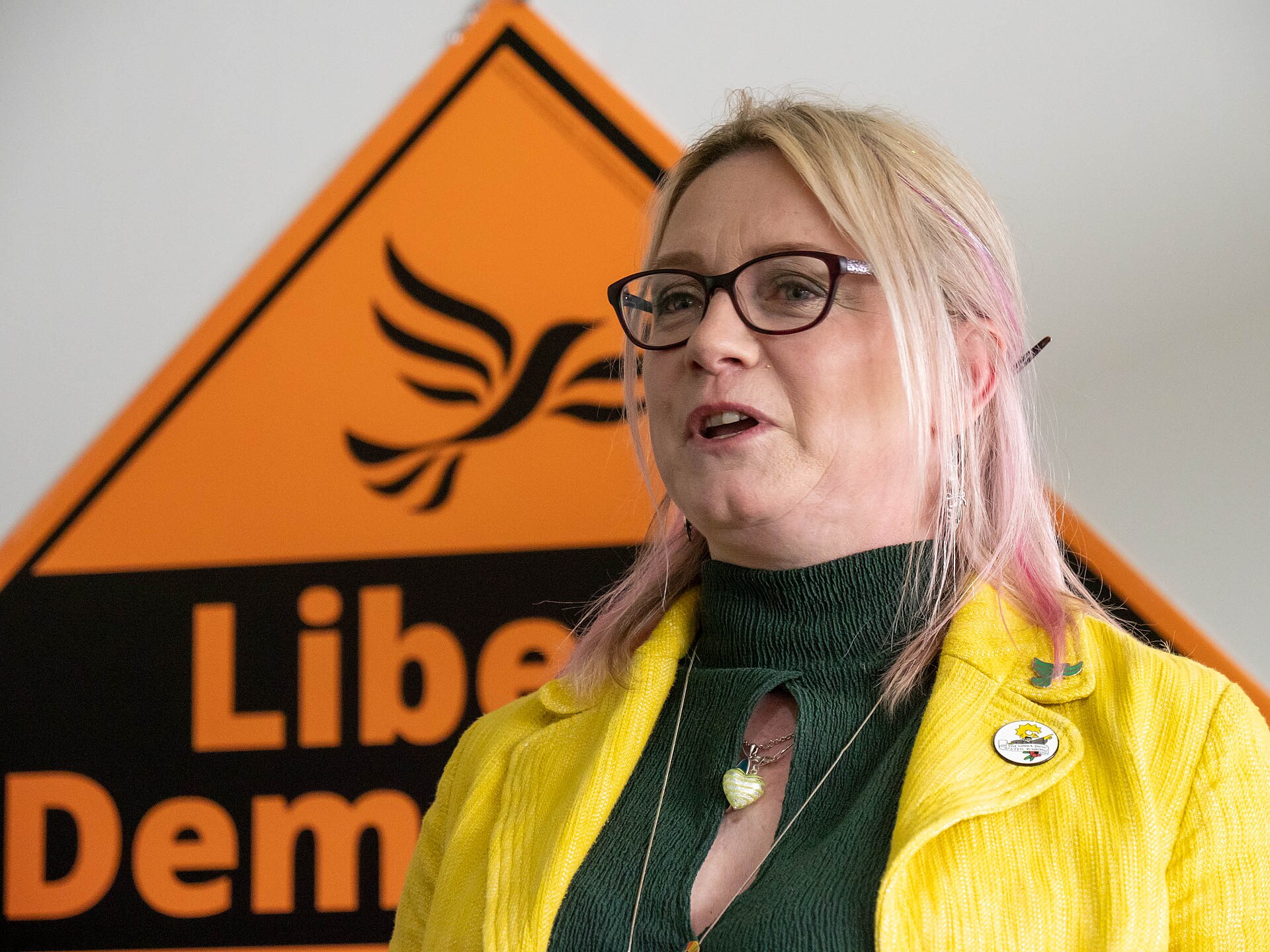
Mary Peltola’s apparent victory in the Alaska Senate race is stirring controversy and debate. With a growing lead over incumbent Dan Sullivan, Peltola’s campaign has declared the race effectively over. Yet, the shadow of the ‘Decoy Dan’ controversy looms large, with allegations that Peltola’s allies orchestrated the candidacy of a similarly named Republican to confuse voters.
08% of the counted votes. However, the race remains unresolved as Alaska continues to count absentee ballots, and a ranked-choice tabulation could still be triggered. The controversy has only intensified with Trump’s intervention, demanding legal action and questioning the legitimacy of Peltola’s lead.
At the heart of this political drama is the ‘Decoy Dan’ strategy, where operatives allegedly aligned with Peltola recruited a candidate named Daniel J. Sullivan Jr. to run against the incumbent. While Peltola denies any involvement, the controversy has sparked legal and political challenges that could impact the final outcome.
The implications of this race extend beyond Alaska, as it could influence Senate control and become a rallying point for national Republicans. As the state awaits the final count and potential ranked-choice tabulation, the political landscape remains tense, with both sides preparing for the next phase of this contentious battle.
On Tuesday, AP said Peltola was ahead by about 2,500 votes with an estimated 76% of the vote counted. That lawsuit matters because Alaska was still counting absentee, early in-person, and other ballots this week, and the remaining vote could determine whether Peltola clears 50% outright or the race goes to ranked-choice tabulation.
What makes the story stand out, though, is that Peltola’s apparent advantage sits on top of one of the messiest controversies of the 2026 cycle: the “Decoy Dan” fight. ABC reported that Trump had ordered the Justice Department to sue to block certification if Sullivan narrowly loses, and that a federal judge had already signaled skepticism about that legal strategy.
So the sharpest current reality is this: Peltola is acting like she has won, Sullivan is acting like the process is tainted, and the final answer may come down not only to the last ballots but to whether Peltola can cross 50% before Alaska reaches its ranked-choice count. ” The central conflict now is not just who won, but whether any Peltola victory will be politically or legally tainted by the spoiler-candidate allegations.
State attorneys countered that releasing the information would violate voter privacy. By Wednesday and Thursday, Alaska-focused outlets reported that her margin had grown substantially, and her campaign began openly arguing the race was effectively decided.
The same week also brought fallout from the decoy-candidate reporting, including renewed Republican attacks, Trump’s intervention, and federal scrutiny. ” That intervention raised the stakes in a race that could affect Senate control math, while also underscoring how the spoiler allegation has become a national Republican rallying cry.
The race may go to ranked-choice tabulation if Peltola doesn’t clear 50%.
The scale and speed of this development has caught many observers off guard. Each new update adds another dimension to a story that is still unfolding, and the full picture will only become clear as more verified details emerge from the people and institutions directly involved.
Analysts who have tracked this issue closely say the current moment represents a genuine turning point. The decisions made in the coming weeks are expected to set the direction for months ahead, with ripple effects likely to extend well beyond the immediate actors in the story.
For those directly affected, the practical impact is already visible. People navigating this fast-changing situation are dealing with real consequences while new information continues to reshape what is known and what remains open to interpretation.
Historical parallels offer some context, though experts caution against drawing too close a comparison. Similar situations have played out before, but the specific combination of pressures, personalities, and timing here makes this moment distinct in ways that matter for how it ultimately resolves.
The political and economic dimensions of this story are deeply intertwined. What appears as a single event on the surface is in practice the convergence of multiple pressures that have been building quietly over a longer period than most public reporting has captured.