



Quick Summary
- Democrats reframed Elon Musk as a symbol of oligarchic power, shifting public perception.
- Following midterms, Musk faces scrutiny from Democrats despite his significant political spending.
- AP reports Musk as a primary investigative target for the incoming Democratic Congress.
- Democrats won key races in Texas, challenging Musk’s influence despite his financial backing.
- The focus is on Musk’s ties to the Trump administration and his role in politics.
Elon Musk: Key Takeaways
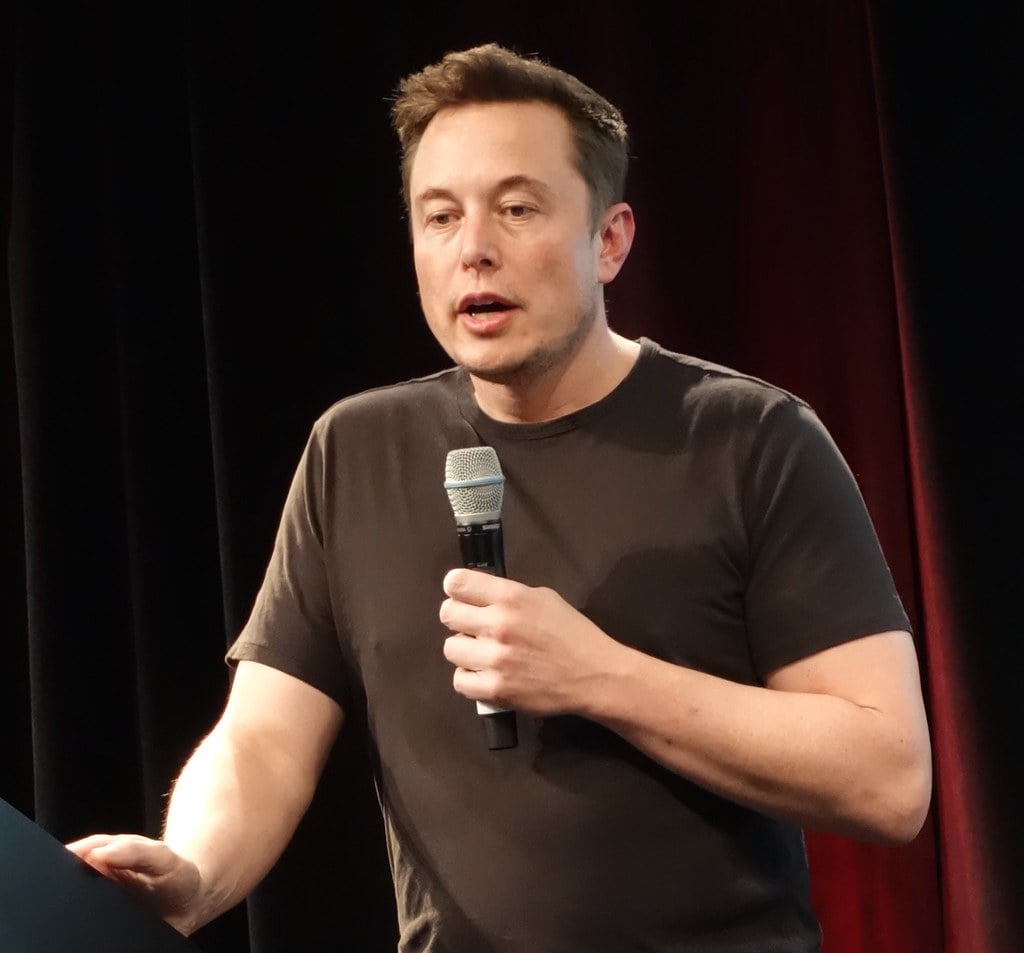
Elon Musk, once seen as a tech titan with political clout, is now a prime target for Democrats who have successfully reframed him as an emblem of excessive wealth and influence. This shift is not just a narrative twist but a strategic maneuver that has left Musk’s political ambitions in a precarious position.
Despite Musk’s substantial financial contributions to Republican campaigns, Democrats have emerged victorious in key races, notably in Texas, where Musk’s influence was expected to tip the scales. Instead, Democrats have leveraged his visibility to highlight issues of billionaire power and corruption, turning his prominence into a liability.
The Democratic strategy is clear: use Musk’s high-profile status to underscore the broader narrative of oligarchic control over politics. This approach has not only resonated with voters but has also set the stage for potential investigations into Musk’s business dealings and his connections to the Trump administration.
As the incoming Democratic majority prepares to take action, the question remains whether their focus will be on genuine oversight or perceived retribution. Musk’s role as a frequent adviser and his government contracts will likely come under scrutiny, signaling a significant shift in how political influence is wielded and challenged.
In this unfolding drama, Democrats have effectively turned Musk’s strategy against him, demonstrating that being the loudest voice in the room can make you the easiest target. The coming months will reveal whether this political gambit will lead to meaningful accountability or simply deepen partisan divides.
AP reported that Musk spent at least $445 million trying to help Republicans keep control of Congress, and court-filed reporting cited by other outlets put his federal-cycle spending at about $366 million in 2025–26 alone, after roughly $290 million in the 2024 cycle. According to post-midterm reporting, Democrats increasingly framed him less as a celebrity entrepreneur and more as proof that government and politics were being bent toward a handful of ultra-wealthy insiders.
The Atlantic reported that “Beyond the Trump family, no figure has attracted more Democratic scrutiny than Elon Musk,” and quoted Texas Democratic senator-elect James Talarico saying, “I am not interested in retribution,” even as Democrats prepare broad oversight. Just days after the election fallout, AP’s November 16 reporting had Musk traveling with President Donald Trump on a high-profile Asia trip even as Democrats prepared scrutiny at home.
One recent report described Democrats preparing a sprawling list of possible investigations into Musk’s businesses and his government ties. The debate is not subtle: is Musk being targeted because he is uniquely entangled with federal power, or because he is the richest and most politically aggressive donor on the right?
The freshest reporting suggests the real story is not that Elon Musk spent big, but that Democrats found a more efficient way to beat him anyway: use his money and prominence against Republicans as a symbol of oligarchic excess, while building a sharper digital and anti-corruption message that landed with voters. Musk is not merely a donor writing checks from afar; he is being covered as a frequent presidential adviser, a business magnate with government-facing contracts, and a political actor whose relationships may now be examined by congressional committees.
On November 10 and November 11, post-election analysis began zeroing in on Democratic accountability plans and on the failure of GOP money to save key races. By November 15 and November 16, the framing had hardened: Democrats were debating how aggressively to move against Trump-era corruption and specifically how far to go in scrutinizing Musk.
The focus is on Musk’s ties to the Trump administration and his role in politics.
The scale and speed of this development has caught many observers off guard. Each new update adds another dimension to a story that is still unfolding, and the full picture will only become clear as more verified details emerge from the people and institutions directly involved.
Analysts who have tracked this issue closely say the current moment represents a genuine turning point. The decisions made in the coming weeks are expected to set the direction for months ahead, with ripple effects likely to extend well beyond the immediate actors in the story.
For those directly affected, the practical impact is already visible. People navigating this fast-changing situation are dealing with real consequences while new information continues to reshape what is known and what remains open to interpretation.
Historical parallels offer some context, though experts caution against drawing too close a comparison. Similar situations have played out before, but the specific combination of pressures, personalities, and timing here makes this moment distinct in ways that matter for how it ultimately resolves.
The political and economic dimensions of this story are deeply intertwined. What appears as a single event on the surface is in practice the convergence of multiple pressures that have been building quietly over a longer period than most public reporting has captured.