



Quick Summary
- The Democrats’ 56-44 majority is their largest Senate advantage in 16 years, framing the leadership race as a pivotal moment.
- Van Hollen’s candidacy highlights internal Democratic debates over foreign policy, especially regarding Israel.
- Whether it’s Medicare for All, tax reforms, or investigations into the previous administration, the chosen leader will set the tone for the Democrats’ approach.
- The outcome of the leadership vote will shape the Democrats’ legislative priorities and strategy in the coming term.
- Schumer’s experience and dealmaking prowess are pitted against Van Hollen’s call for a more aggressive use of the majority.
Senate Leadership: Key Takeaways
Senate Leadership is at the center of this developing story, and the following analysis explains what matters most right now.
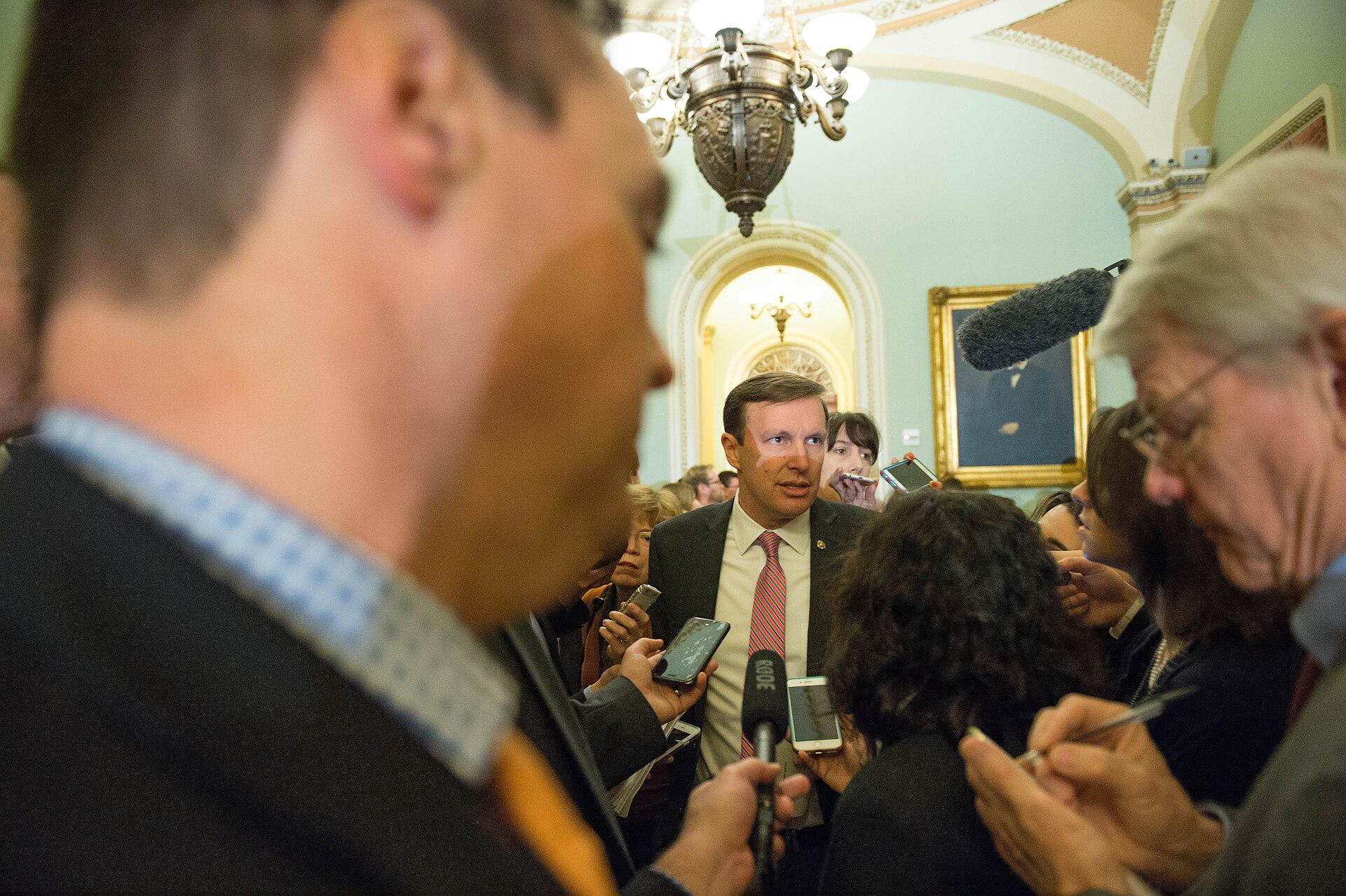
The Senate Democrats are on the brink of a defining moment as Chuck Schumer and Chris Van Hollen face off in a leadership battle that could set the tone for the party’s future. With a 56-44 majority, the largest in 16 years, the stakes couldn’t be higher.
Schumer, known for his experience and dealmaking skills, is up against Van Hollen, who advocates for a more aggressive stance and generational change. This isn’t merely a contest of personalities; it’s a clash of visions that will dictate the Democrats’ legislative priorities, including foreign policy and domestic reforms.
The outcome of this secret-ballot vote on December 1st will determine the strategic direction of the party. The decision will influence how Democrats handle key issues like Medicare for All, tax changes, and investigations into the Trump administration.
Historically, such leadership contests have shaped party dynamics significantly, but this particular race stands out due to the unique combination of pressures and personalities involved. As the vote approaches, the party must decide between continuity under Schumer or a bold new direction with Van Hollen.
The decision made in this leadership race will resonate far beyond the Senate chamber, affecting legislative strategies and potentially altering the political landscape for years to come.
The Democrats’ 56-44 majority is their largest Senate advantage in 16 years, framing the leadership race as a pivotal moment. Van Hollen’s candidacy highlights internal Democratic debates over foreign policy, especially regarding Israel.
Whether it’s Medicare for All, tax reforms, or investigations into the previous administration, the chosen leader will set the tone for the Democrats’ approach. The outcome of the leadership vote will shape the Democrats’ legislative priorities and strategy in the coming term.
Schumer’s experience and dealmaking prowess are pitted against Van Hollen’s call for a more aggressive use of the majority. As the leadership vote approaches, the stakes are clear: the winner will influence the Democrats’ legislative agenda and strategy.
Senate Leadership: Key Takeaways The Democratic Senate leadership race has become a high-stakes contest between Chuck Schumer and Chris Van Hollen, with a secret-ballot vote set for December 1st. The most concrete detail from the latest reporting is the timing and structure of the fight: Democrats, after winning back the chamber and heading toward a 56-44 Senate majority in January, are set to choose their leader on Dec.
1 secret-ballot vote, with The Washington Post now publicly tracking who is lining up behind each man and fresh reporting showing that Schumer still has visible institutional support but Van Hollen has turned the challenge into a broader argument about generational and strategic change. AP reports that the party’s 56-44 majority will be its largest Senate advantage in 16 years, and Schumer himself framed the result as a mandate to “produce,” saying after the Alaska result that Democrats “have to produce,” lower costs and end the “corruption” and chaos in Donald Trump’s administration.
Van Hollen’s candidacy highlights internal Democratic debates over foreign policy, especially regarding Israel. Whether it’s Medicare for All, tax reforms, or investigations into the previous administration, the chosen leader will set the tone for the Democrats’ approach.
The scale and speed of this development has caught many observers off guard. Each new update adds another dimension to a story that is still unfolding, and the full picture will only become clear as more verified details emerge from the people and institutions directly involved.
Analysts who have tracked this issue closely say the current moment represents a genuine turning point. The decisions made in the coming weeks are expected to set the direction for months ahead, with ripple effects likely to extend well beyond the immediate actors in the story.
For those directly affected, the practical impact is already visible. People navigating this fast-changing situation are dealing with real consequences while new information continues to reshape what is known and what remains open to interpretation.
Historical parallels offer some context, though experts caution against drawing too close a comparison. Similar situations have played out before, but the specific combination of pressures, personalities, and timing here makes this moment distinct in ways that matter for how it ultimately resolves.
The political and economic dimensions of this story are deeply intertwined. What appears as a single event on the surface is in practice the convergence of multiple pressures that have been building quietly over a longer period than most public reporting has captured.