



Quick Summary
- Harghita County was included in BBC Travel’s 20 recommended destinations for 2027, marking significant international recognition.
- Local officials aim to leverage this endorsement for a larger tourism push focused on gastronomy and sustainability.
- Harghita’s inclusion highlights its unique cultural and culinary heritage, rooted in the Székely community.
- The county’s tourism metrics show increased digital visibility but a decline in physical tourist arrivals.
- There is tension between growing tourism and preserving local traditions without commercialization.
Harghita County: Key Takeaways
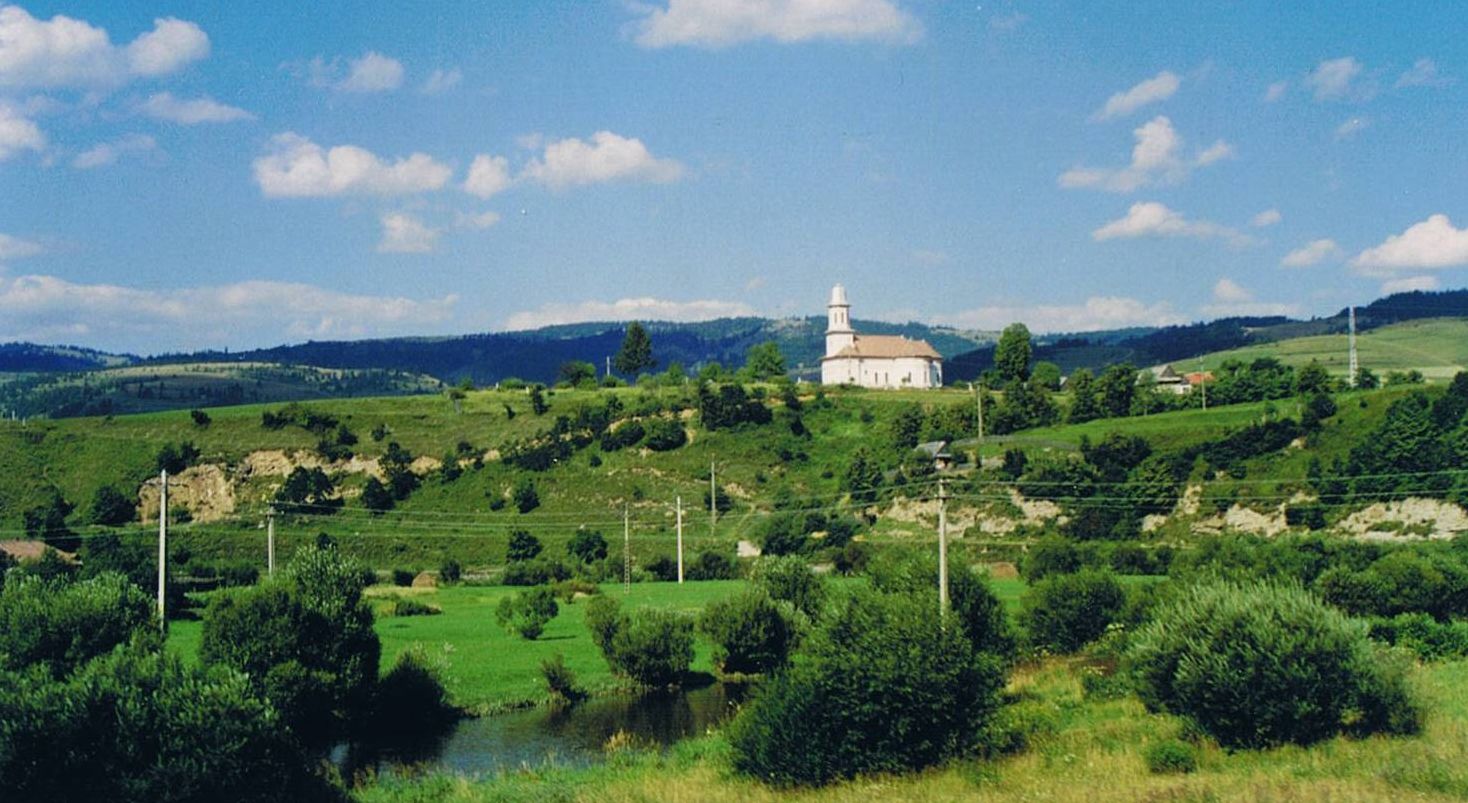
Harghita County is basking in the glow of international recognition, having been named one of BBC Travel’s top 20 destinations for 2027. But beneath this accolade lies a complex challenge: how to harness global attention without compromising the very traditions that make this Romanian region unique.
The county’s strategy is clear—capitalize on its newfound fame to boost tourism through its rich gastronomy and cultural heritage. As Harghita prepares to hold the European Region of Gastronomy title in 2027, local officials are keen to attract visitors with its authentic Székely traditions and landscapes.
However, the county faces a delicate balancing act. 5 million site accesses projected by year-end, physical tourist numbers have slipped. This discrepancy raises questions about whether international acclaim can translate into tangible tourism growth.
Harghita’s leaders are adamant about maintaining control over how their heritage is marketed. They emphasize that tourism should enhance local livelihoods without reducing cultural expressions to mere commodities. The upcoming ITB Berlin 2027 will be a crucial test of whether Harghita can turn its sustainability accolades into real-world visitor interest.
As Harghita stands at this crossroads, the stakes are high. The decisions made now will shape the county’s future, determining whether it can sustain tourism growth while preserving its cultural integrity.
But he also said summer 2026 arrivals and overnight stays were down about 10% to 11% year over year, and local operators believed the drop may have been closer to 15%. The next concrete external test is ITB Berlin 2027, where the top three projects in the Green Destinations category will be announced.
In a separate AGERPRES report published November 16, Visit Harghita said the county had also reached the final of the Green Destinations TOP100 Stories competition in the Culture & Heritage category, with winners to be announced at ITB Berlin 2027. Harghita will spend the next year converting this attention into bookings and programming tied to its 2027 European Region of Gastronomy role, especially through its Signature Dish program, which highlights foods such as traditional potato bread, mountain cheeses, wild mushrooms and forest-berry products.
The organizations at the center of this are the Harghita Community Development Association, branded as Visit Harghita, and the Harghita County Council, which have spent months building up the county’s profile ahead of 2027. ” That is the real conflict in the story: the county wants more visitors in 2027, but it is publicly insisting that local communities keep control over what is commercialized.
In other words, Harghita is entering 2027 with rising digital visibility but softer on-the-ground tourism demand, which makes the BBC nod more than symbolic. That rapid sequence suggests a coordinated effort to build momentum heading into 2027 rather than a one-off burst of publicity.
The core fact driving the story is simple and unusually strong for a Romanian destination: BBC Travel published its 2027 list on Wednesday, November 18, and Harghita was the only destination from Romania to make the 20-place selection, alongside places such as Madagascar, Burgundy, Sardinia, Alberta and Japan’s Ise-Shima Peninsula. AGERPRES reported the announcement on Friday, November 20, citing Visit Harghita, while Romania Insider added that the BBC list was not ranked but presented as 20 destinations of equal standing.
Harghita’s inclusion highlights its unique cultural and culinary heritage, rooted in the Székely community.
The county’s tourism metrics show increased digital visibility but a decline in physical tourist arrivals.
The scale and speed of this development has caught many observers off guard. Each new update adds another dimension to a story that is still unfolding, and the full picture will only become clear as more verified details emerge from the people and institutions directly involved.
Analysts who have tracked this issue closely say the current moment represents a genuine turning point. The decisions made in the coming weeks are expected to set the direction for months ahead, with ripple effects likely to extend well beyond the immediate actors in the story.
For those directly affected, the practical impact is already visible. People navigating this fast-changing situation are dealing with real consequences while new information continues to reshape what is known and what remains open to interpretation.
Historical parallels offer some context, though experts caution against drawing too close a comparison. Similar situations have played out before, but the specific combination of pressures, personalities, and timing here makes this moment distinct in ways that matter for how it ultimately resolves.
The political and economic dimensions of this story are deeply intertwined. What appears as a single event on the surface is in practice the convergence of multiple pressures that have been building quietly over a longer period than most public reporting has captured.