


Key Takeaways:
– Israel’s military announced attacks on Hezbollah’s financial unit, al-Qard al-Hassan, with various targets across Lebanon
– Al-Qard al-Hassan, a unit aiding Hezbollah’s activities, ensures Hezbollah’s growing clout among the Shiite population
– The entity refuted Israel’s decision to mark it as a target, ensuring clients of secure funds
– Mounting tensions since last year between Israel and Hezbollah turned into an all-out war last month
– Israel is increasing its strikes on Beirut neighbourhoods, particularly where the militant group has a known presence
Impact of Israel’s Decision
In a bold move, Israel’s military has announced its decided plan to target Hezbollah’s financial arm, Al-Qard al-Hassan. An immediate release of its new strategy shows the state’s determination in breaking a significant artery of Hezbollah’s activities. Although banned by the US and Saudi Arabia, Al-Qard al-Hassan functions as a non-profit organisation, providing financial services not just to Hezbollah, but also to ordinary Lebanese.
Repercussions in the City
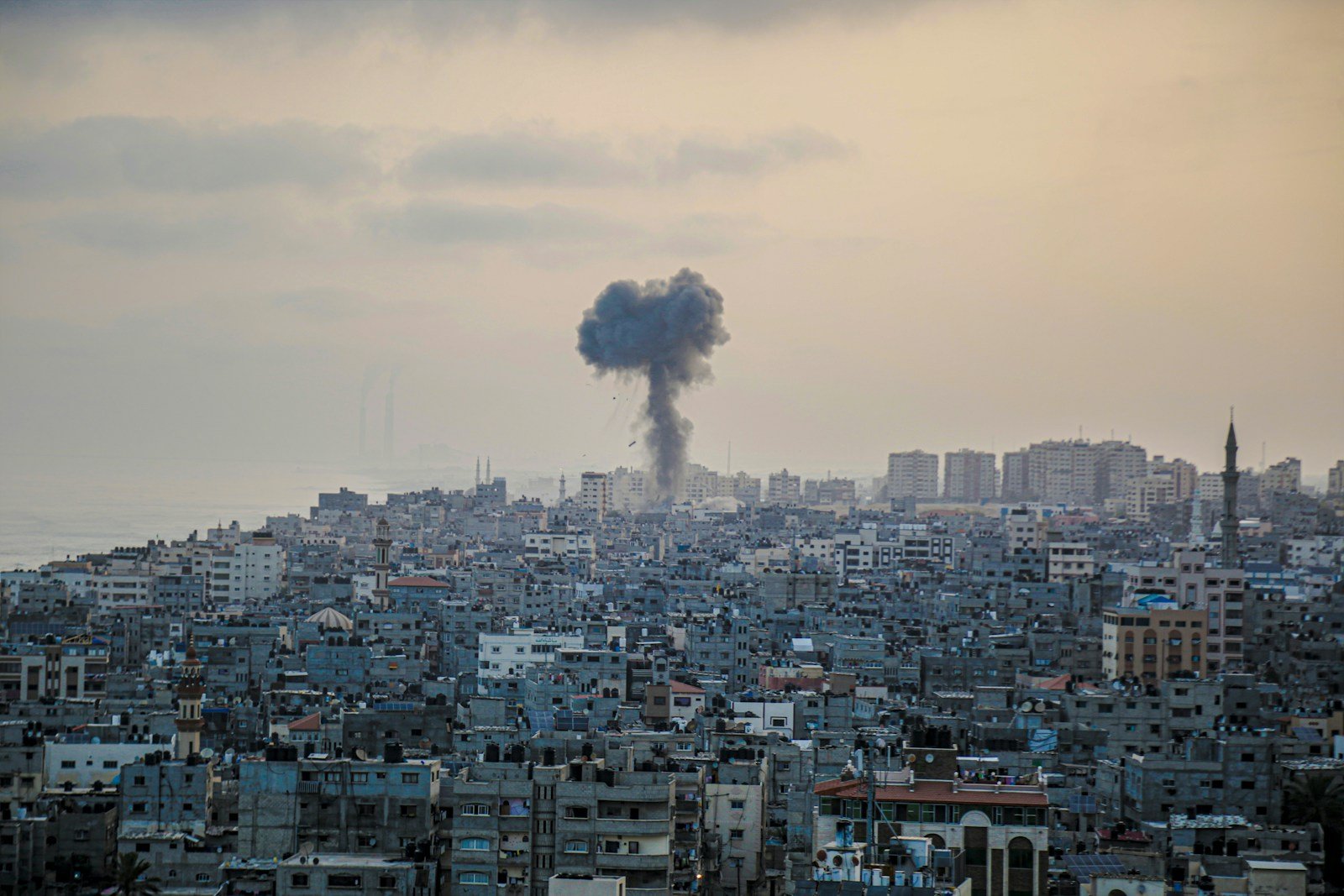
Shortly after the statement, explosions rattled Beirut’s southern suburbs, escalating existing fears in the area. The city had recently been issued evacuation warnings following the Israeli military’s intent to decimate sites involved in financing Hezbollah-connected networks. Despite the initial warnings, it remains unclear about the extent to which the evacuation exercises might be implemented.
Hezbollah’s Counter-Response
Al-Qard al-Hassan responded to Israel’s declaration by dubbing it a sign of Israel’s “bankruptcy.” It sought to quell the concerns of its users by assuring them that the necessary measures are in place to secure their funds. The institution continues to offer sustenance, especially to the Shiite population in a nation fraught with struggling state and financial institutions.
A Year of Escalating Tensions
The Israel-Hezbollah conflict stems from a year of heightened tensions centered around the Gaza war, transitioning into an outright war last month. The violence peaked as Israel launched a military campaign in Lebanon, compelling US defense secretary Lloyd Austin to call for a reassessment of the situation. He condemned the escalating civilian casualties, pushing for Israel to scale back attacks particularly around Beirut.
Possible International Implications
The ongoing crisis has drawn international attentions, with speculations of potential military collaborations being explored. The recent unauthorized release of classified documents revealing Israel’s plan for a military strike in response to Iran’s missile attack in October sparked conversations about the larger implications. Yet, Israel’s intentions remain focused on Hezbollah assets, having struck over 100 targets in southern Lebanon in a single day.
Civilian Impact and Responses
The current conflict has worsened living conditions for residents, particularly in the southern Beirut neighbourhoods known as Dahiyeh. Despite being unaffiliated with Hezbollah, these citizens must bear the brunt of the escalated violence. Amid the existing chaos, Israel’s recent statement adds to the prevailing anxieties.
Despite Israel’s announcement, that Hezbollah launched more than 170 rockets into Israel on Sunday, the response on the ground has been notably muted. Communities remain fearful, and there remains an air of bleak uncertainty around the further course of action. As the crisis unfolds, hopes for respite continue to fade amidst the rubble and grit.