

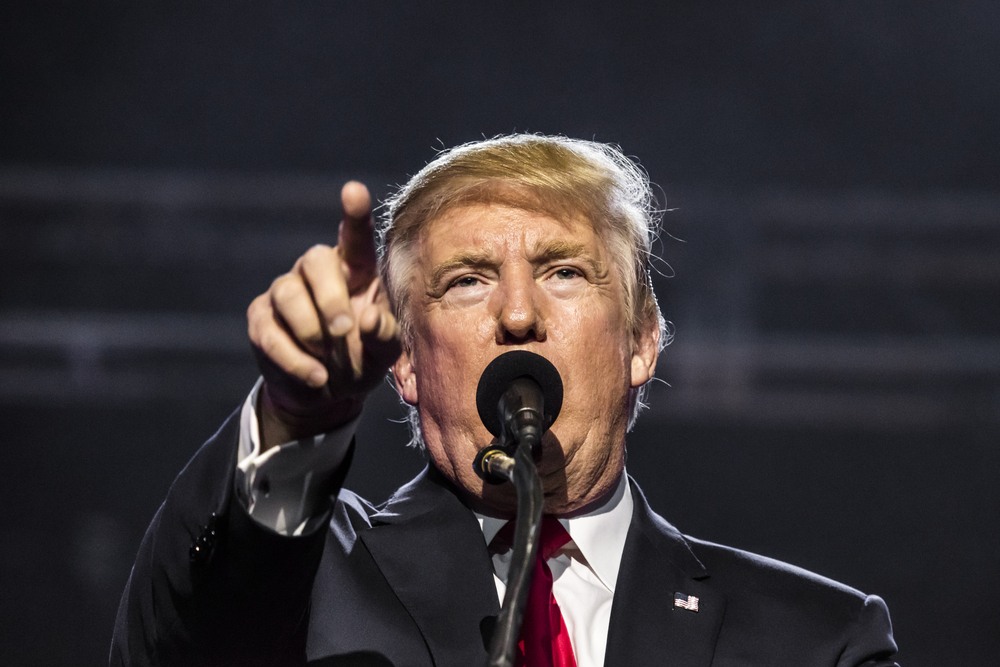

The president has taken bold and controversial actions since his return to the White House. He has used his executive power to pardon individuals who have taken part in serious acts of insurrection. In addition, the president has fired federal law enforcement and government ethics watchdogs. These decisions have drawn sharp criticism from many experts and commentators who worry about the rule of law in the country.
A Former Ethics Counsel Speaks Out
A former ethics counsel from the previous administration has spoken plainly about the issue. He described the actions as part of a larger and worrisome pattern of behavior. In one interview he said that what is happening is more common in a dictatorship than in a democracy. He pointed out that the president has pledged to assume and keep power by any means necessary. His words warn that people used to normal democratic checks and balances may soon find those systems under attack.
The former ethics counsel explained that granting pardons to those who commit violent acts does not help the country. He described the president as a leader whose choices ignore legal traditions. When someone in power acts like a dictator, the checks and balances are not given up voluntarily. His simple message is clear. In a functioning democracy, no one is above the law. People must be held accountable for their actions.
Controversial Pardons Under Fire
One of the most stirring examples is the pardon of individuals involved in violent insurrections. The president pardoned over one thousand individuals who took part in destructive protests and dangerous assaults on law enforcement. Some of these individuals even engaged in direct attacks on police officers. Critics say that by pardoning these people, the president sends a signal that bans on law enforcement misconduct may soon be forgotten. Such moves make it hard for citizens to trust the rule of law. Simple common sense tells us that pardoning violent insurrectionists undermines the country’s ideals.
Another example of this controversy is the pardon given to the mayor of a large city. The mayor has faced many issues and his pardon raises many more questions. Also, some wonder why the pardon of a former governor with a history of legal problems has not received the attention it deserves. People are left feeling confused by these seemingly reckless decisions. They ask what the president intends to do with his remaining term in office. They fear that each executive order may further erode the democratic standards that the country once proudly upheld.
Mass Firings of Federal Law Enforcement and Watchdogs
Not only has the president pardoned controversial figures, he has also taken strong action against government employees. Many federal law enforcement agents have been suddenly fired. The president removed officials from roles that included oversight of government ethics. These firings have left many people worried about accountability in the government. The dismissals are seen as part of a larger trend. In one example the president fired a key internal watchdog who had the job of investigating possible wrongdoings within the government. This further unsettles those who believe in a system of checks and balances.
The mass firings have sparked concern among citizens and experts alike. Some view them as a way for the president to rid his office of critics. Others see the move as a step toward consolidating power in the hands of a few loyalists. In any case, these firings contribute to an atmosphere where the rule of law seems less clear. The concern is that without official oversight, the government could become subject to abuse. Many worry that this trend marks a gradual shift away from a government that serves and protects all its people.
A Growing Debate About Dictatorial Behavior
The remarks by the former ethics official echo a debate growing in our nation. There is talk about how the president’s behavior compares to that of a dictator. In simple terms, a dictator gives up no power voluntarily. The president has pledged to keep power from those who oppose him and has taken steps to eliminate those who challenge his authority. Critics are quick to point out that these actions are not typical for someone in a democratic country. They are hard to ignore in a nation built on the idea that leaders must serve the people rather than rule with an iron fist.
Some experts argue that the president’s moves have set a dangerous precedent. They claim that the use of pardons to cover up past actions undermines justice. They also say that mass firings of law enforcement agents prevent necessary investigations. These actions place many citizens in fear. The worry is that they pave the way for corruption. Every new executive order made under these circumstances adds to the chorus of alarm among critics.
The president has also sparked debate by taking another jab at the rule of law. In a pointed comment, a critic proposed that the title given to the president should change from the usual one to a new acronym that reflects his criminal behavior. The statement was made simply to highlight the gravity of the situation. In response, some supporters have dismissed the idea. They claimed that the president’s actions are justified and that his decisions are in the best interest of the country. Nonetheless, many citizens find this reasoning hard to accept.
Fighting for Accountability and Democratic Principles
Many believe that accountability must be enforced no matter how high one climbs. They worry that when a president takes such extreme actions, democracy itself is undermined. They believe that the freedom and security of citizens could soon be at risk if the trend continues. The president’s actions are seen as an assault on the established systems of the state. They are a direct challenge to the ideas of fairness and institutional balance that the country holds dear.
Throughout history, the strength of a democracy has rested on balanced government power. Law enforcement and government ethics officials exist to check abuses of power. They help us ensure that no leader has unfettered control. When a president bypasses these systems, other public officials can feel pressured and powerless. As a result, they may not speak up against wrongdoings. This situation leads many to worry that our nation might soon become a place where fear and authority replace trust and equality.
The risks of a dictatorship are taken very seriously in our society. When even a small part of the government begins to mirror dictatorial behavior, the entire system is at risk. Many voices call for a return to a way of governing that values transparency and accountability. They warn that if these actions go unchecked, they could lead to further abuses of power. Anyone who respects law and order must not ignore these signals of decay. People have a right to expect that the laws of the land apply equally to the highest office.
Moving Forward with New Leadership Lessons
In the wake of these events, citizens and lawmakers are discussing possible responses. They say that careful thought must be given to preventing further misuse of power. Some call for reforms in how pardons are given and how federal law enforcement is managed. Others propose that strict oversight measures be introduced to protect the independence of government ethics officials. As these conversations continue, many hope that action will soon follow.
Simple measures might include clearer rules for hiring and firing officials. They may also include tighter controls on the use of executive power. Many believe that if these ideas are taken seriously, the country can prevent further decay in its democratic practices. The debate is active and lively in many communities. People from different age groups and walks of life raise their voices. They urge future leaders to respect established laws and norms. Their hope is that a system built on fairness and accountability can be maintained for future generations.
Impact on Future Elections and Policy Making
The current actions of the president could have an effect on future elections. Many worry that the abuse of power might be rewarded rather than punished by voters. Some citizens decide to become more involved in the political process. They attend community meetings and join local groups that focus on protecting democracy. Others are engaging more with news outlets and learning about the history of executive power. They see each executive decision as a lesson in the importance of maintaining balance in government.
Political leaders also now face a difficult choice. They must decide whether to support the president or hold him accountable. The debate is likely to intensify during election seasons. Every decision made by the president is examined closely by both supporters and critics. In a fair election, voters choose leaders who respect the law. When power is abused, the public must be alert and ready to demand change.
Some lawmakers say that the pattern of pardons and firings could hurt the nation in the long run. They warn that without firm checks in place, future leaders might misuse power in similar ways. The discussions in Congress have grown more intense as a new battle lines are drawn. Some insist that clear legislation is necessary to stop the trend of unchecked executive power. Others call for thorough investigations into each executive order made in recent times. They want to ensure that every decision is reviewed with complete transparency.
Every new decision has a ripple effect. When the president borrows too much power, other leaders may feel compelled to do the same. This could lead to a future where law and order are secondary to personal ambition. Many citizens, especially young people and those new to politics, worry about what the future holds. They see these actions as a wake-up call. They remind everyone that democracy requires constant vigilance and active participation. It reminds us that protecting our rights means standing up against even the highest authorities when they stray from the rule of law.
The Conversation on National Security and Public Safety
Another concern centers on national security and public safety. Many people fear that radical changes to how law enforcement operates could lead to unsafe streets. The removal of experienced federal agents creates gaps in the country’s protective measures. The need for strong internal watchdogs is clear. Without them, vital information about potential abuses may be lost. Citizens worry that the current moves weaken the country from within.
Supporters of the president argue that his actions are necessary to root out corruption from within the government. They say that any system must change over time and that his moves are a step toward a fresh start. However, critics counter that it is dangerous to let a single leader control so many vital functions. They stress that an imbalance of power can lead to decisions that harm the nation’s core values. They believe that public safety and national security must come before any personal or political gain. This disagreement makes it evident that the debate is as heated as ever.
International observers are also watching these developments with keen interest. They see the president’s decisions as influential. Many worry that a world known for respecting democratic ideals might soon accept actions that look very similar to those in dictatorships. Countries that once offered support for the nation’s traditional values might begin to look the other way. In simple terms, the actions taken now could change the nation’s reputation on the global stage. This makes the issue even more urgent for policymakers and the public alike.
Building Trust Through Accountability
At the heart of these controversies is a question about trust. Trust between the government and its people is the cornerstone of any healthy society. When a president takes actions that seem to flout the law, trust is damaged. People feel betrayed and uncertain about what the future holds. They wonder if the leader who takes power for granted can ever truly serve those who elected him. The situation clearly calls for accountability and transparency. Many hope that appropriate measures will be taken to restore trust in public officials.
In discussions around America’s future, many voices insist on the need to uphold widely respected principles. They speak plainly about the importance of holding leaders accountable for deeds that weaken democracy. They argue that if the president continues on his current path, then the nation risks having a government that works only for its own interests. A strong, democratic nation is built on a foundation of fairness and balance. This foundation must not be allowed to crumble under unchecked executive power.
The Call for a Return to Democratic Norms
A central argument in this debate is the need to return to old democratic norms. Many believe that the actions coming from the White House are a betrayal of longstanding democratic values. They argue that leaders should serve the people and respect established laws. There is a call from civic groups to strengthen the institutions that check executive power. They ask that sincere efforts be made to restore integrity in the government. It is hoped that clear rules will soon limit the ability of any president to take unilateral actions without oversight.
Citizens continue to mobilize by joining community organizations, writing letters to their representatives, and attending peaceful protests. They believe that the country needs a reminder of its core democratic values. They also stress that every citizen has a role in keeping the government honest. Simplifying the process of accountability in government could prevent future abuses of power. With steady resolve, many hope that the country can steer back to a well-balanced system that honors legal traditions.
A Look to the Future
The president’s actions have sparked widespread debate. They have opened discussions about the limits of executive power and the nature of leadership. Some experts warn that if these actions continue, future administrations may also feel justified in bypassing established norms. More voices are urging for measures to hold every public official accountable. Citizens are encouraged to stay informed and participate in civic life.
Its clear that many people stand worried about the future. They see early signs that the country is drifting away from respected standards of governance. They worry that the lessons of history may be forgotten if leaders keep consolidating power without challenges. This is a dangerous path where democratic practices might crumble. It is vital that a clear message be sent through legal channels and legislative reforms. The focus must be on protecting the nation from any form of autocracy.
In conclusion, the events in the White House have alerted many citizens and experts. The president has taken steps that some find deeply troubling. His actions on pardons and firings stir debates that go to the core of democratic life. Simple and clear, the underlying fear is that unchecked power can corrupt an entire system. We must all remain aware of the importance of accountability and transparency. Only through collective vigilance can the nation preserve the rule of law and uphold its democratic ideals.
These recent moves remind us that power must always be balanced by responsibility. The path forward depends on our willingness to question and check authority. Everyone, from young students to seasoned leaders, plays a role in making sure that justice prevails. Continued debate, community action, and fair reforms are our best tools. In this way, we can help ensure that our government serves all, not just a select few.
As discussions rage on and opinions clash, one truth remains clear. Real democracy demands that every decision by those in power reflect a commitment to the rule of law. The events in the White House serve as a strong reminder that complacency may lead to a loss of freedom. Honest conversations and timely reforms now can restore balance in government. All citizens must work together to rebuild trust. By staying informed and involved, we shape a future that safeguards our liberties and respects our shared values.