

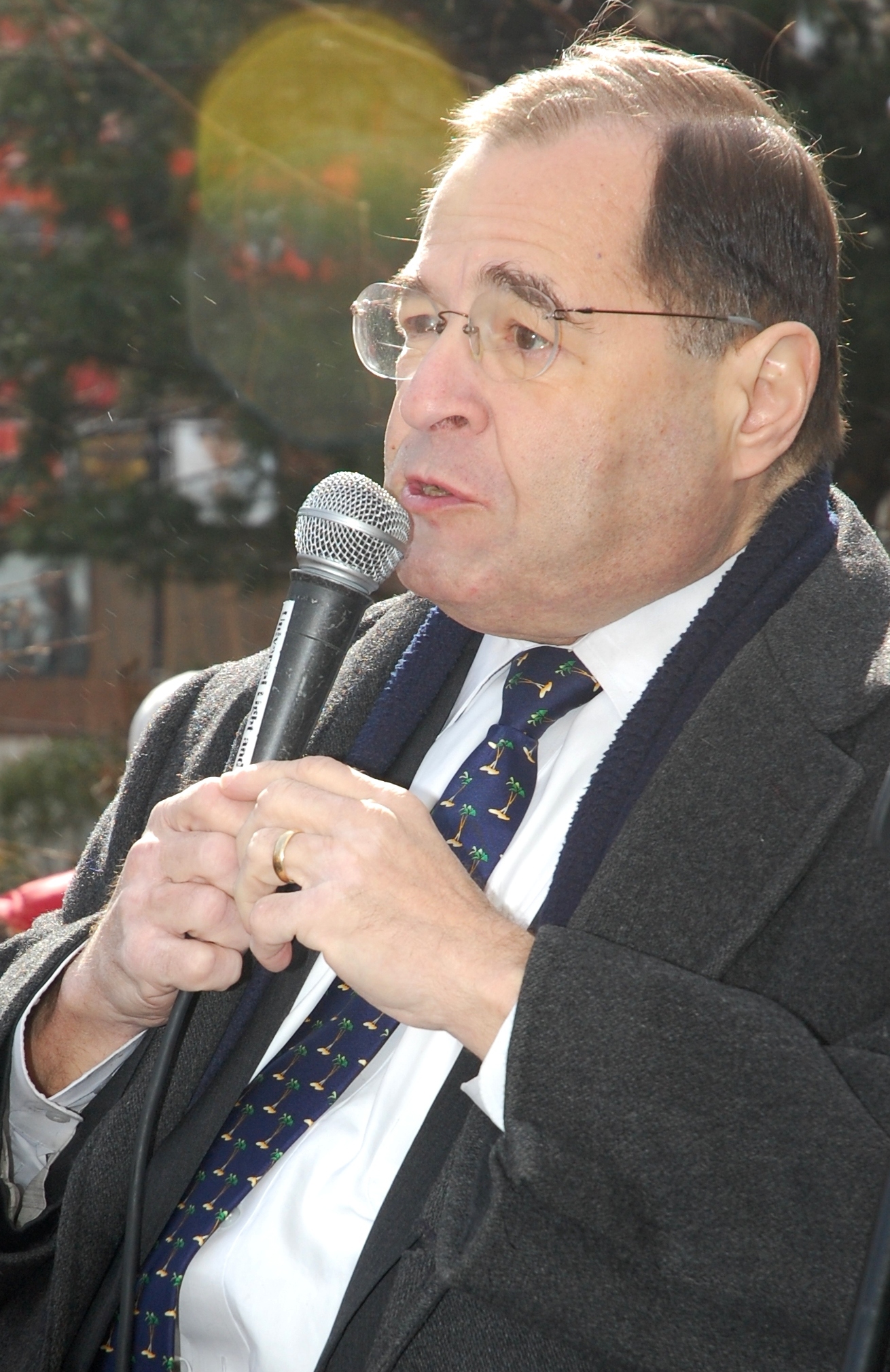

Key takeaways
- Rep. Jerry Nadler announced he will retire after a 34-year career in Congress.
- He cited a need for generational change within the Democratic Party.
- The decision surprised many political observers and lit up social media.
- Nadler’s departure opens a prime Manhattan House seat for new contenders.
- Analysts predict a crowded, competitive race for his vacated district.
Nadler retirement brings generational change
After more than three decades in office, Rep. Jerry Nadler said he will not run in the 2026 midterms. His decision stunned New York City and political watchers nationwide. Nadler is one of the longest-serving members of the House. He based his choice on a call for younger leadership in his party. In his own words, he felt it was time to “respect” the push for generational change.
The surprise announcement
On a Monday morning, news broke that Jerry Nadler will step down in 2026. He made the announcement quietly but it spread fast online. Social media buzzed as reporters and political pros shared reactions. Many were shocked because Nadler had resisted calls to retire. He backed his party’s push against threats to democracy. Yet he still chose to leave when he turned 78.
However, his colleagues quickly weighed in. One reporter called it “huge news” for downtown Manhattan. Others noted that he had lost a leadership spot on a key committee this year. So while the choice felt sudden, some insiders saw hints of it coming.
Reasons behind the Nadler retirement
Nadler said watching recent struggles in his party shaped his choice. He pointed to internal debates over the president’s role and democratic norms. He felt that younger voices might bring fresh energy and new ideas. Therefore, stepping aside seemed the right move.
Moreover, Nadler hinted that age played a part. Serving 34 years takes a toll on anyone. In his statement, he said a younger member “could maybe do better, could maybe help us more.” He made it clear he still cares about his district and the country. Yet he chose to answer calls for change.
At the same time, he praised his achievements. Nadler led major investigations and fought for civil rights. He remained a vocal voice on issues like privacy and free speech. Even so, he agreed with those who said it was time for a shift in leadership.
Impact of Nadler retirement on the 2026 elections
Nadler retirement instantly reshapes the midterm landscape. His open seat will attract many hopefuls. The district covers a large slice of Manhattan. It’s a top target for both local and national campaign groups.
Early chatter names several possible candidates. A former aide and state assembly member looks ready to jump in. Others include local activists and rising stars in city government. Each could bring a different vision for the district.
Furthermore, the primary will test the party’s current mood. Will it favor progressive newcomers or seasoned insiders? Will national political themes shape local choices? The primary will offer clues about the party’s next path.
Who might run for his seat?
Already, names are circulating as potential contenders. One is a state assembly member who once served as Nadler’s aide. Another is a young policy analyst with buzz in certain circles. A third potential candidate is a city council member looking to expand influence.
Meanwhile, campaign groups are watching closely. They plan to offer endorsements, fundraising help, and strategic advice. This seat will be one of the most coveted in the 2026 cycle. So expect intense media attention and big-dollar campaigns.
Some insiders say the district could attract more than a dozen hopefuls. That will make the primary crowded and competitive. It may also force candidates to build name recognition fast. For example, expect town halls, digital ads, and grassroots events to pop up soon.
What comes next for the district?
With Nadler retirement on the horizon, the community wonders what lies ahead. The district covers neighborhoods known for art, culture, and activism. Residents care deeply about housing, public transit, and social justice.
Candidates will need clear plans to win voters. They must address rising rent costs, safety in public spaces, and climate issues. They also need to show how they will stand up to national threats to democracy.
Moreover, they must prove they understand local needs. Nadler had deep ties to every corner of his district. His successor will need to build similar bonds. That means showing up to local events and staying connected to community groups.
In addition, progressive groups may push for a nominee who aligns with their agenda. Meanwhile, moderates will seek a candidate who can appeal to a broad audience. Ultimately, the primary outcome will reveal the party’s direction in New York.
Looking ahead, the general election may be less competitive. The district has leaned heavily toward Nadler’s party for years. So the real battle will happen in the primary. After that, the nominee will likely cruise to victory in November.
Conclusion
Jerry Nadler’s decision to retire marks the end of an era. His 34 years in Congress shaped countless policies and legal battles. By stepping aside, he signals a shift toward new leadership. The upcoming primary promises to be full of ambition, new ideas, and heated debates. In the end, the race to replace him will reveal much about the future of his party and the voice of Manhattan in Washington.
Frequently asked questions
Why did Jerry Nadler retire now?
He said recent debates in his party showed a need for younger leadership. He also noted his long tenure and age influenced his choice.
How will the open seat affect local politics?
The primary will draw many candidates, highlighting shifts in party priorities. It may also shape how national issues play out in a key district.
Who is likely to run for Nadler’s seat?
Potential contenders include a former aide turned assembly member, local activists, and rising city council members.
What does “generational change” mean in this context?
It refers to bringing new, younger leaders into office to introduce fresh ideas and energy.