


AI Fitbit: Key Takeaways
AI Fitbit is central to this story, and this analysis explains what matters most right now.
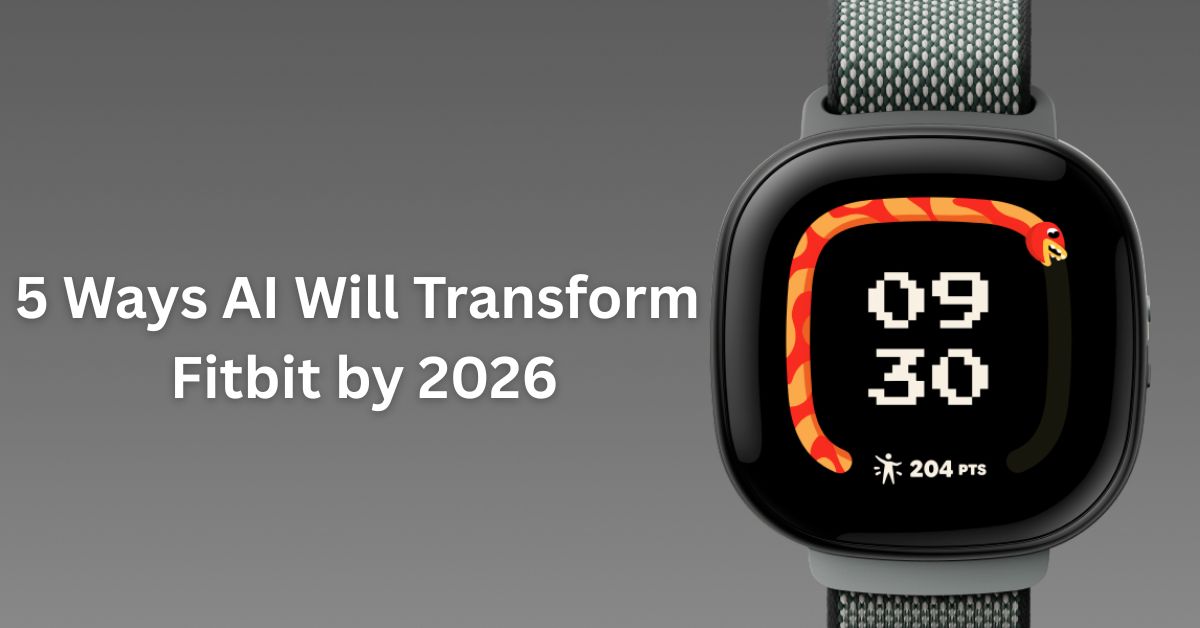
5 Ways AI Will Transform Fitbit by 2026
In a bold move towards redefining health technology, Google is leveraging AI to transform Fitbit’s capabilities. The integration promises to revolutionize how users monitor their health, offering deeper insights and tailored health management strategies. With AI-driven analytics, Fitbit users can expect a more personalized and effective approach to health tracking.
As Google continues its journey in the healthcare sector, the implications for Fitbit are profound. This technological advancement could redefine personal health monitoring, giving users unprecedented access to critical health data. The change not only enhances individual health management but also empowers users to make informed decisions about their well-being.
Quick Summary
- Google’s AI aims to dramatically improve Fitbit’s health insights.
- AI integration could offer users personalized health analytics.
- Enhanced data access may empower user health decisions.
- Potential privacy concerns with medical data handling exist.
- Fitbit devices to offer smarter, tailored health recommendations.
Enhanced Health Insights with AI
The integration of AI into Fitbit is set to provide users with unparalleled health insights. AI’s ability to analyze patterns over time allows for tailored health advice. For instance, detecting irregular sleep patterns or early signs of stress could become part of Fitbit’s offerings, thanks to advanced AI algorithms.
This advancement doesn’t just benefit individual users. It has the potential to contribute to broader healthcare practices by offering anonymized data for research. Such data can help understand public health trends, enabling healthcare providers to develop more effective interventions.
AI-Driven Data Personalization
Data personalization is a standout feature of Google’s AI integration with Fitbit. Users can expect a more customized experience, with alerts and recommendations based on their unique health profiles. By tailoring information to individual needs, AI empowers users to better manage their health and wellness.
This personalization extends beyond individual benefits to potential collaborations with healthcare professionals. Fitbit users might share insights with doctors, aiding in more accurate diagnoses and treatment plans. This seamless data-sharing could enhance patient care and improve outcomes.
Privacy Concerns and Data Security
Despite the benefits, Google’s AI integration raises questions around privacy and data security. Managing sensitive medical records requires robust safeguards to protect user information. Google assures users that data will be securely managed, with encryption and strict access controls in place.
Users are encouraged to remain vigilant and informed about data-sharing practices. Understanding privacy settings and opting into features confidently can help users maintain control over personal information.
AI’s Role in Future Healthcare
Google’s AI ambitions for Fitbit represent just a part of a larger shift towards tech-driven healthcare. AI’s potential in analyzing vast amounts of health data could lead to groundbreaking discoveries in public health and personalized medicine. As AI becomes more integrated into everyday health devices, users can expect more predictive and preventive healthcare solutions.
The role of AI in healthcare is continually evolving, with experts predicting that AI will soon be a standard feature in health monitoring devices. This advancement will not only benefit individual users but also contribute to global health improvements by identifying trends and patterns in health data.
The latest developments connected to AI Fitbit have reopened questions about strategy, risk, and timing, particularly for stakeholders who need clearer signals before making their next move. In practical terms, that means watching both official statements and real-world indicators to understand whether the current direction is likely to hold.
In recent coverage, AI Fitbit has become a reference point for wider discussions about accountability, communication, and how institutions respond under pressure. Observers say this broader lens is important because the immediate event is often only one part of a larger sequence of decisions.
Beyond the immediate updates, AI Fitbit is drawing attention because it links short-term events to longer-term structural trends that are still unfolding. Readers following the story closely are paying particular attention to what changes in response and what remains unresolved after each update.
As the story evolves, reporting on AI Fitbit is expected to focus increasingly on measurable impacts, official follow-through, and whether early assumptions hold up. That evidence-based framing helps audiences evaluate momentum without overreacting to isolated developments.
Taken together, these updates show why AI Fitbit matters now and why the next round of confirmed information will be critical to understanding the full impact. Analysts caution that the most meaningful shifts may appear gradually, making sustained coverage more useful than one-off snapshots.
Conclusion
Google’s AI advancements for Fitbit are set to transform health tracking, offering users enhanced insights and personalized experiences. While privacy remains a concern, the potential benefits in healthcare management are immense. As AI continues to evolve, Fitbit users can look forward to a future where technology empowers healthier lifestyles.
For more on Google’s AI initiatives in healthcare, visit Google’s AI blog. For insights on wearable technology, explore Digital Chew’s technology section.
Analysts say AI Fitbit now sits at the center of a broader shift, with consequences that could extend beyond the immediate headline and shape decisions in the coming weeks. They note that early signals often appear in policy language and market behavior before they are reflected in official summaries, which is why context matters as much as the headline itself.
Reporting around AI Fitbit has also highlighted how quickly circumstances can change, making context and verified updates essential for readers trying to separate signal from noise. The most reliable coverage connects each new update to the timeline of prior events so audiences can understand what is genuinely new and what is part of a longer trend.
Officials and industry observers are watching AI Fitbit closely, noting that the next phase of the story may depend on timing, policy responses, and cross-market reactions. Until those responses become clearer, experts recommend focusing on confirmed developments instead of speculation that can distort short-term expectations.
For audiences tracking AI Fitbit, the key is to follow credible sources and focus on developments that reveal direction rather than isolated short-term swings. That approach helps readers understand not just what happened today, but why the story could carry broader implications over the coming weeks.