

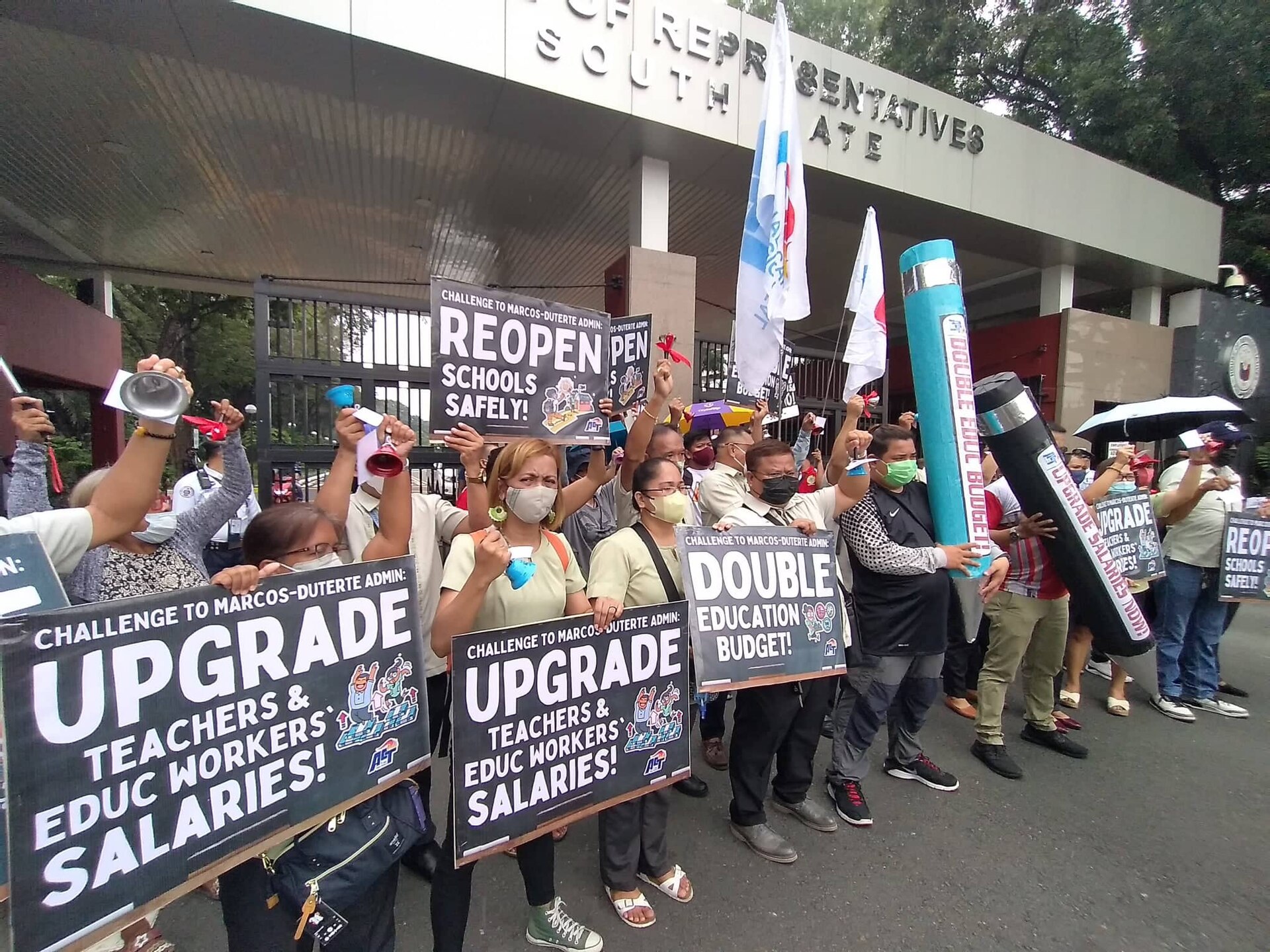

Quick Summary: Community Demands Transparency as Ann Arbor Teacher Pay Dispute Escalates
- A 2025 EPIC report from Michigan State University found Michigan’s average teacher salary for 2023-24 was $69,067, compared with a national average of $72,030.
- Ann Arbor Education Association president Fred Klein stated the district dropped from 91st to 144th in educator compensation rankings in Michigan.
- Ann Arbor’s top teacher salaries trail comparable Michigan districts by $12,000 to $18,000 annually, driving teachers out.
- Ongoing negotiations are linked to a $25 million budget shortfall, making raise proposals politically and financially complex.
- Over 1,200 community members signed a letter demanding financial transparency from the school board before further spending.
Source: Open external resource
Source: Read original article
Ann Arbor is embroiled in a fierce battle over teacher pay, a struggle that has become a litmus test for whether a wealthy district can retain its educators amid a financial crisis. Union leaders argue that Ann Arbor’s top salaries lag behind comparable districts by a staggering $12,000 to $18,000 annually, a gap that is pushing teachers to leave.
The dispute is not just about paychecks; it’s a matter of survival for a district that has already seen a 15% reduction in budgeted teacher positions over two years. The Ann Arbor Education Association, led by Fred Klein, highlights the district’s plummet from 91st to 144th in state compensation rankings. This stark decline underscores the urgency of their demands.
Michigan’s broader context amplifies Ann Arbor’s woes. The state ranks 44th nationally for starting teacher pay, with salaries $4,881 below the national average. This backdrop of financial erosion makes it even harder for Ann Arbor to attract and keep talent. The district’s fiscal challenges are compounded by a $25 million budget shortfall, leading to contentious negotiations over potential salary increases.
Community support is growing, with over 1,200 people demanding transparency from the school board before any new spending is approved. The ongoing contract dispute is now a governance issue, with calls for accountability and clear budget disclosures.
EPIC said Michigan had slipped to 44th in the nation on starting teacher pay and was $4,881 behind the national average for new teachers. WEMU reported in April that the number of budgeted teacher positions in Ann Arbor Public Schools had fallen by about 15% over the previous two years.
A 2025 EPIC report from Michigan State University found Michigan’s average teacher salary for 2023-24 was $69,067, compared with a national average of $72,030, while the average starting salary in Michigan was $41,645 versus $46,526 nationally. ” But she paired that with a warning that “the decision that we make right now have to be fiscally responsible,” as the board tries to avoid dropping below a 5% fund balance, a level that could trigger state intervention under Michigan’s early-warning law.
In March, Ann Arbor Education Association president Fred Klein told WXYZ that the district had “fallen from 91st to 144th in educator compensation rankings in the state,” and said, “We’ve compared comparable districts and our top salaries are about 12 to 18,000 dollars a year less” at the top end. WXYZ also tied the ongoing negotiations to the district’s earlier $25 million budget shortfall, which had already led to cuts, making every raise proposal politically and financially fraught.
Ann Arbor’s teacher-pay fight has hardened into a test of whether a wealthy district can keep educators while still climbing out of a budget crisis: union leaders now say Ann Arbor’s top salaries trail comparable Michigan districts by $12,000 to $18,000 a year, and that gap is driving teachers out. WXYZ reported that more than 1,200 people signed an open letter demanding more financial transparency from the board before additional spending decisions are made.
25% for more experienced teachers in the second year. The immediate next phase, then, is whether Ann Arbor can craft a deal that closes a claimed $12,000-to-$18,000 top-salary gap without pushing class sizes up, planning time down, or the district’s fund balance below that critical 5% threshold.
Ann Arbor’s top teacher salaries trail comparable Michigan districts by $12,000 to $18,000 annually, driving teachers out. Ongoing negotiations are linked to a $25 million budget shortfall, making raise proposals politically and financially complex.
Union leaders argue that Ann Arbor’s top salaries lag behind comparable districts by a staggering $12,000 to $18,000 annually, a gap that is pushing teachers to leave. The dispute is not just about paychecks; it’s a matter of survival for a district that has already seen a 15% reduction in budgeted teacher positions over two years.
The state ranks 44th nationally for starting teacher pay, with salaries $4,881 below the national average. The district’s fiscal challenges are compounded by a $25 million budget shortfall, leading to contentious negotiations over potential salary increases.
The scale and speed of this development has caught many observers off guard. Each new update adds another dimension to a story that is still unfolding, and the full picture will only become clear as more verified details emerge from the people and institutions directly involved.
Analysts who have tracked this issue closely say the current moment represents a genuine turning point. The decisions made in the coming weeks are expected to set the direction for months ahead, with ripple effects likely to extend well beyond the immediate actors in the story.
For those directly affected, the practical impact is already visible. People navigating this fast-changing situation are dealing with real consequences while new information continues to reshape what is known and what remains open to interpretation.
Historical parallels offer some context, though experts caution against drawing too close a comparison. Similar situations have played out before, but the specific combination of pressures, personalities, and timing here makes this moment distinct in ways that matter for how it ultimately resolves.
The political and economic dimensions of this story are deeply intertwined. What appears as a single event on the surface is in practice the convergence of multiple pressures that have been building quietly over a longer period than most public reporting has captured.