


Quick Summary: Prime Minister Anwar Targets Cronyism in Entrepreneur Loan Practices
- Prime Minister Anwar Ibrahim denounced the use of political “support letters” in Malaysia’s business financing system, labeling it cronyism.
- Anwar’s July 4 speech framed support-letter-backed financing as a management failure, escalating political stakes.
- He criticized financing tied to powerful individuals, saying it led to uncommitted borrowers and business failures.
- Anwar emphasized the need for merit-based, institution-led financing over politically influenced approvals.
- He rejected creating new agencies, advocating for strengthening existing institutions like Majlis Amanah Rakyat.
Source: Open external resource
Source: Read original article
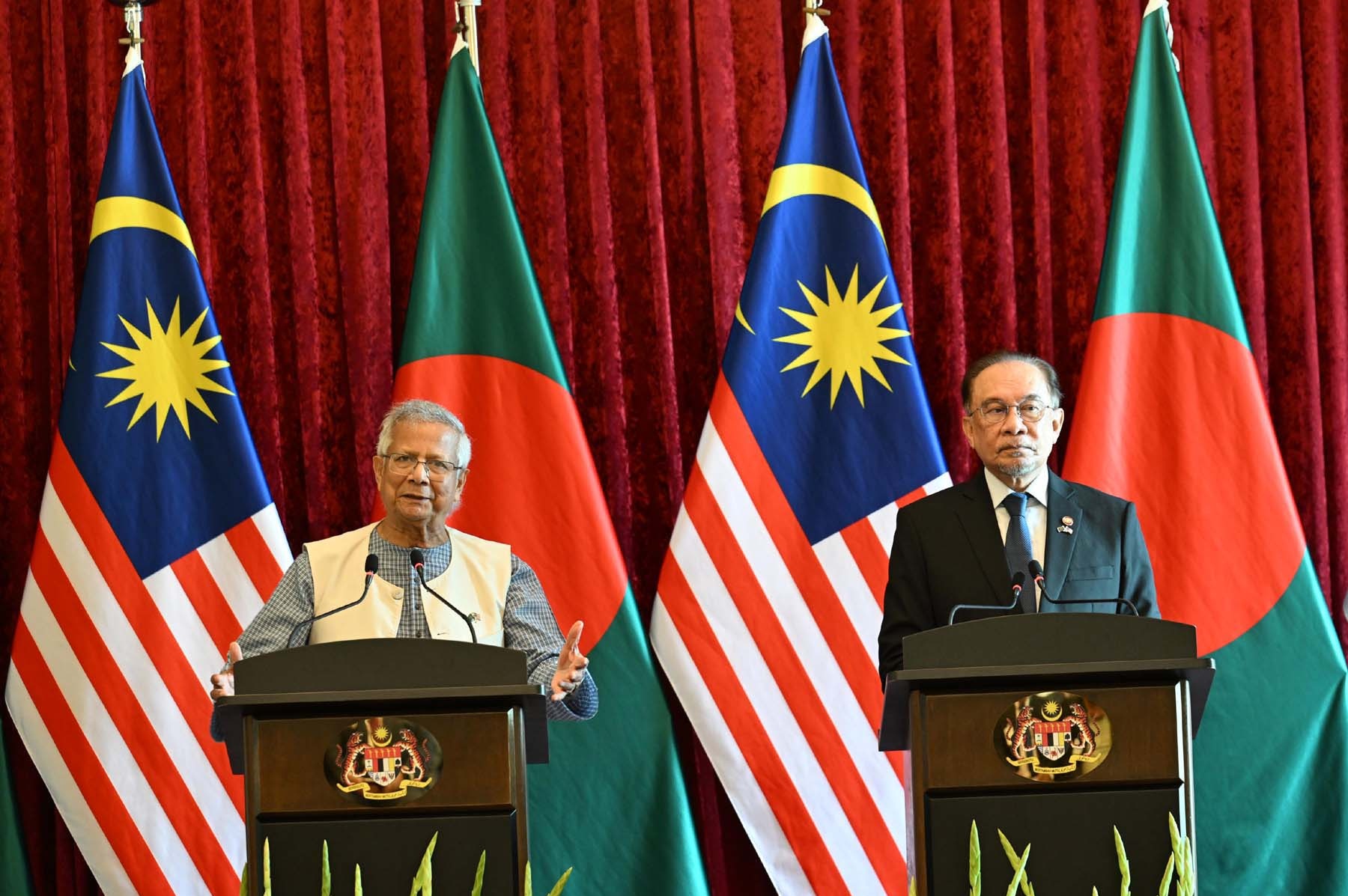
Prime Minister Anwar Ibrahim has taken a bold stand against the entrenched practice of using political “support letters” to secure entrepreneur loans in Malaysia. In a July 4 speech, Anwar denounced this as a form of cronyism that channels funds to undeserving borrowers, escalating the political stakes surrounding business financing approvals.
Anwar’s critique is not just about improving access to loans but is an explicit attack on the misuse of Bumiputera assistance. He highlighted that financing linked to powerful individuals often results in funds being extended to uncommitted borrowers, leading to business failures. This marks a significant shift from routine policy speeches to a direct challenge against patronage in state-linked lending.
Rather than creating new agencies, Anwar advocates for strengthening existing institutions like Majlis Amanah Rakyat, Tekun Nasional, and Amanah Ikhtiar Malaysia. This approach shifts the debate from the quantity of aid to who controls access, emphasizing merit-based, institution-led financing over political influence.
The backdrop of Anwar’s intervention is a system already moving billions of ringgit, with the government having raised total entrepreneur loan facilities and guarantees to RM50 billion for 2026. Anwar’s call for reform is not just symbolic; it aims to replace political gatekeeping with direct outreach and formal assessment.
Anwar’s position is clear: the abuse of support letters “must stop,” and aid should be distributed through established agencies. This stance suggests a move towards internal discipline rather than institutional expansion as the urgent fix for Malaysia’s financing system.
Another Bernama report in April said the Dana Ekonomi Usahawan Wanita initiative alone had disbursed RM906 million to 106,100 women entrepreneurs, out of a total funding pool of RM3 billion. In April, the government was still publicizing large-scale targeted disbursements such as the RM906 million under DEWI for 106,100 women entrepreneurs.
The Star reported on July 4 that Anwar said financing backed by ties to “certain individuals” had resulted in money being extended to borrowers who were “uncommitted,” while Free Malaysia Today’s Bahasa report the same day said he linked “surat sokongan” and “kronisme” to businesses collapsing after borrowers failed to manage entrusted funds properly. Prime Minister Anwar Ibrahim used a July 4 crackdown speech to publicly denounce the use of political “support letters” in Malaysia’s Bumiputera business financing system, calling the practice a form of cronyism that helped channel funds to borrowers who were not serious about running viable businesses.
That is important because it shifts the debate from how much aid is available to who gets to control access to it. 5 billion in microloans available through channels including Bank Simpanan Nasional and TEKUN Nasional.
That progression over roughly six weeks suggests the administration has moved from access concerns to governance concerns, and from encouraging distribution to warning against abuse. The strongest new development in the latest reporting is that Anwar did not just call for better access to loans; he explicitly framed support-letter-backed financing as a management failure and an abuse of Bumiputera assistance, sharply escalating the political stakes around how entrepreneur funds are approved.
The Star’s July 4 report said he was “not inclined” to establish new Bumiputera agencies, a notable refusal in a political environment where creating new vehicles is often the default response. On May 23, Anwar told agencies and financial institutions to proactively help small traders and micro-entrepreneurs access financing.
The backdrop of Anwar’s intervention is a system already moving billions of ringgit, with the government having raised total entrepreneur loan facilities and guarantees to RM50 billion for 2026. In April, the government was still publicizing large-scale targeted disbursements such as the RM906 million under DEWI for 106,100 women entrepreneurs.
On May 23, Anwar told agencies and financial institutions to proactively help small traders and micro-entrepreneurs access financing. He rejected creating new agencies, advocating for strengthening existing institutions like Majlis Amanah Rakyat.
Anwar’s critique is not just about improving access to loans but is an explicit attack on the misuse of Bumiputera assistance. Anwar’s July 4 speech framed support-letter-backed financing as a management failure, escalating political stakes.
In a July 4 speech, Anwar denounced this as a form of cronyism that channels funds to undeserving borrowers, escalating the political stakes surrounding business financing approvals. He criticized financing tied to powerful individuals, saying it led to uncommitted borrowers and business failures.
The scale and speed of this development has caught many observers off guard. Each new update adds another dimension to a story that is still unfolding, and the full picture will only become clear as more verified details emerge from the people and institutions directly involved.
Analysts who have tracked this issue closely say the current moment represents a genuine turning point. The decisions made in the coming weeks are expected to set the direction for months ahead, with ripple effects likely to extend well beyond the immediate actors in the story.
For those directly affected, the practical impact is already visible. People navigating this fast-changing situation are dealing with real consequences while new information continues to reshape what is known and what remains open to interpretation.
Historical parallels offer some context, though experts caution against drawing too close a comparison. Similar situations have played out before, but the specific combination of pressures, personalities, and timing here makes this moment distinct in ways that matter for how it ultimately resolves.
The political and economic dimensions of this story are deeply intertwined. What appears as a single event on the surface is in practice the convergence of multiple pressures that have been building quietly over a longer period than most public reporting has captured.