


Quick Summary: Federal Ballot Data Proposal Raises Alarm Over Election Integrity
- The proposed USPS rule would require states to provide voter data 60 days before federal elections, potentially redesigning ballot systems with less than 150 days to comply.
- The rule is part of the Trump administration’s 2026 executive order, pushing for voter lists and unique ballot identifiers to enhance mail voting integrity.
- Litigation over late-arriving mail ballots highlights the impact of postal changes, with hundreds of thousands of ballots counted post-Election Day in 2024.
- New York officials urge voters to mail ballots early due to new USPS postmark guidance, reflecting broader concerns about mail-in voting timelines.
- Critics argue the proposal could create a federal absentee-voter database, raising concerns about privacy and federal overreach.
Source: Open external resource
Source: Read original article
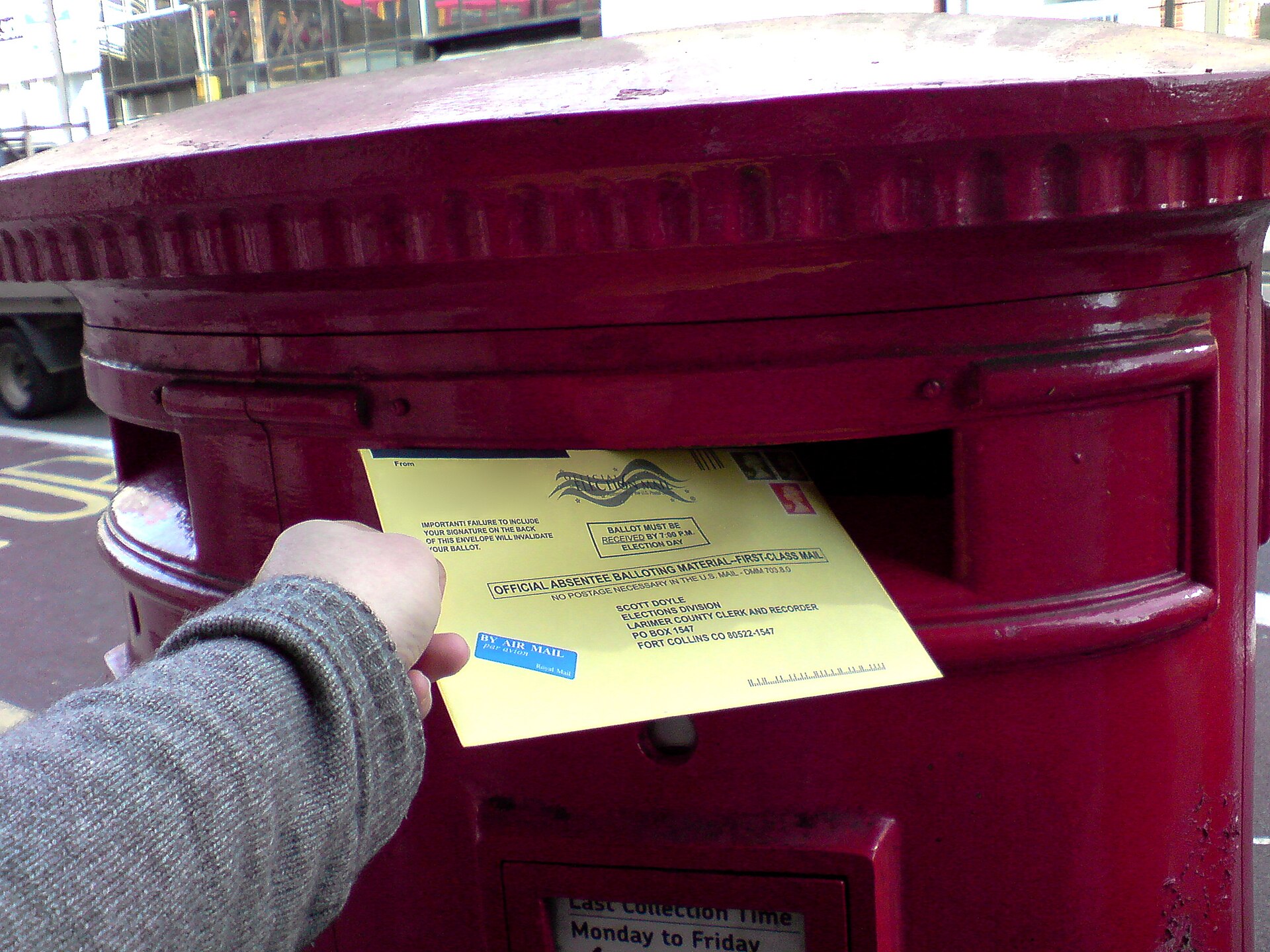
Voter verification has emerged as a contentious issue in the ongoing debate over mail-in voting. The recent proposal from the USPS, requiring states to submit voter data 60 days before federal elections, threatens to transform political discourse into operational chaos. Ballot is at the center of this development.
This move stems from a 2026 executive order by the Trump administration, aiming to fortify election integrity through enhanced verification measures. However, the requirement could force states to hastily redesign their ballot systems, with less than 150 days to adapt before the next general election.
The stakes are high, as evidenced by the 2024 general election, where significant numbers of mail ballots were counted after Election Day due to grace periods in 22 states. Such postal or verification changes could dramatically alter vote totals, prompting legal battles and administrative challenges.
In New York, election officials are already advising voters to mail their ballots early, reflecting concerns over tightened verification rules and postal handling. Critics warn that the federal push for voter data could lead to a centralized absentee-voter database, raising privacy and federalism issues.
The debate underscores a fundamental divide: proponents argue that stricter controls restore trust, while opponents contend that these measures undermine confidence and accessibility. As states weigh compliance with the USPS demand, the legal and political landscape remains fraught with uncertainty.
New York has become especially relevant because state election officials are already warning voters to return ballots early under updated USPS postmark guidance issued June 9, 2026. The proposed state-to-USPS list requirement would kick in 60 days before any federal election, and election officials quoted in recent coverage warned that compliance could require redesigning ballot systems with fewer than 150 days before the 2026 general election.
That development is the clearest real-world expression yet of the Trump administration’s March 31, 2026 executive order on elections, which directed states to send the Postal Service a list of voters “to whom the State intends to provide a mail-in or absentee ballot” 60 days before a federal election and pushed USPS to use unique ballot-envelope identifiers such as bar codes. Senate Democrat Gary Peters warned Steiner that the proposal would “coerce” states, especially vote-by-mail states, into handing over sensitive voter information to the Trump administration.
” That warning matters because New York law allows ballots postmarked by Election Day, meaning processing delays could become the difference between a ballot counting and being rejected. The central conflict is no longer just whether tighter voter verification builds confidence, but whether the federal government can force states to surrender voter-roll and absentee-ballot data by threatening the delivery of election mail.
Separately, litigation over late-arriving mail ballots matters because hundreds of thousands of mail ballots in the 2024 general election were counted after arriving post-Election Day in 22 states and territories that allowed a grace period, underscoring how even small postal or verification changes could affect large vote totals. Meanwhile, election officials in states such as New York are telling voters now—not later—to mail ballots as early as possible, a sign that even before any final ruling, administrators are preparing for a 2026 election season in which verification rules, postal handling, and ballot deadlines may all tighten at once.
Critics say that would effectively create a federal absentee-voter database containing names, addresses, and ballot barcode numbers for people requesting mail ballots. ” Those competing claims capture the story’s core divide: one side says stricter controls restore trust, while the other says the new controls themselves threaten confidence and access.
The rule is part of the Trump administration’s 2026 executive order, pushing for voter lists and unique ballot identifiers to enhance mail voting integrity. Litigation over late-arriving mail ballots highlights the impact of postal changes, with hundreds of thousands of ballots counted post-Election Day in 2024.
The recent proposal from the USPS, requiring states to submit voter data 60 days before federal elections, threatens to transform political discourse into operational chaos. That development is the clearest real-world expression yet of the Trump administration’s March 31, 2026 executive order on elections, which directed states to send the Postal Service a list of voters “to whom the State intends to provide a mail-in or absentee ballot” 60 days before a federal election and pushed USPS to use unique ballot-envelope identifiers such as bar codes.
Critics argue the proposal could create a federal absentee-voter database, raising concerns about privacy and federal overreach. The stakes are high, as evidenced by the 2024 general election, where significant numbers of mail ballots were counted after Election Day due to grace periods in 22 states.
The scale and speed of this development has caught many observers off guard. Each new update adds another dimension to a story that is still unfolding, and the full picture will only become clear as more verified details emerge from the people and institutions directly involved.
Analysts who have tracked this issue closely say the current moment represents a genuine turning point. The decisions made in the coming weeks are expected to set the direction for months ahead, with ripple effects likely to extend well beyond the immediate actors in the story.
For those directly affected, the practical impact is already visible. People navigating this fast-changing situation are dealing with real consequences while new information continues to reshape what is known and what remains open to interpretation.
Historical parallels offer some context, though experts caution against drawing too close a comparison. Similar situations have played out before, but the specific combination of pressures, personalities, and timing here makes this moment distinct in ways that matter for how it ultimately resolves.
The political and economic dimensions of this story are deeply intertwined. What appears as a single event on the surface is in practice the convergence of multiple pressures that have been building quietly over a longer period than most public reporting has captured.