


Quick Summary: COMELEC Targets 80% Voter Turnout With 6,500 Machines in BARMM
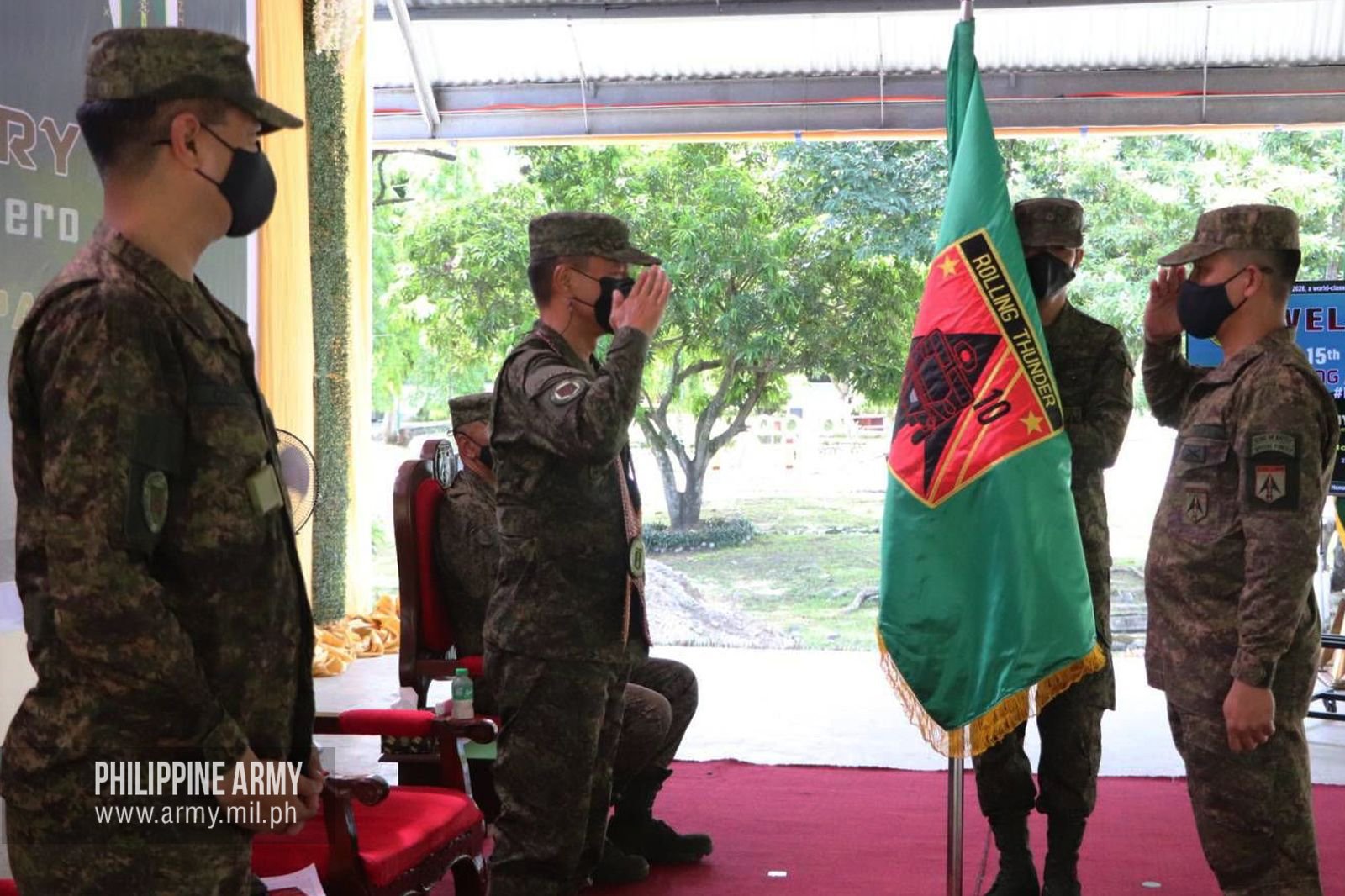
- The Philippine Army increased troop deployment to 11,900 for the BARMM elections, highlighting security concerns.
- COMELEC aims for over 80% voter turnout, with 6,500 machines set for distribution across 5,212 precincts.
- The election period includes a gun ban and checkpoints, running through September 29.
- AFP and PNP are actively involved, with support from President Marcos Jr. under Memorandum Order No. 48.
- Final testing and sealing of voting machines are scheduled for September 12, ahead of the September 14 elections.
Source: Open external resource
Source: Read original article
The Philippine Army’s recent deployment of 11,900 troops to the Bangsamoro Autonomous Region in Muslim Mindanao (BARMM) elections underscores a significant escalation in security measures. This move comes as the region prepares for its first-ever parliamentary elections on September 14, with officials prioritizing peace and security over logistical challenges.
COMELEC has been working tirelessly to ensure that all election materials and voting machines are delivered on time. The aim is to achieve a voter turnout exceeding 80%, a target that reflects the importance of these elections in the region. The deployment of ballots and paraphernalia is on track, with final testing scheduled for September 12.
The involvement of the Armed Forces of the Philippines (AFP), the Philippine National Police (PNP), and other agencies highlights the critical nature of these elections. The presence of nearly 12,000 troops is not just about maintaining order; it is a test of the region’s ability to conduct a credible and peaceful election.
As the election day approaches, the focus remains on whether this heightened security presence will prevent violence or become a point of contention. The outcome of these elections will have lasting implications for the region’s political landscape and the trust in its democratic processes.
The most telling quote in the latest wave of reporting came from Commission on Elections chair George Erwin Garcia, who said, “Peace and security must come first,” underscoring that the core issue is not just logistics but whether the region can hold a credible vote without intimidation or violence. COMELEC said on September 8 that it expects election materials to reach the towns during the day, and that teachers should receive the machines before September 11.
Earlier COMELEC reporting said 6,500 machines were to be delivered for those precincts, and Garcia said voter turnout is hoped to exceed 80 percent. On September 7, COMELEC said deployment of ballots from hubs to municipalities was underway and aimed for completion before September 8.
On September 8, Garcia said preparations were on track and delivery of paraphernalia to the concerned towns was expected to be completed that day. The next hard checkpoint is September 12, when final testing and sealing happens region-wide; the main event is the September 14 election; and the election period, including the gun ban and checkpoints, runs through September 29.
In reporting from the August 26 final command conference in Maguindanao del Norte, Army chief Lt. In the September 1 GMA report, AFP spokesperson Col.
Earlier reporting identified the forces as coming from the 1st, 6th and 11th Infantry Divisions, with support from special units, and the election itself is set for September 14. Final testing and sealing of all voting machines is scheduled for September 12 across 5,212 precincts.
COMELEC aims for over 80% voter turnout, with 6,500 machines set for distribution across 5,212 precincts. The involvement of the Armed Forces of the Philippines (AFP), the Philippine National Police (PNP), and other agencies highlights the critical nature of these elections.
The election period includes a gun ban and checkpoints, running through September 29. Earlier COMELEC reporting said 6,500 machines were to be delivered for those precincts, and Garcia said voter turnout is hoped to exceed 80 percent.
On September 7, COMELEC said deployment of ballots from hubs to municipalities was underway and aimed for completion before September 8. On September 8, Garcia said preparations were on track and delivery of paraphernalia to the concerned towns was expected to be completed that day.
The next hard checkpoint is September 12, when final testing and sealing happens region-wide; the main event is the September 14 election; and the election period, including the gun ban and checkpoints, runs through September 29. In the September 1 GMA report, AFP spokesperson Col.
com The Philippine Army increased troop deployment to 11,900 for the BARMM elections, highlighting security concerns. AFP and PNP are actively involved, with support from President Marcos Jr.
The scale and speed of this development has caught many observers off guard. Each new update adds another dimension to a story that is still unfolding, and the full picture will only become clear as more verified details emerge from the people and institutions directly involved.
Analysts who have tracked this issue closely say the current moment represents a genuine turning point. The decisions made in the coming weeks are expected to set the direction for months ahead, with ripple effects likely to extend well beyond the immediate actors in the story.
For those directly affected, the practical impact is already visible. People navigating this fast-changing situation are dealing with real consequences while new information continues to reshape what is known and what remains open to interpretation.
Historical parallels offer some context, though experts caution against drawing too close a comparison. Similar situations have played out before, but the specific combination of pressures, personalities, and timing here makes this moment distinct in ways that matter for how it ultimately resolves.
The political and economic dimensions of this story are deeply intertwined. What appears as a single event on the surface is in practice the convergence of multiple pressures that have been building quietly over a longer period than most public reporting has captured.