58.3 F
San Francisco
Wednesday, July 1, 2026
Home Blog Page 194

OpenAI Pentagon Deal Update Highlights Critical Limits on Defense AI

The evolving relationship between artificial intelligence companies and national defense institutions has entered a new phase. OpenAI has confirmed that it is updating elements of its agreement with the United States Department of Defense to clarify how its AI systems may be deployed within military environments.

The clarification comes amid growing public scrutiny surrounding the role of advanced AI tools in defense operations. By adjusting the language of its Pentagon agreement, OpenAI is seeking to establish clearer operational boundaries while reinforcing its internal principles regarding responsible deployment.

The development signals a broader moment of transition for both the technology industry and national security institutions as artificial intelligence capabilities expand rapidly.

Background of the Pentagon Agreement

The agreement between OpenAI and the U.S. Department of Defense was first disclosed as part of a broader effort to modernize digital infrastructure within classified government environments. The arrangement involves deploying select artificial intelligence tools within secure defense networks to support internal workflows, data processing, and operational analysis.

While exact technical specifications remain undisclosed due to security protocols, officials familiar with the matter indicated that the systems are intended for structured analytical tasks rather than autonomous weapon systems.

At the time of announcement, OpenAI emphasized that its participation would align with clearly defined usage principles. However, as public discussion intensified around military applications of AI, questions emerged regarding how intelligence agencies might access or expand the scope of those tools.


Why OpenAI Is Revising the Contract

OpenAI leadership stated that the contract language required refinement to ensure there is no ambiguity about the boundaries of use within defense systems.

According to company statements, the amendment clarifies that AI services deployed under the current agreement cannot be used by intelligence agencies within the Department of Defense without a separate contractual modification.

This clarification does not terminate or suspend the partnership. Instead, it narrows and defines its scope. The update reinforces that any expanded application would require additional review, approval, and oversight mechanisms.

By taking this step, OpenAI appears to be proactively addressing potential concerns before they escalate into broader regulatory or political debates.


OpenAI and Intelligence Agency Boundaries

OpenAI Reinforces Operational Limits

One of the most sensitive aspects of the defense agreement centers on intelligence community involvement. The clarification explicitly states that intelligence entities within the Department of Defense, including those responsible for signals intelligence and surveillance operations, cannot automatically integrate OpenAI systems under the existing framework.

This separation introduces a procedural safeguard. If intelligence agencies seek access to those AI tools, the contract would need to undergo formal modification.

Such a requirement establishes a legal checkpoint. It also ensures that OpenAI retains visibility and influence over how its systems are used in high-risk or highly classified contexts.

Why This Distinction Matters

The distinction between general defense use and intelligence agency deployment is significant. Intelligence operations often involve surveillance data, interception technologies, and sensitive geopolitical analysis.

By requiring explicit authorization for expanded use, OpenAI is drawing a structural line between operational support functions and intelligence-driven applications.

Observers note that this distinction could become a model for future AI contracts across government sectors.


AI Deployment Inside Classified Networks

The Pentagon agreement includes the deployment of certain OpenAI tools within classified defense environments. These systems are reportedly designed to assist with structured information analysis, internal communications support, and workflow automation.

Officials have not indicated that the systems will control weapons or autonomous battlefield technologies. Instead, the focus appears to be on decision-support tools.

Deploying AI inside classified networks presents unique challenges. Systems must operate within secure infrastructure, comply with strict cybersecurity requirements, and meet federal oversight standards.

OpenAI’s involvement suggests that advanced AI models are increasingly viewed as strategic infrastructure components rather than experimental technologies.


Ethical Guardrails in Military AI

The broader debate around military AI deployment continues to intensify globally. Governments are exploring machine learning systems for logistics, intelligence analysis, cybersecurity defense, and strategic modeling.

OpenAI has publicly maintained that its systems must adhere to internal principles governing responsible AI usage. By updating its Pentagon agreement, the company appears to be formalizing those guardrails within contractual language.

Experts in technology governance argue that embedding ethical boundaries directly into contracts represents a new phase in AI oversight. Instead of relying solely on voluntary corporate statements, agreements now include structured restrictions.

This development may signal a shift in how technology firms negotiate high-stakes government partnerships.


Policy and Oversight Considerations

Lawmakers and policy analysts have increasingly scrutinized the intersection of artificial intelligence and defense institutions.

The clarification issued by OpenAI may help address several policy concerns:

First, it establishes clearer transparency about how AI tools can and cannot be used under the agreement.

Second, it introduces a procedural requirement for expansion, reducing the risk of quiet scope creep.

Third, it aligns with broader calls for stronger oversight frameworks governing AI deployment in national security settings.

While regulatory structures for military AI remain under development, contractual guardrails may serve as interim mechanisms.


Industry Response to OpenAI’s Clarification

The technology sector is watching closely. Artificial intelligence firms are balancing commercial opportunities in government partnerships with reputational risks tied to military involvement.

Some industry observers see the amendment as a prudent move. By defining boundaries early, OpenAI reduces ambiguity and potential backlash.

Others note that defense partnerships are becoming increasingly common across the AI landscape. As competition intensifies globally, governments are seeking advanced AI capabilities to maintain strategic advantages.

In that environment, OpenAI’s structured clarification may become a template for future agreements.


Global Implications for Defense AI

The clarification arrives at a time when international competition around AI technologies is accelerating.

Defense agencies in multiple countries are integrating machine learning tools into command systems, logistics planning, cybersecurity operations, and intelligence analytics.

The approach taken by OpenAI could influence how other companies structure defense partnerships. Formal limitations embedded in contracts may become a standard expectation rather than an exception.

Global norms for military AI are still emerging. Some nations advocate international agreements restricting autonomous weapon systems, while others prioritize rapid innovation.

By refining its Pentagon agreement, OpenAI enters that broader geopolitical conversation.


The Future of OpenAI in Government Partnerships

The updated agreement does not signal withdrawal from defense collaboration. Instead, it suggests a recalibration.

OpenAI remains positioned as a key participant in secure AI infrastructure development. However, the company is asserting greater control over how and where its systems operate.

As artificial intelligence becomes increasingly embedded in government systems, clarity will likely become as important as capability.

The current clarification may represent an early example of how private AI companies navigate the tension between innovation, national security, and ethical responsibility.


Conclusion

The decision to refine the Pentagon agreement marks a defining moment in the relationship between technology firms and defense institutions.

By clarifying limits and reinforcing contractual boundaries, OpenAI is shaping how advanced AI systems enter sensitive government environments.

The move does not slow the expansion of AI in defense contexts. Instead, it signals that future deployments may be governed by more explicit guardrails.

As artificial intelligence continues to transform strategic operations worldwide, the structure of agreements like this one may determine how responsibly that transformation unfolds.
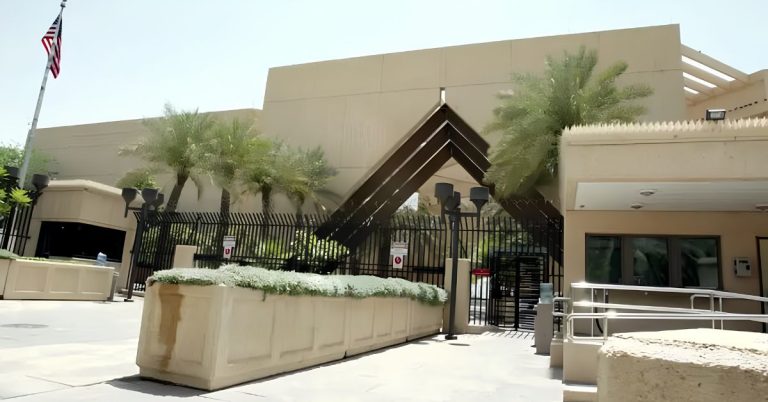
US Embassy in Riyadh Struck in Dangerous Drone Attack

0

The US Embassy in Riyadh became the focal point of heightened diplomatic concern after two drones struck the American diplomatic compound in the Saudi capital’s Diplomatic Quarter early Tuesday morning. Saudi authorities confirmed the incident, describing the damage as limited and reporting no injuries.

While the structural impact appears minor, the symbolism of an attack on a diplomatic mission carries weight far beyond the physical damage. The incident has reignited concerns over regional security and the growing use of drone technology in geopolitical confrontations.

The early morning strike on the US Embassy occurred at a time of escalating tensions across the Middle East. Regional alliances, military operations, and retaliatory measures have created a fragile security environment in which diplomatic facilities often become symbolic targets.

Immediate Details of the Incident

According to Saudi defense officials, two drones entered restricted airspace shortly before dawn and impacted the diplomatic compound housing the US Embassy. Witnesses in nearby residential areas reported hearing an explosion followed by visible flames rising above the embassy perimeter.

Emergency services responded within minutes. Fire crews contained a small blaze that broke out within part of the compound. Authorities later confirmed that no American or Saudi personnel were injured.

Security officials indicated that parts of the US Embassy were not fully occupied at the time due to routine early morning staffing levels. This timing likely minimized the risk of casualties.

Investigators are now analyzing debris from the drones to determine their origin and technical configuration. Officials have not yet publicly attributed responsibility.


Security Response at the Diplomatic Quarter

The Diplomatic Quarter in Riyadh is considered one of the most secure areas in the city. It hosts numerous foreign missions, diplomatic residences, and international organizations. Following the incident, Saudi security forces sealed off access roads and expanded patrols throughout the zone.

The perimeter surrounding the US Embassy was reinforced with additional checkpoints and surveillance monitoring. Officials stated that airspace monitoring systems are under review to assess how the drones managed to penetrate restricted zones.

Although physical damage was described as limited, authorities are conducting a comprehensive structural assessment inside the compound. The US Embassy continues to operate, though certain services may experience temporary procedural adjustments during the review.


The Strategic Importance of the US Embassy in Riyadh

The US Embassy in Riyadh represents more than a diplomatic office. It is a central hub for bilateral coordination between Washington and Riyadh on matters ranging from defense cooperation to economic investment and regional security.

Saudi Arabia remains a key strategic partner of the United States in the Gulf. The embassy facilitates military coordination, intelligence sharing, and energy market discussions. For this reason, any incident involving the US Embassy carries symbolic geopolitical significance.

Diplomatic observers emphasize that embassies function as extensions of sovereign territory. Under international law, they are entitled to protection by host governments. An attack on such a facility can therefore trigger diplomatic consultations and security reassessments at the highest levels.


Drone Warfare and Changing Conflict Dynamics

The incident highlights the evolving nature of modern conflict. Drones have transformed regional security calculations. Their relative affordability and mobility allow actors to carry out targeted strikes without deploying traditional military forces.

The targeting of a US Embassy illustrates how unmanned systems are increasingly used to send strategic signals. While the damage in Riyadh appears limited, the psychological and diplomatic impact is substantial.

Defense analysts note that drone technology continues to advance in precision, range, and stealth capability. As a result, diplomatic facilities worldwide are reassessing security protocols.


Diplomatic Implications

An attack on a US Embassy often reverberates across international diplomatic channels. Even when injuries are avoided, the act itself can influence negotiations, defense posture, and intelligence operations.

Washington is expected to coordinate closely with Saudi authorities regarding the investigation. Additional security measures may be implemented not only at the Riyadh compound but also at other American diplomatic sites in the region.

Historically, incidents involving a US Embassy have prompted broader reviews of regional policy. However, officials have emphasized restraint while investigations continue.


Impact on American Citizens in Saudi Arabia

Following the incident, advisory notices were issued to American citizens residing in Saudi Arabia. While daily life in Riyadh continues without disruption, the US Embassy urged citizens to remain vigilant and monitor official communications.

Consular operations remain active. However, precautionary adjustments may be implemented as security evaluations proceed. The embassy reiterated that no injuries were reported and that local authorities responded swiftly.

American residents in Jeddah and Dhahran were also advised to stay informed. The US Embassy emphasized coordination with Saudi security services to ensure continued safety.


Saudi Arabia’s Security Posture

Saudi Arabia has invested heavily in air defense systems, particularly in response to prior drone and missile attacks targeting infrastructure. The latest strike near the US Embassy raises questions about how emerging technologies can bypass traditional defensive layers.

Security officials are reviewing radar coverage, interception readiness, and response timing. Analysts suggest that even sophisticated defense networks face challenges when confronting small, low-altitude unmanned aerial vehicles.

The Saudi government reaffirmed its commitment to protecting diplomatic missions within its borders. Safeguarding the US Embassy and other foreign compounds remains a priority.


Regional Context and Escalating Tensions

The attack unfolded amid rising tensions between regional powers. Recent military actions and retaliatory measures have contributed to a volatile atmosphere across the Gulf.

Saudi Arabia’s alignment with U.S. security initiatives places the US Embassy at the intersection of broader geopolitical currents. While no direct link has been officially established between the Riyadh incident and other regional events, analysts view the timing as significant.

The Gulf region has experienced periodic drone activity targeting energy facilities, military installations, and symbolic infrastructure. The targeting of the US Embassy reflects how diplomatic sites can become focal points during periods of tension.


International Law and Protection of Diplomatic Missions

Under the Vienna Convention on Diplomatic Relations, host states are obligated to protect foreign diplomatic missions. Attacks against such facilities are widely condemned in international forums.

The breach near the US Embassy will likely be examined through the lens of international legal obligations. Even if damage is minimal, the incident underscores the importance of maintaining secure diplomatic environments.

Global security experts note that embassies must adapt to evolving threats while preserving openness for diplomatic engagement.


Broader Implications for Gulf Stability

The Gulf region plays a critical role in global energy markets and international trade routes. Instability affecting diplomatic compounds, including the US Embassy, can reverberate beyond national borders.

Financial markets often respond sensitively to regional security developments. Although the immediate impact of the Riyadh incident appears contained, policymakers remain alert to potential ripple effects.

Security analysts caution that symbolic strikes can escalate tensions if not managed carefully through diplomatic channels.


The Future of Embassy Security

Security reviews are expected to assess both structural resilience and rapid-response protocols. Coordination between U.S. and Saudi authorities will shape next steps.

The incident in Riyadh reinforces a broader reality: diplomatic security strategies must evolve alongside technological change. Protecting a US Embassy today requires not only perimeter defenses but also advanced aerial monitoring systems.

While the immediate threat appears contained, the event serves as a reminder that embassies remain visible symbols of national presence abroad.


Conclusion

The drone strike near the US Embassy in Riyadh did not result in injuries, but its implications extend beyond structural damage. In a region already navigating complex geopolitical dynamics, such incidents amplify concerns about stability and security.

Authorities continue to investigate the origin of the drones and evaluate defensive measures. For now, diplomatic operations proceed under heightened vigilance.

The US Embassy remains operational, underscoring a commitment to continuity despite emerging challenges. As regional tensions evolve, safeguarding diplomatic institutions will remain central to maintaining stability and preventing further escalation.

Trump Iran Strikes Set Off Constitutional Fight on Capitol Hill

0

Washington — A widening political and constitutional confrontation is unfolding on Capitol Hill following the latest U.S. military operation in the Middle East.

The debate over Trump Iran strikes has quickly moved beyond foreign policy and into the core of America’s constitutional framework. Lawmakers from both parties are now grappling with questions that have shaped U.S. governance for decades: Who has the authority to initiate military force, and under what circumstances can a president act without prior congressional approval?

The operation, carried out in coordination with Israeli forces, targeted Iranian military assets believed to be tied to missile systems and regional command networks. Administration officials described the mission as limited and defensive. Critics, however, argue that the action risks entangling the United States in a broader regional conflict without explicit authorization from Congress.

The Trump Iran strikes have therefore become not only a flashpoint in U.S.–Iran relations, but also a defining political battle in Washington.


Trump Iran Strikes Deepen Partisan Divide in Washington

The Trump Iran strikes have drawn immediate and sharply divided reactions from congressional leaders. Republican lawmakers largely defended the president’s authority as commander in chief, arguing that swift action was necessary to deter imminent threats to American personnel and interests in the region.

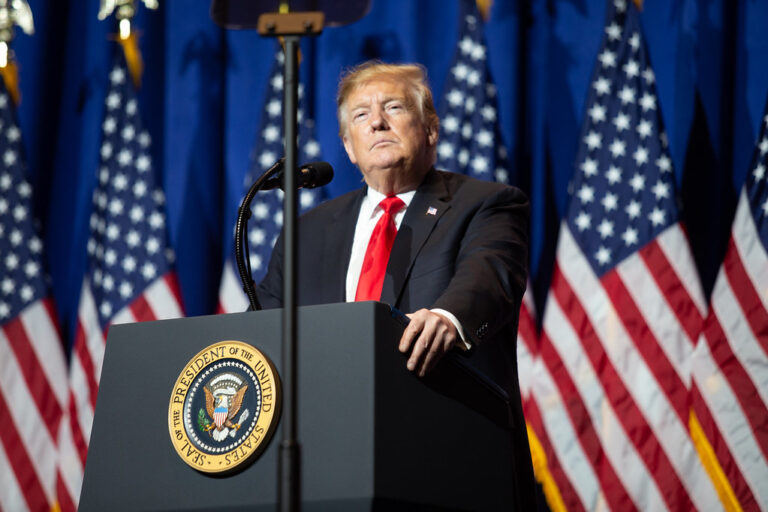
President Donald Trump has long argued that decisive military posture strengthens deterrence. Senior administration officials, including Marco Rubio, Pete Hegseth, John Ratcliffe and Dan Caine, participated in classified briefings with congressional leadership, outlining the intelligence assessments that preceded the operation.

According to officials familiar with the briefing, U.S. intelligence suggested that Israeli forces were prepared to move against Iranian targets regardless of Washington’s participation. American planners, they said, believed that U.S. assets in the region would likely face retaliation. That possibility, they argued, constituted a credible and imminent threat.

Supporters of the operation insist that presidents historically retain authority to conduct limited strikes to protect American lives without waiting for a formal declaration of war. They point to decades of precedent in which administrations from both parties have launched targeted actions under Article II powers.

Still, Democrats counter that the Trump Iran strikes cross a line that requires congressional consultation and authorization. Several senators said the administration’s explanation has shifted in recent days, moving from concerns over nuclear development to broader regional security claims.

The intensity of the debate underscores how the Trump Iran strikes have become a defining test of executive power in a deeply polarized Congress.


Political Fallout From Trump Iran Strikes

The political consequences of the Trump Iran strikes are unfolding in real time. Democratic leaders have announced plans to introduce a resolution aimed at limiting further military engagement unless Congress explicitly approves it.

Senators on the Intelligence and Armed Services Committees have requested additional classified briefings, seeking clarity on the nature of the alleged imminent threat. Lawmakers say that when American service members are placed in harm’s way, evidence must be clear, consistent and compelling.

The Trump Iran strikes have also intensified scrutiny over how the administration communicates its national security rationale. Critics argue that multiple justifications including missile deterrence, force protection and strategic signaling have been presented in rapid succession.

Republican leaders maintain that such framing reflects the complexity of modern conflict rather than inconsistency. They say evolving intelligence assessments can shape how an operation is publicly described without undermining its legitimacy.

Beyond Congress, the Trump Iran strikes are reverberating through the broader political landscape. Advocacy groups on both sides are mobilizing. Some national security analysts warn that failure to act decisively would embolden adversaries. Others caution that military escalation without legislative backing could weaken democratic norms.

Public opinion polls conducted in the days following the operation show Americans divided. A segment of voters supports assertive military posture, particularly if it deters attacks against U.S. personnel. Another portion expresses concern about the potential for a prolonged regional war.

As the political fallout continues, the Trump Iran strikes have become central to the broader narrative of presidential authority and accountability.


Legal Questions Surround Trump Iran Strikes

The constitutional debate surrounding the Trump Iran strikes centers on the balance of powers between Congress and the presidency.

Article I of the U.S. Constitution grants Congress the authority to declare war. Article II designates the president as commander in chief of the armed forces. Over time, successive administrations have interpreted these provisions to permit limited military actions without formal declarations.

The War Powers Resolution of 1973 attempted to clarify this tension, requiring presidents to notify Congress within 48 hours of deploying armed forces into hostilities and limiting operations to 60 days without authorization. Yet legal scholars note that its enforcement mechanisms remain politically, rather than judicially, driven.

The Trump Iran strikes have revived longstanding questions about how “imminent threat” is defined. Does intelligence indicating likely retaliation qualify? Must there be clear evidence of an immediate attack? And who ultimately decides?

Some constitutional experts argue that modern security realities demand rapid response capabilities that legislative processes cannot always accommodate. Others warn that expanding executive discretion erodes the constitutional safeguard designed to prevent unilateral war-making.

Several lawmakers have stated that regardless of party affiliation, Congress must reassert its institutional role. They contend that failure to do so risks setting precedent for future administrations.

The Trump Iran strikes therefore represent more than a single military action. They are a catalyst for renewed examination of constitutional boundaries in an era of evolving threats.


Regional and Global Reaction to Trump Iran Strikes

International reaction to the Trump Iran strikes has been measured but watchful. Middle Eastern governments have issued cautious statements urging restraint and de-escalation. European allies have called for diplomatic engagement to prevent further instability.

Iranian officials condemned the operation as unlawful aggression and signaled that retaliation would be calibrated but firm. Military analysts note that Tehran often responds asymmetrically, relying on regional proxies and cyber capabilities rather than direct confrontation.

The Trump Iran strikes have also prompted discussions at the United Nations, where diplomats emphasized the importance of avoiding a broader conflict that could disrupt energy markets and global shipping routes.

Financial markets reacted with short-term volatility, particularly in oil futures. Energy analysts said that while immediate supply disruptions were not evident, the risk premium attached to regional instability increased.

In Israel, government officials defended the coordinated approach, arguing that shared intelligence and aligned objectives strengthened deterrence. The partnership between Washington and Jerusalem has long included strategic cooperation against perceived regional threats.

The Trump Iran strikes thus carry implications beyond bilateral relations. They influence alliances, deterrence dynamics and global economic stability.


Military Strategy and Strategic Calculations

From a strategic standpoint, the operation appears designed to send a targeted message rather than initiate sustained conflict. Defense officials described the strike package as precise and time-limited.

Military planners often calibrate such operations to achieve multiple objectives simultaneously: degrade capabilities, signal resolve and avoid triggering uncontrollable escalation. Analysts say balancing those aims is inherently complex.

The Trump Iran strikes were reportedly focused on facilities linked to missile infrastructure and command networks. By narrowing the scope, officials sought to demonstrate restraint while asserting deterrence.

Yet strategic calculations rarely unfold in isolation. Regional actors interpret actions through their own security lenses. A move intended as limited may be perceived as aggressive. That perception gap can drive retaliatory cycles.

As defense analysts evaluate the aftermath, they note that deterrence is not static. It depends on credibility, communication and consistency. The Trump Iran strikes will therefore be assessed not only for their immediate tactical impact, but also for how they shape longer-term regional behavior.


Congressional Next Steps and the Road Ahead

In the coming days, Congress is expected to hold additional hearings and potentially vote on resolutions related to the Trump Iran strikes. While such measures may face procedural hurdles, they reflect growing bipartisan interest in clarifying war powers boundaries.

Some lawmakers have proposed amendments requiring explicit authorization for future operations beyond defensive force protection. Others advocate for broader reforms to the War Powers Resolution.

The administration, for its part, has signaled openness to further briefings while defending the legality of its actions. Officials argue that consultation occurred with leadership and that notification requirements were satisfied.

Whether the Trump Iran strikes ultimately lead to legislative change remains uncertain. Historically, moments of heightened tension often generate calls for reform that fade as immediate crises subside.

However, the depth of the current debate suggests a more sustained reckoning may be underway. Lawmakers across the ideological spectrum appear aware that the constitutional balance between executive agility and legislative oversight is increasingly tested by modern conflict.


Conclusion

The Trump Iran strikes have become a pivotal moment in U.S. politics and foreign policy. What began as a targeted military operation has evolved into a broader confrontation over constitutional authority, strategic judgment and democratic accountability.

As Congress weighs its options and the administration defends its decision-making, the outcome will shape not only the trajectory of U.S.–Iran relations but also the institutional norms governing American military power.

In the weeks ahead, the Trump Iran strikes will likely remain at the center of national debate, influencing legislative agendas, campaign narratives and America’s posture on the global stage.

PCOS Crisis Deepens as GLP-1 Drug Prescriptions Surge

0

The medical conversation around PCOS is entering a new phase as doctors across the United States report growing interest in GLP-1 Drug therapies among women seeking relief from the complex hormonal condition.

For decades, women diagnosed with the disorder have navigated a patchwork of treatments aimed at managing irregular menstrual cycles, infertility concerns, weight fluctuations and metabolic risks. Now, medications originally designed for diabetes and obesity are reshaping how clinicians approach care.

The shift reflects not only advances in pharmaceutical science but also a broader reassessment of how metabolic health intersects with reproductive function.

Polycystic ovary syndrome affects millions of women globally. It is considered one of the most common endocrine disorders among women of reproductive age. Yet despite its prevalence, many patients describe long diagnostic delays, inconsistent treatment strategies and limited long-term guidance.

What makes the condition especially challenging is its variability. Some women primarily experience fertility difficulties. Others struggle with insulin resistance and rapid weight gain. Still others develop acne, thinning scalp hair or excess facial hair due to elevated androgen levels. In many cases, symptoms evolve over time.

At its core, the disorder is frequently tied to metabolic dysfunction. Insulin resistance plays a central role for a significant number of patients. When the body produces excess insulin, ovarian hormone production can become disrupted, leading to irregular ovulation and hormonal imbalance.

That metabolic connection has become central to the recent surge in GLP-1 Drug prescriptions.

PCOS and the Metabolic Connection

To understand why GLP-1 Drug therapies are being discussed in this context, physicians point first to insulin resistance. Elevated insulin levels can stimulate androgen production in the ovaries. Higher androgen levels may interfere with ovulation, contributing to irregular menstrual cycles and fertility complications.

Over time, untreated metabolic dysfunction can increase the risk of type 2 diabetes and cardiovascular disease. For women living with PCOS, these long-term health concerns extend beyond reproductive planning.

GLP-1 Drug medications work by mimicking a naturally occurring hormone that helps regulate blood sugar and appetite. They slow gastric emptying, increase feelings of fullness and improve insulin sensitivity. For individuals with metabolic imbalance, these effects can support weight reduction and better glucose control.

In women diagnosed with PCOS who also struggle with insulin resistance, clinicians are observing improvements in metabolic markers. Some patients report more consistent menstrual cycles after achieving moderate weight loss. Others see reductions in fasting insulin levels and inflammatory markers.

However, experts caution that large-scale trials specifically focused on this population remain limited. While real-world prescribing trends are increasing, controlled research is still evolving.

A Condition Long Underrecognized

For years, advocacy groups have argued that PCOS has not received proportional research attention compared to its prevalence. The disorder’s broad symptom profile has often led to fragmented care across specialties. A patient may see a gynecologist for irregular cycles, a dermatologist for acne and an endocrinologist for insulin resistance without an integrated treatment plan.

That fragmentation can delay diagnosis. Some women are not formally diagnosed until they attempt pregnancy. Others learn of the condition during evaluations for metabolic syndrome.

The increased visibility of GLP-1 Drug therapy has coincided with renewed awareness campaigns about early screening and long-term health risks.

Physicians emphasize that early intervention is critical. Adolescents presenting with persistent irregular cycles or significant acne may benefit from hormonal testing and metabolic evaluation. Addressing insulin resistance early can reduce long-term complications.

Treatment Approaches Before GLP-1 Drug Expansion

Historically, treatment for PCOS focused on symptom management. Oral contraceptives have been widely prescribed to regulate menstrual cycles and reduce androgen-related symptoms. Metformin, a long-standing insulin-sensitizing medication, has also been commonly used.

While these treatments remain important tools, they do not work equally for every patient. Some women experience gastrointestinal side effects from metformin. Others see limited improvement in ovulation patterns despite hormonal therapy.

Weight management has always been part of care discussions, particularly for patients with insulin resistance. Yet clinicians acknowledge that weight loss can be uniquely challenging in this population. Hormonal imbalance may alter appetite regulation and fat distribution patterns.

GLP-1 Drug therapy represents a different mechanism — targeting appetite signaling pathways while improving insulin response. The medication does not cure the disorder, but it may address one of its key drivers.

Emerging Patient Experiences

Across clinics, physicians describe patients who begin GLP-1 Drug treatment primarily for metabolic reasons and subsequently notice improvements in cycle regularity. Some fertility specialists report patients achieving spontaneous ovulation after moderate weight reduction.

It remains unclear whether improvements stem directly from hormonal modulation or indirectly from weight loss and improved insulin sensitivity. Researchers are actively studying this distinction.

Not every patient is a candidate. Lean individuals with PCOS who do not exhibit significant insulin resistance may respond differently. Specialists emphasize the importance of individualized assessment before initiating therapy.

Cost and insurance coverage also influence access. Many insurers approve GLP-1 Drug prescriptions for diabetes or obesity but not explicitly for this diagnosis. As a result, some patients face out-of-pocket expenses.

Lifestyle Still Matters

Even as medication discussions expand, physicians repeatedly stress that sustainable management of PCOS depends on foundational lifestyle strategies.

Dietary adjustments remain central. A low-glycemic approach emphasizing whole grains, lean proteins, healthy fats and high-fiber vegetables can stabilize blood sugar levels. Reducing refined carbohydrates and sugary beverages supports insulin balance.

Exercise improves insulin sensitivity independently of weight loss. Resistance training and aerobic activity both contribute to metabolic health. Sleep quality and stress management further influence hormonal regulation.

GLP-1 Drug therapy may enhance adherence to dietary goals by moderating appetite signals. However, clinicians caution against viewing medication as a replacement for healthy habits.

Long-Term Questions

The rapid rise in GLP-1 Drug use has sparked important research questions. How safe is long-term therapy in younger women? What are the implications for pregnancy planning? Does extended metabolic improvement reduce cardiovascular risk in this population?

For patients with PCOS who hope to conceive, timing becomes critical. Many physicians recommend discontinuing GLP-1 Drug therapy before pregnancy attempts due to limited safety data during gestation.

Researchers are also exploring whether combination therapy — pairing GLP-1 Drug medications with other insulin modulators — could produce additive benefits.

Large randomized trials specifically targeting this population would help clarify these uncertainties. Until then, clinical decisions rely on individual risk profiles and shared decision-making.

Broader Health Implications

The discussion extends beyond fertility. Women with PCOS face higher rates of hypertension, dyslipidemia and impaired glucose tolerance. Addressing metabolic dysfunction early may have long-term protective effects.

Cardiologists are increasingly recognizing the condition as a cardiovascular risk factor. Preventive care strategies now often include regular monitoring of blood pressure, cholesterol and fasting glucose levels.

The intersection between reproductive endocrinology and cardiometabolic medicine underscores the need for integrated care models.

Shifting the Narrative

For many patients, receiving a diagnosis brings mixed emotions relief at having an explanation, frustration over delayed recognition and uncertainty about future health.

The expansion of GLP-1 Drug therapy has added a new dimension to treatment conversations. Some women describe feeling empowered by additional options. Others remain cautious about potential side effects or long-term reliance on medication.

Physicians emphasize transparency. Not every patient will respond the same way. Some may prioritize fertility outcomes. Others may focus on metabolic health or symptom control.

The key message from specialists is balance. PCOS is a chronic condition requiring ongoing management rather than a short-term fix.

The Road Ahead

As awareness grows, so does advocacy for dedicated research funding. Experts argue that understanding the genetic, environmental and metabolic contributors to PCOS will improve precision treatment approaches.

Public health initiatives may also play a role. Early screening programs, particularly for adolescents with risk factors, could reduce complications later in life.

GLP-1 Drug therapies are likely to remain part of the evolving conversation. Whether they become standard treatment for metabolic subtypes of PCOS depends on forthcoming research and policy decisions.

What is clear is that the condition is receiving renewed attention from both patients and providers. The shift reflects a broader understanding that reproductive health cannot be separated from metabolic well-being.

For millions of women navigating PCOS, the emergence of additional therapeutic tools offers cautious optimism accompanied by the reminder that sustainable care requires comprehensive, individualized strategies.

Gulf Cities Crisis Deepens as Iran Rejects Talks With US in Escalating Conflict

The stability of Gulf cities has come under renewed scrutiny after Iran rejects talks with US officials, signaling a deepening diplomatic freeze at a moment of heightened military tension across the Middle East.

Over recent days, security alerts, defensive interceptions and political warnings have placed Gulf cities at the center of global attention. While governments in the region insist that infrastructure remains secure and daily life continues uninterrupted, the atmosphere has shifted noticeably. Markets, airlines and foreign ministries are watching closely as events unfold.

The declaration that Iran rejects talks with US leadership represents a significant diplomatic setback. Analysts say it narrows immediate options for de-escalation, raising concerns that miscalculation could increase risks across sensitive areas tied to Gulf cities.

Rising Regional Pressure

The Middle East has entered a period of heightened uncertainty, with Gulf cities emerging as symbolic and strategic focal points. These urban centers are not only political capitals but also financial engines that connect Asia, Europe and Africa.

Reports of explosions and aerial defense activity triggered alerts across several parts of the region. Though authorities have not released detailed operational assessments, officials confirmed that defensive systems were activated as a precaution.

For residents living in Gulf cities, the developments served as a reminder of the region’s delicate security balance. While previous tensions have flared and receded, the latest diplomatic language suggests a more entrenched standoff.

International investors also reacted swiftly. Gulf cities play a central role in global trade routes and energy logistics, meaning instability in these areas can ripple far beyond regional borders.


Iran Rejects Talks With US

At the heart of the crisis is Tehran’s firm statement that Iran rejects talks with US officials under current circumstances.

The announcement came amid heightened rhetoric between both governments. Iranian officials framed their position as resistance against pressure, while Washington reiterated its defense commitments to allies in the region.

When Iran rejects talks with US representatives during active tensions, diplomatic channels become narrower and more fragile. Regional intermediaries who have historically helped manage escalation now face significant challenges.

The timing of the decision that Iran rejects talks with US negotiators has intensified concerns among analysts. Dialogue often acts as a pressure valve during volatile periods. Without it, strategic signaling becomes more dependent on military posture.

Experts note that while public declarations suggest rigidity, diplomacy in the Middle East frequently unfolds behind closed doors. Even when Iran rejects talks with US officials publicly, indirect communication can sometimes continue through third parties.

Still, the optics of the announcement have reinforced perceptions of division. Gulf cities, given their proximity to military installations and shipping lanes, remain central to how this standoff evolves.


Security Measures Across Gulf Cities

Authorities across Gulf cities have reinforced security protocols in response to recent developments. Additional patrols were deployed near key infrastructure, including ports, airports and energy facilities.

In several Gulf cities, emergency response systems were tested to ensure readiness. Officials emphasized that these measures are precautionary rather than reactive, designed to reassure the public and deter potential threats.

The visibility of security personnel has increased, particularly in commercial districts and near diplomatic missions. Residents report a cautious but orderly atmosphere.

Government spokespersons stressed that operations remain normal and that Gulf cities continue to function as regional business hubs. Schools remain open, flights continue to operate and public services are uninterrupted.

Nonetheless, the perception of vulnerability carries psychological weight. Gulf cities have long been viewed as stable anchors in a region prone to turbulence. Any sign of instability challenges that narrative.

Energy facilities located near coastal zones are under heightened surveillance. Given the global reliance on exports passing through waters adjacent to Gulf cities, safeguarding infrastructure is considered paramount.


Strategic Military Posturing

Military analysts describe the current posture as calibrated rather than expansive. Both sides appear intent on signaling resolve without triggering direct confrontation.

The proximity of Gulf cities to naval routes and air corridors gives them strategic significance. Defensive systems in these areas are designed to intercept potential threats quickly, minimizing risk to civilian populations.

When Iran rejects talks with US leadership, military readiness often becomes more visible. Deterrence messaging is communicated not only through statements but through positioning and preparedness.

US forces in the region continue coordination with allied governments to protect personnel and assets near Gulf cities. At the same time, regional governments are emphasizing sovereignty and defensive intent.

Analysts caution that prolonged tension increases the risk of accidental escalation. Gulf cities, due to their concentration of infrastructure and population, represent sensitive environments where even small incidents can attract global attention.


Economic and Energy Impact

Oil markets responded immediately to headlines emerging from Gulf cities. Prices fluctuated as traders evaluated the potential for disruption.

Energy flows through maritime corridors near Gulf cities account for a significant share of global supply. Even limited uncertainty can elevate risk premiums in pricing models.

Financial markets beyond the Middle East tracked developments closely. Investors recognize that stability in Gulf cities underpins broader trade and capital movement.

Business leaders headquartered in Gulf cities have activated contingency planning frameworks, though few have announced operational changes.

Economists note that while production levels remain steady, sentiment alone can influence volatility. The symbolic importance of Gulf cities amplifies their economic impact.


Aviation and Travel Disruptions

Airlines operating routes through Gulf cities adjusted flight paths as a precautionary measure.

Some carriers temporarily rerouted flights to avoid sensitive airspace. Aviation authorities coordinated closely to maintain safety standards while minimizing disruption.

The role of Gulf cities as international transit hubs means even short-term adjustments can affect global travel networks.

Passengers were advised to monitor flight updates, though airports continued operating normally. Officials emphasized that safety protocols are robust and that contingency plans remain in place.


Diplomatic Reactions

The decision that Iran rejects talks with US officials has drawn responses from governments across Europe and Asia.

Calls for restraint have intensified. Diplomats stress the importance of preventing further escalation that could destabilize Gulf cities and surrounding regions.

Some regional leaders have offered to facilitate indirect dialogue. Even when Iran rejects talks with US representatives publicly, diplomatic creativity sometimes emerges through intermediaries.

Observers say the coming days will test whether messaging remains rhetorical or evolves into concrete policy shifts.


Regional Stability and Global Stakes

The resilience of Gulf cities will be closely watched as tensions persist.

These urban centers represent more than geographic locations; they symbolize economic confidence and geopolitical alignment.

When Iran rejects talks with US officials, it introduces uncertainty not only for regional actors but for global partners invested in stability.

Strategists argue that all parties understand the high cost of escalation. Gulf cities host multinational corporations, financial institutions and expatriate communities whose safety is intertwined with regional peace.

While military readiness remains elevated, no government has indicated an intent to disrupt civilian infrastructure deliberately.


What Comes Next

The trajectory of this crisis remains uncertain.

If diplomatic avenues reopen despite the statement that Iran rejects talks with US leadership, tensions could stabilize. If not, Gulf cities may remain under heightened alert as strategic signaling continues.

Analysts emphasize that history shows rapid shifts are possible in Middle Eastern diplomacy. Even rigid public positions can soften under changing circumstances.

For now, Gulf cities stand at the intersection of military caution, economic calculation and political messaging.

Global markets, governments and residents alike await signs of whether dialogue will resume or whether the region will navigate a prolonged period of uncertainty shaped by hardened positions and strategic restraint.

Trump Iran conflict: 3 US troops killed, casualties likely

0

The Trump Iran conflict entered a more volatile phase Sunday after the president acknowledged that additional American casualties are likely as military operations intensify across the region.

The Trump Iran conflict has already resulted in the deaths of three US service members, with several others seriously wounded, according to US Central Command.

President Donald Trump addressed the nation in a recorded statement, confirming the losses and warning that the military campaign against Iranian targets may continue for weeks. The remarks come as retaliatory strikes ripple across the Persian Gulf, raising fears of wider instability.

Escalation of the Trump Iran conflict

The Trump Iran conflict intensified following coordinated US and Israeli strikes on key Iranian military infrastructure. According to US officials, the operations targeted facilities linked to missile production, drone deployment systems and Revolutionary Guard installations.

In his address, Trump defended the operation as necessary to prevent what he described as an escalating security threat. He stated that American forces acted to neutralize what he called “imminent dangers” to US personnel and regional allies.

While international observers have urged caution, the administration maintains that the action was defensive in nature.

The Trump Iran conflict marks one of the most direct confrontations between Washington and Tehran in recent years, with both sides signaling readiness for further engagement.


Casualties confirmed by US Central Command

United States Central Command confirmed that three American service members were killed during the latest phase of operations. Five additional troops were seriously wounded and are receiving treatment. Several others sustained minor injuries.

Officials declined to release identities pending notification of families.

The Trump Iran conflict represents the first confirmed US combat fatalities in this campaign. Military analysts say such losses underscore the risks of sustained engagement in a region saturated with missile capabilities and proxy forces.

Pentagon officials described the situation as “fluid,” indicating that further strikes remain possible as retaliation continues.


Military objectives and strategic messaging

In his remarks, Trump said the campaign aims to significantly degrade Iran’s military capabilities. He asserted that preventing the development of long-range strike systems and deterring regional aggression remain central goals.

The Trump Iran conflict, he said, is about sending a clear message that attacks on US forces will be met with decisive action.

Defense officials say hundreds of targets have been assessed and prioritized, though operational details remain classified.

Some independent experts note that while infrastructure can be damaged, strategic deterrence often depends on broader diplomatic and political factors.


Regional retaliation and Gulf tensions

Iran’s Revolutionary Guard Corps vowed a forceful response, launching missiles toward installations believed to house US personnel in the Gulf.

Explosions were reported near strategic sites in Bahrain and the United Arab Emirates. Air defense systems were activated in multiple locations.

The Trump Iran conflict has heightened concerns about shipping lanes in the Strait of Hormuz, a critical corridor for global energy supplies. Naval patrols have increased, and regional governments have strengthened security measures around oil infrastructure.

Security analysts warn that miscalculation could quickly expand the scope of hostilities.


European reaction and allied coordination

European leaders have urged restraint while reaffirming commitments to protect their own forces stationed in the Middle East.

The United Kingdom confirmed that limited defensive support would be provided to help intercept potential missile threats. Officials described the cooperation as focused strictly on defensive measures.

The Trump Iran conflict has placed allied governments in a delicate position — balancing solidarity with Washington against fears of broader regional destabilization.

Diplomatic channels remain open, though no formal negotiations have been announced.


Energy markets and global implications

Global energy markets reacted sharply to news of the escalation. Oil prices fluctuated as traders assessed the risk of supply disruptions in the Gulf.

Economists note that prolonged instability in the region could influence inflation, shipping costs and global supply chains.

The Trump Iran conflict is unfolding at a time of economic sensitivity, adding another layer of uncertainty for markets already navigating geopolitical volatility.


Intelligence assessments and nuclear concerns

Trump argued that Iranian capabilities posed an urgent concern, though international monitoring bodies have not publicly confirmed active weaponization efforts.

The Trump Iran conflict is therefore being closely examined through both military and intelligence lenses.

Some analysts suggest that military pressure may aim to reshape strategic calculations in Tehran, while others caution that escalation could harden positions on both sides.


Domestic political response

Lawmakers across party lines offered mixed reactions.

Supporters argue that the Trump Iran conflict demonstrates resolve in defending American personnel. Critics warn that sustained operations could entangle the US in a prolonged regional confrontation.

Public opinion polls show concern about troop safety and the financial cost of extended engagement.

Congressional briefings are expected in the coming days.


Duration and military outlook

When asked how long operations might continue, Trump said the campaign could last several weeks.

Military planners emphasize flexibility, noting that future developments will depend heavily on Iranian responses.

The Trump Iran conflict could evolve into a limited campaign focused on deterrence, or expand if retaliatory strikes intensify.

Experts stress that sustained air and missile exchanges increase the probability of further casualties.


What comes next in the Trump Iran conflict

Central Command continues coordinating with allied forces while monitoring regional activity.

Diplomatic intermediaries have reportedly begun informal outreach efforts aimed at preventing further escalation.

For now, the Trump Iran conflict remains a rapidly developing situation with military, economic and diplomatic dimensions.

Whether the confrontation stabilizes or deepens will depend on the next phase of strategic decisions on both sides.

As operations continue, the focus remains on troop safety, regional stability and the broader implications for global security.

Austin Bar: Three Dead, 14 Injured; FBI Probes Terror Link

0

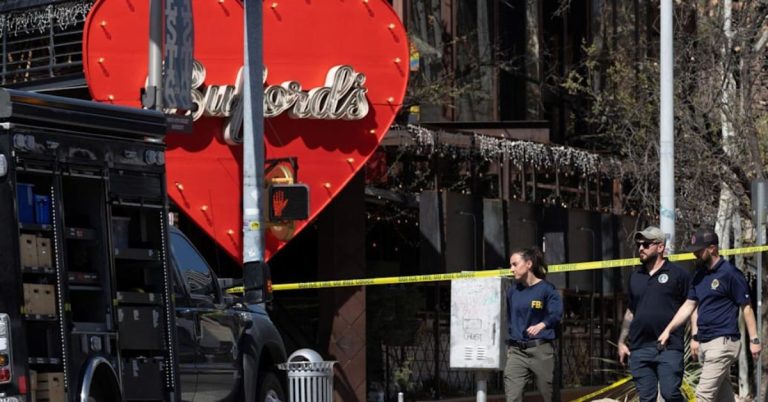
The Austin bar shooting has left a city in shock after three people were killed including the suspected gunman and 14 others were injured during a crowded weekend night in downtown Austin. Authorities say the investigation has now expanded to include federal agencies after evidence suggested a potential connection to extremist motives.

The Austin bar shooting unfolded in one of the city’s busiest entertainment districts, where live music venues and late-night bars typically draw large crowds. Law enforcement officials confirmed that emergency responders were already positioned nearby for routine weekend patrols, allowing officers to respond within seconds of the first 911 calls.

Chaos Inside the Austin Bar

Witnesses described a scene of panic as gunfire erupted inside the Austin bar shortly after midnight. According to preliminary reports, patrons initially mistook the noise for fireworks or amplified music before realizing shots had been fired. Screams filled the venue as people rushed toward exits, some diving for cover behind tables and bar counters.

Police confirmed that three individuals died in the Austin bar shooting, including the suspected attacker. Fourteen others were transported to nearby hospitals with injuries ranging from minor wounds to serious trauma. Several victims remain under medical observation.

Austin-Travis County EMS officials stated that the quick arrival of first responders likely prevented additional fatalities. Emergency crews stabilized multiple victims on-site before transporting them for further treatment.

Authorities have not yet publicly identified the suspect pending family notifications and ongoing investigative procedures. However, law enforcement officials emphasized that there is no immediate threat to the broader Austin community.


FBI Investigates Possible Terror Link in Austin Bar Shooting

Federal investigators joined local law enforcement within hours of the Austin bar shooting after materials recovered from the suspect’s belongings and vehicle raised concerns about extremist ideology. The FBI’s Joint Terrorism Task Force is now assisting in examining digital records, communications, and any potential affiliations.

Officials cautioned that the investigation remains in its early stages. While a possible terror connection is being explored, authorities have not confirmed whether the suspect acted alone or was influenced by a broader network.

A SWAT team executed a search warrant at a residence in Pflugerville believed to be connected to the suspect. Evidence collected during the search is undergoing forensic analysis.

The Austin bar shooting has therefore shifted from a local criminal investigation to a federal security review, underscoring the seriousness of the case.


Security Heightened Across Texas After Austin Bar Incident

In response to the Austin bar tragedy, Texas officials ordered increased patrols and heightened security measures statewide. Law enforcement agencies expanded their presence in major cities, particularly around entertainment districts, public gatherings, and critical infrastructure sites.

State leaders emphasized that while there is no confirmed coordinated threat, precautionary steps are necessary given the evolving nature of the investigation.

Austin Mayor Kirk Watson expressed gratitude to first responders and medical personnel who acted swiftly during the Austin bar emergency. He described the incident as a painful moment for the city but reaffirmed Austin’s resilience.

Governor Greg Abbott stated that any attempt to threaten Texans would be met with firm enforcement measures. Officials declined to speculate further about motive until the investigation produces clearer findings.


Political Debate Intensifies Following Austin Bar Shooting

The Austin bar shooting has reignited debate over gun laws and public safety in Texas. Lawmakers from both parties issued statements reflecting broader national discussions about firearm access and background checks.

Some Republican leaders pointed toward border and immigration policy concerns, while Democratic officials renewed calls for stricter gun safety measures. Advocacy groups also weighed in, arguing that the Austin bar tragedy highlights the need for expanded background checks and restrictions on certain firearms.

The state of Texas currently allows permitless carry and private firearm sales without mandatory background checks. These policies have long been a point of contention in legislative sessions.

As the Austin bar investigation continues, lawmakers are expected to revisit these issues in upcoming debates.


Victims and Community Response

Families of the victims gathered outside hospitals and community centers in the hours following the Austin bar shooting. Vigils are being planned across the city to honor those who lost their lives.

Local business owners in the entertainment district expressed both grief and concern. Several establishments temporarily closed out of respect for the victims.

Community leaders urged residents not to jump to conclusions while the Austin bar investigation unfolds. Faith organizations and counseling services have offered support to those affected.

Austin, known nationally for its music and nightlife culture, now faces renewed conversations about safety in public spaces.


Gun Violence Trends Nationwide

The Austin bar shooting is among dozens of mass casualty incidents reported nationwide this year. According to the Gun Violence Archive, mass shootings continue to affect communities across the United States at a steady pace.

Experts say that while each case differs in motive and circumstance, the psychological and social impact on communities is often profound.

In a separate incident over the weekend, multiple individuals were injured in a shooting at a music venue in Cincinnati. Authorities have not confirmed whether the cases are related.

The Austin bar case, however, stands out due to the possible terror angle being examined by federal investigators.


What Comes Next for Austin

Investigators continue reviewing surveillance footage, witness statements, and forensic evidence tied to the Austin bar shooting. Digital records and online activity are also being scrutinized.

Officials emphasized that determining motive remains a priority. If extremist ties are confirmed, the case could carry additional federal charges.

For now, the Austin bar community remains focused on recovery and remembrance. City leaders pledged transparency as new details emerge.

The Austin bar tragedy has left deep scars, but authorities insist that vigilance and cooperation will guide the city forward.

As the FBI probe continues, residents await answers and hope for clarity regarding what led to one of the most serious violent incidents in recent Austin history.

Ayatollah Khamenei Killed as US-Israel Attacks Iran Escalate in Shock Strike

0

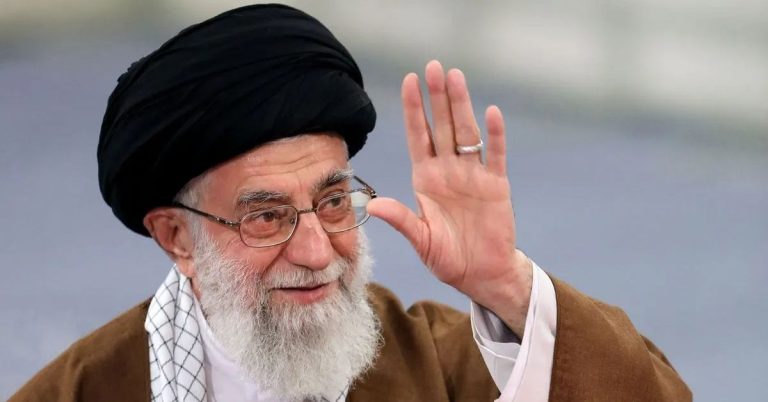
The Middle East entered one of its most volatile moments in decades after Iran’s state media confirmed that its Supreme Leader was killed during coordinated US-Israel Attacks Iran. The announcement sent shockwaves across the region, prompting immediate military retaliation, diplomatic alarm, and sharp reactions in global markets.

The reported death of Ayatollah Khamenei marks a historic turning point for Iran’s political system and for regional security dynamics. For more than three decades, he stood as the country’s highest authority, shaping defense policy, overseeing military command structures, and defining Iran’s strategic posture toward both Washington and Tel Aviv.

Officials in Tehran confirmed that the Supreme Leader was killed in strikes that targeted multiple military and security installations. The confirmation came hours after international reports suggested senior figures had been present at a strategic command site hit during US-Israel Attacks Iran.

Iran immediately declared a period of national mourning. Security forces were deployed throughout major cities, while state broadcasters aired continuous coverage emphasizing unity and resilience. The scale of the announcement underscored the gravity of the moment.

The Strategic Context Behind US-Israel Attacks Iran

The latest round of US-Israel Attacks Iran reportedly focused on missile infrastructure, air defense facilities, and command hubs linked to the Revolutionary Guard. Defense officials described the operation as preemptive and aimed at preventing what they characterized as imminent threats.

However, the confirmation that Ayatollah Khamenei was among those killed transformed the narrative dramatically. What may have begun as a military operation intended to degrade capabilities now appears to have removed the most powerful figure in Iran’s governing system.

Analysts say that the elimination of Ayatollah Khamenei represents more than a symbolic blow. As Supreme Leader, he exercised final authority over Iran’s armed forces, judiciary, and intelligence services. No major strategic decision occurred without his approval.

The removal of such a central authority introduces immediate uncertainty about command continuity and political succession.

Political Uncertainty After Ayatollah Khamenei

Iran’s constitution outlines a mechanism for replacing the Supreme Leader, assigning responsibility to the Assembly of Experts. Yet transitions in Iran have historically been controlled and carefully managed over time. The sudden death of Ayatollah Khamenei creates a vacuum that must be addressed under intense international pressure.

The Revolutionary Guard retains significant operational power. Some analysts believe its influence may expand further during the transition period. Others argue that senior clerical figures will move quickly to consolidate authority and maintain institutional stability.

Inside Iran, public messaging has focused on continuity. State officials stressed that the country’s institutions remain intact despite the loss of Ayatollah Khamenei. Still, uncertainty about succession introduces risk at a moment when tensions are already high.

The symbolic importance of Ayatollah Khamenei to Iran’s identity cannot be overstated. His leadership defined the country’s posture toward Western powers and shaped alliances across the region.

Regional Military Fallout

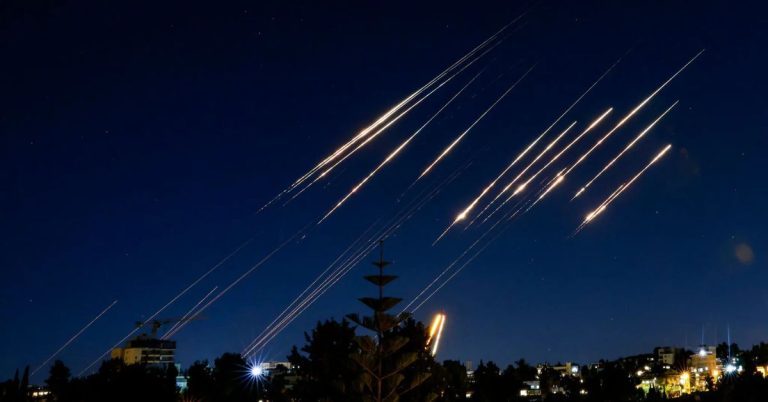
Within hours of the announcement, Iran launched drones and missile strikes toward Israeli territory and US military installations. Air defense systems intercepted many of the projectiles, but the exchange heightened fears of broader escalation.

US-Israel Attacks Iran have now triggered a cycle of retaliation that extends beyond a single confrontation. Neighboring countries increased air defense readiness, and several commercial flights were rerouted as precautionary measures.

Regional governments expressed concern that the death of Ayatollah Khamenei could push allied armed groups to intensify activity. Security analysts warn that multi-front tensions may continue unless diplomatic intervention occurs quickly.

Israeli officials stated that they remain prepared for further escalation. US officials echoed that message, emphasizing that additional responses would follow any sustained attacks.

Global Diplomatic Reaction

The international response was swift. European leaders called for restraint and urged all parties to prevent further escalation. Emergency consultations were scheduled at the United Nations as diplomats assessed potential next steps.

The death of Ayatollah Khamenei during US-Israel Attacks Iran represents one of the most consequential geopolitical events in recent history. Major powers are now balancing condemnation, strategic positioning, and calls for de-escalation.

Russia and China voiced concern about sovereignty and regional stability. Several Asian governments warned about the impact on global energy markets. Behind closed doors, diplomatic channels remain active.

The situation remains fluid, and backchannel communications are reportedly ongoing.

Economic Shockwaves

Energy markets reacted immediately to reports involving Ayatollah Khamenei. Oil prices climbed sharply amid concerns about supply disruptions in critical shipping corridors.

Traders pointed to heightened uncertainty following US-Israel Attacks Iran as a key factor driving volatility. Financial markets shifted toward safer assets, reflecting investor caution.

Economists warn that prolonged instability could have ripple effects across global supply chains. Even the perception of sustained conflict can influence commodity pricing and inflation expectations.

The broader economic consequences will depend on whether military exchanges remain contained or expand further.

The Broader Implications

The reported killing of Ayatollah Khamenei represents a defining moment for Iran’s modern history. His leadership spanned decades of sanctions, diplomatic negotiations, and regional conflict.

The question now is whether US-Israel Attacks Iran will remain limited to strategic military objectives or evolve into sustained confrontation. Much depends on how Iran’s leadership transition unfolds.

If the succession process stabilizes quickly, there may be room for diplomatic engagement. If internal competition intensifies, the region could face prolonged uncertainty.

Ayatollah Khamenei’s influence shaped Iran’s foreign policy doctrine. His absence introduces unpredictability into that doctrine at a time of heightened tension.

Military forces across the region remain on alert. Diplomatic teams are working urgently to contain escalation. Markets continue to react to each development.

The death of Ayatollah Khamenei during US-Israel Attacks Iran has fundamentally altered the strategic landscape. Whether it becomes a catalyst for broader war or a turning point toward negotiation remains uncertain.

For now, governments worldwide are watching closely as events unfold in one of the most critical geopolitical moments in recent decades.

US and Israel Attack Iran, Deepening Regional Crisis

0

The United States and Israel carried out a coordinated series of airstrikes targeting Iranian military infrastructure, marking one of the most significant escalations in Middle East tensions in recent years. Officials in Washington and Jerusalem described the operation as a defensive measure intended to neutralize threats and reinforce regional stability.

US and Israel said the strikes were focused on strategic sites believed to be linked to missile systems, air defense networks, and military command operations.

Strategic Objectives Behind the Operation

Officials familiar with the planning of the mission said US and Israel coordinated intelligence assessments for weeks before launching the strikes. Defense sources indicated that the targets were chosen to reduce the operational capacity of Iran’s missile launch infrastructure and disrupt logistics networks that officials say pose a long-term risk to regional allies.

Senior U.S. officials emphasized that the action was not intended to trigger prolonged conflict but rather to serve as a deterrent signal. Israeli defense authorities echoed that framing, stating that national security assessments pointed to an urgent need to degrade what they described as emerging threats.

US and Israel both highlighted that civilian areas were not targeted, and that the strikes were conducted using precision-guided systems. Pentagon officials said surveillance assets were deployed to monitor potential retaliatory movements in the hours following the operation.

Military analysts note that coordination between US and Israel reflects deep intelligence integration that has developed over decades. The latest operation underscores the strategic alignment between Washington and Jerusalem on issues involving Iran’s military expansion and missile capabilities.


Regional Response and Retaliatory Signals

Within hours of the strikes, reports emerged of heightened military readiness across several Gulf states. Air defense systems were placed on alert, and aviation authorities in parts of the region temporarily rerouted flights as a precaution.

Iranian officials condemned the operation, describing it as a violation of sovereignty. State media outlets indicated that defensive measures were being assessed, though no immediate large-scale retaliation was confirmed at the time of reporting.

US and Israel maintained heightened alert levels across their regional assets. Israeli cities activated air raid sirens in certain areas, while U.S. bases across the Middle East reviewed protective protocols.

Security experts say that while retaliation remains a possibility, Tehran must weigh domestic political pressure against the risks of broader confrontation. US and Israel have both reinforced messaging that their objective is deterrence rather than escalation.

Regional governments are closely watching developments, particularly in energy-producing states near the Strait of Hormuz, a critical transit route for global oil shipments.


Energy Markets and Global Economic Impact

Global markets reacted cautiously as news of the operation spread. Oil prices saw early volatility amid concerns that further instability could disrupt supply routes. However, traders noted that shipping channels remained operational, and no confirmed disruption to major oil facilities was reported.

US and Israel are aware that any sustained escalation could have ripple effects across energy markets, financial systems, and global supply chains. Economic analysts suggest that the immediate reaction reflects uncertainty rather than confirmed structural disruption.

The U.S. administration signaled that strategic reserves and maritime security operations remain prepared to respond if shipping lanes face interference. Israeli officials also indicated ongoing coordination with international partners to monitor commercial traffic.

The resilience of global markets so far may indicate investor confidence that US and Israel intend to contain the scope of military engagement.


Diplomatic Messaging from Washington and Jerusalem

In public remarks, senior U.S. leaders framed the operation as a defensive necessity. Officials said the objective was to prevent further military expansion that could threaten allies and American personnel stationed abroad.

Israeli leadership reiterated similar messaging, emphasizing that national defense considerations drove the decision-making process. Statements from both governments stressed that diplomatic channels remain open.

US and Israel both communicated with European and regional partners ahead of the strikes, according to officials familiar with diplomatic outreach efforts. The emphasis, they said, was transparency and reassurance that the action was measured.

Diplomats across Europe have called for restraint from all sides. International observers note that the strategic calculus now centers on preventing a cycle of retaliatory escalation.


Military Capabilities and Defense Systems

Defense experts point out that US and Israel possess some of the most advanced missile defense systems in the world. Israel’s multi-layered air defense network has been central to its security posture, while U.S. regional bases operate sophisticated surveillance and interception systems.

During the operation, US and Israel relied heavily on intelligence integration, satellite imaging, and precision strike capabilities. Analysts suggest the strikes were carefully calibrated to achieve tactical goals without expanding into broader warfare.

Military readiness remains elevated. Officials confirmed that naval and air assets are positioned strategically to monitor developments.


Iran’s Position and Regional Calculations

Iran’s leadership faces complex decisions. Domestic political dynamics, economic pressures, and international scrutiny all factor into potential responses. Analysts note that Tehran has historically relied on calibrated responses through regional proxies or limited retaliatory actions.

US and Israel are likely assessing multiple response scenarios, ranging from cyber operations to indirect confrontations. Strategic planners emphasize the importance of measured reactions that avoid triggering wider instability.

The broader Middle East landscape remains sensitive, with several ongoing conflicts and fragile ceasefires shaping regional calculations.


Broader Implications for Global Security

The latest developments highlight persistent volatility in the region. US and Israel have long maintained that preventing military escalation is a core priority. Yet the balance between deterrence and escalation remains delicate.

International security analysts say the coming days will be critical. If diplomatic engagement intensifies alongside military deterrence, the situation may stabilize. If retaliatory exchanges continue, risks of broader confrontation increase.

US and Israel continue to assert that their partnership is rooted in shared security objectives and coordinated intelligence frameworks.


What Comes Next

Officials in Washington and Jerusalem indicate that monitoring and defensive readiness will continue. Diplomatic engagement with allies is expected to expand, with an emphasis on de-escalation.

US and Israel both emphasize that stability remains the central objective. Defense planners remain vigilant, but policymakers underscore that long-term regional security requires diplomatic pathways alongside military deterrence.

The situation remains fluid. Markets, governments, and defense agencies worldwide are closely tracking developments.

For now, US and Israel appear focused on signaling strength while avoiding steps that could broaden the conflict. Whether that balance holds will depend on decisions made in the days ahead.

Olivia Dean Delivers Stunning Sweep at Brit Awards

Olivia Dean stood at the center of British music’s biggest night, her name reverberating across the arena as applause rose again and again. What unfolded was more than a sequence of award presentations it was a moment of cultural affirmation.

The simplicity of the name echoed through Manchester’s Co-op Live arena, but the significance behind it carried weight far beyond the stage lights. By the end of the evening, it was clear that this ceremony would be remembered as the night Olivia Dean reshaped the narrative of British pop.

A Night That Belonged to Olivia Dean

The Brit Awards have long served as a barometer for British culture. This year, that barometer pointed decisively in one direction. From Artist of the Year to Album of the Year and Song of the Year, Olivia Dean emerged not simply as a winner, but as the defining voice of the evening.

Her presence felt assured rather than triumphant. When Olivia Dean stepped to the microphone to accept her first award, she spoke with measured calm. There was no spectacle, no exaggerated theatrics. Instead, there was clarity an artist fully aware of her voice and her message.

Industry observers noted that while anticipation had built around her nominations, the sweep still carried symbolic weight. Olivia Dean did not ride a viral wave or benefit from fleeting hype. Her rise has been steady, deliberate, and rooted in songwriting depth.


Olivia Dean and the Evolution of British Pop

British pop has always oscillated between experimentation and commercial polish. What Olivia Dean represents is a subtle recalibration of that balance. Her sound refuses easy categorization. It moves fluidly between neo-soul warmth, jazz-inflected phrasing, and contemporary pop precision.

Music critics have described her approach as emotionally literate. Where many mainstream releases prioritize immediacy, Olivia Dean favors nuance. Her arrangements leave space for breath. Her melodies unfold gradually. That restraint has become her signature.

The industry shift toward authenticity has created room for artists who prioritize narrative complexity. Olivia Dean’s work aligns perfectly with that momentum. Her lyrics dissect vulnerability without melodrama, offering reflection rather than spectacle.


The Album That Redefined Emotional Storytelling

At the heart of the evening’s accolades was her sophomore album, a project that deepened her artistic identity. The record navigates modern relationships with honesty and quiet intensity.

Listeners have connected to its layered production and intimate tone. Rather than chasing algorithm-driven trends, Olivia Dean constructed a body of work that feels cohesive and intentional. Strings, understated percussion, and subtle harmonies create a textured listening experience.

Industry insiders point to this album as evidence that audience appetite has evolved. Streaming numbers indicate sustained engagement, not just initial spikes. Olivia Dean’s ability to maintain listener attention speaks to the album’s craftsmanship.

When accepting Album of the Year, she acknowledged the vulnerability embedded in the songwriting process. That vulnerability, she suggested, was not a risk but a necessity.


Olivia Dean’s Song of the Year Moment

The ceremony’s emotional high point arrived with the announcement of Song of the Year. The winning track a duet that captured the fragility of reconciliation became one of the most streamed songs in the UK.

The interplay of voices in the song created a sense of dialogue rather than duet. Critics noted that Olivia Dean’s verse reframed the narrative, adding dimension to what began as a solo composition. Her delivery balanced restraint and intensity, allowing the lyrics to resonate without overstatement.

The track’s chart success mirrored its cultural impact. Radio rotations remained strong months after release, and live performances drew particularly engaged audiences. For Olivia Dean, the award affirmed her capacity not only as a solo artist but as a collaborator capable of enhancing shared narratives.


Global Recognition and Expanding Influence

International recognition has accelerated her trajectory. Awards season momentum abroad has expanded her reach, particularly in North America. Streaming analytics reveal consistent growth across global markets.

Music executives suggest that Olivia Dean’s appeal lies in her refusal to overproduce emotion. Her voice carries a natural warmth that translates across cultural boundaries. In an era of hyper-polished releases, authenticity has become a competitive advantage.

The Brit Awards sweep solidified her domestic dominance, but it also underscored her growing international footprint. Observers describe this moment as transitional a pivot from rising star to established figure.


Manchester’s Cultural Shift

Hosting the ceremony in Manchester signaled a geographic shift. Historically centered in London, the relocation broadened the cultural lens of the event. The city’s industrial architecture and musical heritage provided a fitting backdrop.

For Olivia Dean, performing outside the capital aligned with her ethos of accessibility. Her music speaks to everyday emotional realities rather than metropolitan spectacle. The setting reinforced that alignment.

The atmosphere throughout the arena felt less choreographed and more spontaneous. When Olivia Dean returned to the stage for successive wins, the audience response grew increasingly celebratory.


A Broader Industry Turning Point

The ceremony highlighted a broader recalibration within British music. Genre boundaries continue to dissolve. Artists increasingly blend stylistic influences rather than adhering to rigid categories.

Within this evolving landscape, Olivia Dean embodies fluidity. Her work intersects soul, pop, jazz, and alternative textures without privileging one label. That versatility positions her at the forefront of contemporary shifts.

Executives and producers point to sustained album engagement as evidence that audiences reward artistic depth. Olivia Dean’s trajectory suggests that longevity may once again outweigh virality.


Olivia Dean and the Politics of Pop

Music rarely exists outside social context. Several acceptance speeches throughout the evening referenced global tensions and domestic challenges. While Olivia Dean’s remarks remained focused on gratitude and creativity, the subtext of her music carries broader resonance.

Themes of connection, alienation, and resilience reflect contemporary anxieties. Analysts argue that her success mirrors a collective search for sincerity in uncertain times.

By centering emotional introspection, Olivia Dean contributes to a broader cultural conversation. Her songwriting offers reflection rather than prescription, allowing listeners to interpret meaning within their own frameworks.


The Craft Behind the Success

Behind the accolades lies disciplined craftsmanship. Producers who collaborated on the album describe meticulous attention to sonic detail. Recording sessions reportedly prioritized live instrumentation, lending organic texture.

Vocally, Olivia Dean favors subtle modulation over dramatic crescendos. That restraint enhances lyrical clarity. Each phrase feels intentional, each pause deliberate.

Industry peers have noted her consistency in live settings. Performances mirror studio recordings without reliance on elaborate staging. The authenticity observed in recordings carries through to the stage.


What Comes Next for Olivia Dean

Speculation now turns to what lies ahead. Touring plans are expected to expand internationally. Analysts anticipate collaborations that extend her genre experimentation.

For Olivia Dean, however, the focus appears grounded. In post-ceremony interviews, she emphasized creative exploration over strategic positioning. That philosophy has guided her thus far.

If the Brit Awards marked a defining chapter, they also signaled the beginning of a new one. The momentum surrounding Olivia Dean suggests sustained influence rather than fleeting dominance.


British music continues to evolve, responding to shifting cultural and technological landscapes. Within that evolution, certain moments crystallize collective sentiment. This ceremony was one such moment.

Olivia Dean did not merely collect awards. She articulated a direction toward nuance, toward vulnerability, toward thoughtful composition. Her ascent reflects a broader recalibration of taste and expectation.

As the arena lights dimmed and the evening concluded, the narrative remained clear. The Brit Awards will be remembered not simply for spectacle, but for the affirmation of an artist whose voice resonates beyond charts and trophies.

Olivia Dean stands not as an anomaly, but as a signal of where British music may be heading — measured, introspective, and unapologetically authentic.