54.1 F
San Francisco
Thursday, November 26, 2026
Home Blog Page 2665

Twitter Bookmarks: Twitter is Now Testing A Way to Privately Save Tweets for Later

Twitter is currently testing a new feature called Bookmarks, which will allow their users to save tweets for later. Twitter’s product designer Tina Koyama tweeted a preview of what the feature looks like, with a bookmarks option listed on the user’s navigation menu.

“We went through all the designed flows and picked the ones that are the easiest to navigate to test out with our community,” she tweeted. “You told us that you want tweets you’ve bookmarked to be private, so only you can see it. We kept this in mind while creating designs for the feature.”

Twitter’s head of product Keith Coleman tweeted about the function last October, saying that the bookmarking feature was a top request from users on the social-networking platform.

Currently, if you want to save a tweet, the only way you can do it is by hitting the like button and review your likes at a later time. However, your liked tweets appear publicly on your profile and alert users that you liked that tweet. This new bookmarking feature will privately save your tweets for later. There is no release date for this new Bookmark feature.

YouTube Reveals Their Plan to Stop Predatory Comments on Videos of Minors

Following a Verge story revealing examples of predatory comments on videos of minors, YouTube announced on Wednesday that they will turn off comments entirely on videos where the video-streaming detects predatory behavior.

Recently, The Verge reported on the number of predatory comments on videos of minors. The Verge reports, “videos of young children doing activities like gymnastics were being targeted by commenters making sexual comments, or inviting the children to talk.” Following the report, YouTube removed several of the videos, some of which had “hundreds of thousands or more views.

The company later issued a statement saying they will take more steps to make sure they do not appear on YouTube. “Comments of this nature are abhorrent and we work with NCMEC to report illegal behavior to law enforcement,” the company wrote in a blog post. “Starting this week we will begin taking an even more aggressive stance by turning off all comments on videos of minors where we see these types of comments.”

In response to the recent criticism in regards to how the platform handles minor created content, YouTube also announced several changes. The company announced they will be using technology to flag problematic videos more quickly and will remove ads from “inappropriate” videos targeting families. YouTube also said they will provide new content and guidelines on YouTube Kids content. Also, the streaming site plans on working with experts to handle the content on the platform.

YouTube has been hit with criticism following a viral Medium post revealed bizarre videos targeted towards children. “These latest enforcement changes will take shape over the weeks and months ahead as we work to tackle this evolving challenge,” the company said.

California Grants Lyft Permission to Test Self-Driving Cars

Left is the latest company to receive a permit to test self-driving cars on public roads in California. This news comes after the company wanted to build their own self-driving software only four months ago. Left appeared at the bottom of the California’s DMV’s list of permit holders, a sign that the ride-hail service was preparing to test their first autonomous driving taxis.

That said, it is not clear whether or not Lyft will be using their own proprietary software and hardware for their self-driving cars.

Lyft has already teamed up with companies like Ford, General Motors, Waymo, NuTonomy, Drive.ai, and Jaguar Land Rover, with the intention of being the platform on which manufacturers deploy their self-driving cars.

The company’s decision to apply for a permit is in direct contract with the company’s chief rival Uber. Uber previously attempted to test their self-driving cars in California without the state’s approval. The DMV revoked the Uber’s licenses of fleet cars, forcing the company to give in and obtain a permit.

Ultimately, it could be argued that Lyft just does not want to get left out. California’s growing list of autonomous vehicle testing permits is growing and is expanding the list of technology futurists looking to break into the self-driving market.

Report: Foxconn Used Illegal Student Labor to Make Apple’s iPhone X

Foxconn has reportedly been employing students to illegally work overtime at their factories to assemble Apple’s, iPhone X. According to the Financial Times, six high school students told the news outlet they regularly work 11-hour days assembling the device, which is illegal for student interns to do under China’s laws. The students were teenagers, between the ages of 17 to 19 years old, and they said they are told they had to work at the factory for three months to graduate. One student told Financial Times they were being forced to work there, and that the work had nothing to do with school. The student also claimed to have assembled up to 1,200 iPhone X cameras a day.

According to the Financial Times, Apple and Foxconn said they had discovered several student interns working overtime, and they were taking action. However, both companies claimed the students were not “forced” to work beyond the legal hourly limits. “We’ve confirmed the students worked voluntarily, were compensated and provided benefits,” Apple said. “But they should not have been allowed to work overtime.”

Moreover, Foxconn said they worked with local governments and vocational schools in organizing the internship program, but claimed the overtime work violated its policy, which prohibits students from working more than 40 hours per week.

This news comes after reports of high demand for the new iPhone X ahead of the device’s intended ship date, which was hit with rumors of supply issues.

At least 300,000 people assemble iPhones at Foxconn, with thousands of students from Zhengzhou Urban Rail Transit School sent to help with the iPhone X. The students in the Financial Times report spoke to volunteered to work overtime and were paid for it, which is nothing in comparison to the reportedly extreme conditions at Foxconn.

Android Phones Have Been Sending Location Data to Google, Even If You Said No

Even if you have turned off location services and do not have a SIM card, Android phones gather your location data and send the information to Google, according to Quartz.

On Tuesday, “location services” refers to exact GPS data for app usage, such as the information Google Maps gives you while you are looking for directions or Uber sharing where your driver will pick you up. But, a new Quartz report reveals a practice in which Google was able to track user locations by triangulating cell towers which were served a specific device.

Since January, several Android phones and tablets have been collecting the addresses of all nearby cellular towers and sending the data to Google’s push notifications and messaging management system when connected to the internet. It is a service that consumers cannot opt out of, even when their phones are factory reset.

According to Quartz:

While information about a single cell tower can only offer an approximation of where a mobile device actually is, multiple towers can be used to triangulate its location to within about a quarter-mile radius, or to a more exact pinpoint in urban areas, where cell towers are closer together…

Although the data sent to Google is encrypted, it could potentially be sent to a third party if the phone had been compromised with spyware or other methods of hacking. Each phone has a unique ID number, with which the location data can be associated.

As Gizmodo pointed out, someone could potentially use the data that a person did not even know they were transmitting over their device to discover that person’s location. “Imagine if someone who’s in witness protection just got a new Galaxy S8 and they do all the right things to protect their privacy. A hacker with the proper know-how and determination could potentially get within a quarter mile of them.”

A Google spokesperson told The Verge in a statement that all modern Android phones use a network sync system that requires mobile country codes and mobile network codes, so tower info called “Cell ID” were considered an “additional signal to further improve the speed and performance of message delivery.” According to The Verge, “Google ultimately discarded the cell tower data and didn’t go through with the original plan.”

A source close to the matter told Gizmodo that the feature was intended to improve battery life and the timeliness of receiving messages. By locating a nearby tower, the phone would not have to search for a new tower as often, which could drain battery life. But Google, according to Gizmodo’s source, never decided to implement it, and the team has removed the feature altogether.

A spokesperson for Google added that by the end of November will complete the update.

It is important to point out in Google’s terms of service, at the time of publish, still vaguely state, “When you use Google services, we may collect and process information about your actual location” using “various technologies… including IP address, GPS, and other sensors that may, for example, provide Google with information on nearby devices, Wi-Fi access points and cell tower.

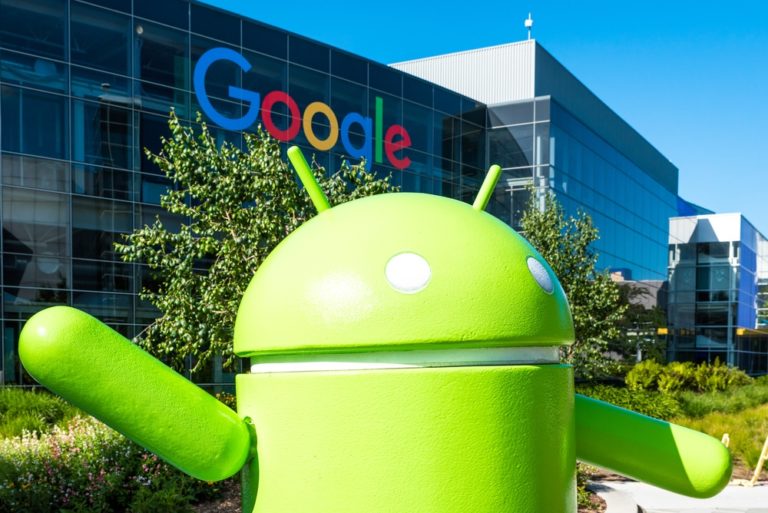
Android
Stock Photo: MOUNTAIN VIEW, CA/USA – JUNE 30: Android Nougat replica in front of Google office on June 30, 2016. (Asif Islam / Shutterstock.com)

HBO Hack: Justice Department Charges Iranian Man For The HBO Hack

The United States Justice Department announced on Tuesday that it has charged an Iranian man for hacking HBO, which resulted in a high-profile security breach that led to the early release of TV episodes and scripts.

In an indictment, prosecutors claim Behzad Mesri gained server access to HBO by hacking employees’ accounts. With that access, according to the Justice Department’s indictment, Mesri stole unaired episodes of hit shows such as Dwayne Johnson’s Ballers’ and Larry David’s Curb Your Enthusiasm, as well as scripts for other TV shows including Game of Thrones. Financial documents and logins for social media accounts were also stolen from HBO.

Game of Thrones
LOS ANGELES – APR 10: Games of Thrones Atmosphere at the Game of Thrones Season 6 Premiere Screening at the TCL Chinese Theater IMAX on April 10, 2016 in Los Angeles, CA (Kathy Hutchins / Shutterstock.com)

Prosecutors allege when Mesri had the data he reached out to HBO and demanded $6 million in bitcoin as a ransom for the stolen data. Prosecutors also claim Mesri worked as a hacker for the Iranian military and now faces charges of computer fraud, wire fraud, identity theft, and extortion.

It is important to note, last August, last the hacks were taking place, the company reportedly offered a $250,000 “bug bounty” payment to the hacker, while it is unclear whether it actually intended to pay the ransom.

The Justice Department says it will detail the charges in a press conference later on today.

Lena Headey Game of Thrones
LOS ANGELES – APR 10: Lena Headey at the Game of Thrones Season 6 Premiere Screening at the TCL Chinese Theater IMAX on April 10, 2016 in Los Angeles, CA (Kathy Hutchins / Shutterstock.com)

FCC Announces Plan to Repeal Net Neutrality Rules

0

The Federal Communications Commission plans to vote to put an end to their net neutrality rules next month, commission chairman Ajit Pai announced on Tuesday. The proposal will reverse the Title II classification of internet providers, which allows the agency to put strict limits on their behavior, and will replace it with the previous “information service” designation, which federal court has ruled as less comprehensive, weakening any protections that are currently in place.

Is this the end for Net Neutrality?

As a result, if the agency even wanted to replace those protections, there is a high possibility the proposal will leave the internet without any net neutrality protections. The full plan will be released on Wednesday, until then we have a summary from Pai.

“Under my proposal, the federal government will stop micromanaging the internet,” Pai said in a statement. “Instead, the FCC would simply require internet service providers to be transparent about their practices so that consumers can buy the service plan that’s best for them and entrepreneurs and other small businesses can have the technical information they need to innovate.”

The FCC’s mission is to set up the Federal Trade Commission to handle all anti-competitive disputes, and the philosophy is that if the internet service providers violate their stated policies, the FTC will be tasked to take action against the ISP.

Ultimately, this could lead to a legitimate concern over legal consumer protections. Companies’ terms of service and related policies are not meant to protect consumers, they are intended to protect businesses, and they can change anytime. While it is possible that a company could violate their policies and get in trouble with the FTC, a company could also promise open internet protections until it no longer feels like it benefits the corporation, rewrites their rules, and then implement a new policy that discourages a public internet.

Moreover, if more American consumers had access to several ISP to receive their internet, then this would not be that much of a concern. However, less than a quarter of Americans has two or more internet providers that offer basic broadband speeds, so if you do not like what your ISP is doing, then you are s— out of luck.

That said, Republicans argue that the FTC is the expert agency on anti-competitive practices and should be in charge to make rulings base don those cases. But, the FTC is a single agency, which will be placed in charge of protecting consumers across a wide range of industries. It does not have the expertise of the FCC to narrow in on internet providers. Nor does the FTC have the ability to enact strict rules to safeguard the industry proactively. Ultimately, the FTC can only establish guidelines, which gives ISPs more flexibility to experiment with these practices that will benefit their business.

Ultimately, the FCC is trying and will most likely give internet providers what they want when it comes to benefit their business and what they want on their networks. Pai’s philosophy has been that by providing ISPs their flexibility, it allows them to make money in new and different ways, which could result in a reinvestment into their network. The theory that more money results in a trickling down of benefits to their consumers. Since the agency wants to get more Americans connected, this could be considered as a significant win for both ISPs and consumers.

The rules are set for a vote next month, on December 14th, when they are most likely going to pass. The FCC is majority GOP currently, and Republicans have been calling for the end of net neutrality since the policy was first enacted. There is also no reason for Pai to put forth a vote unless he knows it will most likely pass.

Following the vote, new policies will begin to appear in the Federal Register and go into place, overwriting the net neutrality rules. That means everything will be all over, though there are court battles to follow. Net Neutrality advocates will take their argument to court, claiming that it failed to find enough evidence to overturn a decision made just two years earlier. Proponents of net neutrality may also suggest commission ignored the evidence, having made the decision and disregarded the millions of comments from the American public in support of net neutrality.

Keep in mind, supporters of net neutrality have long argued that the rules are necessary to protect consumers from price gouging and protect small businesses from anti-competitive business practices. Moreover, paid fast lanes could allow wealthy companies to pay for better service, giving them an edge over start-up companies. A lack of discrimination rules could let internet providers like Comcast and AT&T have an advantage over their content over others’, by making it stream faster or not count towards their data caps. The absence of no blocking rules that inter providers could even block apps that compete with their core business by stopping them from reaching consumers.


Uber Invests In Driverless-Cars With Deal for 24,000 Volvo XC90s

0

Uber has partnered with carmaker Volvo to purchase 24,000 of their XC90 SUVs between 2019 and 2012 to form a fleet of self-driving cars, according to Bloomberg News. The XC90 is Uber’s latest-generation of autonomous vehicles, which features sensors and self-driving technology installed by the ride-sharing company after purchase of the XC90.

The deal is said to be worth around $1.4 billion, according to the Financial Times, with the XC90 starting at $46,900 in the U.S. based on their base model consumer pricing. Uber is currently testing the XC90 vehicle in Arizona, San Francisco and Pittsburgh in trails with safety drivers in the vehicle to help improve their software. Uber has also paired with Volvo to develop autonomous driving and a vehicle ready for autonomous driving technology, with investments from both companies in 2016.

Stock Photo:
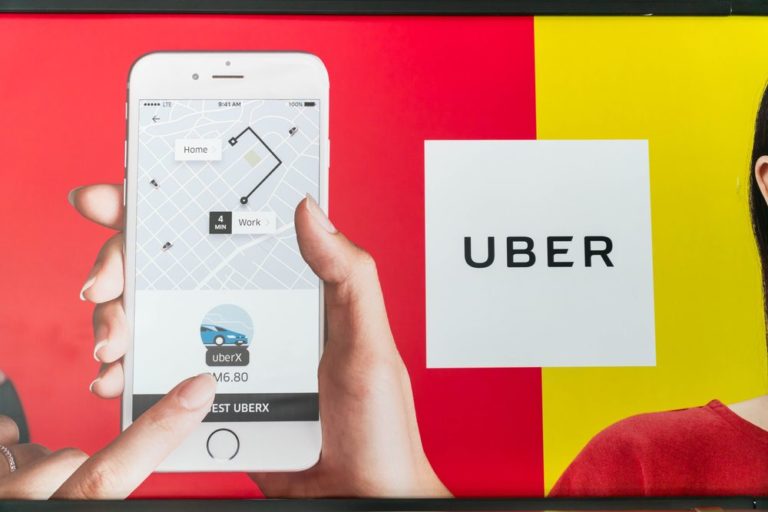
CHIANG MAI,THAILAND – OCT 26,2015 : A man hand holding Uber app showing on Samsung in the car,Uber is smartphone app-based transportation network. (mrmohock / Shutterstock.com)

Uber’s new set of XC90s will allow the company to continue to expand their test vehicles, in hopes of delivering an automobile that can brake, steer and autonomously drive without human interaction. The 24,000 fleet is also subject to change, depending upon Uber’s needs. Uber also has the right to order vehicles from other OEMs to help add to their growing fleet, according to the deal.

Meanwhile, Google’s Waymo, Alphabet’s self-driving car company, announced plans to launch their own self-driving car service open to consumers soon, which may be behind the decision for Uber to accelerate their own plans. That said, no timeline has been released as to when the self-driving cars will become available to users in a non-testing capacity.

Uber
(Teerawit Chankowet / Shutterstock, Inc.)


Uber Adds Several New Features Right Before The Holidays

Uber has added several new features just before the holidays that should make it easier for you and your friends to grab a ride on the ride-sharing app. The service has added live location sharing, which will allow your driver to see your location once you hit the gray icon on the bottom right of the screen. The new feature makes it easier for you when you’re walking to pick up your location, so your driver isn’t lost and looking for you.

Uber Investigation
Editorial credit: Pe3k / Shutterstock.com

Currently available in New York, Chicago, and San Francisco, Beacons are helping you identify your ride among dozens of Ubers. The company has also updated their guest hailing feature, allowing you to hail rides for friends or family members and let them talk with the driver with text, so you’re no longer the middle-man. Simply click “Where to,” and you will be able to add a different rider to the top of the screen.

Uber has also added in-app gifting, which you can send Uber credits to your friends without leaving the app. It is a convenient way to send someone a gift card without actually going to Wal-Mart. The new features are available as early as today.

Jeffrey Tambor Exits ‘Transparent’ After Allegations of Sexual Harassment

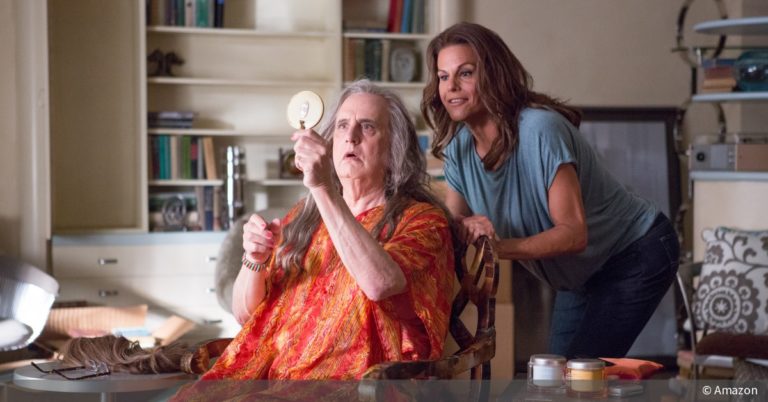
Weeks after Amazon launched an investigation into allegations of sexual harassment against the star of its award-winning show Transparent, Jeffrey Tambor has told Deadline that he is not returning next season.

In a statement to the entertainment news outlet, Tambor said that while he was privileged to take part in the show, recent events have made it evident that it “is no longer the job I signed up for four years ago.”

On November 8th, Deadline reported that Amazon had begun an investigation after a former assistant came forward with allegations, then several days later, another actress claimed the actor made unwanted sexual comments and advances towards her. The departure from the show comes just weeks after Amazon studio executive Roy Price resigned after allegations of sexual harassment.

Transparent is not currently in production, and following the allegations against Tambor, there were reports that the show’s writers were looking for ways to continue with the show with the character. Tambor’s exit from the show mirror Kevin Spacey’s recent firing from the hit TV series House of Cards, which has prompted writers to find a way to continue the show without him.