

86.3 F
San Francisco
Thursday, June 11, 2026
Home Blog Page 33

Sabalenka Secures 100th Win and Advances to French Open Fourth Round

Quick Summary: Sabalenka Secures 100th Win and Advances to French Open Fourth Round

  • Aryna Sabalenka defeated Daria Kasatkina 6-0, 7-5, advancing to the fourth round of the French Open.
  • Sabalenka’s win marked her 100th victory as the world No. 1 in the WTA rankings.
  • The match highlighted Sabalenka’s dominance and Kasatkina’s late resistance.
  • Sabalenka’s next match is a highly anticipated showdown with Naomi Osaka.
  • The victory comes amid a series of upsets in the women’s draw, enhancing Sabalenka’s status as a favorite.

Aryna Sabalenka has once again proven her mettle on the clay courts of Roland-Garros, delivering a commanding performance against Daria Kasatkina. With a decisive 6-0, 7-5 victory, Sabalenka not only secured her place in the fourth round but also celebrated her 100th win as the world No. 1.

The match was a tale of two sets. Sabalenka stormed through the first set, demonstrating her overwhelming power and precision. However, Kasatkina fought back in the second set, making Sabalenka work hard for her win. This resilience added a layer of drama to the encounter, but ultimately, Sabalenka’s skill prevailed.

In the broader context of the French Open, Sabalenka’s victory stands out amid a series of unexpected upsets. With defending champion Coco Gauff already out of the tournament, Sabalenka’s steady progress positions her as a leading contender. Her upcoming match against Naomi Osaka promises to be a thrilling clash of titans.

As the tournament progresses, all eyes will be on Sabalenka to see if she can maintain her dominance and navigate the chaotic landscape of this year’s French Open. Her ability to stay composed and focused will be crucial as she faces tougher challenges ahead.

coverage is on TNT and truTV, with streaming access available through TV providers and services that offer trials, which is the practical answer for anyone who arrived looking for where to watch the Sabalenka story continue. com headline is already over: on Saturday, May 30, 2026, world No.

The Guardian’s match report said Kasatkina was beaten 6-0, 7-5, ending what it called Australia’s French Open hopes, while Reuters emphasized that Sabalenka had to “fight” once the second set tightened after the one-sided opener. Reuters’ broader French Open coverage from May 30 said defending champion Coco Gauff was knocked out by Anastasia Potapova the same day, while Sabalenka stayed on course.

Roland-Garros said Sabalenka’s reward for beating Kasatkina is a fourth-round showdown with Naomi Osaka, calling it a “blockbuster” last-16 clash. Reuters reported from Paris on May 30 that Sabalenka “cut through the French Open chaos” with a 6-0, 7-5 win after a run of major upsets across the women’s draw, and described how she stormed through the first set by taking the opening five games before finishing the “bagel” set despite trailing 15-40 in the sixth game.

The official Roland-Garros site added an eye-catching milestone: this was Sabalenka’s 100th win while ranked No. ABC reported on May 29 that Kasatkina had set up the clash with this topic by advancing to the third round, which gives the timeline a clear progression: Kasatkina’s berth was confirmed Friday, May 29, and this topic ended the matchup one day later on Saturday, May 30.

The debate or tension now is no longer about access to a stream; it is whether this topic can keep asserting control over a women’s draw that Reuters described as chaotic after multiple upset-filled days in Paris. 1 Aryna this topic beat Daria Kasatkina 6-0, 7-5 at Roland-Garros and moved into the fourth round, so the freshest reporting is now about the result, not where to stream it.

The official Roland-Garros site added an eye-catching milestone: this was this topic’s 100th win while ranked No. Quick Summary: this topic Secures 100th Win and Advances to French Open Fourth Round Aryna this topic defeated Daria Kasatkina 6-0, 7-5, advancing to the fourth round of the French Open.

With a decisive 6-0, 7-5 victory, this topic not only secured her place in the fourth round but also celebrated her 100th win as the world No. 1 Aryna this topic beat Daria Kasatkina 6-0, 7-5 at Roland-Garros and moved into the fourth round, so the freshest reporting is now about the result, not where to stream it.

The scale and speed of this development has caught many observers off guard. Each new update adds another dimension to a story that is still unfolding, and the full picture will only become clear as more verified details emerge from the people and institutions directly involved.

Analysts who have tracked this issue closely say the current moment represents a genuine turning point. The decisions made in the coming weeks are expected to set the direction for months ahead, with ripple effects likely to extend well beyond the immediate actors in the story.

For those directly affected, the practical impact is already visible. People navigating this fast-changing situation are dealing with real consequences while new information continues to reshape what is known and what remains open to interpretation.

Historical parallels offer some context, though experts caution against drawing too close a comparison. Similar situations have played out before, but the specific combination of pressures, personalities, and timing here makes this moment distinct in ways that matter for how it ultimately resolves.

The political and economic dimensions of this story are deeply intertwined. What appears as a single event on the surface is in practice the convergence of multiple pressures that have been building quietly over a longer period than most public reporting has captured.
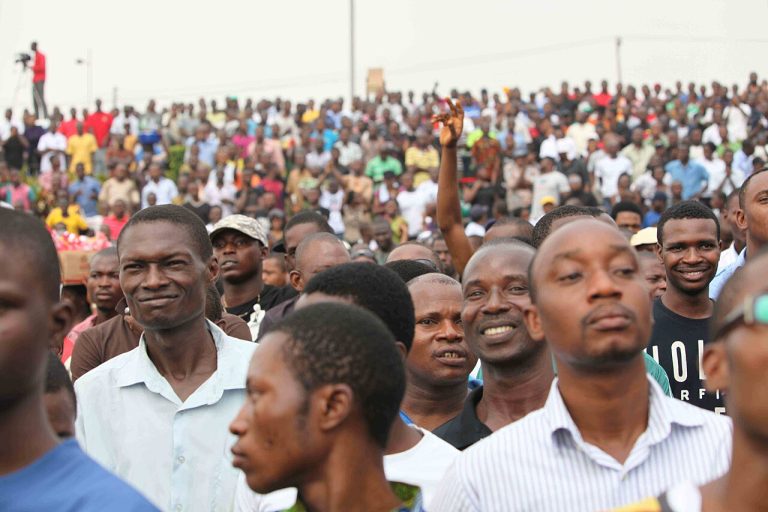

Read more on Digital Chew

Atiku Abubakar Accused International Scrutiny on Nigeria’s Political Climate

0

Quick Summary: Atiku Abubakar Accused International Scrutiny on Nigeria’s Political Climate

  • Atiku Abubakar accused the Nigerian government of attempting to rig the political environment ahead of the 2027 elections.
  • A Washington lobbying firm linked to Atiku is seeking evidence from PDP members to present to U.S. Congress.
  • The PDP faction led by Taminu Turaki claims their convention was sabotaged by government interference.
  • Police reportedly blocked access to the original convention venue, escalating the situation.
  • Atiku’s accusations aim to draw international scrutiny to Nigeria’s political climate.

Atiku Abubakar’s recent accusations against the Nigerian government have set the stage for a political showdown of international proportions. Claiming that the political environment is being rigged ahead of the 2027 elections, Atiku has not only stirred domestic tensions but also caught the attention of international observers.

The drama unfolded when a faction of the People’s Democratic Party (PDP), led by Taminu Turaki, alleged that their planned convention to ratify former President Goodluck Jonathan as the 2027 presidential candidate was being sabotaged. The situation intensified when police reportedly blocked the original venue, forcing the event to relocate. This visible show of force has given the opposition tangible evidence to support their claims of interference.

In a bold move, a Washington lobbying firm linked to Atiku is now actively seeking credible evidence from PDP members to present to the U.S. Congress. This escalation transforms what was initially an internal party dispute into a potential international lobbying campaign. The firm’s demand for documentation suggests that the allegations need to be substantiated before they can gain traction in Washington.

Atiku’s rhetoric has sharpened, framing the blocked PDP activity as part of a broader democratic crackdown rather than an isolated incident. He accuses the Tinubu administration of partisan interference, aiming to either secure the 2027 election or undermine Nigeria’s democracy. This narrative not only highlights the internal PDP crisis but also seeks to internationalize claims of democratic backsliding.

The coming days will be crucial. If Atiku’s camp or the PDP faction can produce verifiable evidence, this could shift from political theater to a substantiated international pressure campaign. The world is watching to see if Nigeria’s political climate will withstand this scrutiny or crumble under the weight of these allegations.

The Whistler reported on May 30 that police blocked access to the original venue with “no fewer than eight police Hilux trucks” barricading both sides of Kashim Ibrahim Way leading to the facility, forcing the faction to relocate the event elsewhere in the Federal Capital Territory. The result is that an already fractured opposition is simultaneously accusing the government of interference and publicly inviting foreign scrutiny of Nigeria’s pre-2027 political climate.

The immediate trigger was a claim by the Taminu Turaki-led PDP faction that its planned convention to ratify former President Goodluck Jonathan as the party’s 2027 presidential candidate was being sabotaged in Abuja. May 30 convention would go ahead; May 30 brought the lobbying firm’s public evidence request and reports of police blocking the original site; May 31 brought Atiku’s direct accusation that the episode reflects a larger attempt to rig the political environment ahead of 2027.

In the message reported on May 30, the firm said, “We would like to speak with members of the PDP (@OfficialPDPNig) who can provide credible, verifiable, and indisputable evidence regarding the reported election interference by @GovWike described below,” and asked them to email supporting material. That faction’s spokesman, Ini Ememobong, said the management of A Class Event Centre told them the Federal Capital Territory Administration had threatened to shut the premises if it hosted the gathering.

Atiku himself sharpened the rhetoric on May 31, casting the blocked PDP activity as part of a broader democratic crackdown rather than a one-off venue fight. There is also a striking twist in the underlying politics: the alleged victim of suppression is not the mainstream PDP leadership but a faction loyal to Taminu Turaki that is trying to ratify Goodluck Jonathan for 2027, in the middle of a broader opposition realignment and leadership struggle.

Congress, dramatically escalating what had been an internal party dispute into a potential international lobbying campaign. filings show the firm has a registered relationship involving advisory and government-affairs work.

He accuses the Tinubu administration of partisan interference, aiming to either secure the 2027 election or undermine Nigeria’s democracy. The immediate trigger was a claim by the Taminu Turaki-led PDP faction that its planned convention to ratify former President Goodluck Jonathan as the party’s 2027 presidential candidate was being sabotaged in Abuja.

May 30 convention would go ahead; May 30 brought the lobbying firm’s public evidence request and reports of police blocking the original site; May 31 brought Atiku’s direct accusation that the episode reflects a larger attempt to rig the political environment ahead of 2027. The drama unfolded when a faction of the People’s Democratic Party (PDP), led by Taminu Turaki, alleged that their planned convention to ratify former President Goodluck Jonathan as the 2027 presidential candidate was being sabotaged.

Atiku himself sharpened the rhetoric on May 31, casting the blocked PDP activity as part of a broader democratic crackdown rather than a one-off venue fight. Atiku Abubakar’s recent accusations against the Nigerian government have set the stage for a political showdown of international proportions.

The scale and speed of this development has caught many observers off guard. Each new update adds another dimension to a story that is still unfolding, and the full picture will only become clear as more verified details emerge from the people and institutions directly involved.

Analysts who have tracked this issue closely say the current moment represents a genuine turning point. The decisions made in the coming weeks are expected to set the direction for months ahead, with ripple effects likely to extend well beyond the immediate actors in the story.

For those directly affected, the practical impact is already visible. People navigating this fast-changing situation are dealing with real consequences while new information continues to reshape what is known and what remains open to interpretation.

Historical parallels offer some context, though experts caution against drawing too close a comparison. Similar situations have played out before, but the specific combination of pressures, personalities, and timing here makes this moment distinct in ways that matter for how it ultimately resolves.

The political and economic dimensions of this story are deeply intertwined. What appears as a single event on the surface is in practice the convergence of multiple pressures that have been building quietly over a longer period than most public reporting has captured.

Read more on Digital Chew

Homeland Security Secretary Mullin Threatened Risking $8 Billion Annually

Quick Summary: Homeland Security Secretary Mullin Threatened Risking $8 Billion Annually

  • Homeland Security Secretary Mullin threatened to pull Customs officers from Newark, risking $8 billion annually.
  • The U.S. Travel Association warns of significant economic damage just weeks before the World Cup.
  • Airlines and tourism groups are alarmed by the potential $70 billion impact across 18 airports.
  • More than 20,000 international passengers could be affected daily at Newark.
  • The threat is part of a broader immigration policy dispute with New Jersey.

In a move that could have devastating economic consequences, Homeland Security Secretary Markwayne Mullin has threatened to withdraw Customs and Border Protection officers from Newark Liberty International Airport. This bold political maneuver is not just about airport operations; it’s a high-stakes immigration policy battle that could blow an $8 billion hole in the U.S. economy, especially with the FIFA World Cup on the horizon.

The U.S. Travel Association has sounded the alarm, warning that cutting off international access through Newark would severely damage America’s reputation as a welcoming destination. With more than 20,000 international passengers landing daily, the potential fallout extends far beyond New Jersey, threatening a $70 billion impact if similar actions are taken at 18 other airports.

This conflict stems from a dispute over local law enforcement’s cooperation with federal immigration officials. Mullin’s comments have sparked outrage across the travel industry, with airlines and tourism groups fearing chaos and economic disruption. The timing couldn’t be worse, as Newark is a critical gateway for World Cup visitors, and the threat risks turning a local issue into a national crisis.

As the White House remains silent on Mullin’s proposal, the travel industry is left in a state of uncertainty. The next steps hinge on whether President Trump will endorse this controversial move, potentially weaponizing airport access in an unprecedented way. The stakes are high, and the clock is ticking as the world watches this political showdown unfold.

Reuters also reported that if the broader sanctuary-city airport threat were carried out across 18 airports, the economic hit could top $70 billion and affect 68 million international passengers annually, which is why airlines and tourism groups are treating Mullin’s comments as more than a bluff. Travel Association’s estimate that losing international visitor access through Newark would cost the United States $8 billion a year.

On May 28, Reuters reported Mullin’s on-record threat that Newark processing could be curtailed soon. travel industry says could blow an $8 billion annual hole in the economy just weeks before the World Cup.

Travel Association’s response, including the $8 billion figure and warnings of national fallout. Skift reported on May 29 that the White House had not signed off on the proposal, a crucial wrinkle because Trump had not publicly endorsed Mullin’s plan even as the rhetoric escalated.

Right now, the most important takeaway from the latest reporting is that an immigration-policy fight has abruptly put Newark, international cargo, and World Cup-era travel at the center of a high-stakes test of how far the administration is willing to weaponize airport access. ” Airlines for America said reducing CBP staffing at major airports would have “a devastating effect” on airlines, travelers, cargo, and tourism.

” The most surprising twist is that Newark’s World Cup importance has pushed an airport-specific threat into a national and even international tourism issue. What happens next depends less on Newark operations than on whether the White House backs Mullin’s threat or lets it fade.

Airlines and tourism groups are alarmed by the potential $70 billion impact across 18 airports. With more than 20,000 international passengers landing daily, the potential fallout extends far beyond New Jersey, threatening a $70 billion impact if similar actions are taken at 18 other airports.

travel industry says could blow an $8 billion annual hole in the economy just weeks before the World Cup. Travel Association’s response, including the $8 billion figure and warnings of national fallout.

The scale and speed of this development has caught many observers off guard. Each new update adds another dimension to a story that is still unfolding, and the full picture will only become clear as more verified details emerge from the people and institutions directly involved.

Analysts who have tracked this issue closely say the current moment represents a genuine turning point. The decisions made in the coming weeks are expected to set the direction for months ahead, with ripple effects likely to extend well beyond the immediate actors in the story.

For those directly affected, the practical impact is already visible. People navigating this fast-changing situation are dealing with real consequences while new information continues to reshape what is known and what remains open to interpretation.

Historical parallels offer some context, though experts caution against drawing too close a comparison. Similar situations have played out before, but the specific combination of pressures, personalities, and timing here makes this moment distinct in ways that matter for how it ultimately resolves.

The political and economic dimensions of this story are deeply intertwined. What appears as a single event on the surface is in practice the convergence of multiple pressures that have been building quietly over a longer period than most public reporting has captured.

Read more on Digital Chew

Atiku Abubakar Warns of Authoritarian Shift Amid PDP Struggles

0

Quick Summary: Atiku Abubakar Warns of Authoritarian Shift Amid PDP Struggles

  • The Peoples Democratic Party (PDP) is described as fractured and financially struggling, weakening its ability to challenge the ruling All Progressives Congress (APC).
  • Federal Capital Territory Minister Nyesom Wike is blamed for contributing to the internal division within the PDP.
  • Former Vice President Atiku Abubakar accuses President Tinubu of undermining democratic norms, warning of a shift towards authoritarian rule.
  • Nigeria’s Supreme Court restored the National Working Committee of the African Democratic Congress, highlighting legal turmoil within opposition parties.
  • Opposition parties have limited time to resolve leadership disputes and unify before the 2027 elections.

Nigeria’s democracy stands at a crossroads, teetering under the weight of a fractured opposition and allegations of authoritarian tendencies from the ruling party. The Peoples Democratic Party (PDP), once a formidable force, now finds itself in disarray, financially drained and lacking the unity needed to mount a serious challenge against the All Progressives Congress (APC). Atiku is at the center of this development.

Federal Capital Territory Minister Nyesom Wike has been singled out as a key figure in the PDP’s internal strife, further complicating the party’s ability to present a cohesive front. Meanwhile, former Vice President Atiku Abubakar has sounded the alarm, accusing President Bola Tinubu of eroding democratic norms and steering the nation towards authoritarian rule. Atiku’s stark warning highlights the urgency of the situation: “Once you kill it, dictatorship takes over.”

The legal landscape is equally turbulent. The recent Supreme Court decision to reinstate the National Working Committee of the African Democratic Congress underscores the chaos within opposition ranks. This legal victory, however, does little to mask the broader issue of a splintered opposition struggling to organize effectively across Nigeria’s 774 local government areas.

The clock is ticking for Nigeria’s opposition. With the 2027 elections on the horizon, they must resolve leadership disputes and rebuild their structures swiftly. The stakes are high, as the ruling APC consolidates power, leaving little room for a divided opposition to mount a credible challenge.

Another notable number in this weekslong political picture is 774, the number of local government areas that Daily Times said any serious national opposition movement must effectively organize across if it hopes to defend votes in 2027. One of the most vivid details in the recent reporting is the reminder that the Rivers State crisis had already become severe enough for Tinubu to declare a state of emergency there in March 2025, suspending both the governor and the legislature for 6 months, according to Daily Times’ May 8 report on Wike.

The closest recent Daily Times reporting to the “Democracy Under Strain” frame comes from a burst of pieces published in April and May 2026 that tie democratic erosion to specific actors, court fights, and party breakdowns. That report says the PDP is now “deeply fractured, financially starved, and completely lacking a unified voice to challenge the ruling All Progressives Congress,” a stark assessment because it turns democratic strain into a measurable political fact: the ruling APC faces a weaker national adversary just 1 year before the race for 2027 fully intensifies.

Daily Times has highlighted youth groups in Ogun State warning against “political thuggery” ahead of 2027, security officials in Nasarawa cautioning politicians against “violent protest” and “unlawful rallies,” and party actors openly accusing rivals of trying to choke democratic competition. The most telling fresh development in the Daily Times Nigeria orbit is not a single new policy shock but a sharpening political narrative that Nigeria’s democracy is being hollowed out from two sides at once: by an opposition in visible collapse and by increasingly direct accusations that President Bola Tinubu’s camp is exploiting that weakness to centralize power ahead of 2027.

On May 8, Daily Times described the Peoples Democratic Party, once Nigeria’s dominant opposition force for 16 straight years, as “a shadow of the political machine that ruled Nigeria,” blaming Federal Capital Territory Minister Nyesom Wike for helping fracture the party from within. The sharpest allegation in the latest reporting comes from former Vice President Atiku Abubakar, who in a Daily Times report published about two months ago accused Tinubu of dismantling democratic norms in explicit terms.

The real next deadline is political, not procedural: Nigeria’s opposition parties have months, not years, to settle leadership disputes, rebuild structures, and decide whether to unite before the 2027 contest hardens into an incumbency-driven race. In one major ruling covered last month, Nigeria’s Supreme Court restored the National Working Committee of the African Democratic Congress led by Senator David Mark, reversing a lower-court order that had thrown the party into uncertainty.

With the 2027 elections on the horizon, they must resolve leadership disputes and rebuild their structures swiftly. On May 8, Daily Times described the Peoples Democratic Party, once Nigeria’s dominant opposition force for 16 straight years, as “a shadow of the political machine that ruled Nigeria,” blaming Federal Capital Territory Minister Nyesom Wike for helping fracture the party from within.

This legal victory, however, does little to mask the broader issue of a splintered opposition struggling to organize effectively across Nigeria’s 774 local government areas. The real next deadline is political, not procedural: Nigeria’s opposition parties have months, not years, to settle leadership disputes, rebuild structures, and decide whether to unite before the 2027 contest hardens into an incumbency-driven race.

In one major ruling covered last month, Nigeria’s Supreme Court restored the National Working Committee of the African Democratic Congress led by Senator David Mark, reversing a lower-court order that had thrown the party into uncertainty. Nigeria’s Supreme Court restored the National Working Committee of the African Democratic Congress, highlighting legal turmoil within opposition parties.

The Peoples Democratic Party (PDP), once a formidable force, now finds itself in disarray, financially drained and lacking the unity needed to mount a serious challenge against the All Progressives Congress (APC). Quick Summary: Atiku Abubakar Warns of Authoritarian Shift Amid PDP Struggles The Peoples Democratic Party (PDP) is described as fractured and financially struggling, weakening its ability to challenge the ruling All Progressives Congress (APC).

The scale and speed of this development has caught many observers off guard. Each new update adds another dimension to a story that is still unfolding, and the full picture will only become clear as more verified details emerge from the people and institutions directly involved.

Analysts who have tracked this issue closely say the current moment represents a genuine turning point. The decisions made in the coming weeks are expected to set the direction for months ahead, with ripple effects likely to extend well beyond the immediate actors in the story.

For those directly affected, the practical impact is already visible. People navigating this fast-changing situation are dealing with real consequences while new information continues to reshape what is known and what remains open to interpretation.

Historical parallels offer some context, though experts caution against drawing too close a comparison. Similar situations have played out before, but the specific combination of pressures, personalities, and timing here makes this moment distinct in ways that matter for how it ultimately resolves.

The political and economic dimensions of this story are deeply intertwined. What appears as a single event on the surface is in practice the convergence of multiple pressures that have been building quietly over a longer period than most public reporting has captured.

Read more on Digital Chew

Sergei Fedorov Retired Resolved a Long – Standing Debate

Quick Summary: Sergei Fedorov Retired Resolved a Long – Standing Debate

  • Sergei Fedorov’s No. 91 was retired on January 12, 2026, resolving a long-standing debate within the Red Wings franchise.
  • The retirement ceremony took place before Detroit’s 4-3 overtime win over the Carolina Hurricanes.
  • Speculation has begun on future jersey retirements, with Pavel Datsyuk and Henrik Zetterberg as potential candidates.
  • Fedorov’s retirement marks a turning point, signaling a reconciliation of past tensions with the franchise.
  • The ceremony was part of the Red Wings’ 100th-anniversary celebrations, adding historical significance.

Sergei Fedorov’s jersey retirement on January 12, 2026, finally put to rest one of the Detroit Red Wings’ most enduring and emotional debates. For years, fans and analysts alike wondered why one of the franchise’s most iconic players hadn’t received this honor sooner. The decision to retire Fedorov’s No. 91 was not just a ceremonial gesture; it was a public acknowledgment that past grievances had been set aside.

The ceremony unfolded before a home game against the Carolina Hurricanes, where the Red Wings secured a 4-3 overtime victory. This added a fitting on-ice conclusion to an emotionally charged evening. The event was part of the team’s 100th-anniversary celebrations, which gave the decision additional weight and significance. Current Red Wings players, including captain Dylan Larkin, praised the move, highlighting Fedorov’s lasting impact on the team.

Fedorov’s career with the Red Wings was illustrious, marked by three Stanley Cup victories and numerous individual accolades, including the Hart and Selke Trophies in the same season. Yet, it was the manner of his departure from Detroit that left unresolved tensions. The retirement ceremony served as a reconciliation, transforming a once-sensitive chapter into a story of closure and celebration.

Looking ahead, the focus has shifted to who might be next in line for jersey retirement. Pavel Datsyuk and Henrik Zetterberg are leading candidates, with Datsyuk having already made a symbolic return to retire as a Red Wing. This suggests that the Fedorov ceremony may have set a new precedent for how the franchise handles its unfinished business with former stars.

As the Red Wings continue their centennial celebrations, the question remains whether another retirement announcement will follow. The recent developments have not only honored Fedorov but have also opened the door for future recognitions, potentially reshaping the franchise’s relationship with its past legends.

Detroit Hockey Now reported that the Red Wings announced on August 19, 2025 that Fedorov’s No. 91 on January 12, 2026, a move that finally resolved one of the franchise’s longest-running and most emotional debates.

Detroit Hockey Now also highlighted one of the most remarkable distinctions in his résumé: in 1993-94, he won both the Hart Trophy and Selke Trophy in the same season, and the outlet described him as still the only player in NHL history to pull off that double. com reported the honor came before Detroit’s 4-3 overtime win over Carolina, giving the night a tidy on-ice finish as well.

After Fedorov’s number went up, the outlet shifted quickly to speculation about future retirements, naming Pavel Datsyuk and Henrik Zetterberg as plausible candidates and noting that Datsyuk had already returned to Detroit in November 2024 to sign a symbolic one-day contract so he could officially retire as a Red Wing. The strongest reporting tied to Detroit Hockey Now centers on Fedorov, not a newly announced captain’s ceremony, and the standout revelation is how much the honor was framed as both celebration and closure.

” The numbers behind the decision are substantial and help explain why this became such a charged issue. There is also a secondary thread in Detroit Hockey Now’s reporting that matters now: who could be next.

com noted he had 400 goals and 954 points in 13 seasons with the Red Wings before becoming the ninth Detroit player to receive a retired number. The Red Wings made the announcement during their 100th anniversary celebration season, giving the move extra institutional weight, and current players were enlisted to reinforce the message.

91 was retired on January 12, 2026, resolving a long-standing debate within the Red Wings franchise. Sergei Fedorov’s jersey retirement on January 12, 2026, finally put to rest one of the Detroit Red Wings’ most enduring and emotional debates.

91 on January 12, 2026, a move that finally resolved one of the franchise’s longest-running and most emotional debates. com reported the honor came before Detroit’s 4-3 overtime win over Carolina, giving the night a tidy on-ice finish as well.

Looking ahead, the focus has shifted to who might be next in line for jersey retirement. There is also a secondary thread in Detroit Hockey Now’s reporting that matters now: who could be next.

The retirement ceremony took place before Detroit’s 4-3 overtime win over the Carolina Hurricanes. The ceremony was part of the Red Wings’ 100th-anniversary celebrations, adding historical significance.

The scale and speed of this development has caught many observers off guard. Each new update adds another dimension to a story that is still unfolding, and the full picture will only become clear as more verified details emerge from the people and institutions directly involved.

Analysts who have tracked this issue closely say the current moment represents a genuine turning point. The decisions made in the coming weeks are expected to set the direction for months ahead, with ripple effects likely to extend well beyond the immediate actors in the story.

For those directly affected, the practical impact is already visible. People navigating this fast-changing situation are dealing with real consequences while new information continues to reshape what is known and what remains open to interpretation.

Historical parallels offer some context, though experts caution against drawing too close a comparison. Similar situations have played out before, but the specific combination of pressures, personalities, and timing here makes this moment distinct in ways that matter for how it ultimately resolves.

The political and economic dimensions of this story are deeply intertwined. What appears as a single event on the surface is in practice the convergence of multiple pressures that have been building quietly over a longer period than most public reporting has captured.

Read more on Digital Chew

Gold Decline Reflecting Market Uncertainty

0

Quick Summary: Gold Decline Reflecting Market Uncertainty

  • Gold prices are set for a third monthly decline, reflecting market uncertainty.
  • Spot silver holds steady at $75.61, showing resilience without enthusiasm.
  • Geopolitical tensions and inflation concerns continue to influence sentiment.
  • Market sentiment is split between professional and retail investors.
  • Upcoming U.S. economic data could be the next trigger for market movement.

Gold prices are caught in a stalemate, reflecting a market gripped by uncertainty. As investors grapple with geopolitical tensions and a sticky U.S. interest rate outlook, gold is on track for its third consecutive monthly decline. The allure of safe-haven assets hasn’t disappeared, but neither has it surged, leaving gold prices frozen in place.

The numbers tell a story of hesitation: spot silver remains steady at $75.61 an ounce, while gold struggles to break free from its tight trading band. This pattern of testing resistance and fading underscores a lack of conviction among traders. The core debate is whether to price gold and silver as protection against inflation and geopolitical shocks or to mark them down due to a stronger dollar and higher interest rates.

Market sentiment is sharply divided. While Wall Street has turned bullish following a late-week recovery, Main Street remains bearish. This split highlights the psychological tug-of-war playing out in the markets. Analysts suggest that the next move hinges on U.S. economic data, particularly labor market indicators, which could shift Federal Reserve expectations.

61 an ounce, while gold was described as set for its third consecutive monthly fall on May 29, 2026, after spending the week bouncing inside a relatively tight band. 30 per ounce and later tested resistance near $4,580 before fading, a pattern that underscores hesitation rather than conviction.

economic data and whatever it does to Federal Reserve expectations, because that appears to be the immediate trigger the market lacks. com article itself from the live web results, so I anchored this update to the freshest accessible reporting that appears to match the same market theme: gold and silver holding steady amid cautious sentiment into May 29–30, 2026.

On May 27, reporting said PCE inflation and Iran-related tensions were seen as the next major catalysts for metals, with the broader trend still weak. By May 29, Kitco reported a late-week recovery in gold and a sharp split in sentiment between professional and retail watchers.

Also on May 29, Reuters said the monthly picture still looked soft enough for a third straight decline, despite prices stabilizing into month-end. 8% Atlanta Fed current-quarter growth estimate.

Reuters, via Business Standard, said “easing safe-haven demand and a firmer interest-rate outlook pressured precious metals during the month,” while Rotbart & Co. The sharpest new debate in the reporting is over whether this pause is a warning sign or a setup for another leg higher.

economic data, particularly labor market indicators, which could shift Federal Reserve expectations. 61 an ounce, while gold was described as set for its third consecutive monthly fall on May 29, 2026, after spending the week bouncing inside a relatively tight band.

30 per ounce and later tested resistance near $4,580 before fading, a pattern that underscores hesitation rather than conviction. com article itself from the live web results, so I anchored this update to the freshest accessible reporting that appears to match the same market theme: gold and silver holding steady amid cautious sentiment into May 29–30, 2026.

This split highlights the psychological tug-of-war playing out in the markets. Reuters, via Business Standard, said “easing safe-haven demand and a firmer interest-rate outlook pressured precious metals during the month,” while Rotbart & Co.

The scale and speed of this development has caught many observers off guard. Each new update adds another dimension to a story that is still unfolding, and the full picture will only become clear as more verified details emerge from the people and institutions directly involved.

Analysts who have tracked this issue closely say the current moment represents a genuine turning point. The decisions made in the coming weeks are expected to set the direction for months ahead, with ripple effects likely to extend well beyond the immediate actors in the story.

For those directly affected, the practical impact is already visible. People navigating this fast-changing situation are dealing with real consequences while new information continues to reshape what is known and what remains open to interpretation.

Historical parallels offer some context, though experts caution against drawing too close a comparison. Similar situations have played out before, but the specific combination of pressures, personalities, and timing here makes this moment distinct in ways that matter for how it ultimately resolves.

The political and economic dimensions of this story are deeply intertwined. What appears as a single event on the surface is in practice the convergence of multiple pressures that have been building quietly over a longer period than most public reporting has captured.

Read more on Digital Chew

Africa Secures $16 Billion Investment Surge and Driving Sustainable Growth in Key Sectors

Quick Summary: Africa Secures $16 Billion Investment Surge and Driving Sustainable Growth in Key Sectors

  • Africa attracted $16 billion in early 2026, focusing on infrastructure, telecoms, energy, and technology platforms.
  • Founders are urged to focus on financial discipline rather than chasing venture capital rounds.
  • Local investors are increasingly seen as better suited to support African startups through economic volatility.
  • There is a shift towards fewer, larger investments in infrastructure-like projects.
  • Startups are now judged on their ability to survive without continuous funding rounds.

Africa’s startup ecosystem is undergoing a seismic shift. Gone are the days when foreign venture capital dominated the scene, pouring money into speculative rounds with little regard for long-term viability. Today, local investors are stepping up, bringing with them a deeper understanding of the regional market dynamics and a focus on sustainable growth.

The numbers speak for themselves. In early 2026, Africa attracted a staggering $16 billion in investment, with funds flowing into sectors like infrastructure, telecoms, energy, and technology-linked platforms. This is not just a shift in capital but a shift in mindset. Founders are being advised to stop ‘chasing cheques’ and instead build financial discipline. The emphasis is now on creating companies that can survive without the constant need for new funding rounds.

This change is not just about where the money is coming from but also about how it is being allocated. Larger, more infrastructure-like bets are taking precedence over broad, early-stage investments. This approach is reshaping which startups are considered ‘ones to watch.’ The focus is now on companies with revenue discipline, embedded demand, and regional defensibility.

While some worry that local capital pools may not be deep enough to replace foreign venture capital at scale, especially for frontier sectors, the shift towards local investment is undeniable. It is a movement towards a more stable and sustainable startup ecosystem, one that is less reliant on the whims of foreign investors and more grounded in the realities of the African market.

One side argues that local investors can price risk better, support founders through currency shocks and policy volatility, and avoid the growth-at-all-costs model that hurt many startups in 2023 through 2025. A May 16, 2026 report summarizing market analysis attributed to Business Insider Africa said Africa attracted $16 billion in early 2026, with investors concentrating on infrastructure, telecoms, energy, and technology-linked platforms rather than speculative startup rounds.

The strongest conflict driving this story is the debate over who should finance African innovation now that foreign venture capital has become harder to secure. What I was able to confirm is that recent Africa tech reporting is centered on a sharper funding squeeze, a move away from easy foreign venture money, and a growing argument that startups now need domestic or regional backers who understand local markets and can stay patient through longer growth cycles.

In the most recent commentary I found, Ebenezer’s argument for debt and stronger credit profiles reflects a bigger shift in founder strategy: companies are being judged less on whether they can raise another round and more on whether they can survive without one. I couldn’t verify a live, current article matching “Top 10 African startups to watch as local investment takes over – Business Insider Africa,” and I don’t want to invent details that aren’t supported by reporting available right now.

In the latest accessible startup commentary, African Tech Roundup quoted Payaza co-founder and CEO Seyi Ebenezer arguing that founders should stop “chasing cheques” and focus on building financial discipline, while recent secondary coverage citing Business Insider Africa described capital flowing into fewer, larger, more infrastructure-like bets rather than broad early-stage spraying of funds. If you want, I can do a second pass right now and broaden the search to all major African business outlets to reconstruct the likely “top 10 startups to watch” from the latest week of reporting, with names, sectors, fundraises, and quotes.

There are also signs that the investment conversation has become more practical and less hype-driven in just the last two weeks. That suggests the most important current development is not a single breakout fundraising event, but a structural change: the money that is still moving is getting choosier, bigger, and more tied to long-term operating resilience.

A May 16, 2026 report summarizing market analysis attributed to Business Insider Africa said Africa attracted $16 billion in early 2026, with investors concentrating on infrastructure, telecoms, energy, and technology-linked platforms rather than speculative startup rounds. Quick Summary: Africa Secures $16 Billion Investment Surge and Driving Sustainable Growth in Key Sectors Africa attracted $16 billion in early 2026, focusing on infrastructure, telecoms, energy, and technology platforms.

In early 2026, Africa attracted a staggering $16 billion in investment, with funds flowing into sectors like infrastructure, telecoms, energy, and technology-linked platforms. In the most recent commentary I found, Ebenezer’s argument for debt and stronger credit profiles reflects a bigger shift in founder strategy: companies are being judged less on whether they can raise another round and more on whether they can survive without one.

I couldn’t verify a live, current article matching “Top 10 African startups to watch as local investment takes over – Business Insider Africa,” and I don’t want to invent details that aren’t supported by reporting available right now. In the latest accessible startup commentary, African Tech Roundup quoted Payaza co-founder and CEO Seyi Ebenezer arguing that founders should stop “chasing cheques” and focus on building financial discipline, while recent secondary coverage citing Business Insider Africa described capital flowing into fewer, larger, more infrastructure-like bets rather than broad early-stage spraying of funds.

If you want, I can do a second pass right now and broaden the search to all major African business outlets to reconstruct the likely “top 10 startups to watch” from the latest week of reporting, with names, sectors, fundraises, and quotes. There is a shift towards fewer, larger investments in infrastructure-like projects.

Today, local investors are stepping up, bringing with them a deeper understanding of the regional market dynamics and a focus on sustainable growth. Founders are being advised to stop ‘chasing cheques’ and instead build financial discipline.

The scale and speed of this development has caught many observers off guard. Each new update adds another dimension to a story that is still unfolding, and the full picture will only become clear as more verified details emerge from the people and institutions directly involved.

Analysts who have tracked this issue closely say the current moment represents a genuine turning point. The decisions made in the coming weeks are expected to set the direction for months ahead, with ripple effects likely to extend well beyond the immediate actors in the story.

For those directly affected, the practical impact is already visible. People navigating this fast-changing situation are dealing with real consequences while new information continues to reshape what is known and what remains open to interpretation.

Historical parallels offer some context, though experts caution against drawing too close a comparison. Similar situations have played out before, but the specific combination of pressures, personalities, and timing here makes this moment distinct in ways that matter for how it ultimately resolves.

The political and economic dimensions of this story are deeply intertwined. What appears as a single event on the surface is in practice the convergence of multiple pressures that have been building quietly over a longer period than most public reporting has captured.

Read more on Digital Chew

Kenya Overtaken Become the African Development Bank’s Third – Largest Borrower

0

Quick Summary: Kenya Overtaken Become the African Development Bank’s Third – Largest Borrower

  • Kenya has overtaken Nigeria to become the African Development Bank’s third-largest borrower, highlighting its urgent need for external financing.
  • The country expects to receive Sh43.3 billion from the AfDB and a Japanese Samurai loan before the fiscal year ends on June 30, 2026.
  • Kenya’s borrowing plan includes a Sh96.9 billion World Bank loan and a Sh64.6 billion sustainability-linked bond.
  • AfDB disbursements are contingent on Kenya meeting conditions linked to the World Bank’s $750 million Development Policy Operation.
  • The borrowing strategy aims to diversify currency exposure and reduce reliance on U.S. dollar debt.

Kenya’s recent leap past Nigeria to become the African Development Bank’s third-largest borrower is more than just a shift in rankings—it’s a desperate dash for funds. As Nairobi races to fill its external financing gap before the fiscal year deadline of June 30, 2026, the urgency of its situation becomes glaringly apparent.

The numbers tell a compelling story. Kenya is set to receive Sh43.3 billion from the AfDB and a Japanese Samurai loan, alongside a projected Sh96.9 billion World Bank loan and Sh64.6 billion from a sustainability-linked bond. These funds are crucial for hitting the external borrowing target of Sh225.8 billion while easing domestic borrowing pressures.

This borrowing spree is not without its caveats. The AfDB disbursements hinge on Kenya meeting conditions tied to the World Bank’s $750 million Development Policy Operation. This interdependent financing strategy underscores Kenya’s reliance on multilateral lenders and the need for policy compliance and creditor confidence.

As the AfDB scales up lending amid a tougher global financing environment, Kenya’s rise in the borrower rankings is a testament to its aggressive funding strategy. However, the real test lies in whether these funds materialize, as the June 30 deadline looms large.

6 billion servicing debt in 2026, nearly half of projected government revenue, as he pushed for a global financial overhaul. AfDB had already signaled a strong pipeline for Nigeria, approving a five-year country strategy that envisages about $650 million annually from 2025 to 2030 to support economic transformation.

The immediate deadline is June 30, 2026, when Kenya’s fiscal year ends and when officials say the remaining external drawdowns should be completed. The most important near-term trigger is whether Kenya clears the remaining conditions for the World Bank’s $750 million DPO, because Business Daily says AfDB disbursements are contingent on that process.

The key new development is that Kenya has now edged past Nigeria to become the African Development Bank’s third-largest borrower, a shift that underscores how quickly Nairobi is leaning on multilateral lenders as it races to plug its external financing gap before the June 30, 2026 fiscal-year deadline. 6 billion, or $500 million, from a sustainability-linked bond.

Kenyan officials are presenting the borrowing mix as strategic, arguing that non-dollar financing can soften foreign-exchange risk. What makes the latest reporting stand out is the immediacy of Kenya’s funding scramble.

” That ties the AfDB story directly to Kenya’s urgent effort to close out this year’s external borrowing plan rather than to a distant debt trend. In other words, Kenya’s rise in the AfDB borrower rankings is not an abstract league table story; it is part of a broader and very live financing push.

6 billion from a sustainability-linked bond. 6 billion, or $500 million, from a sustainability-linked bond.

Kenyan officials are presenting the borrowing mix as strategic, arguing that non-dollar financing can soften foreign-exchange risk. However, the real test lies in whether these funds materialize, as the June 30 deadline looms large.

Kenya’s recent leap past Nigeria to become the African Development Bank’s third-largest borrower is more than just a shift in rankings—it’s a desperate dash for funds. This interdependent financing strategy underscores Kenya’s reliance on multilateral lenders and the need for policy compliance and creditor confidence.

The scale and speed of this development has caught many observers off guard. Each new update adds another dimension to a story that is still unfolding, and the full picture will only become clear as more verified details emerge from the people and institutions directly involved.

Analysts who have tracked this issue closely say the current moment represents a genuine turning point. The decisions made in the coming weeks are expected to set the direction for months ahead, with ripple effects likely to extend well beyond the immediate actors in the story.

For those directly affected, the practical impact is already visible. People navigating this fast-changing situation are dealing with real consequences while new information continues to reshape what is known and what remains open to interpretation.

Historical parallels offer some context, though experts caution against drawing too close a comparison. Similar situations have played out before, but the specific combination of pressures, personalities, and timing here makes this moment distinct in ways that matter for how it ultimately resolves.

The political and economic dimensions of this story are deeply intertwined. What appears as a single event on the surface is in practice the convergence of multiple pressures that have been building quietly over a longer period than most public reporting has captured.

Read more on Digital Chew

India’s Finance Ministry Warns of Inflation Surge Amid Fuel Hikes and Weak Monsoon

0

Quick Summary: India’s Finance Ministry Warns of Inflation Surge Amid Fuel Hikes and Weak Monsoon

  • India’s finance ministry warns of a new inflation threat due to fuel-price hikes and weak monsoon forecasts.
  • The Ministry of Economic Affairs highlights the Strait of Hormuz disruption as a critical factor for inflation and growth.
  • Retail inflation remains below target, but wholesale inflation has surged to 8.3%.
  • India’s weather office predicts the weakest monsoon in 11 years, threatening crop yields.
  • Analysts fear a broader inflation cycle could emerge, impacting growth and price stability.

India stands on the brink of an inflationary storm, with the finance ministry issuing a stark warning about the combined impact of rising fuel prices and a dismal monsoon forecast. The ministry’s report, released on May 30, paints a troubling picture: a potential end to India’s recent period of stable retail inflation, with the Strait of Hormuz disruption looming as a pivotal factor for the nation’s economic outlook.

The numbers are already unsettling. While retail inflation remains modest at 3.48%, wholesale inflation has surged to 8.3%, indicating that producer costs are rising sharply. This pressure is compounded by the India Meteorological Department’s forecast of the weakest monsoon in over a decade, which threatens to stress crops and elevate food prices.

In this tense environment, the central question is whether this is a temporary shock or the start of a more entrenched inflation cycle. The finance ministry suggests a stance of ‘cautious resilience,’ but analysts are less optimistic, warning that the convergence of fuel and food inflation could force the Reserve Bank of India into a more aggressive policy stance.

As India grapples with these dual threats, the focus will be on the progress of the monsoon and the stability of Gulf energy supplies. The coming weeks will be crucial in determining whether the government can maintain its current outlook or if a more assertive approach to inflation control will be necessary.

The RBI had already warned in its annual report, released this week, that geopolitical tensions could intensify supply-side pressures and that the progress and distribution of the southwest monsoon would be critical for the 2026-27 outlook, giving the latest finance ministry language added weight rather than leaving it as an isolated warning. The most important new development is that this is no longer being framed as a distant geopolitical risk: in its May Monthly Economic Review, released Saturday, May 30, the Department of Economic Affairs said recent petrol and diesel price increases could start feeding through both directly and indirectly into inflation, while a deficient monsoon could simultaneously lift food prices.

On May 29, Reuters reported India’s weather office had forecast below-average monsoon rains for 2026, raising the possibility of crop stress in non-irrigated regions and reviving fears over rice and other staples. There is no announced vote or hearing attached to this report, but the practical deadlines are immediate: incoming monsoon data, fuel-price transmission over the next few weeks, and the next inflation releases will determine whether “cautious resilience” remains the government’s baseline or gives way to a more explicit inflation-fighting response.

3%, a sign that producer-side cost pressure is already building before the full pass-through hits consumers. Reuters reported the ministry’s warning in unusually blunt terms, saying retail inflation “could rise” because of fuel-price hikes and weaker-than-normal rains, as energy supply disruptions tied to the Middle East conflict continue.

The finance ministry also pointed to strong April export growth helping narrow the trade gap, yet that cushion is now competing with a 2026 monsoon forecast that Reuters described on May 29 as potentially the lowest rainfall in 11 years. On May 30, the finance ministry’s review effectively fused that weather threat with the energy shock, warning that fuel inflation and food inflation may now reinforce each other rather than arrive separately.

India’s finance ministry has sharply escalated its inflation warning, saying a new fuel-price shock layered on top of forecasts for the weakest monsoon in 11 years could end India’s recent run of benign retail inflation and make the Strait of Hormuz disruption “the single most consequential variable” for prices and growth. That is the twist that makes this report stand out: India had been taking comfort from low headline CPI, but the government is now openly signaling that the inflation picture could worsen even without a domestic demand boom.

3%, a sign that producer-side cost pressure is already building before the full pass-through hits consumers. 3%, indicating that producer costs are rising sharply.

Reuters reported the ministry’s warning in unusually blunt terms, saying retail inflation “could rise” because of fuel-price hikes and weaker-than-normal rains, as energy supply disruptions tied to the Middle East conflict continue. On May 30, the finance ministry’s review effectively fused that weather threat with the energy shock, warning that fuel inflation and food inflation may now reinforce each other rather than arrive separately.

The ministry’s report, released on May 30, paints a troubling picture: a potential end to India’s recent period of stable retail inflation, with the Strait of Hormuz disruption looming as a pivotal factor for the nation’s economic outlook. India’s finance ministry has sharply escalated its inflation warning, saying a new fuel-price shock layered on top of forecasts for the weakest monsoon in 11 years could end India’s recent run of benign retail this topic and make the Strait of Hormuz disruption “the single most consequential variable” for prices and growth.

The scale and speed of this development has caught many observers off guard. Each new update adds another dimension to a story that is still unfolding, and the full picture will only become clear as more verified details emerge from the people and institutions directly involved.

Analysts who have tracked this issue closely say the current moment represents a genuine turning point. The decisions made in the coming weeks are expected to set the direction for months ahead, with ripple effects likely to extend well beyond the immediate actors in the story.

For those directly affected, the practical impact is already visible. People navigating this fast-changing situation are dealing with real consequences while new information continues to reshape what is known and what remains open to interpretation.

Historical parallels offer some context, though experts caution against drawing too close a comparison. Similar situations have played out before, but the specific combination of pressures, personalities, and timing here makes this moment distinct in ways that matter for how it ultimately resolves.

The political and economic dimensions of this story are deeply intertwined. What appears as a single event on the surface is in practice the convergence of multiple pressures that have been building quietly over a longer period than most public reporting has captured.

Read more on Digital Chew

Jpmorgan’s Jamie Dimon Opposes CLARITY Act and Warns of Legislative Showdown

0

Quick Summary: Jpmorgan’s Jamie Dimon Opposes CLARITY Act and Warns of Legislative Showdown

  • Jamie Dimon, CEO of JPMorgan, opposes the current CLARITY Act draft, citing unfair advantages for stablecoin issuers.
  • The CLARITY Act aims to regulate stablecoins but faces criticism for allowing bank-like returns without equivalent regulation.
  • Dimon argues that crypto firms should face the same regulatory scrutiny as banks if they offer deposit-like products.
  • The Senate Banking Committee advanced the CLARITY Act, but merging texts with the Senate Agriculture Committee remains contentious.
  • Dimon warns that without changes, the banking sector will actively oppose the bill, risking a legislative showdown.

Jamie Dimon, the outspoken CEO of JPMorgan, is taking a stand against the current draft of the CLARITY Act, a proposed legislation aimed at regulating stablecoins. Dimon warns that the bill, as it stands, would allow stablecoin issuers to offer bank-like returns without subjecting them to the same stringent regulations that banks face.

The CLARITY Act, introduced by Senate Banking Committee Chairman Tim Scott and others, has been described as a product of bipartisan negotiation. However, Dimon argues that it unfairly favors crypto firms by allowing them to operate with fewer restrictions than traditional banks. He insists that if crypto companies want to offer deposit-like products, they should be regulated like banks.

While the Senate Banking Committee has advanced the bill, merging it with the Senate Agriculture Committee’s version remains a challenge. Dimon’s opposition highlights a significant rift between traditional financial institutions and the burgeoning crypto sector. Lawmakers now face a critical decision: amend the bill to address banking concerns or risk a larger confrontation as the legislation moves forward.

Dimon’s stance is clear: if Congress does not address these concerns, JPMorgan and other banks will fight the bill. The outcome of this legislative battle could reshape the regulatory landscape for both banks and crypto firms, setting a precedent for how digital currencies are integrated into the financial system.

On the other side, Senate Banking Committee Chairman Tim Scott, Cynthia Lummis, and Thom Tillis released updated CLARITY Act text on May 12 and described it as the product of “continued negotiations” and “extensive input” from “financial institutions” as well as innovators and consumer advocates. Just over two weeks earlier, on May 12, Scott, Lummis, and Tillis released the latest Senate text ahead of markup, saying it reflected bipartisan negotiation and input from law enforcement, financial institutions, innovators, and consumer advocates.

CoinDesk reported that Dimon specifically criticized Armstrong while warning the current framework could fail if lawmakers do not satisfy bank concerns. The main people driving the story are Dimon, Coinbase CEO Brian Armstrong, and the Senate Republicans trying to move the bill.

On May 29, CoinDesk and other outlets reported Dimon’s televised comments attacking the current draft and saying banks would fight. What happens next is now unusually clear: lawmakers must decide whether to rewrite the stablecoin-reward provisions enough to keep banks from actively opposing the bill, or press ahead and risk a larger coalition fight before full Senate and House consideration.

Jamie Dimon has turned the CLARITY Act fight into a direct showdown between Wall Street banks and crypto firms, warning on May 29 that JPMorgan and other banks “will not accept” the bill in its current form because it would let stablecoin issuers offer bank-like returns without bank-level regulation. legislation that is still being merged after Senate committee action earlier this month.

The surprising twist is that Dimon simultaneously downplayed stablecoins as a competitive threat while treating the bill’s stablecoin provisions as dangerous enough to wage a public fight over. ” That contrast makes the story stand out: Dimon is not arguing that crypto is winning today, but that Congress may be giving crypto firms a regulatory shortcut into one of banking’s core businesses.

The main people driving the story are Dimon, Coinbase CEO Brian Armstrong, and the Senate Republicans trying to move the bill. On May 29, CoinDesk and other outlets reported Dimon’s televised comments attacking the current draft and saying banks would fight.

What happens next is now unusually clear: lawmakers must decide whether to rewrite the stablecoin-reward provisions enough to keep banks from actively opposing the bill, or press ahead and risk a larger coalition fight before full Senate and House consideration. The Senate Banking Committee advanced the CLARITY Act, but merging texts with the Senate Agriculture Committee remains contentious.

The CLARITY Act, introduced by Senate Banking Committee Chairman Tim Scott and others, has been described as a product of bipartisan negotiation. While the Senate Banking Committee has advanced the bill, merging it with the Senate Agriculture Committee’s version remains a challenge.

Dimon’s opposition highlights a significant rift between traditional financial institutions and the burgeoning crypto sector. Lawmakers now face a critical decision: amend the bill to address banking concerns or risk a larger confrontation as the legislation moves forward.

The scale and speed of this development has caught many observers off guard. Each new update adds another dimension to a story that is still unfolding, and the full picture will only become clear as more verified details emerge from the people and institutions directly involved.

Analysts who have tracked this issue closely say the current moment represents a genuine turning point. The decisions made in the coming weeks are expected to set the direction for months ahead, with ripple effects likely to extend well beyond the immediate actors in the story.

For those directly affected, the practical impact is already visible. People navigating this fast-changing situation are dealing with real consequences while new information continues to reshape what is known and what remains open to interpretation.

Historical parallels offer some context, though experts caution against drawing too close a comparison. Similar situations have played out before, but the specific combination of pressures, personalities, and timing here makes this moment distinct in ways that matter for how it ultimately resolves.

The political and economic dimensions of this story are deeply intertwined. What appears as a single event on the surface is in practice the convergence of multiple pressures that have been building quietly over a longer period than most public reporting has captured.

Read more on Digital Chew