


Quick Summary: India’s Finance Ministry Warns of Inflation Surge Amid Fuel Hikes and Weak Monsoon
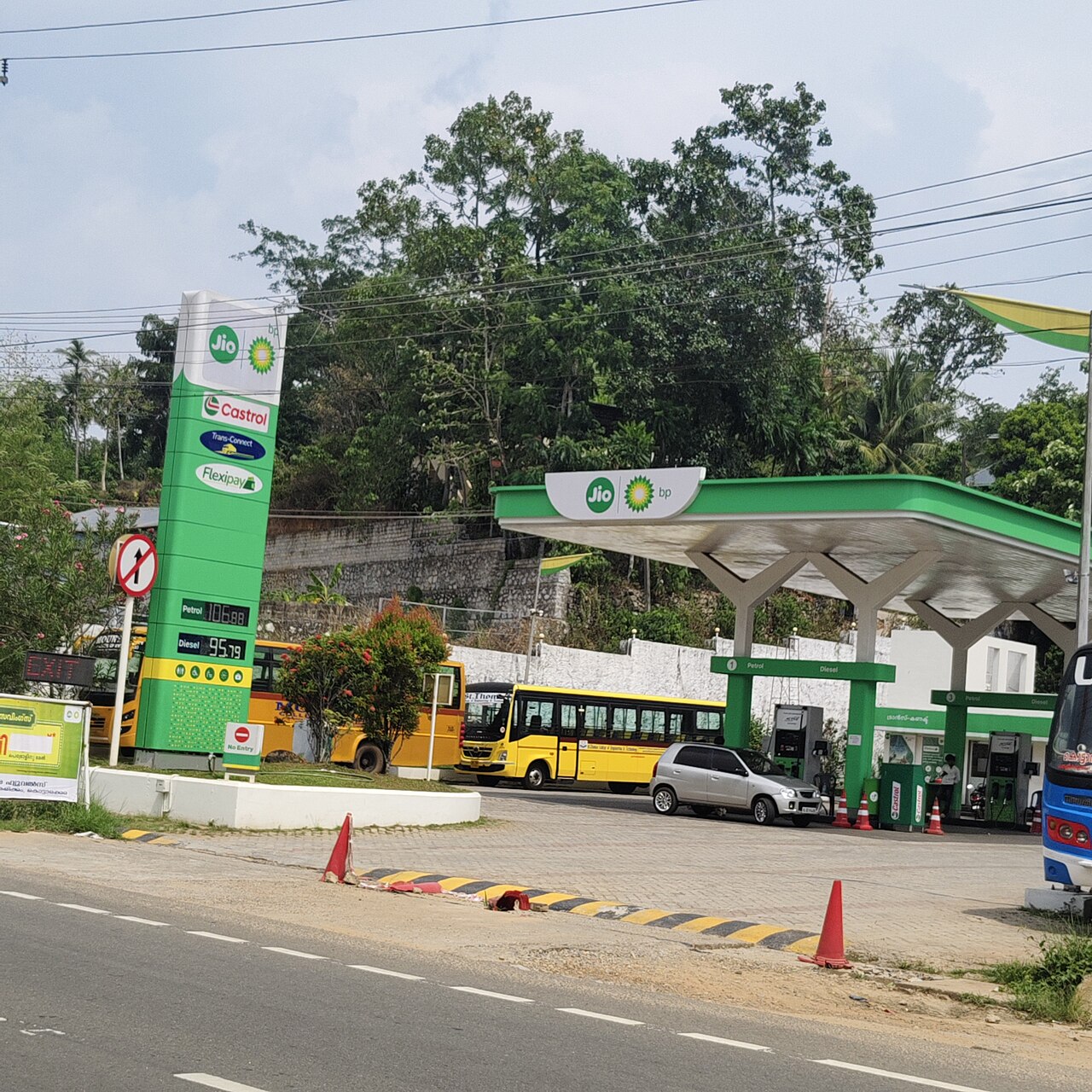
- India’s finance ministry warns of a new inflation threat due to fuel-price hikes and weak monsoon forecasts.
- The Ministry of Economic Affairs highlights the Strait of Hormuz disruption as a critical factor for inflation and growth.
- Retail inflation remains below target, but wholesale inflation has surged to 8.3%.
- India’s weather office predicts the weakest monsoon in 11 years, threatening crop yields.
- Analysts fear a broader inflation cycle could emerge, impacting growth and price stability.
Source: Read original article
India stands on the brink of an inflationary storm, with the finance ministry issuing a stark warning about the combined impact of rising fuel prices and a dismal monsoon forecast. The ministry’s report, released on May 30, paints a troubling picture: a potential end to India’s recent period of stable retail inflation, with the Strait of Hormuz disruption looming as a pivotal factor for the nation’s economic outlook.
The numbers are already unsettling. While retail inflation remains modest at 3.48%, wholesale inflation has surged to 8.3%, indicating that producer costs are rising sharply. This pressure is compounded by the India Meteorological Department’s forecast of the weakest monsoon in over a decade, which threatens to stress crops and elevate food prices.
In this tense environment, the central question is whether this is a temporary shock or the start of a more entrenched inflation cycle. The finance ministry suggests a stance of ‘cautious resilience,’ but analysts are less optimistic, warning that the convergence of fuel and food inflation could force the Reserve Bank of India into a more aggressive policy stance.
As India grapples with these dual threats, the focus will be on the progress of the monsoon and the stability of Gulf energy supplies. The coming weeks will be crucial in determining whether the government can maintain its current outlook or if a more assertive approach to inflation control will be necessary.
The RBI had already warned in its annual report, released this week, that geopolitical tensions could intensify supply-side pressures and that the progress and distribution of the southwest monsoon would be critical for the 2026-27 outlook, giving the latest finance ministry language added weight rather than leaving it as an isolated warning. The most important new development is that this is no longer being framed as a distant geopolitical risk: in its May Monthly Economic Review, released Saturday, May 30, the Department of Economic Affairs said recent petrol and diesel price increases could start feeding through both directly and indirectly into inflation, while a deficient monsoon could simultaneously lift food prices.
On May 29, Reuters reported India’s weather office had forecast below-average monsoon rains for 2026, raising the possibility of crop stress in non-irrigated regions and reviving fears over rice and other staples. There is no announced vote or hearing attached to this report, but the practical deadlines are immediate: incoming monsoon data, fuel-price transmission over the next few weeks, and the next inflation releases will determine whether “cautious resilience” remains the government’s baseline or gives way to a more explicit inflation-fighting response.
3%, a sign that producer-side cost pressure is already building before the full pass-through hits consumers. Reuters reported the ministry’s warning in unusually blunt terms, saying retail inflation “could rise” because of fuel-price hikes and weaker-than-normal rains, as energy supply disruptions tied to the Middle East conflict continue.
The finance ministry also pointed to strong April export growth helping narrow the trade gap, yet that cushion is now competing with a 2026 monsoon forecast that Reuters described on May 29 as potentially the lowest rainfall in 11 years. On May 30, the finance ministry’s review effectively fused that weather threat with the energy shock, warning that fuel inflation and food inflation may now reinforce each other rather than arrive separately.
India’s finance ministry has sharply escalated its inflation warning, saying a new fuel-price shock layered on top of forecasts for the weakest monsoon in 11 years could end India’s recent run of benign retail inflation and make the Strait of Hormuz disruption “the single most consequential variable” for prices and growth. That is the twist that makes this report stand out: India had been taking comfort from low headline CPI, but the government is now openly signaling that the inflation picture could worsen even without a domestic demand boom.
3%, a sign that producer-side cost pressure is already building before the full pass-through hits consumers. 3%, indicating that producer costs are rising sharply.
Reuters reported the ministry’s warning in unusually blunt terms, saying retail inflation “could rise” because of fuel-price hikes and weaker-than-normal rains, as energy supply disruptions tied to the Middle East conflict continue. On May 30, the finance ministry’s review effectively fused that weather threat with the energy shock, warning that fuel inflation and food inflation may now reinforce each other rather than arrive separately.
The ministry’s report, released on May 30, paints a troubling picture: a potential end to India’s recent period of stable retail inflation, with the Strait of Hormuz disruption looming as a pivotal factor for the nation’s economic outlook. India’s finance ministry has sharply escalated its inflation warning, saying a new fuel-price shock layered on top of forecasts for the weakest monsoon in 11 years could end India’s recent run of benign retail this topic and make the Strait of Hormuz disruption “the single most consequential variable” for prices and growth.
The scale and speed of this development has caught many observers off guard. Each new update adds another dimension to a story that is still unfolding, and the full picture will only become clear as more verified details emerge from the people and institutions directly involved.
Analysts who have tracked this issue closely say the current moment represents a genuine turning point. The decisions made in the coming weeks are expected to set the direction for months ahead, with ripple effects likely to extend well beyond the immediate actors in the story.
For those directly affected, the practical impact is already visible. People navigating this fast-changing situation are dealing with real consequences while new information continues to reshape what is known and what remains open to interpretation.
Historical parallels offer some context, though experts caution against drawing too close a comparison. Similar situations have played out before, but the specific combination of pressures, personalities, and timing here makes this moment distinct in ways that matter for how it ultimately resolves.
The political and economic dimensions of this story are deeply intertwined. What appears as a single event on the surface is in practice the convergence of multiple pressures that have been building quietly over a longer period than most public reporting has captured.