59.2 F
San Francisco
Wednesday, August 5, 2026
Home Blog Page 533

Justice Department’s Unexpected Warning to California

0


Key Takeaways:

  • The Justice Department posted a strong statement on social media.
  • It warned against threats to federal officers and political meddling.
  • California passed new rules for ICE agents before this message.
  • Legal experts called the warning vague and politically charged.
  • The post signals a firm federal stand on immigration enforcement.

Justice Department Posts Strong Immigration Warning

On a busy Thursday, the Justice Department released a lengthy message on X. It condemned violence against federal officers. Yet, the language hinted at a broader political purpose. The post warned state and local leaders not to block federal law. It even mentioned “figurative” bounties on federal agents. As a result, many saw it as a warning shot at critics of the MAGA immigration agenda.

The message began by promising that anyone who offers a bounty on federal officers will face the law. It then said the Department would not tolerate threats or interference with federal agents. Next, it urged California officials to stop using police for political battles. In short, it told them to focus on crime, gangs, and drugs. Finally, it vowed to keep making America safe.

Although the post did not name names, its timing was clear. California officials had just approved rules forcing ICE agents to show their faces and IDs. Until now, those agents could wear masks at protests. Many other agencies already require open identification. Thus, the new California laws drew sharp criticism from federal leaders.

Why the Justice Department Warning Matters

First, this post shows the Justice Department’s growing push to defend federal power. In recent years, states have tried to limit immigration enforcement in many ways. Some passed laws that ban cooperation with federal agents. Others offered legal protections to migrants. Consequently, the Department has faced roadblocks in courts and in the field.

Second, the use of social media for an official manifesto is new. Traditionally, the Justice Department issues formal press releases. Yet this time, it used a social platform to send a direct message. This trend reflects a desire to reach viewers instantly and to shape public opinion. It also allows for more political tone, which raises questions about impartiality.

Moreover, the post ties into the broader debate on immigration. On one side, federal leaders demand strict enforcement. On the other, state and local politicians push for humane treatment of migrants. Therefore, each statement can shift how citizens view these issues. In this case, the manifest warning may harden stances on both sides.

Finally, the post’s wording sparked confusion. What is a “figurative” bounty? How does the federal law define interference? Experts say vague terms create legal uncertainty. Thus, the warning may lead to more court battles over civil liberties and state rights.

Reactions from Experts

Legal analysts quickly weighed in on the post. Many scorned its broad tone and unclear language. One lawyer asked why the Justice Department used passive voice in parts of the message. Another joked about Orwellian phrasing that muddles meaning. Thus, the statement became fodder for sharp criticism.

Some national security experts pointed to past incidents for context. They noted that federal agents sometimes work poorly with local police. In fact, one high-ranking official once ordered federal officers into a city without notice. Consequently, that move led to protests and claims of civil rights violations. As a result, critics say the Department must prove its commitment to justice more clearly.

Meanwhile, state leaders defended their new ICE rules. They argued that transparency must guide law enforcement. They claim that hiding identities poses risks to civil freedoms. Accordingly, California’s legislature saw the new law as a way to protect community trust. Thus, both sides now clash over which approach really keeps people safe.

In addition, civil rights groups expressed concern about threats disguised as warnings. They say any hint of retaliation could chill free speech. In turn, that would harm public debate on immigration. Therefore, these groups plan to monitor future actions by the Justice Department and may file lawsuits.

What Happens Next

First, courts may see challenges to the California law on ICE identification. Lawyers could argue that federal authority trumps state rules. Alternatively, judges might side with states on protecting local control. Either way, the legal fight could last months.

Next, federal prosecutors might step up investigations. They could target state or local orders that hinder federal agents. Accordingly, some district attorneys worry about overlapping charges. They fear local police might face federal counts for routine arrests. Thus, coordination between agencies will become essential to avoid conflict.

Then, Congress may enter the debate. Lawmakers could hold hearings on the Justice Department’s social media strategy. They might question whether an official manifesto on X crosses a line. They could also propose laws to clarify federal and state roles in immigration. Consequently, the issue could shape the next legislative agenda.

Meanwhile, public opinion will play a key role. Voters in California and other states will see this showdown as part of a larger culture war. Some will back the tough federal stance. Others will defend state efforts to limit the reach of ICE. As a result, both political parties will use this episode to rally their bases.

Finally, the Justice Department will watch the aftermath closely. If state laws stand, it may shift its approach to social media messages. Conversely, if its warning leads to action in California, it may issue more statements on other hot-button issues. In either case, the federal agency has signaled that it will not sit quietly when its powers are challenged.

FAQs

What did the Justice Department actually post on social media?

It posted a statement on X warning against threats to federal officers and political interference.

Does the warning target California only?

While it mentioned California by name, the message also applied to any state or local officials.

How did California lawmakers react to the Justice Department’s post?

They defended their ICE rules, arguing that transparency and trust matter in law enforcement.

Could this statement lead to legal battles?

Yes, experts expect challenges over state rights and federal authority, and possible court challenges.

Why Proposition 50 Votes Are Anti-Trump

0

Key takeaways:

  • A new poll finds 75% of Proposition 50 supporters back it to oppose Trump.
  • Seventy percent say their vote is a stand against national Republicans.
  • Only 41% of voters cite support for the governor as their main reason.
  • GOP strategists warn these results spell trouble for Republicans in the midterms.

A recent poll shows that most voters backing Proposition 50 in California want to oppose President Trump. This ballot measure would add five Democratic U.S. House seats in California. Yet, three out of four people supporting Proposition 50 say they do so to push back against Trump. As a result, the vote has become a national statement rather than a local map change.

Proposition 50 Poll Reveals Strong Trump Opposition

According to a survey of likely voters, 75 percent say their “yes” vote on Proposition 50 is a way to fight President Trump. Moreover, seven in ten supporters say they back it to stand against national Republicans. Meanwhile, just 41 percent say they support the measure to back Governor Newsom. Therefore, most voters see Proposition 50 as a chance to send a message to the White House.

In fact, when asked if California gets treated worse by the Trump administration than other states, many voters agreed. They see Proposition 50 as a chance to push back against policies they dislike. As a result, support for the measure has grown over time.

Why It Matters for the Midterms

This trend worries Republicans as they head into the midterm elections. Mike Madrid, a political strategist and former California GOP official, called the poll a “really bad sign” for his party. He pointed out that voters treating Proposition 50 like a referendum on Trump could hurt GOP turnout.

Jake Sherman of Punchbowl News noted that the initiative leads by a wide margin. He said Republicans aren’t even trying to contest it anymore. Sherman added that the poll results surprised Democrats too. They feared support might slip, but it actually rose over time.

Beyond Map Lines: A Political Statement

Proposition 50 began as a plan to add seats and balance growing populations. Yet now it has become about national politics. Voters see it as a way to express their feelings about Trump. Therefore, the map change is only part of the story. The bigger story is how national issues shape local votes.

For many supporters, Proposition 50 is more than redistricting. It’s a simple choice: back Democrats or back the president. In California, those lines are clear. When national politics are at play, Democrats tend to win.

Voices Weigh In on Proposition 50

Progressive commentator Neera Tanden pointed out that many ballot measures gain support over time. She said Proposition 50 depends on Trump’s actions, which have only driven more voters to say “yes.” Her view suggests the president’s behavior fuels ballot momentum.

Jacob Rubashkin from Inside Elections agreed. He explained that unlike complex measures, Proposition 50 is easy to frame as a Democrat vs. Republican fight. In California, that frame boosts support significantly.

New York Times columnist Ronald Brownstein added that a majority of Californians disapprove of Trump’s job performance. He noted strong opposition to his handling of issues like deportation and National Guard deployment. Brownstein sees a clear link between those views and the 62 percent backing of Proposition 50.

What Comes Next for Proposition 50

With support high, Proposition 50 seems likely to pass. If it does, California will gain five new U.S. House seats. All those seats will be drawn by an independent commission. However, the political fallout may reach much farther than California.

First, Republicans may rethink their approach to statewide ballot fights. They risk losing ground if voters treat every proposition as a test of Trump’s popularity. Second, Democrats may see new energy for future ballot measures. They could push for changes on issues beyond redistricting.

Finally, national leaders will watch how this vote shapes the midterms. If Proposition 50 passes decisively, it could signal trouble for Republicans in other states. Voters may use local ballots to voice national concerns.

Preparing for the Vote

As election day approaches, both sides will ramp up their campaigns. Supporters of Proposition 50 will lean into the anti-Trump sentiment. They will highlight the poll numbers and frame the vote as a stand against unfair treatment of California.

Opponents will likely stress the costs and question the map change process. Yet, they face an uphill battle if national issues dominate. Without a strong local message, they risk losing voters focused on Trump.

Conclusion

Proposition 50 began as a plan to adjust district lines in California. Yet, it has turned into a national political statement. With 75 percent of supporters motivated by anti-Trump views, the measure shows how local votes can reflect broader discontent. As California heads to the polls, the fate of Proposition 50 may foreshadow trends in other states. Ultimately, this ballot fight proves that redistricting can become the latest front in the culture war.

Frequently Asked Questions

What is Proposition 50?

Proposition 50 is a California ballot measure that would add five new U.S. House seats. It aims to reflect population growth and change the state’s political map.

Why are voters supporting Proposition 50?

Many supporters back it to oppose President Trump and national Republicans. They see it as a way to send a message to Washington.

How will Proposition 50 affect California’s political representation?

If it passes, California will gain five Democratic-leaning congressional seats. An independent commission will draw the new district maps.

Could Proposition 50 influence other ballot measures?

Yes. Its success could encourage Democrats to use local ballots for national statements. It may also prompt Republicans to rethink their strategy on statewide initiatives.

Trump’s White House Ballroom Sparks Fierce Backlash

0

Key takeaways

• Press secretary Karoline Leavitt says President Trump’s top goal is a $200 million ballroom addition.
• Her comments sparked fierce criticism from Democrats on social media.
• Lawmakers argued he should focus on reopening government and paying civil servants.
• Critics highlighted rising costs of living and healthcare as more urgent priorities.
• The debate raises questions about White House spending and political focus.

On Thursday, White House press secretary Karoline Leavitt told reporters that President Trump’s “main priority” right now is adding a $200 million ballroom to the White House. Her words set off a wave of criticism among Democratic lawmakers, staffers, and online pundits. Critics argued Trump cares more about luxury upgrades than Paychecks for furloughed workers or restoring vital programs.

What the Press Secretary Said

Leavitt was asked if Trump plans more renovations. She replied, “Not to my knowledge, no, but he’s a builder at heart. His mind is always churning about how to improve things on the White House grounds. But right now, the ballroom is the president’s main priority.”

In simple terms, she meant that the ballroom addition tops Trump’s to-do list for the building. However, many listeners heard a broader claim: that Trump values a lavish room over Americans’ basic needs.

Critics Seize on Ballooning Costs

Almost immediately, Democrats pounced on social media. Senate Minority Leader Chuck Schumer wrote, “Honestly, you can’t make this up.” House Democrats pointed out that Americans struggle with high grocery bills, sky-high insurance costs, and a potential government shutdown. They asked, maybe national security or healthcare deserves more attention?

Meanwhile, the account for House Homeland Security Committee Democrats declared, “It’s clear national security is not his main priority.” Another voice urged, “Run this in every single ad next year. Every. Single. One.” The sentiment was loud and clear: critics see the ballroom talk as tone-deaf.

Debate Over the White House Ballroom

The debate over the White House ballroom centers on two questions. First, should a luxury addition outrank urgent government matters? Second, what does this detail say about Trump’s leadership?

Supporters might say home improvements are normal. Yet, a $200 million price tag feels out of touch when parts of the government remain unfunded. As Americans worry about job pay and healthcare, many wonder why the White House ballroom takes such a high spot on the list.

Social Media Erupts

Social media users lit up over Leavitt’s comments. A Democratic House staffer shared a famous movie line: “I’m mad as hell and not going to take it anymore.” Others posted memes and GIFs mocking the idea of a massive new ballroom.

At the same time, independents and some Republicans expressed surprise. They asked if the White House truly needs another event space. Some wondered how the renovation would affect historic preservation and existing public areas.

Could This Affect Government Funding?

Beyond the drama on Twitter, the ballroom issue raises real stakes. If the government stays shut, millions of civil servants may not get paid. Funding gaps also stall programs like health insurance subsidies. Critics argue closing those gaps should come before luxury projects.

In addition, Democratic leaders have threatened to block other priorities unless Trump agrees to reopen parts of the government. This standoff could stretch on, and the ballroom talks add tension. Will lawmakers push harder on funding, or will luxury renovations shift attention?

Political Fallout and Public Opinion

Experts say public opinion could turn against Trump over this. Polls show Americans worry most about inflation, job security, and healthcare costs. A lavish ballroom may seem trivial by comparison.

However, some supporters view the renovations as part of presidential tradition. Past presidents updated the White House. Yet, none faced a partial shutdown or mass furloughs while paying for new wings. This moment feels unique.

What Comes Next?

The White House has not released detailed plans or a timeline for the ballroom. Opponents demand more transparency on costs and contractors. They also call for a clear plan to pay furloughed workers.

In the weeks ahead, Democrats may use the ballroom remarks in campaign ads. Already, one PAC said, “Nobody voted for this.” As the standoff continues, this new focal point may shape debates on spending and priorities.

Meanwhile, the White House insists it will address funding issues. Yet for now, the ballroom project remains center stage. And as long as the partial shutdown drags on, critics will link every renovation to the broader fight over government pay and services.

What This Means for the White House Grounds

If approved, the new ballroom could host official events, state dinners, and press conferences. Designers say it would blend classic style with modern technology. Yet preservationists worry about altering historic spaces and views.

Moreover, construction will likely disrupt grounds access for tourists. Some fear that the treasured public gardens could suffer from heavy machinery and fencing. On the other hand, proponents highlight improved security and better event flow.

Balancing Tradition and Urgency

Every president faces the balance between tradition and urgent needs. Renovating the White House has deep roots in history. But choosing to build amid a funding crisis sends a strong message.

Florence, a high school student following the story, said, “It sounds weird to spend so much on a party room when people can’t pay rent.” Her words capture the frustration many feel. At a time when families skip meals or delay medicine, a grand ballroom feels out of touch.

Key Takeaways Revisited

In the end, the ballroom debate reflects deeper issues.

• Leaders must decide how to spend public funds wisely.
• Public trust can erode if luxury outweighs basic needs.
• Political battles over funding could intensify.
• Historic preservation and public access remain at risk.
• The final outcome may shape future election messages.

FAQs

Why did the press secretary call the ballroom Trump’s main priority?

She spoke about the White House grounds and what Trump wants to do next there. She meant building the new ballroom tops his list of renovation ideas.

How much will the ballroom addition cost?

The plan mentions roughly $200 million for the new ballroom, though final costs could change.

Why do critics oppose the White House ballroom plan?

Critics say Mr. Trump should focus on paying government workers, reopening parts of the government, and helping Americans who face high living costs.

What might happen next after these remarks?

Democrats may use these comments in campaign ads. Lawmakers could push harder on funding bills. The debate will likely keep the ballroom plan in the spotlight.

Arkansas Farmers Warn Trump: End Government Shutdown Now

0

Key Takeaways:

  • Arkansas lawmakers call on President Trump to end the government shutdown.
  • Farmers risk losing one third of their operations without federal aid.
  • Closed USDA offices delay essential loans during the shutdown.
  • Tariffs and an expired Farm Bill add to farmers’ financial stress.
  • Some Farm Service Agency offices will reopen with unpaid staff.

Arkansas Farmers Plead for End to Government Shutdown

Arkansas is urging swift action to end the government shutdown. As the shutdown nears its fourth week, rural lawmakers worry about the survival of thousands of farms. Republican state representative DeAnn Vaught, who is also a farmer, described the crisis as “a tsunami coming.” She fears the shutdown will hit her community with severe economic damage.

Lawmakers passed a resolution saying Arkansas needs “strong leadership from President Donald J. Trump.” They want him to resolve the standoff quickly. Otherwise, many local farms could close before next year’s harvest. The resolution warns that delays in federal aid make the shutdown especially harmful to small farmers who depend on timely loans.

Small Farms Struggle Under Government Shutdown

Many farmers rely on the U.S. Department of Agriculture for loans and advice. Because of the government shutdown, most USDA offices have been closed for weeks. Farmers cannot apply for low-interest loans that help them buy seeds, equipment, and land. As a result, some growers worry they will run out of money before spring planting.

In Arkansas, roughly one third of all farms could shut down if aid stays locked up. Montana State University professor Vincent Smith says delays make getting bailout money hard. Farmers who qualify for trade-related payments may miss out entirely if the shutdown drags on. Smith warns that every extra day of closure deepens the financial hole for these farmers.

Tariffs and Expiring Farm Bill Worsen Crisis

Aside from the government shutdown, farmers face other hurdles. The Farm Bill expired, so programs that support crop prices and conservation are on pause. Meanwhile, tariffs on U.S. agricultural goods have led some countries to buy less corn, soybeans, and rice. Lower sales abroad mean fewer dollars in farmers’ pockets at home.

President Trump has promised to use tariff revenue to support farmers through a bailout. However, details remain unclear now that the shutdown has frozen many federal operations. Lawmakers fear that without a solid plan, the combination of expiring programs, trade fights, and the shutdown will collapse family farms across red states.

Reopening USDA Offices Offers Limited Relief

Agricultural Secretary Brooke Rollins announced that Farm Service Agency offices will reopen soon. Staffers will return without pay to approve loans and payments. This move could free up about three billion dollars in emergency aid. Some farmers already lost hope after weeks of closed offices, though.

Chris Gibbs grows corn and soybeans in Shelby County, Ohio. He said he feels “extreme pressure” from lost sales and frozen loans. Gibbs has waited to apply for a commodity loan that keeps his operation running. Although FSA offices will reopen, he worries the delay will cost him the money he needs now. “We’re going to lose some farmers,” he said.

Looming Bailouts and the Road Ahead

If the government shutdown ends soon, farmers may get relief before spring planting. They could receive trade aid and emergency loans that protect them from rising costs. However, if the stalemate continues, many small farms won’t survive until next season.

Arkansas lawmakers hope their resolution sends a strong message to the White House. They believe swift action can prevent widespread farm closures. Meanwhile, farmers keep working their fields and counting the days until federal aid arrives. Their future depends on whether the shutdown ends before economic damage becomes irreversible.

What Happens Next for Farmers

Farmers need clear plans and quick help. They want the president and Congress to restore funding and staff emergency programs. In addition, they hope for a long-term Farm Bill that supports crop prices and conservation. Until then, growers in Arkansas, Ohio, and other states face an uncertain spring.

The warning from red state farmers shows the shutdown’s wide reach. It is no longer just a political fight in Washington. It affects families, local economies, and the nation’s food supply. As the government shutdown stretches on, pressure mounts on leaders to find a solution that keeps farms afloat.

Frequently Asked Questions

How long has the government shutdown lasted?

The shutdown has continued into its fourth week, closing many federal offices since early last month.

Why are farm loans delayed?

USDA and Farm Service Agency offices closed during the shutdown, pausing loan applications and approvals.

What is at risk if the shutdown continues?

Without aid, about one third of Arkansas farms and many in other states could close before next harvest.

How will farmers get help once offices reopen?

Unpaid staff will return to process loans and emergency trade aid payments, but delays may still harm small operations.

Why ICE Agents Swap Illinois License Plates

0

Key Takeaways:

• Illinois agents are accused of swapping license plates to stay hidden.
• Secretary Giannoulias launched a “Plate Watch” hotline for reports.
• Plate swapping is illegal and now under state investigation.
• ICE agents must follow the law like everyone else.
• Past misconduct led to a judge ordering body cameras for ICE agents.

A new report says ICE agents have been changing Illinois plates on their vehicles. This tactic helps them avoid being spotted. In response, Illinois Secretary of State Alexi Giannoulias has spoken out. He says no one can break the law, including federal officers.

Secret Plate Swaps Raise Alarm

Recently, residents spotted cars with different Illinois plates. They watched as agents removed one set of plates and attached another. These plate swaps took place in plain view of the public. Yet, people felt they could not stop or question ICE agents. That made many uneasy.

Meanwhile, officials learned that agents used the wrong plates while driving on state roads. This move could hide where agents travel or who they follow. Indeed, it may help them carry out arrests without drawing attention.

Illinois Official Confronts ICE Agents

Secretary Giannoulias launched the “Plate Watch” hotline this week. He wants citizens to call in if they see license plate swapping. He states, “Swapping out Illinois license plates is illegal. As Secretary of State, I have zero tolerance for this activity.” He also said the state is already investigating allegations.

Giannoulias added, “No one, including federal agents, is above the law. We will hold them accountable while driving on our roads.” He stressed that public safety and community well-being depend on following traffic rules.

Past Accusations Against ICE Agents

This is not the first time ICE agents faced serious claims. Not long ago, a judge ordered ICE agents to wear body cameras. The ruling came after agents fired pepper balls and other nonlethal weapons at protesters without clear reason. The court found that such actions required more oversight.

Therefore, the Plate Watch move follows a pattern of concerns over ICE agents’ methods. Citizens and civil rights groups have called for more transparency. They want to know how and why agents use force or hidden tactics.

How the Hotline Works

Residents can report suspects using a dedicated phone line. Callers should note the time, location, and a description of any car involved. They can also record a short video or take photos. The state asks for as much detail as possible.

Once a call comes in, investigators will check license plate records. They will compare the plates on file with those seen on the road. If plates do not match the registered vehicle, officials may issue penalties.

What This Means for Communities

The plate swap issue shows why rules must apply to every driver. If ICE agents break traffic laws, they risk public trust. Communities need fair and safe policing. When federal officers follow state law, people feel their rights are respected.

Moreover, clear rules protect innocent drivers. A swapped plate could cause mistakes by toll cameras, parking enforcers, or law enforcement. Victims may face fines or misidentification. Therefore, stopping illegal plate swaps helps everyone.

Possible Legal Consequences

Under state law, driving with false plates can lead to fines, license suspension, or even jail time. Charges vary based on intent and harm caused. If the state proves an agent knowingly switched plates, it may treat the act as a criminal offense.

Federal agents usually enjoy certain protections. Yet, state officials say they can still enforce traffic codes on state roads. Thus, ICE agents face the same risks as any other driver who breaks plate laws.

Voices From the Neighborhood

Some residents say they felt uneasy when they saw agents swap plates. They worried about being followed or recorded. Others felt relief that the state now takes action. One local driver said, “It’s good to know someone listens when we see strange behavior.”

Civil rights advocates welcomed the new hotline. They see it as a step toward more oversight of enforcement actions. They hope the state will share more data on complaints and outcomes.

Next Steps for the Investigation

Investigators will review all hotline tips over the coming weeks. They will gather witness statements and any available footage. If they confirm illegal plate swaps, they will notify federal supervisors and may issue tickets.

Additionally, the Secretary of State’s office plans outreach events. They want to teach people how to spot plate tampering. They will hold community meetings in towns across Illinois.

How You Can Help

Stay alert on roads and parking lots. If you see a plate swap, record details safely. Do not chase or confront any agent. Instead, call the Plate Watch hotline. Share the time, place, vehicle description, and pictures if possible.

Above all, know that state officials take these reports seriously. You play a key role in keeping roads fair and safe. Reporting suspicious acts ensures no one escapes accountability.

Conclusion

Allegations that ICE agents swap Illinois license plates have sparked a state response. Secretary Giannoulias introduced a hotline to track plate tampering. He made it clear that all drivers must follow state laws. With community help, Illinois aims to protect road safety and restore trust in law enforcement.

Frequently Asked Questions

What should I do if I see a license plate swap?

Stay safe and gather details. Note the time, location, and vehicle description. If possible, take a photo or video. Then call the Illinois Plate Watch hotline to report.

Are federal agents allowed to ignore state traffic laws?

No, federal officers must follow state traffic laws when they drive on state roads. They have different duties, but they cannot break vehicle code rules.

Can plate swapping lead to criminal charges?

Yes. Swapping license plates can be a misdemeanor or felony if the act hides criminal intent. Penalties include fines, license suspension, or jail time.

How will investigations protect witness privacy?

State officials aim to keep reporters’ identities confidential. They will use shared tips to build cases without revealing who made the report.

Why Jasmine Crockett Could Run for Senate

0


Key takeaways:

  • Rising star Jasmine Crockett weighs a Senate bid against Texas GOP heavyweights.
  • Would face Sen. John Cornyn and challengers in both Republican and Democratic primaries.
  • Her campaign talk centers on expanding turnout among young and new voters.
  • Supporters say she brings energy and fresh ideas to Texas politics.

Jasmine Crockett Eyes Senate Race

In a surprising twist, Representative Jasmine Crockett is thinking about a Senate run. Her comments came after Texas Republicans redrew her House district. In fact, the new lines make her seat tougher to hold. Therefore, she joked about switching contests and taking on the statewide race. If she jumps in, she could shake up Texas politics.

Ted Cruz Calls Her “Crazy”

During a recent interview, Senator Ted Cruz reacted sharply to news of her potential bid. He said he’s seen polls showing her leading the Democratic primary. However, he added that today’s Democratic Party “has no shortage of crazy.” The remark sparked buzz across social media. Meanwhile, supporters rushed to defend Crockett’s record.

A Crowded Democratic Field

If Crockett joins the contest, she won’t run alone. Former Representative Colin Allred is likely to enter. He built his reputation challenging Cruz in 2024. In addition, state Representative James Talarico filed to run back in September. Astronaut Terry Virts also signaled his interest. Consequently, Crockett would face a tough primary fight.

What Jasmine Crockett Brings to the Table

First, she built a solid base in Dallas. Her district covers parts of the city where young people live. Next, Crockett speaks directly to voters who rarely head to the polls. She plans to test turnout models and tap new demographics. Therefore, her campaign theme centers on expanding the electorate.

Strong Voice on Key Issues

Crockett often highlights natural disaster responses in Texas. For example, she criticizes state officials for slow flood rescue efforts. She also points to cuts in federal aid under President Trump. As a result, her message appeals to families worried about safety and resources. Moreover, she draws support from progressive activists eager for change.

Support from Fellow Democrats

Representative Al Green praised her potential run. He said she can fire up young and first-time voters. In his view, Texas is changing as more young people register to vote. Similarly, Senator Joaquin Castro described her as tireless and charismatic. Castro added that she brings a spark to every campaign event. Such endorsements show growing confidence in her appeal.

How the Primary Could Unfold

The Democratic primary will test her campaign skills. Polls suggest she might take an early lead among registered Democrats. However, Allred boasts strong name recognition across the state. Meanwhile, Talarico appeals to more centrist blue voters. Additionally, Virts could draw interest from moderate independents. Consequently, Crockett needs a clear strategy to stand out.

Redistricting and “Karma”

In an interview on SiriusXM, Crockett described redistricting as “karmic.” She explained that Republicans took away her district’s core voters. So she feels entitled to challenge a seat of 30 million Texans. She also said the primary is only the start. After winning that, she must win the general election. Thus, her gamble rests on turning new faces into voters.

Expanding the Electorate

Crockett plans targeted outreach to bring more people to the polls. She mentioned testing messaging to identify which groups respond best. For example, she wants to reach voters who rarely vote in non-presidential years. She also hopes to mobilize community leaders to host local events. Ultimately, she believes small shifts in turnout can decide close races.

Potential Impact on Voter Turnout

If Crockett succeeds in sparking interest, she could redefine voter engagement in Texas. New voters often lean younger and more diverse. Therefore, her campaign might reshape future races across the state. Moreover, a high turnout in her favor could encourage other progressives to enter similar contests next cycle.

Facing Senator John Cornyn

On the Republican side, Senator John Cornyn is a seasoned incumbent. He’s served in the Senate since 2002 and holds key committee roles. Cornyn has strong fundraising networks and endorsements. However, he may face growing discontent among suburban voters. In that scenario, Crockett would pitch herself as a fresh alternative.

Ted Cruz’s Warning

Cruz’s “crazy” remark may reflect broader GOP concern. He and Cornyn represent different wings of the party, but both oppose her bid. Despite his harsh tone, Cruz noted that Democrats have plenty of “crazy.” That comment could backfire by mobilizing her supporters. Opposition attacks often drive outsiders’ energy.

Challenges Ahead

A statewide race in Texas demands huge resources. Campaign ads, staff, and events cost millions. Crockett must prove she can raise enough money. Also, she needs to build a network beyond her Dallas base. Meanwhile, she faces the reality of a Republican-leaning electorate in statewide contests. Thus, the odds remain tough.

Why Some Believe in Her

Still, backers point to shifting demographics in Texas. Urban areas keep growing, and blue pockets appear around major cities. A motivated base of young voters could tip the balance in close races. In fact, several recent contests in Texas showed just how competitive they can be. Therefore, Crockett’s strategy banks on those changing trends.

Looking Ahead to 2026 Election

The filing deadline for the Senate race isn’t until next year. So Crockett has time to test the waters. She can attend town halls, raise small dollars, and gauge volunteer interest. At the same time, opponents will solidify their own campaigns. Consequently, the next several months will be crucial for all contenders.

What Comes Next

First, Crockett’s team will finish its polling and focus group tests. Then, she’ll announce whether she’s fully committed. Should she decide to run, expect a formal launch with detailed policy plans. If not, she’ll likely seek re-election in her current seat. Either way, observers expect her to remain a key figure in Texas politics.

The Bottom Line

Jasmine Crockett’s possible Senate bid has already made waves. She brings energy, a plan to expand turnout, and clear critiques of the status quo. Yet she faces heavy hitters in her own party and tough general election odds. Consequently, her decision will influence Texas politics for years to come.

Frequently Asked Questions

How likely is a Crockett Senate run?

Her polling and redistricting fight make it plausible. She’s testing outreach and waiting on numbers.

Who opposes her in the Democratic primary?

Colin Allred, James Talarico, and Terry Virts are likely challengers.

What issues would she highlight on the campaign trail?

She would stress disaster response, federal aid, voting rights, and government accountability.

Could she beat Senator Cornyn?

It would be difficult, but strong turnout among young and new voters might narrow the gap.

Inside the North Carolina redistricting battle

0

Key takeaways:

  • Republican lawmakers approved a new congressional map in a party-line vote.
  • Bishop William Barber II calls it “surgical racism” and filed a lawsuit.
  • The map could give Republicans 11 of North Carolina’s 14 US House seats.
  • Repairers of the Breach will hold public meetings and legal challenges.

Republican leaders in Raleigh approved a new congressional map this week. Critics say it shifts Black voters out of certain districts. They warn this move will weaken voices in the state’s Black Belt region. Bishop William Barber II labeled the map “surgical racism with surgical precision.” He spoke at a packed news conference to unveil a lawsuit against the new plan.

The state Senate passed the map earlier this week. The state House followed with a party-line vote. Under state law, Governor Josh Stein cannot veto it. Once in place, the map could boost the GOP’s share of US House seats from ten to eleven after the 2026 midterm elections. President Trump had urged Republicans to redraw lines mid-decade in states like Missouri, Texas, and North Carolina. His allies in Raleigh answered his call.

What North Carolina redistricting means for voters

The new plan moves some Black voters from the 1st District into the 3rd District. Had these lines applied in 2024, Trump would have captured 55 percent in the 1st, up from 51 percent. This shift could lock in Republican gains for years. Meanwhile, Black voters still make up about 40 percent of District 1’s population. Latino residents form roughly seven percent. In a fair map, these communities could unite with rural and working-class white voters to win key races.

However, Republicans chose to redraw lines instead of winning support at the ballot box. They quietly shuffled counties to protect their power. This tactic worries many voters. They fear their votes will count less in heavily altered districts. Furthermore, this strategy could dilute minority voices across the state.

Barber calls the effort “political robbery.” He argues the GOP aims to steal basic rights through racially based gerrymandering. By controlling Congress, they can cut healthcare, block higher wages, and even limit future voting access. “When you steal people’s representation,” he said, “you steal their healthcare, their wages, and their future.”

The path forward: legal action and public meetings

At his press conference, Barber announced a lawsuit against state lawmakers. He pledged to fight gerrymandering “in the courts, in the streets, and at the ballot box.” He also revealed plans for a “Mass Moral Fusion Meeting” and public hearing on November 2. “If they won’t hold public hearings, we will,” he declared. “This is our Edmund Pettus Bridge moment… Black, white, and brown together—because our democracy is not for sale.”

Repairers of the Breach will work with local groups to gather testimonies from affected communities. They hope judges will strike down the map as illegal under the state constitution. Meanwhile, activists will push for fair lines ahead of the 2026 elections. They aim to show that real power comes from voters, not politicians drawing lines in secret.

Why this fight matters

Redistricting happens every ten years after the census. But mid-decade moves are rare and often seen as extreme. North Carolina’s case highlights a broader trend. Across the country, some parties redraw maps to stay in power rather than win votes. These tactics can undermine democracy and weaken public trust.

In North Carolina, the outcome could reshape Congress. An extra seat for Republicans may tip the balance of power in Washington. It could affect decisions on healthcare, jobs, and voting rights nationwide. That makes this fight more than a local issue. It shows how state politics can echo on the national stage.

Citizens and community leaders say they won’t back down. They plan to expose the map’s unfair edges and demand transparency. Through legal battles and mass meetings, they hope to remind officials that true power lies with the people. As Barber put it, “The people’s will cannot be gerrymandered out of existence.”

FAQs

How did the new congressional map change districts?

The new lines shift some Black voters from North Carolina’s 1st District into the 3rd District. This change aims to boost Republican chances by redistributing key voting blocs.

Who is Bishop William Barber II?

Bishop Barber leads the group Repairers of the Breach. He advocates for voting rights, social justice, and fair redistricting efforts across North Carolina and beyond.

What legal steps are planned against the map?

Repairers of the Breach filed a lawsuit arguing the map violates the state constitution. They will gather community testimonies and ask courts to block the map before 2026.

How can I get involved in the fight?

Attend public hearings and the Mass Moral Fusion Meeting on November 2. You can also support local voting rights groups and share information about fair redistricting.

FBI Visits Protesters Fuel Fear of Speech Crackdown

0

Key takeaways:


  • FBI visits protesters under NSPM-7 target immigration rally participants.
  • Special needs teacher Miles Serafini faced agents at home after a June protest.
  • The DOJ and ICE Protection Task Force now treats protest activity as terrorism risk.
  • Civil rights advocates warn these FBI visits protesters may chill free speech.

FBI visits protesters: New orders behind the action

Under a recent presidential order, the FBI visits protesters’ homes to investigate peaceful rallies. In June, Miles Serafini, a 26-year-old special needs teacher, joined a protest at an ICE office in Arizona. Shortly after, two agents showed up at his door. They only gave their first names, “James” and “Keith.” He recorded the visit on his home security camera.

The visit came after President Trump signed National Security Presidential Memorandum 7. It directs the Justice Department to treat “extremism on migration” as a terrorism warning sign. Then Attorney General Pam Bondi created a temporary ICE Protection Task Force. She added FBI agents to it. She said law enforcement can stop plots before they turn violent.

Agents told Serafini they were asking questions about a protest on June 11. They said his name came up during their checks. They asked why he joined alone. They also asked where he found the protest flyer and who organized the event. Serafini said he did not know anyone there. He had gone by himself.

Despite his honest answers, agents kept implying he was hiding something. They wondered if a “shadowy entity” ran the protest. Serafini called it a waste of FBI time. Before they left, they warned him it might not be the last time. That threat scared him so much he skipped later protests.

How FBI visits protesters affect free speech

These FBI visits protesters risk creating a chilling effect. When people fear they may face an unannounced visit, they may stop speaking out. They may skip rallies they believe in. Independent journalist Ken Klippenstein pointed out this danger. He says that investigating political speech this way can scare away peaceful voices.

Moreover, labeling migration rallies as potential terrorism could widen government power. It blurs lines between violent plots and peaceful protest. As a result, organizers might self-censor. They may avoid planning public events. Even simple acts of dissent could invite scrutiny.

Rights groups worry the order gives too much discretion to law enforcement. They argue free speech and the right to protest must be protected. However, the new directive treats protest planning as a criminal conspiracy. It lets agents knock on doors of people who never broke any law.

Serafini’s experience shows how ordinary citizens can feel targeted. He joined one demonstration and now he fears FBI visits protesters will be a regular part of his life. He said the agents left him shaken. He no longer felt safe to speak up.

Legal experts also warn this policy could backfire. They say it might undermine trust between communities and law enforcement. Without trust, valuable information about genuine threats could disappear. Citizens may refuse to cooperate, leaving real dangers unreported.

Why this matters now

Public protest has long been a vital part of democracy. People march to call for change and hold leaders accountable. When law enforcement treats peaceful protest as a sign of terrorism, it risks eroding basic freedoms.

Furthermore, the order’s broad language could apply to various causes. Future administrations might use it to target protests on climate, education, or labor. If the FBI visits protesters under any banner, more people will think twice before raising their voice.

To protect democracy, experts say Congress should set clear limits. They recommend defining terrorism in a way that excludes nonviolent protest. They also urge transparency when FBI agents question citizens about rallies.

What happens next

For now, the task force remains active. Agents can still visit homes of those linked to migration protests. Serafini’s case may not be unique. More peaceful protesters might face surprise questions at home.

Watchdog groups plan to monitor the task force’s actions. They hope to gather data on how often the FBI visits protesters. Then they can push for policy changes. Meanwhile, civil liberties advocates continue to warn about the chilling effect.

Whether these FBI visits protesters will spark legal challenges or congressional hearings remains to be seen. Yet the debate highlights a crucial question: How do we balance security and free speech?

FAQs

What is National Security Presidential Memorandum 7?

It is a directive signed by the president that treats “extremism on migration” as a terrorism indicator. It lets the Justice Department investigate protests tied to immigration.

Who is Miles Serafini?

Miles Serafini is a 26-year-old special needs teacher. He joined a peaceful protest at an ICE office in Arizona and then faced an unannounced FBI visit.

How did the ICE Protection Task Force expand?

After NSPM-7, the attorney general added FBI agents to a temporary task force. Its mission is to protect ICE staff and investigate protest-related risks.

Why do rights groups worry about these FBI visits protesters?

They fear surprise home visits will scare people away from protesting. They warn this could chill free speech and weaken trust in law enforcement.

Marjorie Taylor Greene Slams GOP Leadership

0

Key Takeaways

• Marjorie Taylor Greene openly attacked Republican leaders for backing big industries over voters.
• She accused her party of protecting sexual predators and ignoring victims.
• Greene claimed lawmakers fear Truth Social posts and MAGA supporters.
• She blamed Republicans for letting health care subsidies expire.
• The feud highlights deep divides within the GOP.

Why Marjorie Taylor Greene Blames GOP Colleagues

On Wednesday night, Marjorie Taylor Greene joined Tucker Carlson. She used his show to lash out at her own party. She said Republican leaders put big business ahead of people. Moreover, she called them “fake” and “scared.” She also linked their actions to big pharma, health insurers, and the military.

Greene’s Criticism of GOP Leadership

Marjorie Taylor Greene has long questioned her party’s loyalty to President Trump. During the interview, she repeated charges against GOP leaders. She claimed they protect sexual predators instead of victims. Next, she argued they ignored health care help that many needed. She said these choices hurt average Americans every single day.

“I blame them for being so America last,” Greene declared. She noted they cater to Washington’s power brokers. Therefore, they lose touch with voters who want real change.

Greene on Trump, MAGA Support, and Truth Social

Greene said lawmakers only show loyalty to Donald Trump for one reason. She claimed they fear a Truth Social post. In her view, these politicians dread losing support in their home districts. Furthermore, she stressed that MAGA fans back Trump and America First policies.

She explained her point: “People voted for Trump as a referendum on my party.” Thus, she made clear she sees the vote as a protest. She added she often disagrees with her own GOP colleagues.

Greene spotlighted the role of social media in politics. Likewise, she sees Truth Social posts as powerful tools. She believes some Republicans obey Trump’s platform to avoid backlash.

Inside the Health Care and Subsidies Debate

Another big theme of the interview was health care. Marjorie Taylor Greene blamed GOP leaders for letting subsidies expire. She said this choice harmed ordinary families. Meanwhile, she argued that lawmakers should protect health care for people in need.

She also labeled her colleagues as “slaves” to big pharma and health insurance. In her words, they care more about profits than patients. As a result, she demanded that Republicans bring back vital subsidies.

Greene claimed the shutdown talks showed GOP priorities too. She argued that lawmakers focused more on politics than people. Therefore, she sees them as out of touch with real-life struggles.

The Feud Over Epstein Files and Shutdown Talks

Marjorie Taylor Greene has also attacked Republican leadership over other issues. First, she criticized the Trump administration’s handling of the Jeffrey Epstein files. She insists the party should have released more information. Second, she blamed her colleagues for failing to end the government shutdown quickly.

Greene said this standoff hurt federal workers and everyday families. She described leadership as callous and self-serving. In addition, she said they ignored victims of powerful people.

How This Feud Affects the Republican Party

This public clash shows serious tension in the GOP. It hints at a gap between party leaders and the MAGA base. Moreover, it points to a battle for control of the party’s direction.

Some Republicans want to keep a more traditional approach. Others, like Marjorie Taylor Greene, push for a full embrace of Trump’s agenda. As the next elections draw near, these fights could shape campaigns.

Greene’s fiery words may inspire her supporters. However, they could also alienate moderate Republicans. Still, her bold stance underscores deep dissatisfaction within the party ranks.

Greene’s Strategy and Political Style

Marjorie Taylor Greene uses strong language and social media to energize her base. She believes bold attacks force action. Her approach contrasts with calmer, behind-the-scenes negotiation. As a result, she often makes headlines.

She also ties her criticism to policy issues. By linking personal attacks to real-world problems, she fuels a narrative of betrayal. She aims to show that the GOP needs big change.

What Comes Next for Marjorie Taylor Greene and the GOP

The feud is unlikely to end soon. Marjorie Taylor Greene will keep pushing her message. She plans to use every platform she can find. Meanwhile, Republican leaders might try to silence her. Yet, her fans see her as the party’s outspoken voice.

In the coming weeks, pay attention to:
• Committee meetings where Greene clashed with leaders.
• Social media posts she sends out on Truth Social.
• GOP responses at party events and press conferences.
• Any legislation about health care subsidies or Epstein materials.

This conflict could redefine how the Republican Party operates. It might push the GOP either further toward Trump’s brand or back to the center.

Frequently Asked Questions

Why did Marjorie Taylor Greene criticize her own party?

She said GOP leaders protect big industries over voters. She also accused them of shielding sexual predators and ignoring health care needs.

What role did Truth Social play in her argument?

Greene claimed Republicans fear a post on Truth Social. She sees social media as a powerful tool that shapes political loyalty.

How does this feud reflect broader GOP challenges?

The clash shows a split between Trump supporters and traditional Republicans. It highlights debates over policy and party leadership.

Could this conflict change future elections?

Yes. It may shift voter support and influence candidate selection. The fight could redefine GOP priorities in the next campaigns.

East Wing Demolition Sparks Outrage During Shutdown

0

Key Takeaways

  • President Trump plans to tear down the East Wing of the White House during a government shutdown.
  • He wants to build a lavish, corporate-funded ballroom in its place.
  • Former ethics expert Norm Eisen warns this move attacks “human infrastructure.”
  • Federal workers face possible firings and service disruptions.
  • Public opinion and upcoming elections may reflect voter outrage.

What’s Happening to the East Wing?

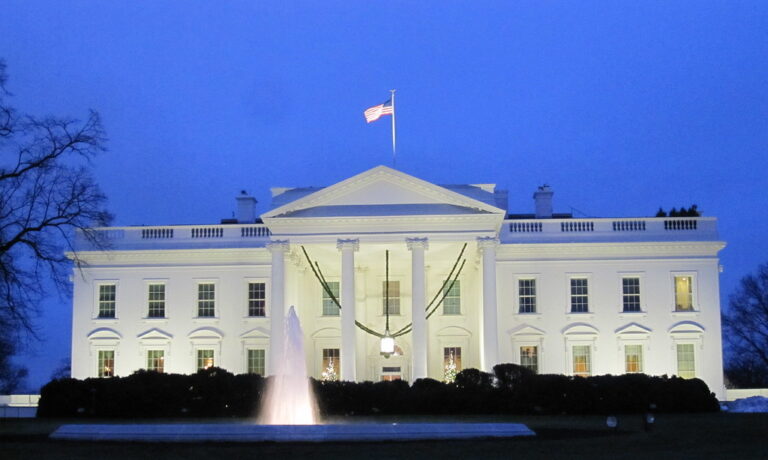
President Trump announced he will demolish the East Wing of the White House. He claims the space will become a grand ballroom paid for by corporations. However, he made this decision in the midst of a federal government shutdown. That shutdown has left many workers without pay and halted vital services.

Moreover, critics say he cares more about building projects than keeping federal employees on the job. Instead of finding a budget deal for health care and other services, he pushes ahead with this massive renovation. Consequently, food banks report longer lines as families struggle to make ends meet.

Why the East Wing Matters to Americans

The East Wing is not just another building. For decades, it has housed journalists, visitors, and offices for the First Lady. It stands for transparency and open dialogue between leaders and the public. Therefore, tearing it down sends a message that personal legacy outweighs public good.

When people picture the White House, many imagine the East Wing’s historic halls. They see the site of presidential press briefings and welcoming ceremonies. As a result, its demolition feels like erasing part of the nation’s shared history.

Norm Eisen’s Stern Warning

Norm Eisen once served as a White House ethics expert. Now, he leads the States United Democracy Center. On MSNBC, he described the plan as a “bulldozer attack” on government that serves the people. He argued that Trump “doesn’t care about food lines or holiday hardships.”

Eisen grew more animated as he spoke. He reminded viewers that the White House is “holy ground” shaped by generations who sacrificed for the American idea. He said this project is not only about brick and mortar. It also tears down the “human infrastructure” of public servants.

Furthermore, Eisen noted that poll numbers show Trump’s approval sinking as low as 37 percent. He pointed out that voters sense the totality of these attacks. To fight back, his Democracy Defender Fund has filed three lawsuits to protect federal workers from illegal firings during the shutdown.

Impact on Government Workers

Federal employees face anxiety and uncertainty. Many work without pay during shutdowns. Some call the East Wing plan an insult after weeks of no income. Transitioning from trusted civil service to a corporate-funded ballroom feels like betrayal.

Instead of working on health care and safety, agencies shift toward legal battles over worker rights. The Democracy Defender Fund and labor unions argue courts must stop any threats to fire staff. Otherwise, skilled professionals may leave public service for stable private jobs.

Moreover, service delays hit Americans directly. Passport processing slows. Food safety checks move at a crawl. Families waiting for aid face confusion. These setbacks coincide with a project that seems out of touch with daily needs.

What This Means for Voters

Upcoming state and local ballots could become a referendum on these choices. Norm Eisen believes voters in New Jersey, Virginia, and Pennsylvania will deliver a powerful response. He expects people to reject politicians who push personal projects over public service.

In addition, public protests could grow louder. Citizens may see the East Wing demolition as a symbol of misplaced priorities. Grassroots groups might leverage this issue for campaigns and fundraising. Consequently, the controversy may shape elections for years.

Transitioning from outrage to action, communities are organizing town halls and letter-writing drives. They aim to pressure representatives to fund essential services first. They also demand a pause on the demolition until the shutdown ends.

Final Thoughts

The East Wing plan highlights a larger battle over the soul of government. Is public service about serving everyday Americans or showcasing grand personal achievements? As the shutdown drags on, the debate will intensify.

Furthermore, federal workers and citizens will watch court rulings on labor rights closely. A decision to protect worker jobs could slow or halt the demolition. If courts side with the president, the building project will move forward amid widespread anger.

Ultimately, the East Wing saga shows how symbolic acts can stir deep feelings about government and democracy. For many, it represents a test of whether leaders truly prioritize people over monuments.

Frequently Asked Questions

What is the East Wing and why is it important?

The East Wing is part of the White House complex. It houses visitor offices, the First Lady’s staff, and press briefing rooms. It stands for transparency and connection between the president and the public.

Why does the demolition plan worry people?

Critics say it shifts focus from essential services to personal legacy. They worry federal workers will lose pay and security while the building is torn down. The timing during a shutdown adds to the controversy.

How could the demolition affect federal employees?

Workers already face unpaid leave during the shutdown. A demolition project could threaten their jobs further. Lawsuits aim to prevent illegal firings and protect their rights in court.

What might happen next in this dispute?

Courts will decide if the administration can fire staff during a shutdown. If judges block those firings, the project may pause. Meanwhile, public pressure and upcoming elections may influence final outcomes.