57.3 F
San Francisco
Monday, April 6, 2026
Home Blog Page 541

What Does the Frank Rizzo Statue’s Return Mean?

0

Key Takeaways:

• Philadelphia agreed to return a bronze statue of Frank Rizzo to its original commissioners.
• The statue stood in front of the Municipal Services Building from 1998 to 2020.
• Supporters call the return a victory over a “woke mayor.”
• The move highlights ongoing culture wars over public monuments.
• Historians see Rizzo’s populism as an early form of today’s identity politics.

Frank Rizzo Statue Heads Back to Its Commissioning Group

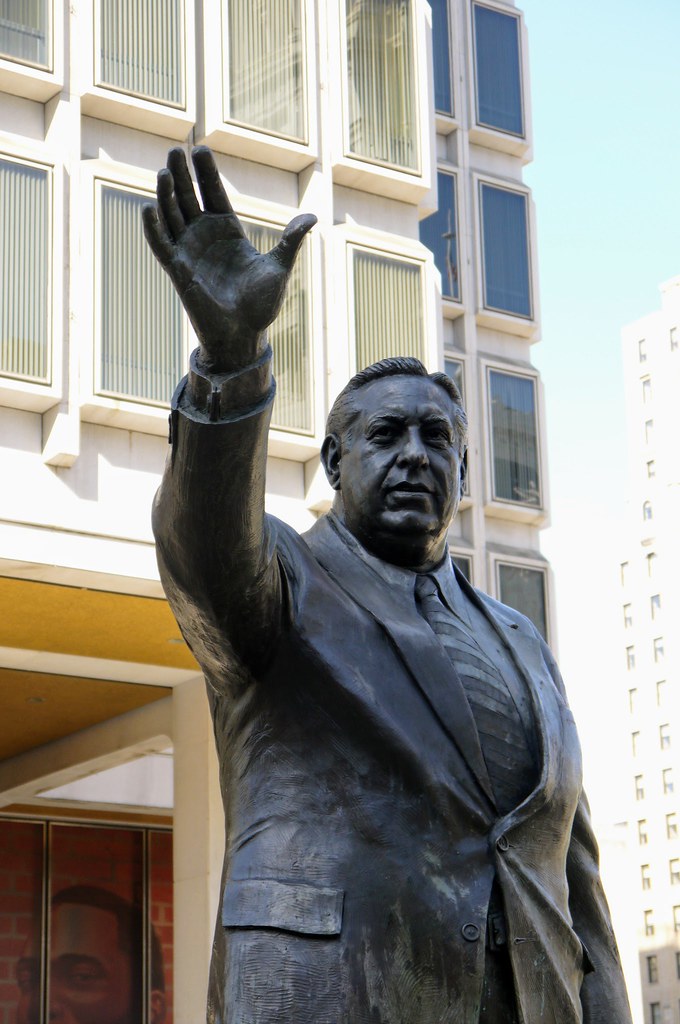
In August 2025, Philadelphia officials signed an agreement to hand over the 2,000-pound bronze statue of Frank Rizzo to the group that paid for it in 1992. The statue once sat outside the Municipal Services Building from 1998 until Mayor Jim Kenney removed it in 2020. Kenney acted after protesters tried to topple the statue following George Floyd’s murder. Now the statue leaves city hands, though it cannot go back on public display.

Background of the Statue

Supporters commissioned the statue to honor Frank Rizzo’s time as police commissioner and mayor. He served as police chief from 1967 to 1971 and led Philadelphia as mayor from 1972 to 1979. As a tribute, artists captured his stern gaze and delivered a 2,000-pound figure in bronze. Its removal sparked debate over who controls public memory and which figures deserve monuments.

Frank Rizzo: From Cop to Mayor

Frank Rizzo grew up in South Philadelphia’s Italian-American neighborhood. He dropped out of high school to join the police force like his father. He earned praise for a clean image and for tough policing in West Philadelphia. In 1964, he led police against crowds after a brutal arrest sparked three days of unrest. He also broke up school integration protests and raided Black Panther offices in 1970.

Why Supporters Celebrate the Return

Supporters view the statue’s return as a win against what they call a “woke mayor.” They argue it honors a leader who stood for law and order. They also see the move as a pushback against modern critics who label Rizzo a racist. For them, the statue symbolizes pride in blue-collar roots and defiance of liberal policies.

Culture Wars Over Monuments

Across the country, communities debate which statues belong in public parks. Some towns remove figures linked to racism or colonialism. Others fight to keep them. Philadelphia’s deal shows that even removed monuments can return to private hands. Yet the agreement bans public display, keeping city leaders from facing new protests.

Frank Rizzo’s Populist Appeal and Today’s Politics

Historians say Frank Rizzo was an early identity-based populist. He urged white, working-class voters to back him against liberal programs. For example, he paused a public housing project in his home neighborhood. He also told supporters to “vote white” for a charter change. In today’s politics, similar appeals echo in national debates over culture and identity.

Comparisons to Modern Populism

Many compare Rizzo to recent politicians who blend social and cultural claims. For instance, some leaders promise to stop “woke” ideas but deliver little on economic fairness. They win by staking a claim on traditional values. Just as Rizzo played to fears of urban decline, modern figures appeal to identity over material change.

Redistributive vs. Identity Populism

Not all populism focuses on identity. Some groups push for redistributive policies that shift resources from elites to workers. In Philadelphia, the Working Families Party won seats by championing affordable housing and fair wages. Yet identity-driven politics still holds strong, as shown by the Rizzo statue fight. The two strands often clash in city councils and election campaigns.

Legal Limits on the Statue’s Future

Under the 2025 agreement, the statue cannot return to any public space in Philadelphia. It must stay on private property away from open view. Supporters can display it in a museum or private park. However, any public unveiling could face legal challenges or community protests. This limit aims to keep the peace while respecting private property rights.

What the Return Says About Memory

The statue’s fate shows how memory shifts with each generation. A figure once honored can become a symbol of injustice. Then, supporters can reclaim it as proof of a lost ideal. By returning it to private hands, Philadelphia tries to balance heritage and progress. Yet the debate over Frank Rizzo’s legacy will likely continue.

Looking Ahead: Monuments and Memory

Cities across America will keep wrestling with their pasts. Some may follow Philadelphia’s path and move statues into warehouses or private collections. Others will leave them up or replace them with new memorials. Either way, the culture wars over monuments reflect deeper divides over identity, power, and history.

FAQs

Why did Philadelphia return the statue to private supporters?

The city settled a legal dispute by giving the statue back to the group that paid for it. They agreed the statue cannot go on public land again.

Can the statue ever be placed in a public park?

No. The agreement bars any public display in Philadelphia. It must stay on private property or in a nonpublic venue.

How did Frank Rizzo shape Philadelphia politics?

He rose from police chief to mayor by promising law and order. He championed white, working-class voters and resisted liberal reforms.

Will this deal settle the debate over Rizzo’s statue?

Not likely. While the statue leaves city hands, debates over his legacy and the role of monuments will carry on.

Can One First Connection Shape Your Entire Career?

0

Key Takeaways

• A first connection can spark long-term career success.
• Early mentors give skills, confidence, and identity.
• A real estate study shows new agents thrive with top brokers.
• Seek respected professionals to shape your career path.

Why First Connection Matters

Have you ever wondered how a simple hello can change a life? In many fields, that early link makes all the difference. For example, Serena Williams credits her father as her first coach. His belief and support gave her the drive to train hard and compete early. Similarly, Misty Copeland’s first ballet teacher saw her talent at age 13 and helped her get top training. Both stories show how that first connection sets the stage for big success.

Lessons from Real Estate: A Natural Experiment

Interestingly, my research in real estate reveals the power of a first connection more clearly than any story. In housing markets, agents do not pick their first partner. Instead, deals happen by chance based on who is active in the market. We studied 20 years of home sales in Charlotte and found over 40,000 agents and 417,000 deals. New agents who closed their first sale with a well-connected broker were 25% more likely to stay in the business after a year.

This setup acts like a real experiment. Because the pairing is random, we know the chance of starting with a top broker truly sparks success. It isn’t just luck. That first connection gives new agents skills, confidence, and invaluable introductions to other clients.

How First Connection Sparks Confidence and Identity

First connections do more than teach tools. They shape how you see yourself. A young musician who joins an orchestra under a respected conductor starts to picture a stage in front of packed halls. A student urged to enter a national science fair begins to think of herself as a scientist. Each story shows how that initial bond changes the sense of what is possible.

This effect appears in many careers. When you learn from someone who truly believes in you, you learn to believe in yourself. Moreover, working beside a leader exposes you to high standards. You absorb habits, problem-solving skills, and a vision of your future role. In short, the first connection plants a seed of identity that grows over time.

Who Gains Most from a Strong First Connection

Our real estate study also found that the agents at the highest risk of quitting benefited most from a strong first connection. Those who barely closed any early deals saw the biggest lift. This pattern repeats in sports, education, and the arts. Athletes on the edge of giving up rise under a coach with deep networks. Students who feel lost in a large school start to shine when a dedicated teacher invites them into extra programs.

Clearly, the impact is greatest for those who face the steepest challenges. When doors seem closed, one advocate can open many more. Therefore, a well-connected first partner can make the difference between quitting and building a thriving career.

Tips to Find and Be a Good First Connection

For those just starting:

• Look for mentors who are respected and open with their time.
• Volunteer for projects where you can work alongside experts.
• Ask questions and show genuine enthusiasm to learn.
• Be reliable and eager to help with small tasks at first.

For those who are established:

• Offer to introduce a newcomer to your network.
• Share tips and feedback generously.
• Invite someone you trust to join a project or meeting.
• Celebrate small wins with your mentee to boost their confidence.

By seeking a solid first connection or becoming one, you can spark a powerful chain of events.

Building Your Career with Purpose

Clearly, the simplest handshake can shape your entire path. Whether you face steep odds or you aim to give back, remember this key idea: connections matter more than you might think. If you seek out respected, generous mentors early on, you give yourself a chance to learn, to belong, and to grow. If you offer guidance to a newcomer, you plant a seed that could bloom into a lasting legacy. Either way, that first connection lights the spark.

Frequently Asked Questions

How do I find a good first connection in my field?

Start by attending workshops, local meetups, or online events related to your area. Then, introduce yourself to speakers or presenters. Show genuine interest in their work and ask thoughtful questions. Over time, offer to help with small tasks. This approach builds trust and opens doors for deeper connections.

What if I can’t find a top expert nearby?

If local experts are scarce, look for online mentors. Join professional forums, social media groups, or webinars. Reach out with a friendly message asking for advice. Many professionals are happy to mentor someone who shows effort and passion, even from afar.

Can I become a first connection for someone even if I’m not a top leader?

Absolutely. Being a first connection is more about support and belief than rank. You can help by sharing resources, offering feedback, or making introductions. Often, your encouragement alone can boost someone’s confidence and set them on the right path.

How long does the impact of a first connection last?

The impact can last a lifetime. Early experiences shape how you see yourself and what you believe is possible. Even years later, lessons, confidence, and networks from that first connection continue to influence your choices and opportunities.

Were Narco-Terrorists Killed Illegally?

0

Key takeaways:

• The U.S. navy blew up a boat it said carried narco-terrorists.
• International law bans deliberate killings in peacetime.
• Drug treaties require due process, not summary execution.
• No proof of armed conflict makes the strike unlawful.
• Few countries will protest, but law still matters.

Did U.S. Strike on Narco-Terrorists Violate International Law?

On September 2, the U.S. navy sank a boat in the Caribbean. Officials claimed the 11 people on board were narco-terrorists. They said the strike stopped a dangerous drug gang. Yet international law sets strict rules on using lethal force. These rules protect the right to life. Breaking them is unlawful no matter who does it.

Why Narco-Terrorists Label Fails Under Law

Calling a group narco-terrorists does not change basic human rights. No legal treaty defines narco-terrorists. Therefore, they have the same right to life as anyone else. International law does not allow summary killings at sea. Moreover, the U.S. has drug treaties that require fair arrests. These treaties forbid shooting first and asking questions later.

Rules in Peace vs War

International law separates peace and armed conflict. In peace, governments can only use deadly force to save lives right away. They must warn, if possible, before shooting. The United Nations says lethal force is valid only when strictly necessary. On the high seas or in territorial waters, the rule is the same. The U.S. action happened in peacetime. Consequently, killing without warning or chance to surrender is illegal.

Drug Deals and Treaties

The U.S. signed drug-fighting pacts with many Caribbean nations. These Shiprider Agreements let U.S. officers board suspect vessels with local permission. They also require respect for due process rights. For example, arrested suspects must have a chance to defend themselves in court. Blowing up a boat cuts that chance away. Therefore, the strike broke both bilateral pacts and international law.

No Armed Conflict Here

International humanitarian law lets nations attack in armed conflict. But two groups must fight intensely for a day or more. Drug gangs do not meet that test. They sell and transport drugs but do not wage war. Therefore, the U.S. cannot claim it acted in a war zone. The boat’s crew never fired on U.S. forces. Their suspected crimes were not tied to a military fight. Thus, the attack lacked any armed conflict basis.

Failure of the Narco-Terrorists Term

The Trump administration used narco-terrorists to justify the strike. However, this term has no status in any treaty. It does not carry a special legal meaning. For example, terrorists hit civilians to spread fear. Drug traffickers focus on money. They do not drop bombs on cities. Hence, mixing drugs and terror does not create a new legal category. The right to life still stands.

Who Will Speak Up?

One might expect protests from other nations or world courts. But most countries rely on U.S. trade and aid. They rarely challenge Washington. Moreover, drug gangs lack powerful allies. That makes legal action even harder. The International Court of Justice or International Criminal Court could hear a case. Sadly, politics often blocks such suits. Yet the attack shows why it matters to keep pushing for legal checks and balances.

Conclusion

The attack on the alleged narco-terrorists boat broke basic rules on using force. Applying the right to life in peacetime means no summary executions. Treaties on drug interdiction demand due process. No armed conflict existed to justify military action. Even if no one sues, public pressure can help guard human rights. In the end, respecting international law protects all of us.

What exactly makes an action “arbitrary” under the right to life?

Arbitrary killing means taking life without clear legal limits. In peacetime, it covers cases where force wasn’t necessary to save a life immediately. International rules say officials must follow strict steps before using deadly force.

Could other countries challenge the U.S. strike in court?

Yes, they could ask the International Court of Justice to review the case. However, politics and power dynamics often prevent such suits from moving forward.

How do Shiprider Agreements protect suspects at sea?

These pacts let U.S. officers and local authorities board suspect vessels together. They require suspects to see a judge and get a fair hearing instead of face summary execution.

What stops drug gangs from being treated as terrorists under law?

International law defines terrorists by their violent acts aimed at civilians. Drug traffickers seek profit, not political terror. No treaty combines both roles, so “narco-terrorists” lack a legal basis.

Why Did Peter Doocy Ask Trump If He Was Dead?

0

Key Takeaways:

  •  Fox News reporter Peter Doocy asked Trump a strange question about rumors of his death.
  •  The moment happened during an Oval Office event.
  •  Trump gave a humorous response while JD Vance chuckled nearby.
  •  The rumor started over the weekend but was obviously false.
  •  The incident sparked plenty of reaction across social media.

Peter Doocy death question leaves Trump and Vance laughing

In a strange — and funny — moment caught on camera, Fox News reporter Peter Doocy asked former President Donald Trump a very unusual question: “How did you find out you were dead this weekend?” The question wasn’t just bizarre, it left people both in the Oval Office and on the internet surprised and, in many cases, laughing.

The bizarre question came in the middle of an official meeting in the Oval Office on a Tuesday afternoon. While many reporters ask tough questions about politics, laws, and policy, Doocy took a different route and asked Trump about an internet rumor that had claimed he had died over the weekend.

Now, it’s obvious that the rumor was false — Trump was sitting in front of the press, very much alive. But Doocy’s question showed just how strange and fast internet rumors can spread in today’s world.

What sparked the Trump death rumor online?

The origin of the Trump death rumor isn’t totally clear. However, rumors like these often start with fake headlines or social media stunt posts that are made to look like official news. Once one or two people share it — especially if they have large followings — the rumor spreads quickly.

Over the weekend, people on X (formerly Twitter), TikTok, and other platforms began posting messages claiming that Trump had died. Some even edited photos to make the rumor look real. But there was no truth to any of it.

By Monday morning, trusted news outlets had confirmed that Trump was alive and fine. But the rumor had already caught fire online. That’s likely why Peter Doocy decided to bring it up during the White House event — though in a humorous way.

Doocy’s deadpan delivers headline laughter

Peter Doocy has become known for asking direct and sometimes awkward questions. But this one took many by surprise. His deadpan delivery made it even funnier as he asked Trump, “How did you find out over the weekend that you were dead?”

Trump, who has always had a strong media presence, didn’t look shocked. He turned and gave Doocy a puzzled stare, followed by a smirk. Standing beside him, Vice President JD Vance let out a chuckle before Trump responded with classic Trump humor.

“Well, I’m not easy to kill,” Trump replied, shrugging off the death rumor with confidence and a touch of sarcasm. “The fake news has tried before.”

That one-liner triggered laughter from members of the press and staff who were present. It was a rare light-hearted moment in what’s usually a serious setting.

Trump’s response and media reactions

Trump’s team has not released any official statement about the rumor, possibly because the president seemed to find the whole thing ridiculous. After all, a simple glance at live TV or his public schedule would show he was alive and busy.

Still, the moment created waves across social media and news outlets, with people reacting to Doocy’s bold question. Some viewers posted clips online, praising the reporter for asking what many fans were wondering. Others called it proof of how outrageous and strange political reporting can get.

The incident brings up a fair point — how people deal with false news today is very different from even ten years ago. Thanks to social media, rumors can go viral before anyone checks if they’re even true. And when the rumor is about someone as well-known as Donald Trump, it spreads even faster.

Why the Trump death rumor matters

While the Trump death rumor was clearly fake, it highlights a serious issue: misinformation online. There have been similar rumors in the past about other famous people — from actors to athletes to world leaders — who were alive and well.

These types of hoaxes are often created for two reasons: to cause chaos or to drive traffic to fake websites. Sometimes it’s just a prank, but other times, it’s part of larger efforts to trick or confuse the public.

For someone like Trump, who still holds huge influence in American politics, a rumor like this can have real effects. Supporters may panic. Opponents might spread it further. And media teams have to work quickly to clear things up.

This is why digital news literacy is so important, especially for young people.

How Doocy used humor to prove a point

Even though the question was funny, Doocy’s move revealed something bigger: journalists have to deal with online rumors just like regular people. Asking Trump face-to-face gave the audience a chance to see his response. But it also proved that the rumor had gotten big enough to deserve a little air time.

By using humor, Doocy defused the rumor while also reminding people how silly — and dangerous — misinformation can be.

As internet hoaxes continue to pop up, moments like this show the value of asking direct questions, even strange ones. Sometimes, hearing the truth straight from the person involved is the only way to stop the spread of a fake story.

Final thoughts

In the end, Peter Doocy’s “death” question gave everyone a moment of laughter — and a reason to think. After all, if anyone needed proof that Trump was alive, well, now they have it on record.

But more importantly, the bizarre moment reminds us not to believe everything we read online. And maybe, just maybe, to look up from our phones once in a while and ask: is this too weird to be true?

Frequently Asked Questions

What was Peter Doocy’s question to Trump?

Peter Doocy asked Trump during an event, “How did you find out over the weekend that you were dead?”

Did Donald Trump really die?

No, Donald Trump is alive. The death rumor that spread online was completely false and unfounded.

How did Trump respond to the rumor?

Trump joked, “I’m not easy to kill,” while giving a puzzled look. It added light humor to the awkward moment.

Why did this death rumor get so popular?

The rumor spread fast on social media platforms through fake posts and headlines. Many people believed it before fact-checking.

Why Are Far-Right AfD Candidates Suddenly Dying in Germany?

0

Key Takeaways:

  • Six candidates from Germany’s far-right AfD party have died recently.
  • The deaths happened ahead of local elections in North Rhine-Westphalia.
  •  Police say there is no evidence of foul play in any of the deaths.
  • Replacement ballots are needed, and some people must vote again by mail.
  •  Around 18 million people live in North Rhine-Westphalia, Germany’s most populated state.

Far-right AfD Deaths Raise Questions Before German Elections

A string of deaths involving far-right AfD candidates has stirred confusion and concern in Germany. As many as six Alternative for Germany (AfD) candidates have passed away in the past few weeks. These sudden losses occurred just before the big local elections in North Rhine-Westphalia. This state, located in western Germany, is set to vote on September 14.

Unexpectedly, the deaths are not being treated as suspicious. Still, they’ve caused serious disruptions in the election process. With ballots already in the hands of postal voters, new ones now need to be printed. That means some voters will have to redo their mail-in ballots. It’s a rare and strange situation that’s putting the spotlight on the far-right AfD and their role in the elections.

What Happened to the Far-Right AfD Candidates?

According to police, there is no sign of foul play in any of the six deaths. In fact, the authorities are calling them natural or unrelated incidents. Some of the deceased had health conditions. Others passed under less clear circumstances, but again, no crimes are suspected.

Still, the timing has sparked public interest. Why have multiple far-right AfD candidates died just before a critical election? Naturally, this has led to rumors and speculation, especially across social media. Even though no evidence suggests anything suspicious, the mystery surrounding the far-right AfD and the upcoming vote has made people uneasy.

The Far-Right AfD: Who Are They?

The Alternative for Germany party is known for its anti-immigration and nationalist views. It’s called “far-right” because it holds strong opinions on limiting migration, boosting German identity, and reducing the power of the European Union in German affairs.

The party has grown steadily, especially in parts of eastern Germany. However, in the west—where North Rhine-Westphalia is located—it has faced more resistance. Now, with these sudden candidate deaths, the far-right AfD is once again in the news, and not for the reasons it wants.

How the Election Is Affected

North Rhine-Westphalia is the most populated state in Germany, with 18 million people living there. The local elections matter a lot because they shape policies that impact schools, roads, housing, and safety at the city and town levels.

In total, about 20,000 candidates are running for office across the state. The death of even six candidates (especially representing the same party) creates major complications. Election officials must now rearrange ballots, replace deceased candidates, and contact affected voters.

Printing new ballots is costly and time-consuming. Plus, people who already sent in their votes will now have to do it again. This situation is causing extra stress for election planners and voters alike. It’s also a hurdle for the far-right AfD, which has to quickly find new candidates and inform supporters.

Why This Is More Than Just a Political Story

Even though the far-right AfD is often criticized for its extreme views, the sudden loss of several candidates raises a human concern. These were people who lived in local communities and had families, jobs, and goals. Whether you agree with their politics or not, it’s always shocking when people die unexpectedly, especially in such a short timeframe.

The deaths are sparking debates not only about politics but also about the mental and physical pressure that comes with running for office. Public service can be stressful, particularly when candidates face criticism or threats—which is not uncommon for members of the far-right AfD and even for other parties in the tense European political climate.

What Are Voters Saying in North Rhine-Westphalia?

Local voters are having mixed reactions. Some are confused and unsure about how to handle their vote now. Others are frustrated by the delays and changes caused by the reprinting of ballots. A few say they feel unsure about the whole election process—even though officials have confirmed that everything is still running fairly.

Voter turnout may drop if people get frustrated or think their vote won’t count. That’s why officials are working hard to keep voters informed. They are sending updates through news outlets and local government websites to make sure everyone knows what to do.

What Does This Mean for the Far-Right AfD?

For the far-right AfD, the loss of candidates—no matter the cause—is a major blow. In elections, every name on the ballot counts. Losing six candidates might not seem like a big number out of 20,000, but in close local races, even one missing person can matter.

The party will now try to find suitable replacements, but it’s a race against time. At the same time, they have to reassure their voters that nothing shady is going on. That’s key to keeping confidence strong within their voter base.

Could This Affect the Election Outcome?

It’s hard to say just yet. In some towns, the far-right AfD might lose votes if supporters feel frustrated or confused. On the other hand, sympathy for the deceased candidates could boost support in certain areas. Either way, these deaths are making the election more unpredictable.

The situation also gives other political parties an opportunity to step in and appeal to undecided voters. If the far-right AfD cannot recover quickly, it may lose ground in the state’s cities and towns.

How Authorities Are Responding

Police and local officials are working together to ensure transparency. There’s been a clear message to the public: there is no foul play here. Still, the government is not taking any chances. Every death has been investigated thoroughly to maintain public trust.

Meanwhile, local election boards have been busy updating ballots, fielding calls, and advising people who need to recast their postal votes.

This is an unusual and complicated situation, but election authorities say they have things under control. Their goal is to make sure everyone’s vote counts and the election remains fair and safe.

Looking Ahead to September 14

The local elections in North Rhine-Westphalia will go forward, despite the challenges. People will cast their votes for city councils, mayors, and district leaders. It’s the kind of election that shapes everyday life—public transportation, housing plans, school budgets, and more.

While the sudden deaths of far-right AfD candidates have added a strange twist to the event, the democratic process must go on. Voters, officials, and parties alike will be watching closely as election day approaches.

One thing is clear: this election will be remembered not only for its politics but also for the unexpected mystery surrounding the far-right AfD.

FAQs

What is meant by “far-right AfD” in Germany?

The far-right AfD, or Alternative for Germany, is a political party known for anti-immigration and nationalist policies. It’s often described as controversial due to its extreme views.

Do the candidate deaths affect the election results?

Possibly. Losing candidates may change the balance in close local races. It also affects voter turnout and party planning.

Do voters need to vote again if they voted by mail?

Only some postal voters are affected. They’ll receive new ballots and must cast their vote again for fairness.

Is there a political reason behind the deaths?

Police have ruled out any criminal connection. The deaths are seen as unrelated and due to natural causes.

Is Trump Sick or Dead? The Internet Thinks So

0

Key Takeaways:

  •  Rumors spread fast online that President Trump was sick or even dead.
  •  The speculation went viral over Labor Day weekend, especially among liberal social media users.
  •  President Trump later appeared on camera to prove he was fine.
  •  People online shared clues, memes, and TikToks, fueling even more conspiracy theories.
  •  The incident highlights how quickly misinformation can spread in the digital age.

Why Are People Talking About Trump’s Health?

Over the Labor Day weekend, strange rumors began to spread online about President Donald Trump. Social media users—mostly critics and conspiracy theorists—started suggesting that something was seriously wrong.

These rumors weren’t just casual talk. Some people claimed Trump was sick, while others took it further and said he might be dead. TikTok videos, memes, and dramatic tweets began flooding the internet. Hashtags like “#TrumpIsDead” trended, and users pointed to what they thought were “clues” of a White House cover-up.

So, what triggered all the buzz? Apparently, Trump hadn’t made a public appearance for a few days. For many people living in the digital age, that short silence felt suspicious. His followers became concerned, while critics ran wild with theories. It didn’t help that Trump, aged 79, has often been the subject of health speculation.

Trump Silences the Rumors

On Tuesday, Trump stepped in front of the cameras during a public event. He was smiling, speaking, and definitely not dead. His appearance quickly cleared the air and squashed most of the health rumors—at least for now.

Knowing how fast bad information moves online, this situation shows just how dangerous viral conspiracy theories can be. Even without any proof, the rumors spread like wildfire, catching the attention of millions.

How Did “Trump Sick” Rumors Go Viral?

It started like many internet conspiracies do—with a few posts from questionable accounts. One person claimed that a source inside the White House noticed “unusual silence” from Trump. Others said he hadn’t been seen in public for three or four days.

Then someone shared a meme joking how “Trump hasn’t tweeted in 48 hours—call the FBI.” While it may have been meant as a joke, others took posts like this seriously. TikTok creators made dramatic videos analyzing old clips of Trump, claiming he looked weak or ill.

Some users dug through recent photos and public records, trying to find more “evidence.” They speculated about unusual lighting in Trump’s last video or how his voice sounded slightly different. Suddenly, everyone had a theory, and “Trump sick” became a trending topic.

Misinformation Spreads Faster Than Facts

Once rumors like this begin to spread, it becomes very hard to stop them. People look for confirmation of what they want to believe, not what’s real. As the topic went viral, new memes and fake news seemed to appear by the second.

Search engines became flooded with keywords like “Trump dead,” “Trump missing,” and of course, “Trump sick.” Google Trends even showed a massive spike in people trying to find out what happened to him.

Users who already dislike Trump were more likely to believe or share these posts. That’s how misinformation works—it feeds off bias and emotion, not truth. You believe what fits your personal story.

Even when Trump finally appeared alive and well, some users refused to accept it. They claimed it was a body double or pre-recorded footage—anything to keep the drama alive.

Why This Matters for Everyone Online

When something goes viral, it gains power—real or not. The Trump health rumor isn’t just a funny internet fad. It shows how people can easily misunderstand or twist reality, especially when big tech platforms allow false info to spread without quick fact-checking.

This isn’t even the first time Trump faced false health reports. Over the years, stories about strokes, dementia, even fake hospital visits have circulated—none of them confirmed. But the internet treats all news, real or fake, with the same level of urgency—especially with a figure as polarizing as Donald Trump.

What’s more troubling is that conspiracy theories like this can cause panic. World leaders being sick or dead is a major issue. Even hinting that something has happened, when it hasn’t, can lead to confusion and fear on a global scale.

How Trump’s Team Responded

Surprisingly, the team didn’t make a big statement for days. Critics say their silence gave the rumors more fuel. However, some believe it was intentional. By not reacting quickly, Trump’s team may have been waiting for interest to grow before airing a dramatic comeback.

Others think they didn’t want to feed the gossip and give it more attention than it deserved.

Eventually, Trump’s public appearance did most of the work. Seeing him live on camera, looking healthy, cracked through most of the conspiracy fog.

Could It Happen Again?

Absolutely. In today’s fast-paced digital world, anyone can be the target of false stories—especially public figures. The “Trump sick” rumor is just one example of what happens when speculation meets the internet.

It’s a warning for all of us. Before you share or believe something online, take a moment to check the facts. Ask where the information is coming from. Look for confirmation from trusted, non-biased sources.

Because once a rumor starts—even if it’s totally false—it can take over the internet in minutes.

Final Thoughts on the “Trump Sick” Drama

This whole situation is a perfect lesson in how quickly lies can spread. Whether you like Trump or not, using rumors to score political points is not helpful. It misleads people, weakens trust in real news, and takes focus away from issues that matter.

Next time a suspicious story trends, stop and think. Is it too dramatic to be true? Who benefits from it going viral? And most importantly—what’s the actual evidence?

In a world where people chase clicks and likes, we all have a role to play in stopping misinformation before it takes hold.

FAQs

Why did people think Trump was dead or sick?

He hadn’t been seen publicly for a few days, which led to speculation. Social media turned that into dramatic rumors without proof.

Did Trump say anything about the rumors?

Trump made a public appearance and looked completely healthy. He didn’t directly talk about the rumors, but his presence said it all.

Are online rumors like this common?

Yes, especially involving politicians. Social media can turn any small event into a big conspiracy theory within hours.

How can I tell if a rumor is false?

Always check reliable news sources. If it seems shocking or too wild to believe, there’s a good chance it’s just a rumor.

Is the CDC Hiding the Truth About COVID Vaccine Efficacy?

0

Key Takeaways:

  •  Internal emails show the CDC discussed downplaying COVID vaccine concerns.
  •  Officials worried about comparing vaccine protection to natural immunity.
  • Meetings focused on how to influence public opinion, not just share facts.
  •  This has raised trust concerns about the CDC’s messaging strategies.

What Does COVID Vaccine Efficacy Really Mean?

When COVID-19 first hit, everyone looked to the Centers for Disease Control and Prevention (CDC) for answers. They pushed hard for vaccines, saying they were the best way to stop the virus. But now, newly released emails suggest the CDC may not have told the full story. These emails show top CDC officials carefully planned how to talk about COVID vaccine efficacy—and may have held back clear comparisons with natural immunity.

This has some people asking: Was the CDC more focused on public image than public health?

What Were the CDC Emails About?

The emails, obtained by a news outlet, revealed that the CDC had regular meetings to plan public relations (PR) strategies around COVID vaccines. In those meetings, agency leaders expressed concerns about comparing the vaccine’s protection to natural immunity—the immunity someone gets after recovering from COVID.

Why?

Because they feared the vaccine might not always appear better in such comparisons. One email even warned about avoiding “too precise” comparisons. Instead of putting out full details, officials preferred to keep the message simple: “Vaccines are safe and effective.”

While that statement is mostly true, critics argue that people have a right to know all the data—not just parts that support the CDC’s goals.

The Problem With Public Trust

If health agencies don’t share full, honest information, people start to lose trust. Over time, this can be very dangerous. When people feel misled, they question future health recommendations, not just about COVID but other vital areas too.

The CDC is supposed to be the most trusted voice in public health. That’s why this situation is so troubling. By possibly avoiding full transparency, they may have made it harder for the public to believe in science and vaccines in the future.

Understanding Vaccine Efficacy

So, what exactly is vaccine efficacy? It’s the measure of how well a vaccine prevents a disease during clinical trials. High efficacy means fewer people get sick after taking the vaccine compared to those who didn’t.

But vaccine efficacy in trials doesn’t always reflect real-life results. As the virus changes and people’s immune systems respond differently, real-world success may vary. That’s where comparing vaccine protection to natural immunity becomes significant. It gives a fuller picture of how protected you are—whether through the shot or from recovery after infection.

Natural Immunity vs. Vaccine Protection

Many studies now suggest that natural immunity can offer strong protection, especially after a person recovers from COVID. In some cases, natural immunity even outperformed vaccine-induced immunity over time. This doesn’t mean people shouldn’t get the vaccine. Instead, it highlights that the public deserves clear, side-by-side comparisons to make better decisions.

However, the CDC seemed afraid that showing too much data might confuse or discourage people from getting vaccinated at all. This concern led them to simplify their message, possibly at the cost of full transparency.

How the Emails Became Public

The emails were released after public records requests pushed officials to share internal communications. Journalists and watchdog groups have been working for years to understand how COVID messaging was shaped during the pandemic. What they found raised eyebrows.

The messages revealed fears about how the public might react if vaccine data didn’t look perfect. Rather than being completely open, the CDC focused on saying only what they felt would keep people calm and willing to get vaccinated.

Why Does This Matter Now?

Three years after the vaccine rollout, people still debate the best ways to stay safe from COVID. New variants pop up, new shots are offered, and new questions arise. But if the public feels they weren’t given the full truth in the beginning, they may resist new guidance now.

This is especially important as new vaccines are being developed and tested. Trust needs to be rebuilt, and that can only happen through openness—not controlling the narrative for public image.

Holding Health Agencies Accountable

Health experts often walk a fine line between sharing complex science and keeping messages understandable. But those in power must remember that truth should always come first. Hiding or watering down information—even with good intentions—can cause long-term harm.

People can handle the truth if it’s explained clearly. They’re more likely to respect public health advice when they feel informed, not manipulated. That’s why transparency about COVID vaccine efficacy should have always been the top priority.

Rebuilding Trust in Science and Health

It’s not too late to fix this. The CDC and other health agencies can begin rebuilding public trust by:

  •  Releasing full data, even if it’s hard to explain
  •  Admitting past mistakes and clarifying old messages
  •  Holding regular updates with honest answers to public questions
  •  Including comparisons like vaccine efficacy vs natural immunity

If leaders are upfront—from the start—people feel respected and more willing to follow public health directions. Simple changes in how facts are shared can make a big difference.

Final Thoughts on COVID Vaccine Efficacy

The COVID pandemic shook the world and tested every part of our health system. Vaccines saved lives, no doubt. But as these emails show, not all information was shared equally. CDC officials worried about messaging, image, and what people might think.

While this may seem like a strategic move, many see it as a step away from transparency. In the end, public health works best when it’s honest. We need to know not just what supports a plan—but the full truth behind every claim.

Now, more than ever, we should demand clear answers about COVID vaccine efficacy and hold agencies accountable for how they share the facts.

FAQs

What is COVID vaccine efficacy?

It measures how well a COVID vaccine works in trials to prevent sickness. Higher numbers mean better protection.

Did the CDC hide vaccine information?

Emails suggest they chose to limit certain comparisons, especially between vaccine protection and natural immunity, to control public opinion.

Is natural immunity better than vaccines?

In some studies, natural immunity offered strong protection. However, not everyone has the same immune response, and vaccines are still recommended by health experts.

Why is trust in the CDC important?

People rely on the CDC for honest health advice. If trust fades, fewer people follow safety recommendations, which can increase health risks for everyone.

Is the Power of Siberia 2 Pipeline a New Energy Game-Changer?

0

Key Takeaways:

  • Russia and China support the Power of Siberia 2 pipeline project
  • No final agreement has been made on gas pricing yet
  • The project can supply up to 50 billion cubic meters of gas yearly
  • It strengthens ties between Russia and China amid Western pressure
  • The pipeline adds more energy options for China

Power of Siberia 2 Pipeline: What’s the Big Deal?

The Power of Siberia 2 pipeline could be a huge shift in global energy trade. This major project aims to bring natural gas from Russia’s Arctic Yamal region to China, via Mongolia. If completed, it could carry up to 50 billion cubic meters (bcm) of gas every year.

That’s no small move. It means China would get more energy from Russia without needing to rely on sea routes blocked by Western nations. But even though both countries agree on the route and size, they still haven’t shaken hands on one big issue—price.

So, what’s really going on? Let’s break it down.

A Giant Pipeline With Bigger Goals

Russia’s state-owned energy company, Gazprom, announced the progress of the Power of Siberia 2 pipeline. While leaders from both countries support the plans, Gazprom highlighted that there’s still no deal on pricing.

This isn’t just a question of money though—it’s all about power, energy, and politics. China, the world’s largest energy consumer, wants energy security. Russia, meanwhile, wants to sell more gas as Europe, its former biggest customer, cuts ties.

By teaming up on the Power of Siberia 2 pipeline, both countries hit their goals. China gets stable gas supplies to fuel its growing factories and cities. Russia finds a new customer as its relationship with the West sours.

Why Energy Matters More Than Ever

In today’s world, energy doesn’t just power homes—it powers politics. Europe used to buy a lot of Russian gas, but that changed after political tensions and the Ukraine war. Western countries hit Russia with sanctions, trying to pressure Moscow into backing down.

But instead of giving in, Russia turned east—to China.

At the same time, China needs secure gas sources to keep its economy running strong. This is especially important as the country moves away from coal to cleaner energy sources like natural gas.

The Power of Siberia 2 pipeline gives China more control over where it gets its gas. By bringing it in through land via Mongolia, China avoids busy and risky sea routes. That’s a big plus, especially in times of global tension.

What’s Taking So Long to Finalize?

Here’s where things get interesting. While both sides agree the pipeline is a good idea, they’re still stuck on gas pricing. Gazprom noted that pricing remains the main area of discussion.

Russia wants to get solid value for its gas. China, being the buyer, wants the best deal possible. This price tug-of-war is common in giant energy deals like this. But it also shows how careful China is in managing its partnerships—even with a close ally like Russia.

China knows it has the upper hand here. With many energy options on the market, including liquefied natural gas (LNG) and renewables, it can afford to push hard for better prices.

What Makes Power of Siberia 2 Different?

The Power of Siberia 2 pipeline isn’t the first energy connection between the two giants. The original Power of Siberia pipeline started delivering gas to China in 2019. But that one carries only about 38 billion cubic meters each year.

Power of Siberia 2 will go even bigger—50 billion cubic meters. It will start from the Yamal region, which has some of Russia’s richest gas fields. It then travels through Mongolia before reaching China.

This route is not only smart but strategic. It avoids parts of Russia’s western border now affected by war and global scrutiny. It also offers a quicker option for gas delivery compared to complex LNG shipping routes.

Putting Geo-Politics in the Pipeline

It’s clear the Power of Siberia 2 pipeline is about more than just gas. It’s shaping geopolitics. As Western nations isolate Russia, China’s growing closeness with Moscow sends a strong message.

Just this month, President Xi Jinping welcomed deeper ties with Moscow—even as Western countries urged caution. He is keeping China firmly connected to Russia’s energy market, showing little interest in bowing to outside pressure.

And for Russia, this partnership is a lifeline. Cut off from many global markets, Moscow sees pipeline deals like this as an economic and political boost.

How the Pipeline Helps China Hedge Its Bets

One big advantage China gains from the Power of Siberia 2 pipeline is flexibility. Now China doesn’t have to rely so much on Middle Eastern or Southeast Asian energy routes. It’s like having multiple chargers for your phone—you want backups.

China also knows that energy security means economic stability. If there’s a global energy crisis—or if sea routes are blocked—pipelines like this one make sure China’s lights stay on.

The ability to use different sources and routes for natural gas helps the country keep energy costs under control. That’s important for the world’s second-largest economy.

Challenges Still Ahead for Power of Siberia 2

Of course, big projects like this don’t happen overnight. Even with support on both sides, there’s still a long road ahead.

Besides pricing, construction takes time. The route through Arctic terrain and Mongolia poses engineering challenges. Not to mention the potential pushback from environmental groups or local communities.

And let’s not forget global politics. Any changes in leadership, economic pressure, or sanctions could slow the project down. That’s why experts believe it still might take several years before gas starts flowing through the Power of Siberia 2 pipeline.

A Silent Energy Revolution in the Making?

Even if it seems like just another energy deal, the Power of Siberia 2 pipeline speaks volumes. It reflects how global alliances are shifting. It shows that energy is not only a commodity, but also a way to build influence.

China and Russia are re-writing the rules of energy trade, one pipeline at a time.

Time will tell if this project lives up to its bold promises. But if it does, it may change the way we look at global energy forever.

FAQs

What is the Power of Siberia 2 pipeline?

The Power of Siberia 2 pipeline is a planned gas pipeline that will carry natural gas from Russia to China through Mongolia. It aims to deliver up to 50 billion cubic meters of gas each year.

Why is the gas pricing not yet agreed?

Although both countries support the pipeline, they are still negotiating the price. Russia wants higher returns, while China is pushing for lower costs.

How does this pipeline help China?

It gives China a more stable and safer gas supply through land. This reduces China’s dependence on sea routes and boosts its energy security.

When will the Power of Siberia 2 be completed?

There is no confirmed completion date yet. The pipeline is still in planning, and final agreements, including pricing, must be settled first. The project could take several years to finish.

Is the CDC Losing Public Trust in Health Guidance?

0

Key Takeaways:

  • The CDC once had strong public trust but has recently faced criticism.
  • Decisions during the COVID pandemic led to confusion and frustration.
  • Critics say the CDC’s policies were politically influenced.
  • The agency’s role has become unclear, with too many focuses at once.
  • Experts are calling for reforms to rebuild the CDC’s reputation.

How the CDC Lost Its Direction

The Centers for Disease Control and Prevention, more commonly known as the CDC, used to be admired around the world. It was seen as the top expert on public health, especially when it came to fighting diseases. But that trust has faded for many Americans. Why? Some say that the agency lost its clear mission and became tangled in red tape and politics.

The CDC was created to protect people from deadly diseases. But over the years, its job grew bigger and more complicated. Instead of focusing only on controlling infections, the CDC started involving itself in a lot of other areas like mental health, gun violence, and even climate change. These are all important issues, but trying to manage too many things at once can lead to confusion and mistakes.

During the COVID-19 pandemic, those problems became crystal clear.

The CDC and COVID: Where Did Things Go Wrong?

One of the biggest tests of public trust came during the COVID outbreak. In the early months of the pandemic, people eagerly listened to the CDC’s advice. But as the months went by, mixed messages and odd rules made things worse, not better.

For example, the CDC suggested cloth masks for everyone, including toddlers, even though evidence later showed they didn’t do much. They recommended people stay exactly 6 feet apart, but didn’t explain why 6 feet was the magic number. They also called for booster shots in healthy children, despite little data showing strong benefits.

And perhaps most damaging, the CDC supported closing schools for long periods—even when studies showed that kids were not at high risk and that shutdowns were hurting their mental health and education.

People started asking: If the CDC is supposed to follow science, why do their decisions feel so random?

Why Are Politics and Public Health So Entangled?

To make things more complicated, critics say politics began to play too large a role in public health. Decisions that should have been based on evidence sometimes looked like they were shaped by political pressure.

For example, changing mask guidelines happened too often and without much explanation. School policy shifted with little warning. Even CDC spokespeople sometimes gave different answers to the same question, depending on the day or which news outlet was asking.

This inconsistency caused many Americans to tune out completely. When people stop trusting official health advice, they might not follow it at all. That’s dangerous—not just for COVID, but for any future health emergency.

Mission Creep: The CDC’s Growing To-Do List

“Mission creep” is when an organization starts doing too many unrelated jobs. This is one of the biggest issues critics see with the CDC today. Instead of staying laser-focused on fighting infectious diseases, the CDC spread itself thin over many areas.

Now the agency works on everything from traffic safety to climate change. While these are real concerns, they can distract from the CDC’s original purpose: controlling and preventing the spread of illnesses.

When the public sees the CDC talk about too many unrelated things, they might wonder how serious the agency is about its core job. That damages not just its image but also its ability to lead during a health crisis.

What Needs to Change to Restore Trust in the CDC?

Many experts say it’s time for the CDC to return to basics. That would mean narrowing its focus back to protecting Americans from outbreaks and preparing for emergencies—just like it was designed to do.

It would also help if the agency were more transparent. When changing a guideline, people want to hear why, based on what data, and what it means for daily life. Clear communication is key to building trust.

In addition, the CDC needs to separate itself more from politics. Public health should not shift based on who’s in office. The best health advice should come from science, not popularity or pressure.

How Can We Prevent Future Failures?

Looking forward, what matters most is learning from past mistakes. The pandemic showed us that trust between health leaders and the public is fragile. Once broken, it’s hard to fix.

Here are a few ways the CDC can start to rebuild:

  • Focus on its main goals: Monitor and control diseases.
  • Use clear, honest communication.
  • Stick to science and avoid political bias.
  • Limit flip-flopping on key advice unless the evidence clearly supports it.
  • Keep the public in the loop with updates and reasons behind decisions.

If done right, these changes can help the CDC regain its status as a trusted voice in public health.

The Role of the Public in Rebuilding Trust

Of course, the CDC isn’t the only one with responsibilities. Americans also need to engage with public health messages, ask questions, and stay informed. Trust is a two-way street.

When health agencies do their job with honesty and clarity, and when the public responds with attention and care, the whole country benefits. We all have a part to play in creating a better, healthier future.

Conclusion: CDC at a Crossroads

The CDC isn’t beyond saving—but it is standing at a crossroads. It can choose to return to its roots, focus on what it does best, and communicate with honesty and clarity. Or it can continue down a path of confusion and declining public trust.

The good news is that change is possible. With the right reforms, the CDC can once again become the respected leader in public health that Americans deserve.

FAQs

What does the CDC do?

The CDC (Centers for Disease Control and Prevention) works to protect people from diseases and keep public health systems strong.

Why did people lose trust in the CDC?

Many felt the CDC gave mixed messages during COVID and made decisions that didn’t match the science.

What is “mission creep” at the CDC?

It means the CDC started handling too many issues beyond its main goal of fighting infectious disease.

Can the CDC earn back public trust?

Yes, but it will take clear communication, focus on science, and a strong return to its core mission.

Why Are Epstein Victims Asking Congress for Justice?

0

Key Takeaways:

  • Survivors of Jeffrey Epstein spoke on Capitol Hill, sharing stories and demanding justice.
  • They want the Justice Department to release investigation files related to Epstein.
  • Lawmakers are pushing for a vote on a bill to uncover those documents.
  •  This effort is bipartisan, led by Reps. Thomas Massie and Ro Khanna.

What Happened on Capitol Hill?

This week, survivors of Jeffrey Epstein’s crimes bravely stood before lawmakers in Washington, D.C. They didn’t just share painful memories—they asked for action. These victims want the U.S. Department of Justice to unseal documents that could shed light on Epstein’s connections and how such abuse was able to continue for so long.

Though the news around Epstein has quieted in recent years, these brave voices remind the world that justice still hasn’t been fully served. It’s not just about Epstein anymore. It’s about transparency and change.

Why Victims Want the Justice Department Files

At the heart of this push is one main request—release the Epstein investigation files. But why are they so important?

The answer is simple: These files may contain names of people who were involved or helped cover up Epstein’s crimes. By keeping them secret, the government leaves too many questions unanswered. Victims say this secrecy only adds to their pain because it blocks their chance to get full justice.

Moreover, the files could offer a better understanding of how Epstein’s abuse went on for years, despite red flags. It’s about more than punishment. It’s about learning from the past to protect the future.

What Lawmakers Are Doing About It

Representatives Thomas Massie from Kentucky and Ro Khanna from California believe in letting the truth come out. They are gathering signatures from other House members to bring the matter to a vote. Their goal is to pass a bill that will require the Justice Department to release those hidden documents.

The process involves using something called a “discharge petition.” This lets lawmakers push a vote even if the leadership doesn’t bring it up right away. It takes 218 signatures to make this happen—just over half of the House.

If they succeed, the bill would shine light on Epstein’s dark web, finally offering victims the answers they’ve long deserved.

An Emotional Day for Victims

During the press event on Capitol Hill, several women stood behind a podium in front of cameras and lawmakers. Their voices were steady but emotional.

One survivor recalled how she was recruited as a teen and manipulated by Epstein. Another spoke about the long road to healing and how keeping the investigation secret only makes things worse.

These stories were more than personal memories—they were evidence of a broken system and a plea for real change. The audience, including lawmakers and media, listened in silence and respect.

The Public’s Right to Know

Many people across the country are also asking: Why haven’t these documents already been released? When such serious crimes occur, the public often expects transparency. Choosing to hide details fuels speculation, mistrust, and even conspiracy theories.

This pressure from both lawmakers and survivors sends a strong message to the government: Hiding the truth helps no one.

Uncovering the full scope of Epstein’s activities won’t undo the past, but it could give survivors peace and help prevent future abuse.

What Happens Next in Congress

As signatures continue to be collected, attention grows around this bill. If enough members of the House sign the discharge petition, the legislation will go to the floor for a vote.

That’s a big deal.

Once it’s up for a vote, all House members will have to take a stand—either support the victims and call for transparency or continue to keep the investigation in the dark.

Many voters are watching closely. Some politicians may find it hard to explain why they would block the release of this information. Others see the bill as a way to show they care about protecting children and standing up for survivors of abuse.

Why This Matters for Everyone

This story is not just about Epstein—it’s about justice and truth. When people in power hurt others, and when those crimes are hidden, everyone loses faith in the system.

If this bill passes and the investigation documents are released, it could be one step closer to healing for survivors. It could also be a turning point in how the justice system handles powerful abusers.

Epstein’s victims are using their voices to bring hope to others who’ve experienced similar pain. Their bravery could help create new laws, better protections, and a more transparent system.

That’s why this moment on Capitol Hill matters.

Looking Ahead

The coming weeks will be crucial. The efforts of Massie, Khanna, and the survivors could shape how our government deals with powerful criminals. As more attention grows around this issue, lawmakers will have to decide whether they stand with victims—or protect the secrets of an already convicted abuser.

No matter the outcome, one thing is clear: these survivors are not staying silent. They’ve suffered for too long, and now they’re demanding the justice they deserve.

FAQs

What documents are the Epstein victims asking to be released?

They want the Justice Department to unseal investigation files related to Jeffrey Epstein’s crimes. These may name people who helped or were involved.

Why are lawmakers involved in the Epstein case now?

Reps. Thomas Massie and Ro Khanna are leading a push in Congress to force a vote on a bill that would make the Justice Department release those documents.

Who was Jeffrey Epstein?

Jeffrey Epstein was a wealthy man convicted of sex crimes. He used his connections to abuse many young women and girls over the years.

Will releasing the documents help the victims?

Survivors believe that making the investigation public will bring closure, reveal the full truth, and help stop future abuse by holding others accountable.