
56.5 F
San Francisco
Wednesday, June 10, 2026
Home Blog Page 7

Zimbabwean Firms Recover 15% to 20% of Wasted Marketing Spend

Quick Summary: Zimbabwean Firms Recover 15% to 20% of Wasted Marketing Spend

  • Zimbabwean firms could recover 15% to 20% of wasted marketing spend by adopting integrated analytics.
  • The Zimbabwe Mail argues integration is a board-level issue, not just a marketing tactic.
  • Musonza highlights organizational barriers as the main challenge, not technological ones.
  • Companies like Econet Wireless Zimbabwe demonstrate the potential of data-driven marketing.
  • The article is part of a broader push for national competitiveness through integrated analytics.

In the rapidly evolving corporate landscape of Zimbabwe, the call for integrated marketing analytics has never been more urgent. The Zimbabwe Mail’s recent article makes a compelling case for companies to rethink their approach to marketing spend, suggesting that up to 20% of it could be recovered if firms stop relying on fragmented systems. Zimbabwean is at the center of this development.

The article, penned by Brighton Musonza, argues that the real issue isn’t a lack of data but a lack of integration. Many Zimbabwean companies still base decisions on outdated budget allocations or short-term sales spikes, ignoring the potential of a unified performance view. This oversight is costly, especially in a low-margin economy.

Musonza points out that the main barrier to effective marketing analytics is organizational, not technological. He highlights the success of companies like Econet Wireless Zimbabwe, which effectively uses data-driven marketing. The piece suggests that the solution lies in breaking down silos and forming cross-functional analytics councils.

This article is part of a series by The Zimbabwe Mail, emphasizing the need for integrated analytics as a national competitiveness issue. The broader message is clear: Zimbabwean firms must embrace integrated analytics to thrive in a digital economy.

In timeline terms, the key event is the article’s publication on June 6, 2026, following related Zimbabwe Mail pieces on June 2 about Zimbabwe being “left behind in the data economy,” on June 4 about manufacturing and industrial revival, and on June 5 about AI-driven industrial operations. There are no vote counts, court filings, or government hearings attached to this specific article, because it is analysis rather than a reported policy decision, but the implied near-term deadline is strategic and corporate: whether firms use current budget cycles to keep optimizing channel-by-channel, or redesign how they allocate spend before more value is lost.

The June 6 marketing-analytics article is part of a burst of thematically linked Zimbabwe Mail pieces by Musonza over the last several days, including articles published June 2, June 4, June 5, and June 6 on the data economy, industrial operations, leadership discipline, and capital formation. The most specific corporate examples in the reporting are Econet Wireless Zimbabwe and EcoCash, which are presented as evidence that richer data environments already exist inside Zimbabwe.

Musonza writes that “the most critical barrier to effective marketing analytics is not technological but organisational,” pointing to silos between marketing, data, and finance teams. He contrasts that with cross-functional “analytics councils” used by firms such as Standard Bank Group and FirstRand, where data scientists, marketers, and strategists are pulled into a unified decision loop.

What happens next, according to the logic of the reporting, is a contest over adoption. The number doing the most work in the piece is the estimate that integrated models can unlock “between 15 and 20 percent” of wasted spend, a figure the article treats as highly material in a low-margin economy.

” At the same time, Musonza says large parts of the economy remain stuck with basic sales tracking, social-media engagement numbers, and occasional market research reports, meaning the underlying data may exist but is not being converted into decision-grade intelligence. Musonza says the “next phase of marketing evolution in Zimbabwe” will be the shift from descriptive analytics to “predictive and prescriptive systems,” powered by artificial intelligence, machine learning, and mobile-data ecosystems.

The Zimbabwe Mail’s recent article makes a compelling case for companies to rethink their approach to marketing spend, suggesting that up to 20% of it could be recovered if firms stop relying on fragmented systems. There are no vote counts, court filings, or government hearings attached to this specific article, because it is analysis rather than a reported policy decision, but the implied near-term deadline is strategic and corporate: whether firms use current budget cycles to keep optimizing channel-by-channel, or redesign how they allocate spend before more value is lost.

Companies like Econet Wireless Zimbabwe demonstrate the potential of data-driven marketing. The article, penned by Brighton Musonza, argues that the real issue isn’t a lack of data but a lack of integration.

The scale and speed of this development has caught many observers off guard. Each new update adds another dimension to a story that is still unfolding, and the full picture will only become clear as more verified details emerge from the people and institutions directly involved.

Analysts who have tracked this issue closely say the current moment represents a genuine turning point. The decisions made in the coming weeks are expected to set the direction for months ahead, with ripple effects likely to extend well beyond the immediate actors in the story.

For those directly affected, the practical impact is already visible. People navigating this fast-changing situation are dealing with real consequences while new information continues to reshape what is known and what remains open to interpretation.

Historical parallels offer some context, though experts caution against drawing too close a comparison. Similar situations have played out before, but the specific combination of pressures, personalities, and timing here makes this moment distinct in ways that matter for how it ultimately resolves.

The political and economic dimensions of this story are deeply intertwined. What appears as a single event on the surface is in practice the convergence of multiple pressures that have been building quietly over a longer period than most public reporting has captured.

Read more on Digital Chew

Trump’s Economic Gains Challenge Democrats’ Midterm Strategy

0

Quick Summary: Trump’s Economic Gains Challenge Democrats’ Midterm Strategy

  • Trump’s recent economic successes, including job growth and falling gas prices, are challenging Democrats’ midterm strategies.
  • Joe Concha argues that Democrats may have little to campaign on if economic indicators continue to favor Trump.
  • The May jobs report exceeded expectations, bolstering Trump’s economic narrative.
  • Gas prices have dropped 17 cents, weakening a key Democratic argument on affordability.
  • Concha suggests that geopolitical stability, particularly in Iran, could further influence the economic landscape.

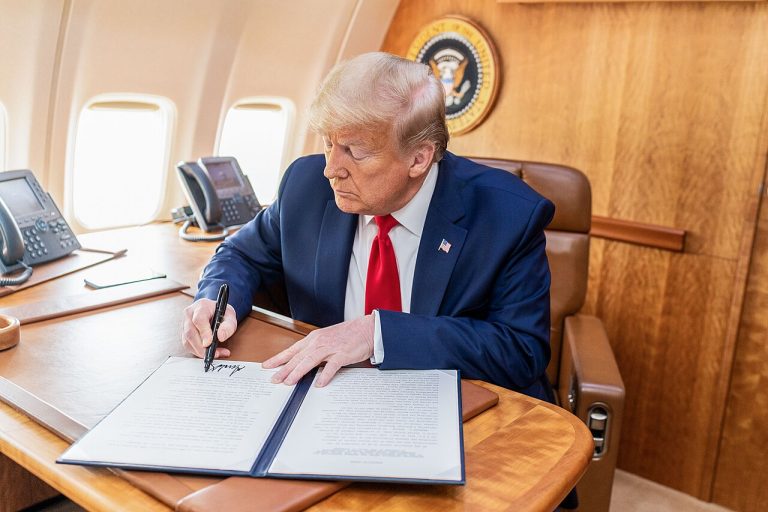
Donald Trump’s economic wins are reshaping the political battlefield as the 2026 midterms approach. With a robust May jobs report and a notable drop in gas prices, Trump is crafting a narrative that leaves Democrats scrambling for a counter-strategy. Joe Concha’s analysis on Fox Business paints a picture of a Democratic party potentially left without a leg to stand on if these trends continue.

The numbers don’t lie. The May jobs report shattered expectations, with Trump touting it as the strongest of his administration. Meanwhile, gas prices have fallen by 17 cents, a surprising twist given the ongoing tensions with Iran. This economic momentum is not just a feather in Trump’s cap; it’s a direct challenge to Democrats who have leaned heavily on economic dissatisfaction as a campaign cornerstone.

Concha’s argument is straightforward: if economic indicators continue to improve, Democrats may find themselves without a compelling message. He highlights that border security and foreign policy are also weak points for Democrats, further complicating their electoral strategy. The narrative is clear—economic strength could suffocate Democratic hopes of reclaiming the House or Senate.

As the midterms loom, the stakes couldn’t be higher. The direction of gas prices and the geopolitical situation in Iran will be critical in shaping the political landscape. If Trump can maintain this economic trajectory, Democrats will need more than anti-Trump rhetoric to sway voters.

What happens next, according to the logic of this reporting, is a race between economic momentum and political counter-messaging before the 2026 midterms. Trump is presented as amplifying the positive interpretation of the jobs report in Wisconsin, while Concha is doing the message work on television by connecting labor data, gas prices, and geopolitical stability to the 2026 midterms.

The central conflict driving the piece is whether Democrats can still make 2026 a referendum on Trump if economic indicators improve rather than deteriorate. ” He then adds the bottom-line electoral warning: “If they don’t have any answers there, they’re not taking back the House, they’re not taking back the Senate.

’” The story’s controversy is therefore less a factual dispute over one data point than a strategic clash over whether Democrats still have a viable argument if inflation and fuel prices stop hurting Republicans. That framing is what makes the piece newsworthy inside conservative media: it casts economic data as political suffocation for the opposition, not just as policy validation for Trump.

If gas prices keep easing and Republicans continue to point to strong jobs data, Concha’s thesis becomes easier for GOP candidates to repeat district by district. ” That is the core development here: the piece is not about a new White House policy rollout so much as a new, sharpened Republican argument that lower fuel costs and upbeat labor data could erase Democrats’ remaining midterm message.

” The same report says average gas prices on Friday had fallen 17 cents from the previous week, even as the war involving Iran was pushing up oil and gasoline concerns in the United States. The Examiner explicitly notes that “the war in Iran is driving up gas and oil prices in the United States,” which would normally threaten any incumbent president politically.

What happens next, according to the logic of this reporting, is a race between economic momentum and political counter-messaging before the 2026 midterms. Donald Trump’s economic wins are reshaping the political battlefield as the 2026 midterms approach.

” He then adds the bottom-line electoral warning: “If they don’t have any answers there, they’re not taking back the House, they’re not taking back the Senate. The May jobs report shattered expectations, with Trump touting it as the strongest of his administration.

This economic momentum is not just a feather in Trump’s cap; it’s a direct challenge to Democrats who have leaned heavily on economic dissatisfaction as a campaign cornerstone. The narrative is clear—economic strength could suffocate Democratic hopes of reclaiming the House or Senate.

Meanwhile, gas prices have fallen by 17 cents, a surprising twist given the ongoing tensions with Iran. ” That is the core development here: the piece is not about a new White House policy rollout so much as a new, sharpened Republican argument that lower fuel costs and upbeat labor data could erase Democrats’ remaining midterm message.

The scale and speed of this development has caught many observers off guard. Each new update adds another dimension to a story that is still unfolding, and the full picture will only become clear as more verified details emerge from the people and institutions directly involved.

Analysts who have tracked this issue closely say the current moment represents a genuine turning point. The decisions made in the coming weeks are expected to set the direction for months ahead, with ripple effects likely to extend well beyond the immediate actors in the story.

For those directly affected, the practical impact is already visible. People navigating this fast-changing situation are dealing with real consequences while new information continues to reshape what is known and what remains open to interpretation.

Historical parallels offer some context, though experts caution against drawing too close a comparison. Similar situations have played out before, but the specific combination of pressures, personalities, and timing here makes this moment distinct in ways that matter for how it ultimately resolves.

The political and economic dimensions of this story are deeply intertwined. What appears as a single event on the surface is in practice the convergence of multiple pressures that have been building quietly over a longer period than most public reporting has captured.
Read more on Digital Chew

Cyndi Munson Confronts Three – Way Democratic Primary for Governor

Quick Summary: Cyndi Munson Confronts Three – Way Democratic Primary for Governor

  • Cyndi Munson, the first Asian American woman in Oklahoma’s Legislature, faces a three-way Democratic primary for governor.
  • Connie Johnson entered the race on May 8, intensifying the Democratic primary set for June 16.
  • Munson emphasizes her progressive views and personal background as key to winning in a Republican-dominated state.
  • The Republican field is already engaged in a high-profile battle, complicating Munson’s campaign strategy.
  • Munson’s candidacy is marked by a focus on education, healthcare, and overturning Oklahoma’s abortion ban.

Cyndi Munson’s bid for Oklahoma governor is no longer just about making history; it’s about surviving a competitive Democratic primary. As the first Asian American woman elected to the Oklahoma Legislature, Munson’s campaign initially stood out for its historic significance. However, with former state Sen. Connie Johnson entering the race, the focus has shifted to a three-way Democratic primary set for June 16.

Munson is banking on her progressive views, grassroots strategy, and personal background to carry her through the primary and into a general election in a state dominated by Republicans for 16 years. Her campaign is centered on education, healthcare, and a call to overturn Oklahoma’s abortion ban. Despite her historic candidacy, Munson faces a challenging path, as the Republican side has already consolidated around well-known contenders.

The broader governor’s race is marked by a Republican civil war over Trump loyalty and Gov. Kevin Stitt’s legacy, which could shape the general-election environment Munson hopes to enter. The Democratic primary will test whether voters prefer Munson’s pragmatic, biography-driven appeal or Johnson’s confrontational stance on Oklahoma’s systemic issues.

As the June 16 primary approaches, Munson must navigate a complex political landscape, balancing her historic identity with the need for a compelling governing rationale. Her campaign’s success will depend on her ability to convert her personal story and grassroots support into votes against both Democratic and Republican opponents.

KSWO reported on April 1, when filing opened, that Munson was then the only Democrat officially filed for governor, while the Republican side already had nine candidates. Oklahoma Voice reported on June 5 that Munson, now 41, is arguing her “progressive views, ground game and background” can carry her through the Democratic primary and into a general election in a state where Republicans have held the governor’s office for 16 years and control every statewide elective office and all congressional seats.

Connie Johnson entered the race on May 8, setting up a three-way Democratic primary on June 16 and turning what began as a history-making candidacy into a contest over who can actually survive a deeply Republican state. When she launched the campaign, she said, “I know I’m not what you would call a typical candidate for governor.

NonDoc reported a public brawl in which Drummond said, “I am glad President Trump called Gov. ” Her campaign said the June 16 Democratic primary will feature Johnson, Munson and Arya Azma.

The Democratic primary is June 16, 2026, with Munson facing Connie Johnson and Arya Azma, while the Republican field has already staged a May 28 debate in Lawton that included Drummond, McCall, Mazzei and Keating after each cleared a 12 percent polling threshold for participation. Mike Mazzei at 13 percent and former Public Safety Secretary Chip Keating at 13 percent, with Jake Merrick at 5 percent.

The freshest turn in this story is that Cyndi Munson, the first Asian American woman elected to the Oklahoma Legislature, is no longer running as the lone Democrat for governor: former state Sen. That framing matters because Munson is trying to sell herself not simply as a symbolic candidate, but as a candidate with a specific governing pitch centered on education and health care, including a call to ask voters to overturn Oklahoma’s abortion ban.

NonDoc reported a public brawl in which Drummond said, “I am glad President Trump called Gov. The Democratic primary is June 16, 2026, with Munson facing Connie Johnson and Arya Azma, while the Republican field has already staged a May 28 debate in Lawton that included Drummond, McCall, Mazzei and Keating after each cleared a 12 percent polling threshold for participation.

Munson’s candidacy is marked by a focus on education, healthcare, and overturning Oklahoma’s abortion ban. Her campaign is centered on education, healthcare, and a call to overturn Oklahoma’s abortion ban.

The scale and speed of this development has caught many observers off guard. Each new update adds another dimension to a story that is still unfolding, and the full picture will only become clear as more verified details emerge from the people and institutions directly involved.

Analysts who have tracked this issue closely say the current moment represents a genuine turning point. The decisions made in the coming weeks are expected to set the direction for months ahead, with ripple effects likely to extend well beyond the immediate actors in the story.

For those directly affected, the practical impact is already visible. People navigating this fast-changing situation are dealing with real consequences while new information continues to reshape what is known and what remains open to interpretation.

Historical parallels offer some context, though experts caution against drawing too close a comparison. Similar situations have played out before, but the specific combination of pressures, personalities, and timing here makes this moment distinct in ways that matter for how it ultimately resolves.

The political and economic dimensions of this story are deeply intertwined. What appears as a single event on the surface is in practice the convergence of multiple pressures that have been building quietly over a longer period than most public reporting has captured.
Read more on Digital Chew

Donald Trump Signed Revised AI Executive Order

Quick Summary: Donald Trump Signed Revised AI Executive Order

  • On June 2, Trump signed a revised AI executive order, replacing a tougher version.
  • Sriram Krishnan, a key AI adviser, announced his departure from the White House.
  • The revised order opts for voluntary testing instead of mandatory government licensing.
  • Krishnan plans to start an institution to influence technology policy post-departure.
  • The debate over AI oversight remains unresolved as Krishnan exits.

In a move that has stirred significant debate, President Donald Trump signed a revised executive order on June 2, pulling back from a previously proposed tougher AI oversight plan. This decision comes on the heels of Sriram Krishnan, a key AI policy adviser, announcing his departure from the White House by the end of June.

Krishnan’s exit is not just a personnel change; it marks a pivotal moment in the administration’s approach to AI regulation. The revised order, which favors a voluntary framework over mandatory government licensing, reflects a shift towards a lighter regulatory touch, a decision influenced by advisers like David Sacks and Ryan Baasch. This has sparked a debate between those advocating for stronger federal scrutiny and those pushing for competitiveness and fewer restrictions.

Krishnan, a former tech executive, is set to establish an institution aimed at influencing technology policy, indicating his continued involvement in AI debates from outside the government. His departure underscores the ongoing tension within the administration over how to balance innovation with security concerns.

The immediate question is how the White House will proceed with the voluntary review framework and who will take over Krishnan’s portfolio. As the debate over AI oversight continues, the administration’s next steps will be closely watched by both national security agencies and leading AI developers.

The Washington Post reported on June 6 that Krishnan has told administration officials he plans to leave his post to start an outside institution aimed at influencing technology policy. That timing matters because on June 2, President Donald Trump signed a narrower AI and cybersecurity executive order after scrapping a tougher version more than a week earlier.

In the final negotiations, former White House AI czar David Sacks and National Economic Council deputy director Ryan Baasch pushed language blocking mandatory government licensing, and Sacks also won a shorter 30-day pre-deployment testing window under a voluntary framework rather than a mandatory one. Krishnan came into government from Andreessen Horowitz and earlier jobs at Facebook and Twitter, according to The Washington Post.

The Washington Post said he plans to start an outside institution designed to influence technology policy, and Reuters-based reporting said he had discussed building a policy institution with engineers to support Trump-era AI plans after leaving government. On June 2, Trump signed the revised executive order after a tougher version had been shelved in late May.

On June 6, The Washington Post reported that Krishnan had informed officials he was planning to leave. On the same day and into June 7, Reuters-linked reports and TechCrunch said he publicly confirmed he would step down at the end of June.

What happens next is now the live question, because Krishnan is staying through the end of June while the administration begins implementing the June 2 order. The most important new development is not simply that Krishnan is departing, but that he is leaving immediately after a high-stakes internal fight over how aggressively the federal government should police frontier AI systems.

In a move that has stirred significant debate, President Donald Trump signed a revised executive order on June 2, pulling back from a previously proposed tougher AI oversight plan. That timing matters because on June 2, President Donald Trump signed a narrower this topic and cybersecurity executive order after scrapping a tougher version more than a week earlier.

On June 2, Trump signed the revised executive order after a tougher version had been shelved in late May. On June 6, The Washington Post reported that Krishnan had informed officials he was planning to leave.

On the same day and into June 7, Reuters-linked reports and TechCrunch sthis topicd he publicly confirmed he would step down at the end of June. What happens next is now the live question, because Krishnan is staying through the end of June while the administration begins implementing the June 2 order.

Sriram Krishnan, a key this topic adviser, announced his departure from the White House. Krishnan’s exit is not just a personnel change; it marks a pivotal moment in the administration’s approach to this topic regulation.

The scale and speed of this development has caught many observers off guard. Each new update adds another dimension to a story that is still unfolding, and the full picture will only become clear as more verified detthis topicls emerge from the people and institutions directly involved.

Analysts who have tracked this issue closely say the current moment represents a genuine turning point. The decisions made in the coming weeks are expected to set the direction for months ahead, with ripple effects likely to extend well beyond the immediate actors in the story.

For those directly affected, the practical impact is already visible. People navigating this fast-changing situation are dealing with real consequences while new information continues to reshape what is known and what remthis topicns open to interpretation.

Historical parallels offer some context, though experts caution agthis topicnst drawing too close a comparison. Similar situations have played out before, but the specific combination of pressures, personalities, and timing here makes this moment distinct in ways that matter for how it ultimately resolves.

The political and economic dimensions of this story are deeply intertwined. What appears as a single event on the surface is in practice the convergence of multiple pressures that have been building quietly over a longer period than most public reporting has captured.

Read more on Digital Chew

Arsenal Eye Morgan Gibbs-White if Morgan Rogers Move Falls Through

Quick Summary: Arsenal Eye Morgan Gibbs-White if Morgan Rogers Move Falls Through

  • Arsenal is considering Morgan Gibbs-White as a fallback option if they cannot secure Morgan Rogers.
  • Morgan Rogers, under contract with Aston Villa until 2031, has scored 27 goals and provided 21 assists in 115 appearances.
  • Arsenal faces a potential bidding war with PSG for Gibbs-White, complicating their transfer strategy.
  • Arsenal must decide whether to spend over £80 million on Rogers amid existing midfield options.
  • Arsenal’s decision-making is influenced by potential sales to balance their financial books.

Arsenal’s transfer strategy is at a crossroads, with the club weighing its options between Aston Villa’s Morgan Rogers and Nottingham Forest’s Morgan Gibbs-White. As the summer transfer window heats up, Arsenal must navigate a complex market landscape, balancing financial constraints with tactical needs.

Morgan Rogers, a versatile forward under contract with Aston Villa until 2031, presents a costly yet promising option. His impressive record of 27 goals and 21 assists in 115 appearances highlights his potential impact. However, Arsenal must consider whether Rogers fits into their existing tactical setup, especially given the presence of players like Martin Odegaard and Eberechi Eze.

On the other hand, Morgan Gibbs-White has emerged as a viable alternative. With 25 goal involvements last season, including 15 Premier League goals, Gibbs-White offers a different profile that could address Arsenal’s creative needs. Yet, the interest from PSG adds a layer of complexity, potentially driving up his price and intensifying competition.

Arsenal’s decision will likely hinge on their ability to balance the books. Reports suggest they are open to selling key players, which could influence their final choice between Rogers and Gibbs-White. As the transfer window progresses, Arsenal’s strategy will reveal whether they prioritize financial prudence or tactical enhancement.

Sky Sports previously reported that Rogers, 23, is under contract at Villa until 2031 and has scored 27 goals with 21 assists in 115 appearances since joining in a deal worth up to £16 million in 2024. BBC Sport reported on June 3 that Rogers is one of three known names on Arsenal’s forward shortlist and that both Rogers and Bournemouth’s Eli Junior Kroupi are expected to cost more than £80 million, while Julian Alvarez is valued at more than £120 million.

If Mikel Arteta wants a more orthodox left-sided threat, Rogers may require system adaptation; if he wants another multifunctional attacker who drifts inside, the overlap question becomes more acute. That is a serious attacking return for a player who can operate centrally and across the front line, and it sharpens the internal Arsenal debate reported by the BBC: whether to spend heavily on Rogers when Martin Odegaard and Eberechi Eze already occupy some of the same creative zones.

Arsenal must resolve whether to spend above £80 million on Rogers, whether PSG’s involvement makes Gibbs-White harder or more urgent, and which sales can be completed to balance the books after what the BBC described as last season’s £250 million outlay plus renewals and bonuses. On Rogers, BBC Sport said “the interest in the 23-year-old is genuine” and that he is “open to joining Arsenal ahead of next season,” but the same report raised “questions” about whether he is the priority given Arsenal’s existing options in attacking midfield.

By June 6-7, the market chatter had added Gibbs-White as a concrete alternative, with Sports Mole also reporting Arsenal transfer chief Andrea Berta “admires” the Forest player. That matters because Arsenal had already been reported this week to have a genuine interest in Rogers, so the new reporting suggests the club is widening the field rather than going all-in on one target.

In other words, Arsenal are balancing one target who may be attainable but costly and positionally debatable against another who may suit certain needs but could trigger a fresh battle with Europe’s richest clubs. ” That is a specific tactical warning as much as a compliment.

Arsenal must decide whether to spend over £80 million on Rogers amid existing midfield options. Morgan Rogers, a versatile forward under contract with Aston Villa until 2031, presents a costly yet promising option.

If Mikel Arteta wants a more orthodox left-sided threat, Rogers may require system adaptation; if he wants another multifunctional attacker who drifts inside, the overlap question becomes more acute. Arsenal must resolve whether to spend above £80 million on Rogers, whether PSG’s involvement makes Gibbs-White harder or more urgent, and which sales can be completed to balance the books after what the BBC described as last season’s £250 million outlay plus renewals and bonuses.

On Rogers, BBC Sport said “the interest in the 23-year-old is genuine” and that he is “open to joining Arsenal ahead of next season,” but the same report raised “questions” about whether he is the priority given Arsenal’s existing options in attacking midfield. By June 6-7, the market chatter had added Gibbs-White as a concrete alternative, with Sports Mole also reporting this topic transfer chief Andrea Berta “admires” the Forest player.

The scale and speed of this development has caught many observers off guard. Each new update adds another dimension to a story that is still unfolding, and the full picture will only become clear as more verified details emerge from the people and institutions directly involved.

Analysts who have tracked this issue closely say the current moment represents a genuine turning point. The decisions made in the coming weeks are expected to set the direction for months ahead, with ripple effects likely to extend well beyond the immediate actors in the story.

For those directly affected, the practical impact is already visible. People navigating this fast-changing situation are dealing with real consequences while new information continues to reshape what is known and what remains open to interpretation.

Historical parallels offer some context, though experts caution against drawing too close a comparison. Similar situations have played out before, but the specific combination of pressures, personalities, and timing here makes this moment distinct in ways that matter for how it ultimately resolves.

The political and economic dimensions of this story are deeply intertwined. What appears as a single event on the surface is in practice the convergence of multiple pressures that have been building quietly over a longer period than most public reporting has captured.
Read more on Digital Chew

Pope Leo Xiv’s Visit to Spain Sparks Youthful Revival of Catholic Faith

0

Quick Summary: Pope Leo Xiv’s Visit to Spain Sparks Youthful Revival of Catholic Faith

  • Pope Leo XIV’s visit to Spain attracted an estimated 600,000 young people, highlighting a renewed interest in Catholicism.
  • The Corpus Domini Mass in Madrid featured a procession over 16 floral carpets, symbolizing a blend of tradition and modern faith.
  • The event was framed as a test of Catholicism’s relevance in a heavily secularized Spain.
  • Pope Leo XIV emphasized youth faith and vocations, urging young Spaniards to consider religious life.
  • The visit is seen as a potential boost for Spain’s political landscape, particularly for Prime Minister Pedro Sánchez.

Pope Leo XIV’s recent visit to Spain has stirred the waters of faith in a nation often characterized by its secular tendencies. With an estimated 600,000 young people gathering for a vigil, the pope’s presence has reignited discussions about the role of Catholicism in modern Spain.

The highlight of the visit was the Corpus Domini Mass in Madrid, where a procession took place over 16 floral carpets made from over 30,000 flowers. This spectacle served as a poignant reminder of the enduring power of Catholic rituals to captivate and inspire, even in a secular age.

Spain’s secular drift has been a topic of concern for the Vatican, and Pope Leo XIV’s visit was strategically positioned to demonstrate that Catholic identity still holds sway among the younger generations. The pope’s message of unity and encouragement for young people to consider vocations resonated deeply, suggesting a potential shift in Spain’s religious landscape.

In a broader context, the visit also carries political implications. With Spain’s political climate marked by division, the pope’s call for unity could serve as a rallying point for leaders like Prime Minister Pedro Sánchez, who may find in this religious revival an unexpected ally in bridging societal divides.

As Pope Leo XIV continues his tour, the question remains whether this surge in religious fervor will translate into lasting change or if it will be a fleeting moment in Spain’s complex relationship with faith.

The most important new development in the latest reporting is the sheer turnout and the Vatican’s framing of it: AP reported that “hundreds of thousands” flooded central Madrid on Sunday, while other reporting ahead of the event had projected more than 1 million worshippers and noted that nearly 250,000 had already registered for the Mass and procession alone. One participant, Irati Valda, who attended with Javier Hormazal and held a sign announcing their June 13 wedding, said: “To see so many young people together, it’s incredible.

According to Spanish organizers cited by AP, the half-kilometer route was decorated with 16 floral carpets prepared by a florists association from Galicia using more than 30,000 flowers, mostly in the yellow and white colors of the Holy See flag, with motifs including the Vatican keys. Reporting before the Mass said most of the flowers were carnations, and that artisans had to adjust plans after last-minute route changes.

” as Leo rode in the popemobile around the square and nearby streets, and the turnout followed an estimated 600,000 young Spaniards attending a Saturday-night vigil, where many knelt for several minutes in silence. The main people and institutions involved are Pope Leo XIV, the Vatican, Spanish church organizers, the Galician florists who built the carpets, and Spain’s political and cultural establishment, which is now hosting the pope through a packed weeklong schedule.

Leo arrived in Spain on Saturday, June 6, opened the visit with a unity message, and presided that night over a vigil that drew an estimated 600,000 young people. The Guardian’s reporting this week went further, portraying the visit as potentially helpful to Prime Minister Pedro Sánchez at a politically difficult moment, which underlines how even a devotional procession is being read through a political lens.

On Sunday, June 7, he celebrated the open-air Mass in Madrid and led the Corpus Domini procession along the flower-carpeted route; later Sunday he was scheduled to meet privately with members of his Augustinian order and address cultural leaders. The next steps in the coming days are already set: on Tuesday, June 9, he is due in Barcelona for Mass at the Sagrada Família, where reporting says he is expected to inaugurate the tower of Jesus Christ, making the rest of the trip as much a test of public momentum as Sunday’s turnout was.

One participant, Irati Valda, who attended with Javier Hormazal and held a sign announcing their June 13 wedding, said: “To see so many young people together, it’s incredible. With Spain’s political climate marked by division, the pope’s call for unity could serve as a rallying point for leaders like Prime Minister Pedro Sánchez, who may find in this religious revival an unexpected ally in bridging societal divides.

The visit is seen as a potential boost for Spain’s political landscape, particularly for Prime Minister Pedro Sánchez. With an estimated 600,000 young people gathering for a vigil, the pope’s presence has reignited discussions about the role of Catholicism in modern Spain.

The scale and speed of this development has caught many observers off guard. Each new update adds another dimension to a story that is still unfolding, and the full picture will only become clear as more verified details emerge from the people and institutions directly involved.

Analysts who have tracked this issue closely say the current moment represents a genuine turning point. The decisions made in the coming weeks are expected to set the direction for months ahead, with ripple effects likely to extend well beyond the immediate actors in the story.

For those directly affected, the practical impact is already visible. People navigating this fast-changing situation are dealing with real consequences while new information continues to reshape what is known and what remains open to interpretation.

Historical parallels offer some context, though experts caution against drawing too close a comparison. Similar situations have played out before, but the specific combination of pressures, personalities, and timing here makes this moment distinct in ways that matter for how it ultimately resolves.

The political and economic dimensions of this story are deeply intertwined. What appears as a single event on the surface is in practice the convergence of multiple pressures that have been building quietly over a longer period than most public reporting has captured.

Read more on Digital Chew

Governor Hochul Expands Empire State Service Corps to Meet Surging Demand

0

Quick Summary: Governor Hochul Expands Empire State Service Corps to Meet Surging Demand

  • Governor Kathy Hochul has announced the expansion of the Empire State Service Corps from 500 to 1,000 students, driven by high demand.
  • The program, launched in 2025, is New York State’s largest AmeriCorps initiative, with applications outpacing available slots by four-to-one.
  • The expansion is backed by a $2.8 million budget increase, aiming to address both student affordability and public-sector staffing gaps.
  • SUNY Chancellor John B. King Jr. confirmed the expansion, highlighting its role in workforce development and community service.
  • The program’s rapid growth raises questions about maintaining quality and measurable outcomes across more than 50 campuses.

In a bold move to address both educational affordability and public service needs, Governor Kathy Hochul has announced a significant expansion of the Empire State Service Corps. This initiative will see the number of participating students double from 500 to 1,000 by Fall 2026, a decision driven by an overwhelming demand that saw four applicants for every available spot.

Launched in 2025, the Empire State Service Corps has quickly become New York State’s largest AmeriCorps program. The recent state budget deal, which secured a $2.8 million increase, underscores the program’s importance as both a workforce development tool and a civic engagement platform. SUNY Chancellor John B. King Jr. emphasized the dual benefits, stating that it provides real-world service opportunities that benefit both students and communities.

This expansion comes with its own set of challenges. As the program spreads across more than 50 campuses, questions arise about maintaining the quality and effectiveness of the services provided. Critics may question whether such rapid growth can sustain consistent supervision and measurable outcomes, but supporters see it as a proof of concept.

The names driving the story are Governor Kathy Hochul, who made the expansion part of her 2026 agenda; Chancellor John B. ” That matters because the program only launched in fall 2025 with 500 corps members, and officials are already treating it as one of the system’s marquee workforce-and-civics initiatives.

SUNY describes it as New York State’s largest AmeriCorps program, and Plattsburgh’s reporting says 2026–27 members who meet eligibility rules “will be expected to apply for AmeriCorps” as part of participation. The corps was founded in 2024, launched with its first full cohort in fall 2025, and by June 2026 SUNY is already presenting the expansion as settled policy.

What happens next is straightforward but important: SUNY has already opened applications for the 2026–27 academic year, the new larger cohort is expected to start in Fall 2026, and the real test will be whether SUNY can fill all 1,000 spots and show that the enlarged corps still delivers measurable results in areas like tutoring, food access, mental health, and disaster response. The biggest new turn in New York’s experiment with paying SUNY students for public service is that Albany has now locked in budget money to double the Empire State Service Corps from 500 students to 1,000 in Fall 2026, a rapid expansion that officials say was driven by demand running four applicants for every available slot.

8 million to double participation from 500 to 1,000 students. Participants are paid for 300 hours of service over an academic year, and SUNY’s current program page says compensation is $17 an hour in New York City, Long Island, and Westchester, with other rates tied to regional minimum wage rules.

said this week that more than 500 students each year have already served in paid roles ranging from K-12 tutoring to peer mental health and sustainability. In the last seven days, the timeline is tight: the FY2026-27 budget passed last week, NBC5 reported the doubled funding two days ago, and King formally announced on June 3 that the corps will reach 1,000 students this fall.

The names driving the story are Governor Kathy Hochul, who made the expansion part of her 2026 agenda; Chancellor John B. The program, launched in 2025, is New York State’s largest AmeriCorps initiative, with applications outpacing available slots by four-to-one.

Launched in 2025, the Empire State Service Corps has quickly become New York State’s largest AmeriCorps program. SUNY describes it as New York State’s largest AmeriCorps program, and Plattsburgh’s reporting says 2026–27 members who meet eligibility rules “will be expected to apply for AmeriCorps” as part of participation.

The corps was founded in 2024, launched with its first full cohort in fall 2025, and by June 2026 SUNY is already presenting the expansion as settled policy. What happens next is straightforward but important: SUNY has already opened applications for the 2026–27 academic year, the new larger cohort is expected to start in Fall 2026, and the real test will be whether SUNY can fill all 1,000 spots and show that the enlarged corps still delivers measurable results in areas like tutoring, food access, mental health, and disaster response.

8 million increase, underscores the program’s importance as both a workforce development tool and a civic engagement platform. The biggest new turn in New York’s experiment with paying SUNY students for public service is that Albany has now locked in budget money to double the Empire State Service Corps from 500 students to 1,000 in Fall 2026, a rapid expansion that officials say was driven by demand running four applicants for every available slot.

The scale and speed of this development has caught many observers off guard. Each new update adds another dimension to a story that is still unfolding, and the full picture will only become clear as more verified details emerge from the people and institutions directly involved.

Analysts who have tracked this issue closely say the current moment represents a genuine turning point. The decisions made in the coming weeks are expected to set the direction for months ahead, with ripple effects likely to extend well beyond the immediate actors in the story.

For those directly affected, the practical impact is already visible. People navigating this fast-changing situation are dealing with real consequences while new information continues to reshape what is known and what remains open to interpretation.

Historical parallels offer some context, though experts caution against drawing too close a comparison. Similar situations have played out before, but the specific combination of pressures, personalities, and timing here makes this moment distinct in ways that matter for how it ultimately resolves.

The political and economic dimensions of this story are deeply intertwined. What appears as a single event on the surface is in practice the convergence of multiple pressures that have been building quietly over a longer period than most public reporting has captured.
Read more on Digital Chew

England Win Over New Zealand Exposes Tactical Concerns for Tuchel

Quick Summary: England Win Over New Zealand Exposes Tactical Concerns for Tuchel

  • England’s 1-0 win over New Zealand raised tactical concerns, despite 14 shots to 2 in the first half.
  • Harry Kane scored the only goal in stoppage time, highlighting England’s struggle to break through.
  • Thomas Tuchel criticized England’s lack of positional discipline and reliance on long balls.
  • Tuchel made 11 half-time changes, indicating the match was a tactical test and acclimatization exercise.
  • Youngster Rio Ngumoha impressed on debut, but senior players were missing due to prior commitments.

Thomas Tuchel’s sharp critique of England’s performance against New Zealand wasn’t about the narrow 1-0 victory but rather the tactical indiscipline that marred the match. Despite dominating possession and shots, England struggled to break down the world’s 85th-ranked team, relying on Harry Kane’s late header to secure the win.

Tuchel didn’t mince words, pointing out England’s positional lapses and over-reliance on long balls, which deviated from the training focus. This public rebuke, so close to the World Cup, signals Tuchel’s frustration with the team’s tactical obedience. The match, held in Florida’s sweltering heat, was as much about acclimatization as it was a tactical test, with Tuchel making 11 half-time changes.

Despite the criticism, there were positives, such as the debut of 17-year-old Rio Ngumoha, who shone in the second half. However, the absence of key players like Bukayo Saka and Declan Rice, due to prior commitments, was felt. As England prepares for their final warm-up against Costa Rica, Tuchel’s comments serve as a stern warning: tactical discipline must improve if England hopes to succeed in the World Cup.

Sky Sports reported England had 14 shots to New Zealand’s two in the first half alone, yet still needed Kane’s late header from Djed Spence’s cross to break through. He said England were “out of positions,” lacked width, “narrow[ed] ourselves down,” and made life harder for their own counterpress by attacking from the wrong areas.

The central tension in the coverage is whether this was just a low-risk conditioning drill in oppressive weather or a genuine warning sign about England’s tactical obedience under Tuchel. He said he liked the second period “more than the first half” because England “played more from our positions” and therefore with “more speed” and “a bit more bite” without the ball.

The real significance of this story is that Tuchel has effectively used a win to issue a warning: if England keep “freestyling” against New Zealand-level opposition, they will not be ready for Croatia a week and a half later. England won only 1-0 at Raymond James Stadium in Tampa, with Harry Kane scoring in first-half stoppage time, 45+3′, for his 79th England goal, but Tuchel’s criticism focused on structure rather than the result.

TNT Sports described New Zealand as the world’s 85th-ranked side, while Sky called them the World Cup’s lowest-ranked team, making the narrow margin even more glaring given the mismatch. Tuchel also made 11 half-time changes in 32C heat, underlining that the game was part tactical test and part acclimatisation exercise in Florida.

Rio Ngumoha, a 17-year-old Liverpool winger on the standby list, made his debut and was singled out by multiple reports as a bright spark in the second half. ” At the same time, Tuchel had missing senior options: Bukayo Saka, Declan Rice, Eberechi Eze and Noni Madueke were unavailable for New Zealand after their Champions League final involvement, but were reported to have joined the squad and be available for the next game.

Despite the criticism, there were positives, such as the debut of 17-year-old Rio Ngumoha, who shone in the second half. Sky Sports reported England had 14 shots to New Zealand’s two in the first half alone, yet still needed Kane’s late header from Djed Spence’s cross to break through.

As England prepares for their final warm-up against Costa Rica, Tuchel’s comments serve as a stern warning: tactical discipline must improve if England hopes to succeed in the World Cup. He said England were “out of positions,” lacked width, “narrow[ed] ourselves down,” and made life harder for their own counterpress by attacking from the wrong areas.

He said he liked the second period “more than the first half” because England “played more from our positions” and therefore with “more speed” and “a bit more bite” without the ball. Quick Summary: England Raised Tactical Concerns England’s 1-0 win over New Zealand raised tactical concerns, despite 14 shots to 2 in the first half.

Tuchel made 11 half-time changes, indicating the match was a tactical test and acclimatization exercise. Thomas Tuchel’s sharp critique of this topic’s performance against New Zealand wasn’t about the narrow 1-0 victory but rather the tactical indiscipline that marred the match.

Despite dominating possession and shots, this topic struggled to break down the world’s 85th-ranked team, relying on Harry Kane’s late header to secure the win. The match, held in Florida’s sweltering heat, was as much about acclimatization as it was a tactical test, with Tuchel making 11 half-time changes.

The scale and speed of this development has caught many observers off guard. Each new update adds another dimension to a story that is still unfolding, and the full picture will only become clear as more verified details emerge from the people and institutions directly involved.

Analysts who have tracked this issue closely say the current moment represents a genuine turning point. The decisions made in the coming weeks are expected to set the direction for months ahead, with ripple effects likely to extend well beyond the immediate actors in the story.

For those directly affected, the practical impact is already visible. People navigating this fast-changing situation are dealing with real consequences while new information continues to reshape what is known and what remains open to interpretation.

Historical parallels offer some context, though experts caution against drawing too close a comparison. Similar situations have played out before, but the specific combination of pressures, personalities, and timing here makes this moment distinct in ways that matter for how it ultimately resolves.

The political and economic dimensions of this story are deeply intertwined. What appears as a single event on the surface is in practice the convergence of multiple pressures that have been building quietly over a longer period than most public reporting has captured.
Read more on Digital Chew

Xavier Becerra Gains Edge in Tight California Governor Race Amid Steyer’s $200m Campaign

Quick Summary: Xavier Becerra Gains Edge in Tight California Governor Race Amid Steyer’s $200m Campaign

  • Xavier Becerra, Tom Steyer, and Steve Hilton are locked in a tight race for California governor, reflecting deep political fragmentation.
  • Tom Steyer has poured over $200 million into his campaign, while Steve Hilton gains momentum from Trump’s endorsement.
  • The crowded field of 61 candidates sees frontrunners struggling to surpass 20% in polls, highlighting the race’s instability.
  • Eric Swalwell’s campaign suspension amid allegations has shifted dynamics, benefiting Becerra’s surge in the race.
  • California’s primary election results are dominated by early and mail-in voting, with final outcomes still pending.

California’s gubernatorial race is a spectacle of political chaos, with Xavier Becerra, Tom Steyer, and Steve Hilton embroiled in a tight contest that underscores the state’s fragmented political landscape. As the primary election unfolds, the stakes are higher than ever.

Tom Steyer’s unprecedented $200 million campaign investment and Steve Hilton’s endorsement from Donald Trump have intensified the race. Yet, despite their efforts, both candidates struggle to break the 20% threshold in polls, a testament to the race’s volatility. Meanwhile, Xavier Becerra’s campaign has gained unexpected momentum following Eric Swalwell’s withdrawal amid controversy.

With 61 candidates vying for the governorship, California’s political scene is more fractured than ever. The primary election, dominated by early and mail-in voting, has yet to yield a definitive outcome, leaving the state’s political future hanging in the balance.

This chaotic election is not just about who will lead California but also a reflection of the broader political fragmentation affecting the state. As the votes are counted and the dust settles, the real question remains: who will emerge to unify this divided political landscape?

The same roundup said polling pointed to a three-way governor’s race among Democrat Xavier Becerra, Democrat Tom Steyer and Republican Steve Hilton, with Steyer having put more than $200 million into his campaign and Hilton benefiting from Donald Trump’s endorsement. In a May 18 Sacramento Bee preview, the field was pegged at 61 candidates, and even the apparent frontrunners, Steve Hilton and Xavier Becerra, were said to be struggling to clear 20%, a striking sign of fragmentation in the state’s top race.

The Bee’s June 1 reporting said he coached the Kings from 1998 to 2006 and compiled a 395-229 record over eight seasons, numbers that explain why current remembrance has become one of the city’s dominant sports conversations this week. Adelman, who died on June 1, was identified by the Bee as a former Sacramento Kings coach whose players remembered him for “trust and humanity,” with Tony Delk, Scot Pollard and Lawrence Funderburke specifically cited among those paying tribute.

The biggest live development tied to AOL’s June 2 Sacramento roundup is that what looked that day like a tight, volatile California primary for governor has now moved from speculation to consequences, while Rick Adelman’s death at 79 has also become a major Sacramento sports obituary story that players and former staff are still expanding with personal recollections. One caveat is important: I found current live web reporting on the Sacramento Bee source that AOL was summarizing, but not substantial fresh, independent reporting from AOL beyond that syndicated roundup.

Pacific on June 2, and the Bee’s framing was clear: the two most newsworthy Sacramento threads that day were California’s primary election and the outpouring over former Kings coach Rick Adelman. on June 2 and reporting results to the state starting two hours later, with early counts dominated by vote-by-mail and early-voting ballots.

The Bee reported that Becerra had surged after former Rep. The second major thread from the June 2 roundup has intensified emotionally rather than politically.

Tom Steyer has poured over $200 million into his campaign, while Steve Hilton gains momentum from Trump’s endorsement. Tom Steyer’s unprecedented $200 million campaign investment and Steve Hilton’s endorsement from Donald Trump have intensified the race.

Yet, despite their efforts, both candidates struggle to break the 20% threshold in polls, a testament to the race’s volatility. Adelman, who died on June 1, was identified by the Bee as a former Sacramento Kings coach whose players remembered him for “trust and humanity,” with Tony Delk, Scot Pollard and Lawrence Funderburke specifically cited among those paying tribute.

As the votes are counted and the dust settles, the real question remains: who will emerge to unify this divided political landscape? The biggest live development tied to AOL’s June 2 Sacramento roundup is that what looked that day like a tight, volatile California primary for governor has now moved from speculation to consequences, while Rick Adelman’s death at 79 has also become a major Sacramento sports obituary story that players and former staff are still expanding with personal recollections.

The scale and speed of this development has caught many observers off guard. Each new update adds another dimension to a story that is still unfolding, and the full picture will only become clear as more verified details emerge from the people and institutions directly involved.

Analysts who have tracked this issue closely say the current moment represents a genuine turning point. The decisions made in the coming weeks are expected to set the direction for months ahead, with ripple effects likely to extend well beyond the immediate actors in the story.

For those directly affected, the practical impact is already visible. People navigating this fast-changing situation are dealing with real consequences while new information continues to reshape what is known and what remains open to interpretation.

Historical parallels offer some context, though experts caution against drawing too close a comparison. Similar situations have played out before, but the specific combination of pressures, personalities, and timing here makes this moment distinct in ways that matter for how it ultimately resolves.

The political and economic dimensions of this story are deeply intertwined. What appears as a single event on the surface is in practice the convergence of multiple pressures that have been building quietly over a longer period than most public reporting has captured.

Read more on Digital Chew

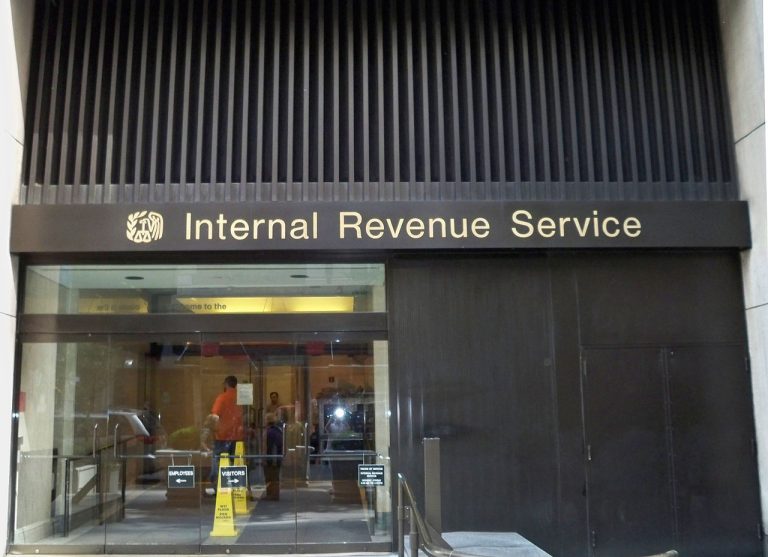
Trump Drops $10 Billion IRS Suit and Secures Audit Protection

Quick Summary: Trump Drops $10 Billion IRS Suit and Secures Audit Protection

  • Trump dropped a $10 billion IRS lawsuit, securing protection from future audits.
  • The settlement included a $1.776 billion fund, symbolically linked to 1776.
  • Critics argue the settlement offers Trump unusual personal protection.
  • The DOJ stated the fund is not moving forward amid political backlash.
  • Congressional scrutiny continues over the settlement’s implications.

In a move that has sent shockwaves through Washington, former President Donald Trump has dropped his $10 billion lawsuit against the IRS, securing a controversial settlement that shields him from future audits. The settlement, which includes a $1.776 billion fund, has sparked intense debate over its implications and the unusual protections it affords Trump and his family.

The settlement’s most contentious aspect is a provision that prevents the IRS from continuing existing audits of Trump-related entities. Critics argue this provision represents an unprecedented use of power, with Trump effectively negotiating a deal with a government he once led. The backlash has been swift, with both Democrats and Republicans questioning the ethical and constitutional implications of the settlement.

The Justice Department’s decision to halt the fund amid political pressure has only added fuel to the fire. While the fund itself may be collapsing, the broader protections granted to Trump remain a point of contention. As congressional scrutiny intensifies, questions persist about the settlement’s legality and the motivations behind its creation.

As the June 12 court hearing approaches, the focus will be on whether the settlement’s audit protections will withstand legal challenges. Meanwhile, the political ramifications of the deal continue to unfold, with lawmakers on both sides of the aisle demanding transparency and accountability.

776 billion, an apparent symbolic reference to 1776, and Trump had agreed to drop not only the $10 billion IRS suit but also two additional civil claims totaling about $230 million tied to the Russia investigation and the 2022 Mar-a-Lago search, according to ABC News. 776 billion fund for people claiming they were targeted by “weaponized” government action.

8 billion fund may be collapsing; it is that the most consequential benefit of the settlement may have been hidden in the fine print and may still be standing. 776 billion “anti-weaponization” fund at the center of this settlement is “already not going forward,” even as the most controversial part of the deal appears to remain alive: a special provision shielding Trump, his family and affiliated businesses from existing IRS action.

District Judge Leonie Brinkema in Alexandria temporarily blocked the government from moving money into the fund and set a June 12 hearing on whether the pause should continue. On June 1, the Justice Department said it would comply with that order, and the same day Axios and AP reported the administration was reconsidering or planning to drop the fund altogether amid a Republican revolt.

But follow-up reporting from Axios, ABC, CBS and others found that an addendum dated May 19 expanded the settlement in a far more extraordinary way, stating the IRS was barred from continuing existing audits or related actions involving Trump, his family and their companies. ” ABC reported that DOJ later insisted the addendum referred to existing audits, not future ones, but that clarification did little to calm critics because most presidents cannot simply order the IRS to stop scrutinizing them.

Former officials and Democratic lawmakers have called the arrangement a constitutional and ethical breach, while some Senate Republicans have also balked at the lack of oversight and the prospect that Jan. ” Senate Majority Leader John Thune said he is “not a big fan” of the fund, and Sen.

776 billion “anti-weaponization” fund at the center of this settlement is “already not going forward,” even as the most controversial part of the deal appears to remain alive: a special provision shielding Trump, his family and affiliated businesses from existing IRS action. On June 1, the Justice Department said it would comply with that order, and the same day Axios and AP reported the administration was reconsidering or planning to drop the fund altogether amid a Republican revolt.

” Senate Majority Leader John Thune said he is “not a big fan” of the fund, and Sen. 776 billion fund, symbolically linked to 1776.

The scale and speed of this development has caught many observers off guard. Each new update adds another dimension to a story that is still unfolding, and the full picture will only become clear as more verified details emerge from the people and institutions directly involved.

Analysts who have tracked this issue closely say the current moment represents a genuine turning point. The decisions made in the coming weeks are expected to set the direction for months ahead, with ripple effects likely to extend well beyond the immediate actors in the story.

For those directly affected, the practical impact is already visible. People navigating this fast-changing situation are dealing with real consequences while new information continues to reshape what is known and what remains open to interpretation.

Historical parallels offer some context, though experts caution against drawing too close a comparison. Similar situations have played out before, but the specific combination of pressures, personalities, and timing here makes this moment distinct in ways that matter for how it ultimately resolves.

The political and economic dimensions of this story are deeply intertwined. What appears as a single event on the surface is in practice the convergence of multiple pressures that have been building quietly over a longer period than most public reporting has captured.

Read more on Digital Chew