

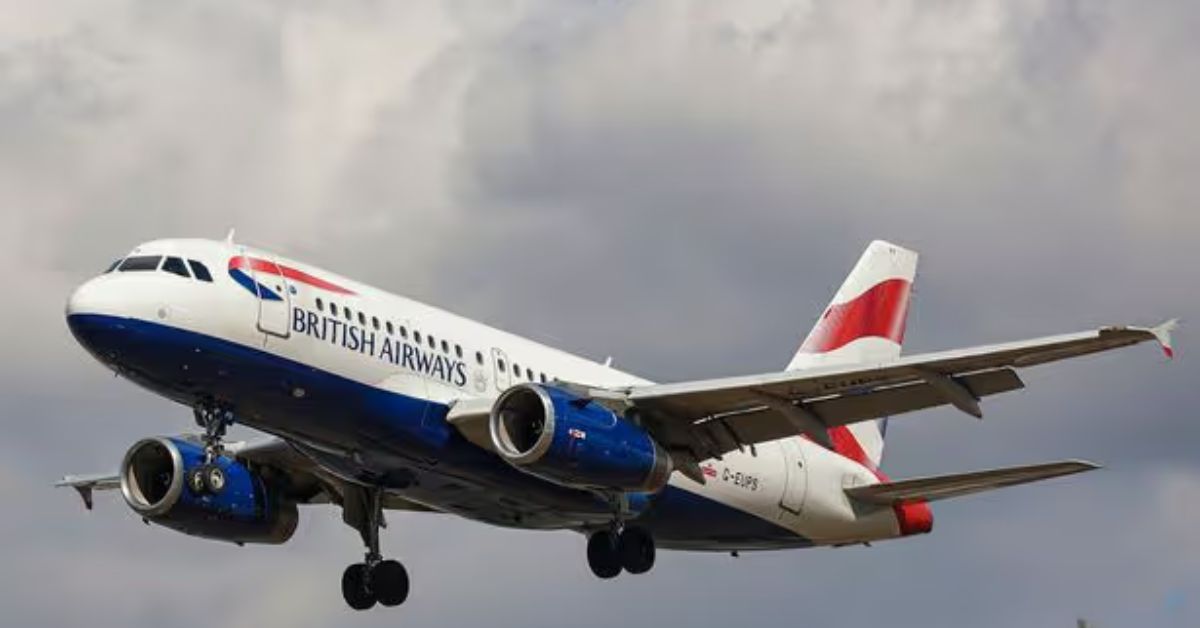

British Airways passengers remains at the center of this developing story as new details continue to emerge. Hundreds of British Airways passengers were left stranded on a remote Canadian island for two days after their flight was diverted due to an emergency.
What Happened
British Airways passengers remains at the center of this developing story as new details continue to emerge.
Hundreds of British Airways passengers were left stranded on a remote Canadian island for two days after their flight was diverted due to an emergency. The passengers, many of whom were traveling from the United Kingdom to the United States, faced harsh weather conditions and a lack of resources, prompting outrage and raising questions about airline preparedness and contingency management.
Incident Overview
The incident began when British Airways Flight 292, en route from London Heathrow to New York’s JFK Airport, was forced to divert to a small airport on a Canadian island due to an unexpected technical issue. The decision to land at the remote location was made as a safety precaution, but it left passengers in an unexpected and challenging situation.
Upon landing, passengers were informed that due to limited facilities and severe weather conditions, there would be a delay in continuing their journey. The island’s infrastructure was not equipped to handle a large influx of international travelers, resulting in several logistical challenges.
Passenger Experiences
Many passengers recounted their experiences with frustration, highlighting the lack of immediate communication and assistance. Without access to their luggage, which contained essential items and cold-weather clothing, passengers had to endure freezing temperatures with limited resources.
“It was an incredibly difficult situation,” said Jane Doe, a passenger on the flight. “We were stranded in an unfamiliar place, with no clear information on when we would be able to leave. The weather was harsh, and without proper clothing or accommodation, it was quite uncomfortable.”
Airline Response
British Airways issued a statement acknowledging the incident and expressing regret for the inconvenience caused to passengers. The airline explained that safety concerns necessitated the emergency landing and assured passengers that efforts were underway to resolve the situation as quickly as possible.
“We understand the frustration and discomfort experienced by our passengers,” the statement read. “Our priority was ensuring the safety of all aboard, and we are working closely with local authorities to expedite their onward journey.”
Local Community Support
Amid the crisis, the local community on the island stepped up to assist the stranded passengers. Residents volunteered to provide warm clothing, food, and temporary shelter to those in need. Several local businesses also extended their services to accommodate the unexpected guests.
“The show of support from the community was heartwarming,” said John Smith, another passenger. “Despite being in a difficult situation, the kindness and generosity of the locals made a significant difference.”
Aviation Expert Analysis
Aviation experts have weighed in on the situation, analyzing the decision-making process and the challenges faced by the airline. According to experts, diverting the flight was a necessary safety measure, but the lack of preparedness for such scenarios highlights the need for improved contingency planning.
“Airlines must ensure that they have robust plans in place for emergencies, including liaising with local authorities to provide adequate support for passengers,” said aviation analyst Dr. Emily Clarke. “This incident underscores the importance of having comprehensive protocols to manage unexpected diversions.”
Regulatory Implications
The incident has prompted discussions about regulatory implications for airlines, particularly regarding passenger rights and the responsibilities of carriers in emergency situations. Some advocacy groups are calling for stricter regulations to ensure that airlines are better prepared to handle such incidents.
“Passengers deserve to have their basic needs met, even in emergency situations,” said Sarah Johnson, a spokesperson for a passenger rights organization. “We are urging regulators to review current policies and enforce stricter guidelines to protect travelers.”
Analysts say British Airways passengers now sits at the center of a broader shift, with consequences that could extend beyond the immediate headline and shape decisions in the coming weeks. They note that early signals often appear in policy language, market behavior, or institutional messaging before they are reflected in official summaries, which is why context matters as much as the headline itself.
Reporting around British Airways passengers has also highlighted how quickly circumstances can change, making context and verified updates essential for readers trying to separate signal from noise. The most reliable coverage connects each new development to the timeline of prior events so audiences can understand what is genuinely new and what is part of a longer trend.
Officials and industry observers are watching British Airways passengers closely, noting that the next phase of the story may depend on timing, policy responses, market reactions, or legal follow-through. Until those responses become clearer, experts recommend focusing on confirmed developments instead of speculation that can distort short-term expectations.
For audiences tracking British Airways passengers, the key is to follow credible sources and focus on developments that reveal direction rather than isolated short-term swings. That approach helps readers understand not just what happened today, but why the story could carry broader implications over the coming weeks.
The latest developments connected to British Airways passengers have reopened questions about strategy, risk, timing, and long-term consequences, particularly for stakeholders who need clearer signals before making their next move. In practical terms, that means watching both official statements and real-world indicators to understand whether the current direction is likely to hold.
In recent coverage, British Airways passengers has become a reference point for wider discussions about accountability, communication, and how institutions respond under pressure. Observers say this broader lens is important because the immediate event is often only one part of a larger sequence of decisions that continue to unfold over time.
Beyond the immediate updates, British Airways passengers is drawing attention because it links short-term events to longer-term structural trends that are still unfolding. Readers following the story closely are paying particular attention to what changes in response and what remains unresolved after each official update.
As the story evolves, reporting on British Airways passengers is expected to focus increasingly on measurable impact, official follow-through, and whether early assumptions hold up. That evidence-based framing helps audiences evaluate momentum without overreacting to isolated developments that may later look less significant.
The broader significance of British Airways passengers may become clearer only after the next set of actions, responses, or public disclosures. Until then, readers are likely to see a combination of verified updates, expert interpretation, and competing narratives as the situation continues to develop.
Taken together, these updates show why British Airways passengers matters now and why the next round of confirmed information will be critical to understanding the full impact. Analysts caution that the most meaningful shifts may appear gradually, making sustained coverage more useful than one-off snapshots.
Readers looking for practical clarity can treat British Airways passengers as a developing story, where each official update adds context to what may happen next. Following that progression over time gives a clearer picture of direction, risk, and likely outcomes without relying on speculation.
What Comes Next
As passengers finally resume their journeys, questions remain about the long-term impact of this incident on British Airways and the aviation industry as a whole. The airline has pledged to conduct a thorough review of its emergency protocols and work towards preventing similar situations in the future.
For now, the focus is on ensuring that all passengers reach their destinations safely and that lessons are learned from this challenging experience to improve airline operations and passenger care.
Further Reading
Read more on Digital Chew and Read external coverage from Reuters.