


Quick Summary: Security Tightens as Clans Vie for BARMM District Control
- Maguindanao del Sur holds 19.6% of BARMM’s voters, making it a key electoral battleground.
- The province has 5 out of 32 BARMM parliamentary districts, attracting major political families.
- High-profile clans like Midtimbang and Ampatuan are competing intensely for district control.
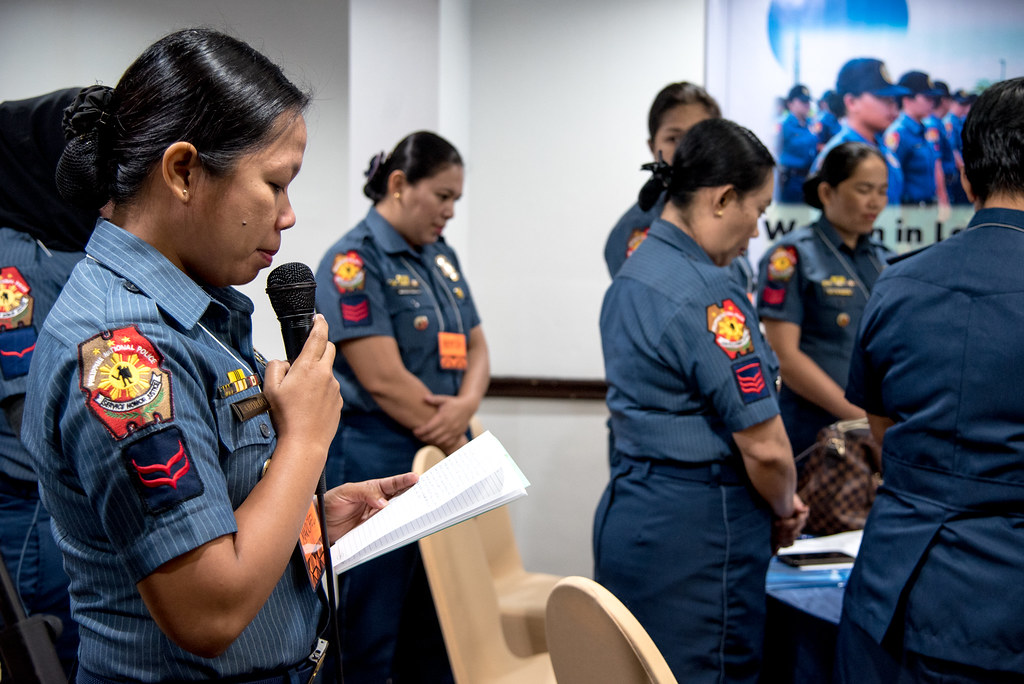
- Security forces are monitoring 108 election hotspots, highlighting the tense atmosphere.
- The election marks BARMM’s first regional parliamentary vote, crucial for its political legitimacy.
Source: Open external resource
Source: Read original article
The political landscape in Maguindanao del Sur is a battlefield where the Midtimbang, Ampatuan, Upam, and Mangudadatu clans are fiercely vying for power. This is not just another election; it’s a pivotal moment as BARMM gears up for its inaugural parliamentary vote on September 14, 2026. With 19.6% of BARMM’s total voters, Maguindanao del Sur is a strategic prize that has drawn the attention of entrenched political dynasties.
The stakes are high, with five out of BARMM’s 32 parliamentary districts up for grabs, making this province a focal point for political maneuvering. Clans are not merely symbolic players; they are active contenders, each aligning with different political parties to strengthen their grip. The Midtimbangs, Ampatuans, and others are locked in a contest that is as much about party affiliation as it is about family legacy.
Security concerns loom large as authorities monitor 108 election areas of concern, underscoring the volatile nature of this electoral showdown. The presence of these hotspots, particularly in areas linked to the competing clans, amplifies the tension. This election is a litmus test for BARMM’s ability to transcend its history of clan-based politics and embrace a more structured parliamentary system.
As the election day approaches, the outcome in Maguindanao del Sur will be a critical indicator of BARMM’s political stability and future direction. The ability of these clans to convert local influence into parliamentary power will shape the region’s governance. Observers are watching closely to see which political bloc can emerge victorious in this high-stakes contest.
MindaNews noted that Maguindanao del Sur Governor Datu Ali Midtimbang ran under the Partido Federal ng Pilipinas in the May 2025 polls, while GMA’s current district list now places major clan figures across rival formations including UBJP, BFP, BAPA, and ITIHAD. ” That line matters because it underlines that the September 14, 2026 election is not just another provincial showdown; it is the long-postponed inaugural vote for BARMM’s regular parliament, and the outcome in Maguindanao del Sur will feed directly into the legitimacy of the region’s post-transition government.
The clearest new development in Maguindanao del Sur is that the fight among the Midtimbang, Ampatuan, Upam and Mangudadatu clans has hardened into a five-district parliamentary battle just days before BARMM’s first-ever regional parliamentary election on September 14, 2026, with official candidate lists now locking in exactly where each family is testing its strength. 6% of BARMM’s 2,393,530 total voters, making it the region’s second-largest provincial vote base after Lanao del Sur.
6% of all district seats, which helps explain why so many entrenched families are concentrating resources there. What happens next is immediate and consequential: campaigning is in its final days, security deployments have already been intensified, and voters go to the polls on Monday, September 14, 2026.
MindaNews reported on September 6 that at least four parliamentary seats are already assured, including two district seats won unopposed in Maguindanao del Norte. The most important thing to watch after election day is not only who wins each district, but which party bloc—UBJP, BFP, BAPA, ITIHAD, or smaller groups—can assemble a working majority from those clan-backed victories.
In the 3rd district alone, the Upam name is split between BAPA and BFP through Datu Edo Upam and Daud Upam, a detail that suggests internal family or factional competition rather than a unified clan push. The next real test will be whether district winners from clans like the Midtimbangs, Ampatuans, Upams, and Mangudadatus can convert local bailiwicks into parliamentary leverage once the 80-member chamber is formed.
This is not just another election; it’s a pivotal moment as BARMM gears up for its inaugural parliamentary vote on September 14, 2026. 6% of BARMM’s total voters, Maguindanao del Sur is a strategic prize that has drawn the attention of entrenched political dynasties.
6% of BARMM’s 2,393,530 total voters, making it the region’s second-largest provincial vote base after Lanao del Sur. 6% of all district seats, which helps explain why so many entrenched families are concentrating resources there.
What happens next is immediate and consequential: campaigning is in its final days, security deployments have already been intensified, and voters go to the polls on Monday, September 14, 2026. 6% of BARMM’s voters, making it a key electoral battleground.
Security forces are monitoring 108 election hotspots, highlighting the tense atmosphere. The stakes are high, with five out of BARMM’s 32 parliamentary districts up for grabs, making this province a focal point for political maneuvering.
The scale and speed of this development has caught many observers off guard. Each new update adds another dimension to a story that is still unfolding, and the full picture will only become clear as more verified details emerge from the people and institutions directly involved.
Analysts who have tracked this issue closely say the current moment represents a genuine turning point. The decisions made in the coming weeks are expected to set the direction for months ahead, with ripple effects likely to extend well beyond the immediate actors in the story.
For those directly affected, the practical impact is already visible. People navigating this fast-changing situation are dealing with real consequences while new information continues to reshape what is known and what remains open to interpretation.
Historical parallels offer some context, though experts caution against drawing too close a comparison. Similar situations have played out before, but the specific combination of pressures, personalities, and timing here makes this moment distinct in ways that matter for how it ultimately resolves.
The political and economic dimensions of this story are deeply intertwined. What appears as a single event on the surface is in practice the convergence of multiple pressures that have been building quietly over a longer period than most public reporting has captured.