

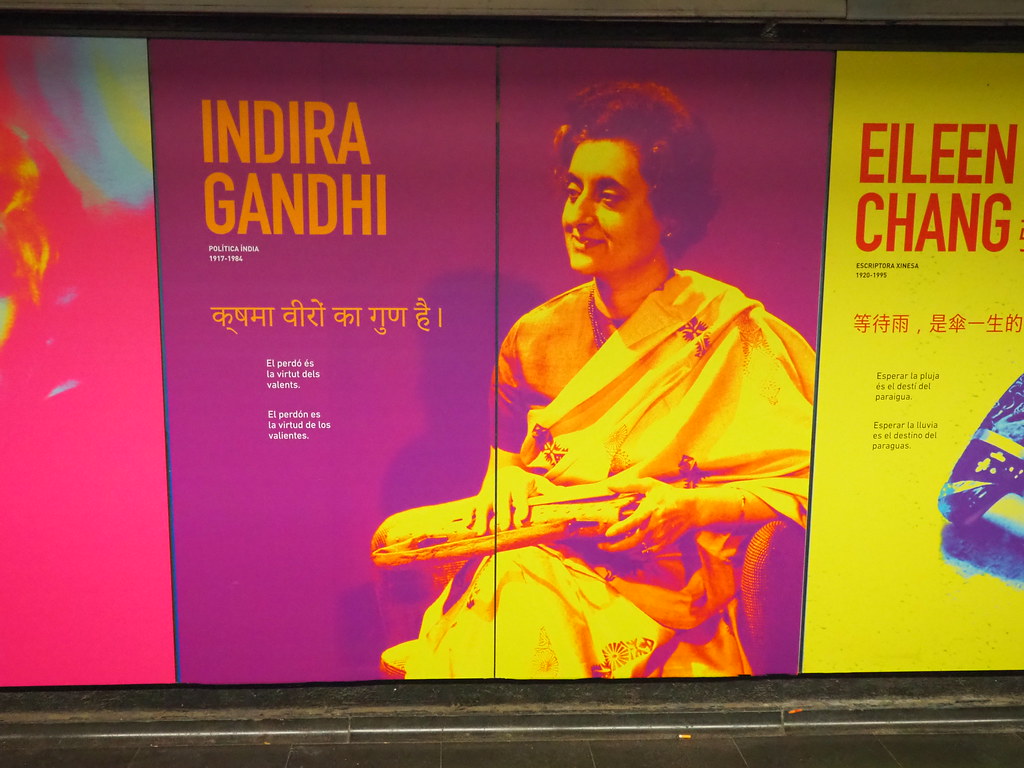

Quick Summary: Bjps Standoff With Congress Escalates After Indira Gandhi Remark Controversy
- Avinash Gehlot’s remark about Indira Gandhi sparked a political controversy, leading to six Congress MLAs’ suspension.
- Congress staged an overnight sit-in at the Rajasthan Assembly, demanding an apology and revocation of suspensions.
- The controversy escalated to statewide protests, with police using water cannons on demonstrators in Jaipur.
- Govind Singh Dotasra became the face of Congress’s response, intensifying demands for government accountability.
- The BJP’s refusal to apologize has hardened the standoff, turning it into a major political flashpoint.
Source: Open external resource
Source: Read original article
In the charged atmosphere of Rajasthan’s political landscape, a single remark by Avinash Gehlot has ignited a firestorm. The minister’s comment about Indira Gandhi during a budget session has not only led to the suspension of six Congress MLAs but has also sparked widespread protests, turning the assembly into a battleground.
The controversy began on February 21 when Gehlot referred to a scheme named after Indira Gandhi as ‘your dadi,’ a term Congress deemed disrespectful. This prompted an immediate backlash, with Congress demanding an apology and the lifting of suspensions. The refusal of the BJP government to concede has only fueled the flames, leading to dramatic protests both inside and outside the assembly.
For Congress, this is more than a matter of parliamentary language; it is a fight against perceived disrespect and suppression. The party has used this incident as a rallying point, with leaders like Govind Singh Dotasra leading the charge. The BJP, meanwhile, stands firm, framing the issue as one of discipline rather than disrespect.
As tensions continue to rise, the situation in Rajasthan serves as a critical test for both parties. Will the BJP choose to de-escalate by addressing Congress’s demands, or will it continue to confront, allowing the row to shape the political narrative ahead of local elections?
Govind Singh Dotasra emerged as the face of Congress’s response, while former minister Pratap Singh Khachariyawas intensified the warning on the streets by saying that until the suspensions were revoked and the government apologized for “insulting” Indira Gandhi, Congress would not allow the chief minister’s meetings to proceed smoothly in Rajasthan. ” Congress rejected that framing outright, with Dotasra saying the agitation would continue until the government relented, and party leaders demanding both an apology from Avinash Gehlot and the revocation of the six suspensions.
The immediate trigger was Gehlot’s line during Question Hour on February 21, when he told the opposition, “like always, you named the scheme … after your ‘dadi’ Indira Gandhi,” referring to a working women’s hostel scheme in the 2023-24 budget. Congress framed that phrasing as an insult to a former prime minister rather than a casual reference, and the BJP’s refusal to apologize hardened the standoff.
Six Congress MLAs were suspended for the full budget session after the uproar, and those suspended included state Congress chief Govind Singh Dotasra. Avinash Gehlot, the Rajasthan social justice and empowerment minister, made the remark and later said he was prepared to abide by any decision taken by BJP leadership or its legislature party.
That gave Congress a ready-made narrative: not merely that one phrase crossed a line, but that a minister already seen as politically combustible had handed the opposition a rallying point at a sensitive moment. By February 22, six Congress MLAs had been suspended and the opposition was staging an overnight sit-in inside the House.
On February 23, Congress expanded the agitation into statewide protests. The most important development in the latest reporting is that the controversy did not end inside the House: by February 24 and 25, Congress had escalated from an Assembly sit-in to protests outside the Rajasthan Assembly and on the streets of Jaipur, where police used water cannons on demonstrators.
” Congress rejected that framing outright, with Dotasra saying the agitation would continue until the government relented, and party leaders demanding both an apology from Avinash Gehlot and the revocation of the six suspensions. The minister’s comment about Indira Gandhi during a budget session has not only led to the suspension of six Congress MLAs but has also sparked widespread protests, turning the assembly into a battleground.
On February 23, Congress expanded the agitation into statewide protests. Congress staged an overnight sit-in at the Rajasthan Assembly, demanding an apology and revocation of suspensions.
The scale and speed of this development has caught many observers off guard. Each new update adds another dimension to a story that is still unfolding, and the full picture will only become clear as more verified details emerge from the people and institutions directly involved.
Analysts who have tracked this issue closely say the current moment represents a genuine turning point. The decisions made in the coming weeks are expected to set the direction for months ahead, with ripple effects likely to extend well beyond the immediate actors in the story.
For those directly affected, the practical impact is already visible. People navigating this fast-changing situation are dealing with real consequences while new information continues to reshape what is known and what remains open to interpretation.
Historical parallels offer some context, though experts caution against drawing too close a comparison. Similar situations have played out before, but the specific combination of pressures, personalities, and timing here makes this moment distinct in ways that matter for how it ultimately resolves.
The political and economic dimensions of this story are deeply intertwined. What appears as a single event on the surface is in practice the convergence of multiple pressures that have been building quietly over a longer period than most public reporting has captured.