

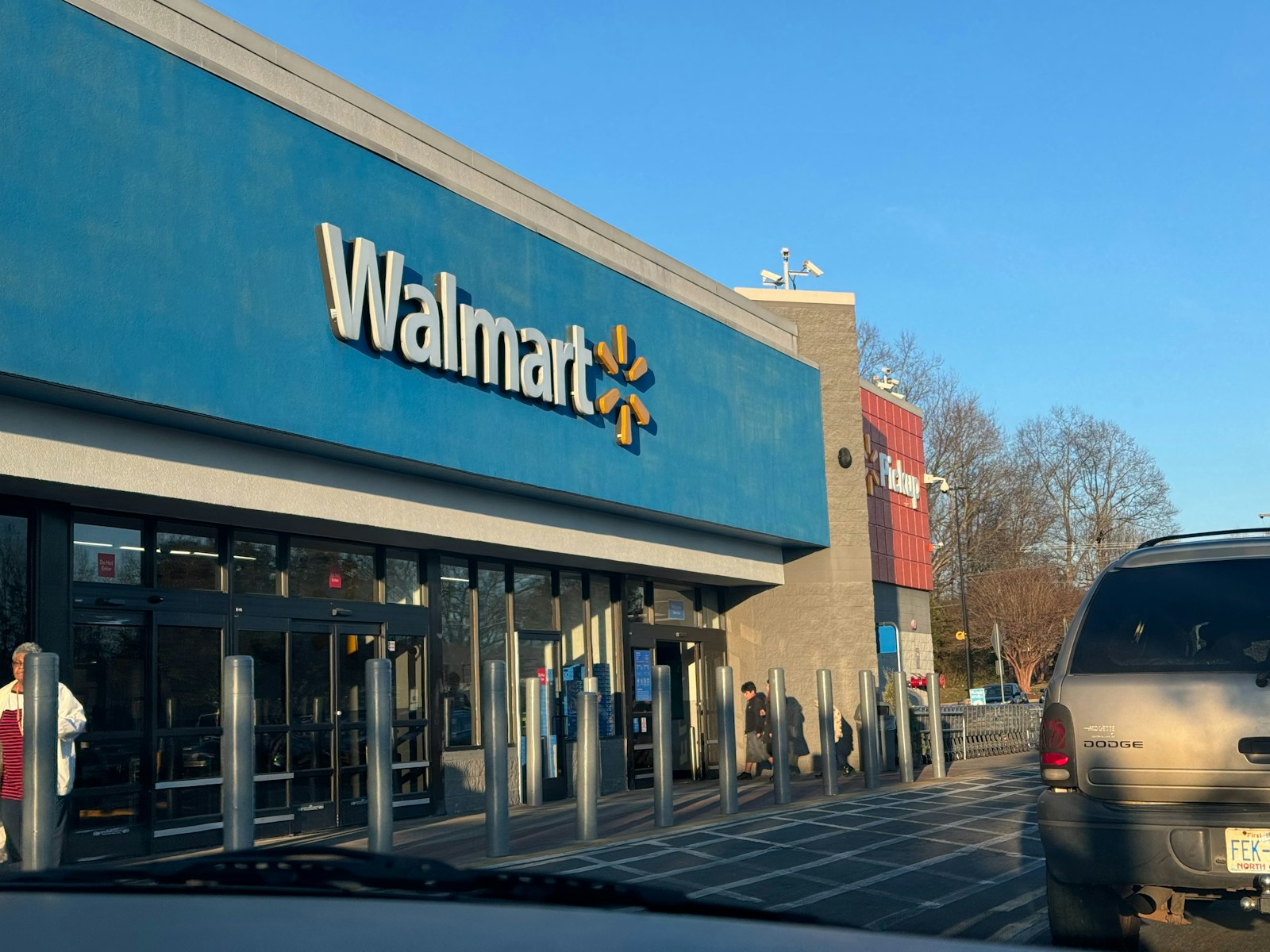

Quick Summary: Walmart Stock Plummets 9.2% Amid Slower U.s. Consumer Spending
- Walmart reported U.S. same-store sales growth of 2.6% — the miss against 3.8% expectations signaled a consumer slowdown.
- Investors reacted sharply, with Walmart’s stock falling 9.2% — marking its worst one-day drop in four years.
- Despite raising its full-year EPS outlook, Walmart’s report highlighted weaker U.S. shopping patterns — sparking economic concerns.
- Analysts tied the slowdown to higher gasoline and living costs — raising questions about broader consumer retrenchment.
- Walmart’s earnings beat was overshadowed by declining store visits — casting doubt on consumer spending stability.
Source: Open external resource
Source: Read original article
Walmart’s latest earnings report has sent shockwaves through the market, revealing a troubling slowdown in consumer activity. Despite beating earnings expectations and raising its full-year profit guidance, the retail giant’s U.S. same-store sales growth of just 2.6% fell short of the 3.8% analysts had anticipated. This unexpected deceleration has triggered alarm bells, with Walmart’s stock plunging 9.2% in its worst single-day performance in four years.
The disconnect between Walmart’s profit optimism and the stark reality of weaker consumer spending patterns has left investors and analysts questioning whether this signals a broader economic slowdown. The retail titan’s results, often seen as a bellwether for the health of the U.S. consumer, suggest that Americans might be pulling back amid rising gasoline and living costs. This has led to a broader debate about whether this is a temporary blip or a sign of entrenched consumer fatigue.
Walmart’s earnings beat, driven by strong e-commerce performance and internal efficiencies, was not enough to overshadow the decline in store visits and spending. Analysts are now closely watching Walmart’s third-quarter guidance and upcoming retail earnings to determine if this is an isolated incident or the beginning of a wider trend. As the world’s largest retailer navigates these choppy waters, its performance will be crucial in gauging the resilience of consumer spending, the main engine of U.S. economic growth.
The implications of Walmart’s earnings report extend beyond the company itself. With consumer sentiment appearing increasingly fragile, the retail sector and the broader economy face a critical juncture. The coming weeks will be pivotal in determining whether this slowdown is a temporary setback or a more significant shift in consumer behavior. As the story unfolds, the stakes are high for both Walmart and the broader market.
37 billion, or 80 cents per share, for the three-month period ended July 31, according to AP-linked coverage, while Reuters highlighted that investors focused less on the headline beat than on the sharp deceleration in store visits and spending. 2%, according to Reuters and AP market coverage.
6% comp growth, the debate will shift from “consumer fatigue” to a more serious question about whether the August 2026 slowdown is becoming entrenched. 2% in its worst one-day drop in four years.
85, while keeping expected annual sales growth at 4% to 5%. Reuters reported that this was unusual because Walmart has built a reputation for comfortably beating comparable-sales forecasts and lifting forecasts during the year; this time, investors fixated on the miss in the underlying consumer data instead.
That created the central tension driving coverage across Reuters, AP, Axios, and ABC: how can the world’s biggest retailer raise guidance while still flashing a warning about the consumer? The surprising twist is that the “flash warning” came not from an outright earnings miss but from the mismatch between healthy-looking profit guidance and unmistakably softer shopper behavior.
Multiple outlets tied the slowdown to higher gasoline and living costs, with AP and ABC noting pressure from rising energy prices linked to fighting in Iran, alongside weak July retail-sales data and a fresh University of Michigan survey showing deepening consumer pessimism. 6 times forward earnings before results, which helps explain why even a beat-and-raise quarter still triggered a selloff.
6% comp growth, the debate will shift from “consumer fatigue” to a more serious question about whether the August 2026 slowdown is becoming entrenched. 8% expectations signaled a consumer slowdown.
2% — marking its worst one-day drop in four years. 2% in its worst single-day performance in four years.
2% in its worst one-day drop in four years. 85, while keeping expected annual sales growth at 4% to 5%.
The scale and speed of this development has caught many observers off guard. Each new update adds another dimension to a story that is still unfolding, and the full picture will only become clear as more verified details emerge from the people and institutions directly involved.
Analysts who have tracked this issue closely say the current moment represents a genuine turning point. The decisions made in the coming weeks are expected to set the direction for months ahead, with ripple effects likely to extend well beyond the immediate actors in the story.
For those directly affected, the practical impact is already visible. People navigating this fast-changing situation are dealing with real consequences while new information continues to reshape what is known and what remains open to interpretation.
Historical parallels offer some context, though experts caution against drawing too close a comparison. Similar situations have played out before, but the specific combination of pressures, personalities, and timing here makes this moment distinct in ways that matter for how it ultimately resolves.
The political and economic dimensions of this story are deeply intertwined. What appears as a single event on the surface is in practice the convergence of multiple pressures that have been building quietly over a longer period than most public reporting has captured.