

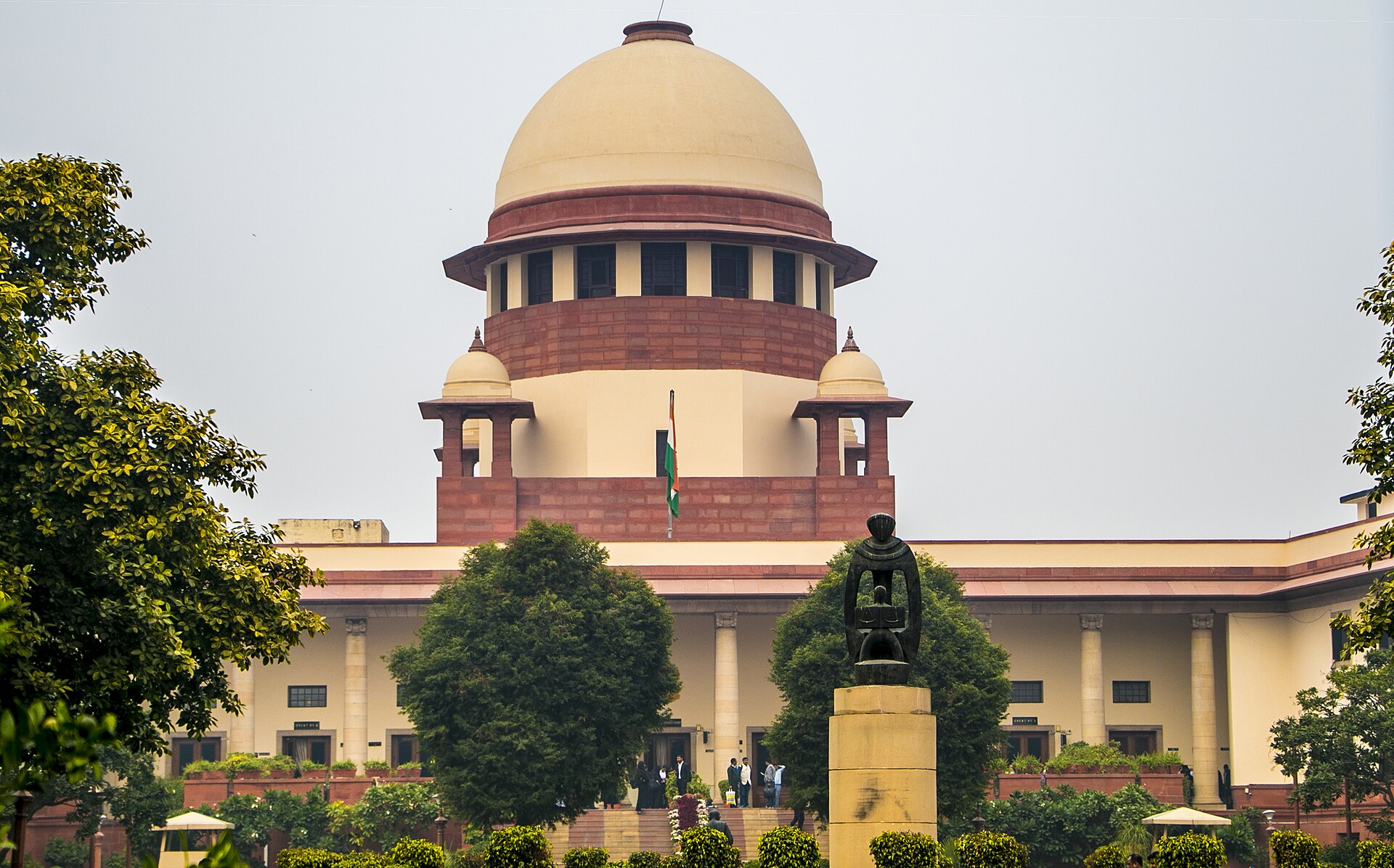

Quick Summary: Supreme Court Demands Compliance Over Delhi Metro Shutdowns Amid Protest
- Authorities allegedly defied a Supreme Court order by continuing Delhi Metro shutdowns, prompting a contempt plea.
- The contempt petition names Union home secretary Govind Mohan, Delhi Police commissioner Anurag Kumar, and DMRC chairperson D Thara.
- The Supreme Court ordered no outright prohibition on Metro movement, demanding compliance reports within four days.
- The Centre justified actions based on intelligence inputs related to a protest against Chief Election Commissioner Gyanesh Kumar.
- The case raises questions about proportionality versus state overreach in handling protests.
Source: Open external resource
Source: Read original article
The Supreme Court of India is not amused. A fresh contempt plea filed on October 10 accuses top officials of defying its order by continuing to shut down the Delhi Metro and impose rail curbs despite explicit instructions to the contrary. This plea doesn’t just wag a finger at the administration; it names names, specifically targeting Union home secretary Govind Mohan, Delhi Police commissioner Anurag Kumar, and DMRC chairperson D Thara.
Just a day before, the court had made it crystal clear: regulate, don’t prohibit. Yet, the shutdowns persisted, allegedly on the back of ‘credible intelligence inputs’ linked to a protest against Chief Election Commissioner Gyanesh Kumar. The court had ordered that Metro operations should not be halted, demanding compliance reports within four days, a deadline that is now ticking.
This isn’t merely about managing a protest. It’s about the fine line between necessary regulation and overreach by the state. The court’s stern language underscores this, as Chief Justice Surya Kant emphasized that ‘stopping something and regulating are two different concepts.’ The stakes are high, and the implications could be far-reaching, potentially escalating into a significant confrontation over executive compliance with judicial orders.
The next few days will be critical. The court’s demand for compliance reports is a litmus test for whether this is a case of miscommunication or outright defiance. If the latter, we could see a dramatic shift from protest management to a broader debate on the limits of executive power.
Livemint, citing the filing, said the petition alleges the shutdowns and service limits continued despite the apex court’s explicit warning against a complete transport ban. Hindustan Times reported the plea was filed on October 10 and said the petition accuses the three of violating the court’s October 9 directions.
Hindustan Times reported that in a “secret” letter seen by the paper, Govind Mohan directed police chiefs across states and Union territories to coordinate with Delhi Police on “immediate preventive measures” to prevent any breach of public order and protect critical infrastructure. Authorities had moved to close entry and exit at 57 Metro stations from 9 pm on Friday through Saturday, while also disrupting train operations into New Delhi and Hazrat Nizamuddin, according to Supreme Court Observer’s account of the communications examined by the bench.
Supreme Court Observer reported the solicitor general defended the measures by pointing to an earlier protest that allegedly extended from 1 permitted day to 17 days and said more than 200 police personnel had been injured in a march toward Parliament. On October 9, the Supreme Court heard urgent complaints over metro closures, rail cancellations, barricades, and localized internet controls near central Delhi, including areas around Rashtrapati Bhavan and Raisina Road within roughly a 4-km radius, according to Supreme Court Observer.
The same report said Delhi Police collected details of rail passengers believed headed to the protest, and CISF sought passenger details from airlines for select flights to Delhi on Friday and Saturday. The court then ordered there “shall be no outright prohibition on the movement of Metro trains” and directed DMRC, railway authorities, and Delhi Police’s traffic wing to file compliance reports within four days, meaning a formal accountability deadline is now already running.
The Centre and Delhi Police say they acted on “credible intelligence inputs” tied to the Cockroach Janta Party protest against Chief Election Commissioner Gyanesh Kumar and the SIR exercise. ” Livemint reported the petitioner argued metro stations were closed and train services canceled “without valid grounds” and “without justification,” despite the Supreme Court’s insistence that transport should continue in a regulated manner so ordinary Delhi residents were not punished for a protest they were not attending.
The contempt petition names Union home secretary Govind Mohan, Delhi Police commissioner Anurag Kumar, and DMRC chairperson D Thara. This plea doesn’t just wag a finger at the administration; it names names, specifically targeting Union home secretary Govind Mohan, Delhi Police commissioner Anurag Kumar, and DMRC chairperson D Thara.
The court then ordered there “shall be no outright prohibition on the movement of Metro trains” and directed DMRC, railway authorities, and Delhi Police’s traffic wing to file compliance reports within four days, meaning a formal accountability deadline is now already running. The Centre and Delhi Police say they acted on “credible intelligence inputs” tied to the Cockroach Janta Party protest against Chief Election Commissioner Gyanesh Kumar and the SIR exercise.
Just a day before, the court had made it crystal clear: regulate, don’t prohibit. It’s about the fine line between necessary regulation and overreach by the state.
The scale and speed of this development has caught many observers off guard. Each new update adds another dimension to a story that is still unfolding, and the full picture will only become clear as more verified details emerge from the people and institutions directly involved.
Analysts who have tracked this issue closely say the current moment represents a genuine turning point. The decisions made in the coming weeks are expected to set the direction for months ahead, with ripple effects likely to extend well beyond the immediate actors in the story.
For those directly affected, the practical impact is already visible. People navigating this fast-changing situation are dealing with real consequences while new information continues to reshape what is known and what remains open to interpretation.
Historical parallels offer some context, though experts caution against drawing too close a comparison. Similar situations have played out before, but the specific combination of pressures, personalities, and timing here makes this moment distinct in ways that matter for how it ultimately resolves.
The political and economic dimensions of this story are deeply intertwined. What appears as a single event on the surface is in practice the convergence of multiple pressures that have been building quietly over a longer period than most public reporting has captured.