

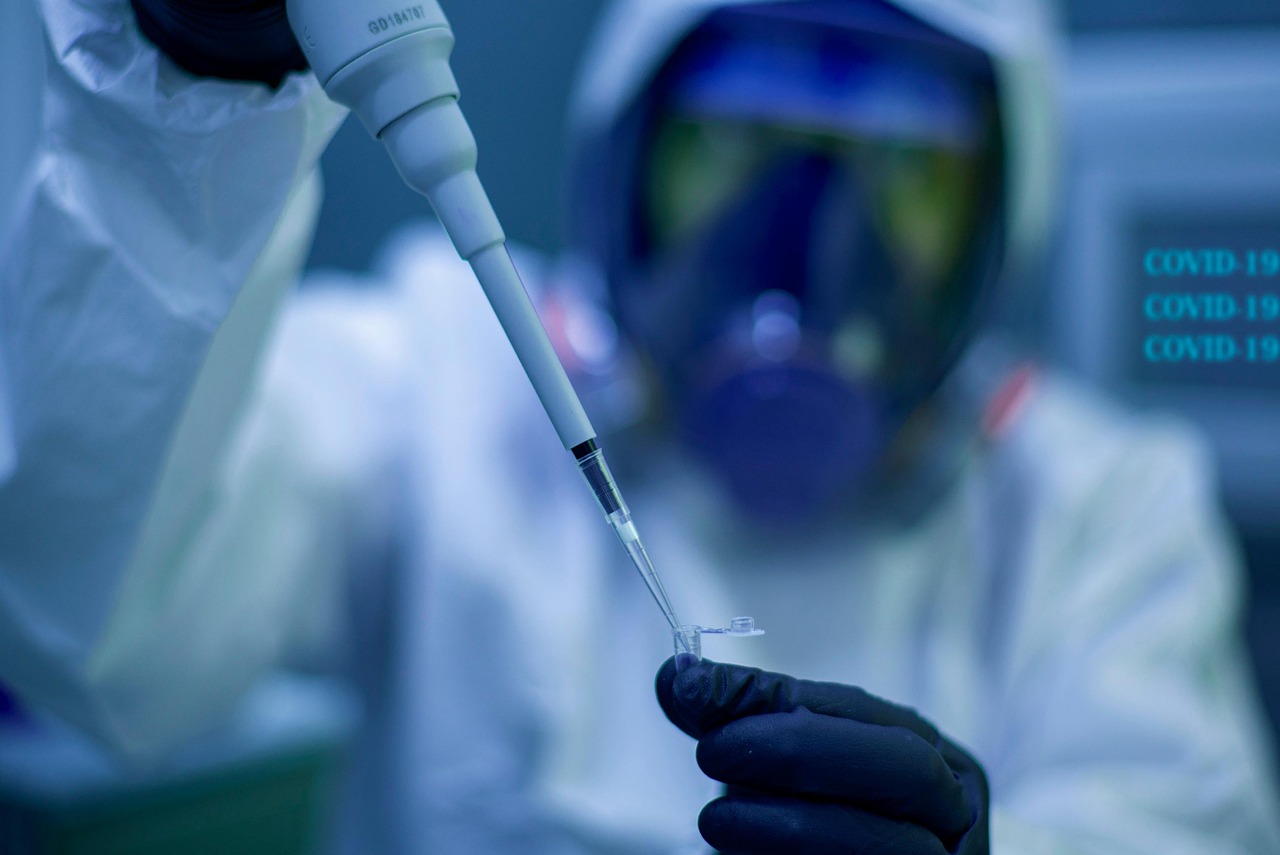

Quick Summary: 200 Monitored After Suspected Plague Death in Russian Lab
- The Washington Post reported that multiple U.S. agencies, including the CDC, are seeking details about a potential lab-related pneumonic plague death in Russia.
- A 28-year-old technician allegedly broke a test tube containing a pathogen on September 25 and died days later, with around 200 contacts under observation.
- Russia’s public health system has not confirmed the diagnosis, describing the death as pneumonia of ‘unknown etiology.’.
- President Trump expressed willingness to assist Russia, despite not having spoken with President Putin about the incident.
- Local reports claim the death was due to pneumonic plague, while Russia maintains a cautious public stance.
Source: Open external resource
Source: Read original article
U.S. officials are navigating a tense and mysterious situation as they seek clarity on a reported Russian plague death. The incident centers around a 28-year-old technician who allegedly broke a test tube containing a deadly pathogen, leading to her death shortly after. This has prompted U.S. agencies, including the CDC, to demand transparency from Russia, which has been tight-lipped about the true nature of the incident.
The potential for a pneumonic plague outbreak has raised alarms, with approximately 200 people reportedly under medical observation in Siberia. Despite the gravity of the situation, Russian authorities have described the technician’s death as due to pneumonia of ‘unknown etiology,’ avoiding confirmation of a plague diagnosis. This cautious approach has only fueled international concern and suspicion.
President Trump has indicated that the U.S. is ready to assist Russia if necessary, although he has yet to discuss the matter with President Putin. This gesture highlights the geopolitical complexities at play, as the incident involves a high-security pathogen facility. The lack of transparency from Russia is not only a public health issue but also a potential geopolitical crisis.
The situation remains fluid, with U.S. officials still gathering facts. The next few days will be critical in determining whether this is a contained lab accident or a broader public health threat. The world watches closely, awaiting Russia’s next move and hoping for clarity in this murky affair.
Regional officials in Irkutsk said everyone who had contact with the woman was under medical supervision, and broader reporting around the case has put the figure at about 200 people under observation. The Washington Post reported Monday, October 5, that the Centers for Disease Control and Prevention, the State Department, the Administration for Strategic Preparedness and Response, and other agencies were seeking internal details about the case and the quarantines imposed at several hospitals.
On September 25, according to one report cited by the Post, the technician allegedly broke a test tube containing the pathogen. officials’ biggest immediate concern is not a confirmed plague outbreak but the possibility that Russia is concealing a lab-related pneumonic plague death after a 28-year-old technician reportedly broke a test tube on September 25 and died days later, while roughly 200 contacts were reportedly put under medical observation in Siberia.
The sharpest political turn came from Washington, where President Donald Trump said Monday that the United States would be willing to help Russia respond if needed, even though he also said he had not spoken with Vladimir Putin about the situation. Independent local outlet Lyudi Baikala, cited across follow-up coverage, said she died from pneumonic plague, while Russia’s public health system has avoided confirming that diagnosis.
Axios reported that Trump was “watching the situation with concern,” a notable statement given the thin public evidence and the geopolitical distrust surrounding anything tied to a Russian high-security pathogen facility. What happens next depends on whether Russia releases harder epidemiological data: test results, the number of close contacts, whether any secondary cases emerge, and how long hospital quarantine measures stay in place.
If no secondary infections are reported over the next several days, the scare may narrow to a contained lab accident. That gap between local reporting and official language is exactly what has made the case internationally explosive.
The Washington Post reported Monday, October 5, that the Centers for Disease Control and Prevention, the State Department, the Administration for Strategic Preparedness and Response, and other agencies were seeking internal details about the case and the quarantines imposed at several hospitals. The incident centers around a 28-year-old technician who allegedly broke a test tube containing a deadly pathogen, leading to her death shortly after.
agencies, including the CDC, to demand transparency from Russia, which has been tight-lipped about the true nature of the incident. This gesture highlights the geopolitical complexities at play, as the incident involves a high-security pathogen facility.
Independent local outlet Lyudi Baikala, cited across follow-up coverage, said she died from pneumonic plague, while Russia’s public health system has avoided confirming that diagnosis. Axios reported that Trump was “watching the situation with concern,” a notable statement given the thin public evidence and the geopolitical distrust surrounding anything tied to a Russian high-security pathogen facility.
The scale and speed of this development has caught many observers off guard. Each new update adds another dimension to a story that is still unfolding, and the full picture will only become clear as more verified details emerge from the people and institutions directly involved.
Analysts who have tracked this issue closely say the current moment represents a genuine turning point. The decisions made in the coming weeks are expected to set the direction for months ahead, with ripple effects likely to extend well beyond the immediate actors in the story.
For those directly affected, the practical impact is already visible. People navigating this fast-changing situation are dealing with real consequences while new information continues to reshape what is known and what remains open to interpretation.
Historical parallels offer some context, though experts caution against drawing too close a comparison. Similar situations have played out before, but the specific combination of pressures, personalities, and timing here makes this moment distinct in ways that matter for how it ultimately resolves.
The political and economic dimensions of this story are deeply intertwined. What appears as a single event on the surface is in practice the convergence of multiple pressures that have been building quietly over a longer period than most public reporting has captured.