

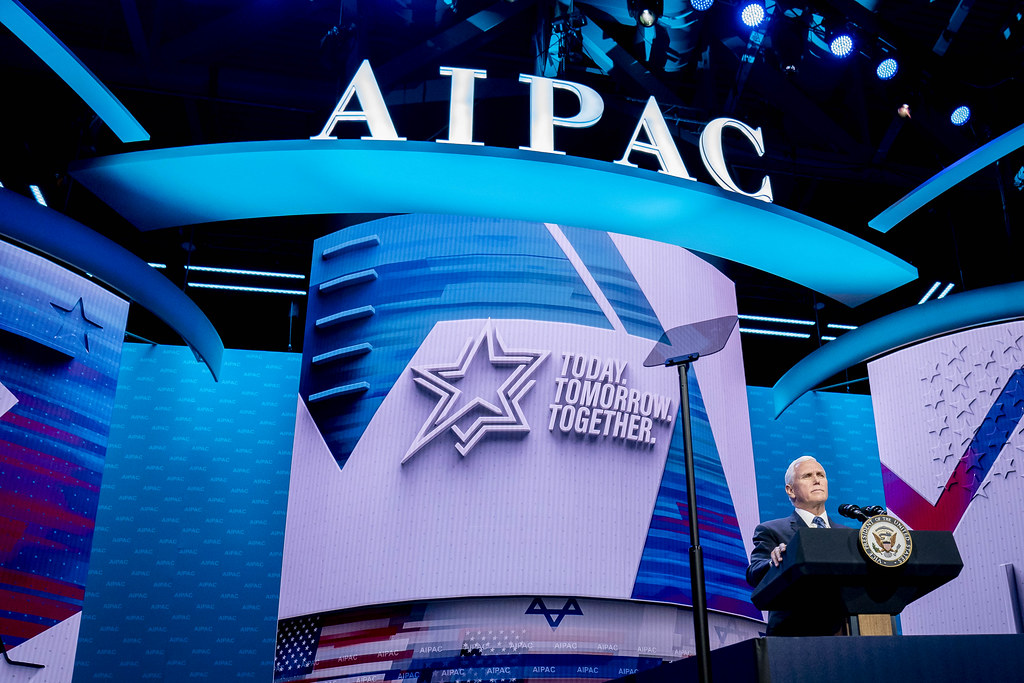

Quick Summary: AIPAC’s $30 Million Push in Michigan Sparks Democratic Proxy Battle
- Left-leaning media is reshaping Democratic primaries, with Michigan’s Senate race as a test case.
- Progressive outlets have helped Abdul El-Sayed challenge establishment-backed Rep. Haley Stevens.
- AIPAC and allied groups have spent nearly $30 million supporting Stevens, highlighting a major money gap.
- Drop Site, a progressive outlet, has gained significant influence with 800,000 free and 60,000 paid subscribers.
- The Democratic National Committee is adapting to this shift with successful social media strategies.
Source: Open external resource
Source: Read original article
The political landscape is undergoing a seismic shift as a burgeoning progressive media ecosystem begins to wield real power in Democratic primaries. Nowhere is this more evident than in Michigan’s upcoming Senate primary, where independent media outlets have become kingmakers, propelling candidates like Abdul El-Sayed against establishment figures like Rep. Haley Stevens.
This isn’t just a story about media influence; it’s a tale of financial might and ideological battles. With AIPAC and allied groups pouring close to $30 million into Stevens’ campaign, the race has become a proxy war over establishment money, Israel politics, and the very soul of the Democratic base.
At the heart of this media revolution is Drop Site, a progressive outlet that has amassed 800,000 free subscribers and 60,000 paid ones in just two years. This growth signals a shift from niche influence to substantial organizational power. Meanwhile, the Democratic National Committee is scrambling to keep pace, leveraging its social media presence to engage millions.
Critically, this media surge is not just about supporting insurgent candidates but also about holding them accountable. The new media ecosystem is comfortable challenging even its allies, offering a more adversarial and authentic narrative than traditional party-aligned messaging.
As Michigan’s primary looms, the question remains: Can this progressive media surge translate into electoral success against a well-funded, endorsement-heavy establishment? The outcome will reveal whether this new media landscape can redefine Democratic politics.
The AP story was published today, July 29, 2026, after on-the-ground reporting and photography from July 27 in Washington and Southfield, Michigan, where El-Sayed appeared in a Senate debate with Stevens. The money gap is striking: AP reports that AIPAC and allied groups backing Stevens have spent close to $30 million on the race, making the contest not just a media story but a proxy fight over establishment money, Israel politics and who gets to define the Democratic base.
AP says Stevens cut ties with a campaign consultant after Drop Site revealed the consultant had also worked for Palantir, a company controversial with many liberals because of its government immigration-enforcement contracts. Ro Khanna on whether Hamas was justified in attacking Israeli soldiers on October 7, 2023, and Khanna refused to agree.
” The story is pegged to events unfolding this week, including AP photos and reporting from Monday, July 27, 2026, and centers on the idea that Democrats are beginning to develop a left-wing version of the alternative media machine conservatives built years earlier. Michigan is the sharpest live example because the Democratic Senate primary there is just days away on August 4, and the contrast between the two camps is unusually concrete.
Grim said Drop Site, launched only two years ago, has already reached 800,000 free subscribers and 60,000 paid subscribers, numbers that suggest real organizational heft rather than niche influence. The Democratic National Committee, sensing the same shift, is also trying to adapt rather than resist it: its rapid-response social account @FactPostNews has amassed more than 2 billion impressions across Threads, X, Facebook, Instagram and Bluesky in 2026 alone.
The immediate question now is whether audience growth, anti-gatekeeper sentiment and issue-driven distrust of mainstream coverage can actually overcome a coalition backed by Whitmer, Schumer, Peters and roughly $30 million in allied outside spending. A fast-growing progressive media network is no longer just commenting on Democratic politics but directly shaping contested primaries, with the clearest immediate test now in Michigan’s August 4 Senate primary, where independent outlets and creators have helped propel Abdul El-Sayed against establishment-backed Rep.
The money gap is striking: AP reports that AIPAC and allied groups backing Stevens have spent close to $30 million on the race, making the contest not just a media story but a proxy fight over establishment money, Israel politics and who gets to define the Democratic base. AIPAC and allied groups have spent nearly $30 million supporting Stevens, highlighting a major money gap.
With AIPAC and allied groups pouring close to $30 million into Stevens’ campaign, the race has become a proxy war over establishment money, Israel politics, and the very soul of the Democratic base. ” The story is pegged to events unfolding this week, including AP photos and reporting from Monday, July 27, 2026, and centers on the idea that Democrats are beginning to develop a left-wing version of the alternative media machine conservatives built years earlier.
The scale and speed of this development has caught many observers off guard. Each new update adds another dimension to a story that is still unfolding, and the full picture will only become clear as more verified details emerge from the people and institutions directly involved.
Analysts who have tracked this issue closely say the current moment represents a genuine turning point. The decisions made in the coming weeks are expected to set the direction for months ahead, with ripple effects likely to extend well beyond the immediate actors in the story.
For those directly affected, the practical impact is already visible. People navigating this fast-changing situation are dealing with real consequences while new information continues to reshape what is known and what remains open to interpretation.
Historical parallels offer some context, though experts caution against drawing too close a comparison. Similar situations have played out before, but the specific combination of pressures, personalities, and timing here makes this moment distinct in ways that matter for how it ultimately resolves.
The political and economic dimensions of this story are deeply intertwined. What appears as a single event on the surface is in practice the convergence of multiple pressures that have been building quietly over a longer period than most public reporting has captured.