

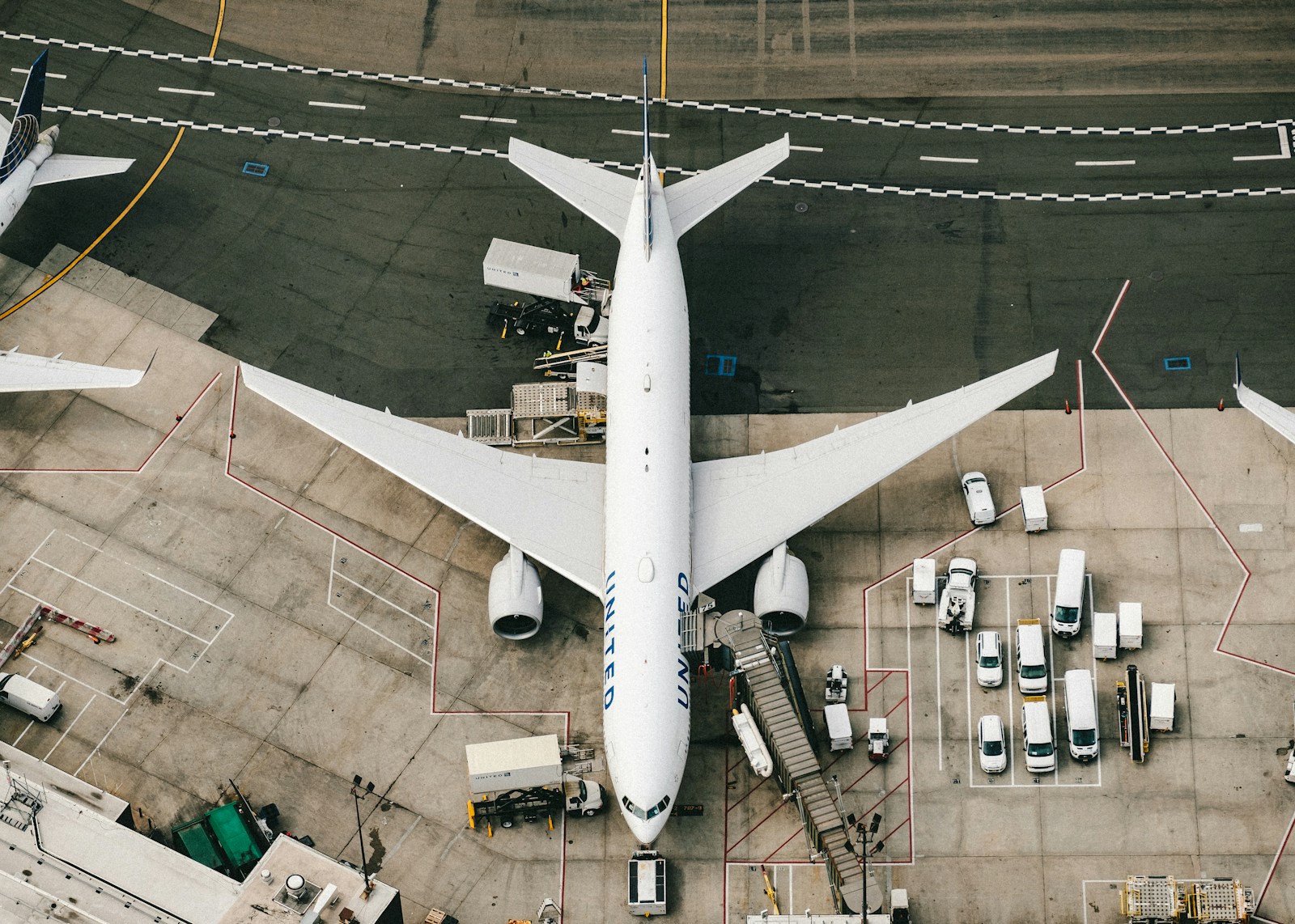

Quick Summary: Dubai Targets 260 Million Passengers With Al Maktoums Expansion
- Al Maktoum International’s second runway is set to open in 2027 — this milestone aims to boost capacity to 150 million passengers annually.
- Dubai intends to award an additional Dh55 billion in contracts by year-end — this commitment remains firm despite regional instability.
- The airport’s full completion targets five runways and 260 million passengers per year — this scale aims to replace Dubai International as the main hub.
- Flydubai is expected to start moving operations to Al Maktoum next year — this marks the beginning of a major operational transition.
- Al Maktoum aims to revolutionize passenger experience with a ‘queue-free’ process — this includes facial recognition and advanced baggage systems.
Source: Open external resource
Source: Read original article
Al Maktoum International is not just dreaming big; it’s building big. With plans to open a second runway by 2027, Dubai is on a fast track to making Al Maktoum the largest airport in the world. This isn’t just a blueprint; it’s a bold commitment to transform the global aviation landscape.
The numbers are staggering. With a projected capacity of 150 million passengers a year upon the opening of its second runway, and a long-term goal of accommodating 260 million annually, Al Maktoum is set to eclipse its predecessor, Dubai International. The Dh55 billion in contracts set to be awarded by the end of this year underscores Dubai’s unwavering resolve, even amid regional tensions.
The transition from vision to reality is already underway. Flydubai is poised to begin moving operations to Al Maktoum as early as next year, signaling the start of a massive logistical shift. This isn’t just about expanding capacity; it’s about redefining the passenger experience. Al Maktoum’s ‘queue-free’ model, featuring facial recognition and advanced baggage systems, promises to eliminate traditional check-in processes, setting a new standard for air travel.
As Dubai pushes forward, the world watches to see if this ambitious endeavor can seamlessly absorb the role of Dubai International without sacrificing efficiency or passenger satisfaction. The stakes are high, but so is the potential for Al Maktoum to set a new benchmark in global aviation.
In September, Griffiths again said the project was moving “full speed ahead,” while reaffirming the end-of-2027 runway target and the early-2030s first-phase opening. Recent reporting says Dh13 billion worth of contracts are already under construction, with another Dh55 billion due to be awarded before the end of 2026.
” By late August, officials reiterated that the additional Dh55 billion in contracts would still be awarded by year-end despite the Iran war and wider regional disruption. The immediate test is whether Dubai awards the promised Dh55 billion in additional contracts before December 31, 2026, while keeping runway two on schedule for 2027.
Dubai’s biggest near-term leap toward making Al Maktoum International the world’s largest airport is now locked to a concrete milestone: its second runway is still scheduled to open in 2027, a step Dubai Airports says will lift first-phase capacity to 150 million passengers a year and keep the full 2032 launch on track. ” He added that “the availability of two runways from 2027 will help increase annual passenger capacity to 150 million within the next five years,” while the long-term build-out still targets five runways and as many as 260 million passengers a year at full completion.
Griffiths said, “We’re working hard to eliminate the entire check-in process,” adding that passengers should eventually be able to buy a ticket, drop baggage, skip conventional document presentation, and go straight to the gate. Khaleej Times reports that flydubai, whose fleet is expanding to more than 100 aircraft, is likely to begin moving part of its operations to Al Maktoum as early as next year, in phases.
What makes the latest Khaleej Times reporting stand out is that Dubai officials are no longer speaking in broad ambition but in construction metrics and operational sequencing. That is the clearest current signal that the project’s status is shifting from vision to delivery.
In September, Griffiths again said the project was moving “full speed ahead,” while reaffirming the end-of-2027 runway target and the early-2030s first-phase opening. The airport’s full completion targets five runways and 260 million passengers per year — this scale aims to replace Dubai International as the main hub.
With plans to open a second runway by 2027, Dubai is on a fast track to making Al Maktoum the largest airport in the world. ” By late August, officials reiterated that the additional Dh55 billion in contracts would still be awarded by year-end despite the Iran war and wider regional disruption.
” He added that “the availability of two runways from 2027 will help increase annual passenger capacity to 150 million within the next five years,” while the long-term build-out still targets five runways and as many as 260 million passengers a year at full completion. Griffiths said, “We’re working hard to eliminate the entire check-in process,” adding that passengers should eventually be able to buy a ticket, drop baggage, skip conventional document presentation, and go straight to the gate.
Khaleej Times reports that flydubai, whose fleet is expanding to more than 100 aircraft, is likely to begin moving part of its operations to Al Maktoum as early as next year, in phases. Al Maktoum aims to revolutionize passenger experience with a ‘queue-free’ process — this includes facial recognition and advanced baggage systems.
The scale and speed of this development has caught many observers off guard. Each new update adds another dimension to a story that is still unfolding, and the full picture will only become clear as more verified details emerge from the people and institutions directly involved.
Analysts who have tracked this issue closely say the current moment represents a genuine turning point. The decisions made in the coming weeks are expected to set the direction for months ahead, with ripple effects likely to extend well beyond the immediate actors in the story.
For those directly affected, the practical impact is already visible. People navigating this fast-changing situation are dealing with real consequences while new information continues to reshape what is known and what remains open to interpretation.
Historical parallels offer some context, though experts caution against drawing too close a comparison. Similar situations have played out before, but the specific combination of pressures, personalities, and timing here makes this moment distinct in ways that matter for how it ultimately resolves.
The political and economic dimensions of this story are deeply intertwined. What appears as a single event on the surface is in practice the convergence of multiple pressures that have been building quietly over a longer period than most public reporting has captured.