


Quick Summary: Congress Allocates $45 Million to Election Commission Amid Trump Controversy
- Trump plans a primetime address focusing on election integrity, using declassified intelligence as a centerpiece.
- The White House formed a task force to review classified materials related to election systems and potential vulnerabilities.
- Congress allocated $45 million to the Election Assistance Commission for fiscal 2026, highlighting the stakes of the administration’s actions.
- There is speculation that Trump may bypass the Election Assistance Commission using emergency powers to enforce changes.
- Critics argue Trump is leveraging state power to legitimize debunked election fraud theories ahead of the 2026 midterms.
Source: Open external resource
Source: Read original article
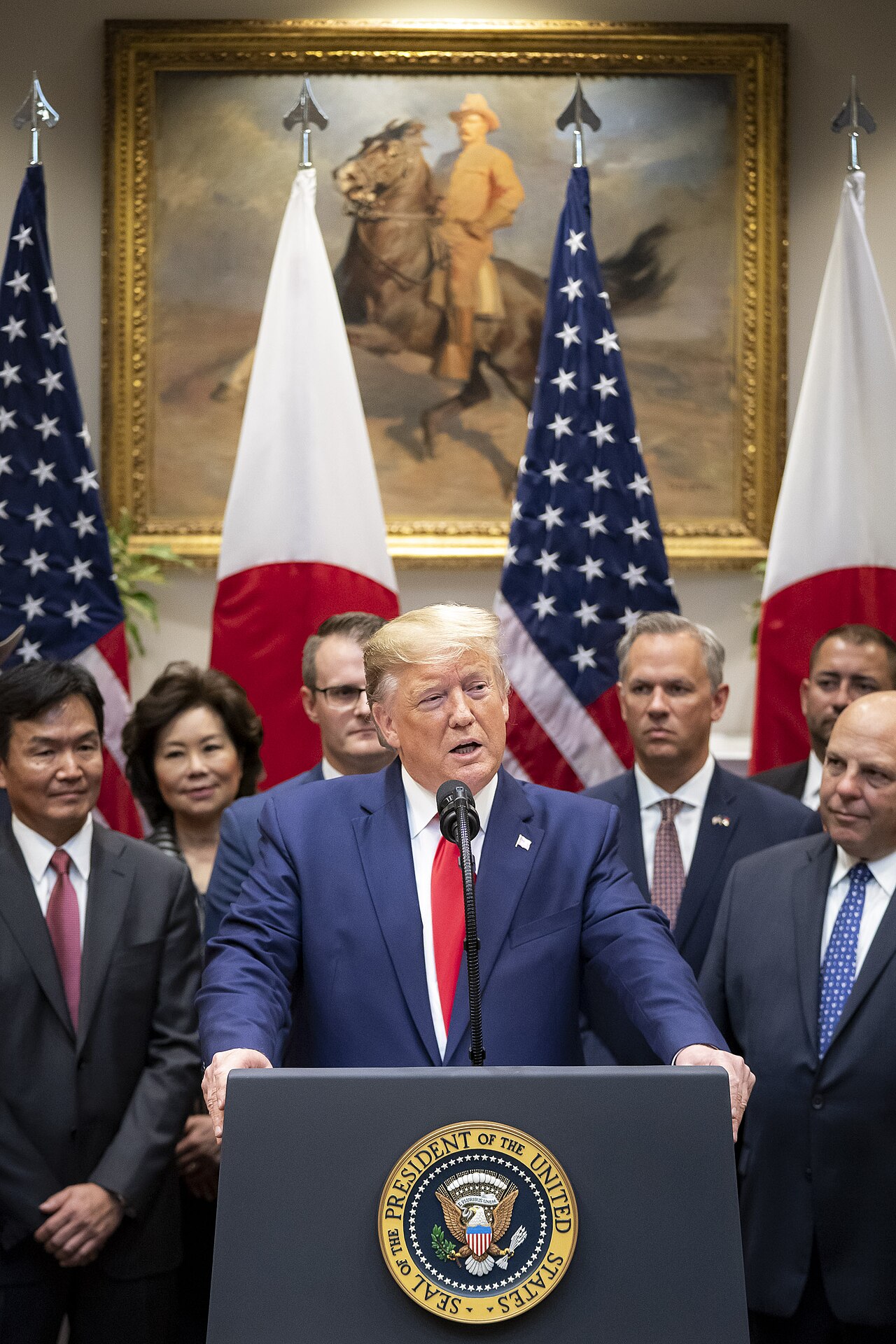
In a move that has captivated political watchers, former President Donald Trump is set to deliver a primetime address from the White House, reigniting his long-standing claims of election fraud. This time, he’s armed with newly declassified intelligence, aiming to convince the nation of vulnerabilities within the U.S. voting systems.
Reports indicate that the White House has been actively preparing for this moment, forming a dedicated task force to sift through classified documents. Led by conservative journalist John Solomon, the group has spent weeks reviewing intelligence that Trump plans to unveil. The administration’s actions have already stirred controversy, particularly with the recent ousting of the Election Assistance Commission’s leaders, a move that has significant implications given Congress’s $45 million funding for the commission in 2026.
Critics, including Democratic Senator Jon Ossoff, warn that Trump’s actions could be setting a dangerous precedent, potentially using federal power to propagate debunked theories. Meanwhile, White House Press Secretary Karoline Leavitt insists the speech is a must-watch, as the nation waits to see if Trump will present any new, credible evidence.
Congress had approved $45 million for the commission in fiscal 2026, making the move especially consequential. Reuters said Trump has told acting Director of National Intelligence Bill Pulte he is free to declassify records, including material tied to the 2020 election.
AP noted that an intelligence assessment completed on January 7, 2021 found no foreign tampering with vote totals or election equipment in 2020, directly undercutting the narrative Trump appears ready to elevate again. On July 15, Reuters reported the White House was weighing release of controversial intelligence related to China and the 2020 election.
The most specific factual claim in circulation is that Trump is expected to spotlight alleged voting-machine vulnerabilities and possible foreign-election interference, particularly material tied to 2020 and China, although Reuters said it could not verify the full details of the intelligence. The central conflict is whether the president is using state power to validate debunked election theories just months before the 2026 midterms.
What happens next is immediate: the speech itself on Thursday night, July 16, 2026, will determine whether Trump merely rehashes familiar fraud claims or formally unveils declassified material and a policy push around voting systems. The bigger downstream question is whether the administration follows with document releases, further changes at the Election Assistance Commission, or federal pressure on states before the November 2026 midterms that will decide control of Capitol Hill.
The Washington Post separately reported that Trump planned to use findings from reexamined government files to argue that the country’s election infrastructure has vulnerabilities. The most important thing to watch is whether any new intelligence is actually produced and whether it materially differs from the January 2021 assessment finding no tampering with vote totals or election equipment.
Congress had approved $45 million for the commission in fiscal 2026, making the move especially consequential. Congress allocated $45 million to the Election Assistance Commission for fiscal 2026, highlighting the stakes of the administration’s actions.
On July 15, Reuters reported the White House was weighing release of controversial intelligence related to China and the 2020 election. The administration’s actions have already stirred controversy, particularly with the recent ousting of the Election Assistance Commission’s leaders, a move that has significant implications given Congress’s $45 million funding for the commission in 2026.
Meanwhile, White House Press Secretary Karoline Leavitt insists the speech is a must-watch, as the nation waits to see if Trump will present any new, credible evidence. Led by conservative journalist John Solomon, the group has spent weeks reviewing intelligence that Trump plans to unveil.
The scale and speed of this development has caught many observers off guard. Each new update adds another dimension to a story that is still unfolding, and the full picture will only become clear as more verified details emerge from the people and institutions directly involved.
Analysts who have tracked this issue closely say the current moment represents a genuine turning point. The decisions made in the coming weeks are expected to set the direction for months ahead, with ripple effects likely to extend well beyond the immediate actors in the story.
For those directly affected, the practical impact is already visible. People navigating this fast-changing situation are dealing with real consequences while new information continues to reshape what is known and what remains open to interpretation.
Historical parallels offer some context, though experts caution against drawing too close a comparison. Similar situations have played out before, but the specific combination of pressures, personalities, and timing here makes this moment distinct in ways that matter for how it ultimately resolves.
The political and economic dimensions of this story are deeply intertwined. What appears as a single event on the surface is in practice the convergence of multiple pressures that have been building quietly over a longer period than most public reporting has captured.