


Quick Summary: Herzog Warns of Violence as Israeli Election Tensions Rise
- 70% of Israelis fear election integrity — concerns span both Jewish and Arab citizens.
- Netanyahu’s support dropped to 17% in northern Israel — war spillover affects voter sentiment.
- 38% of Jewish Israelis prioritize economy — cost of living is a major election issue.
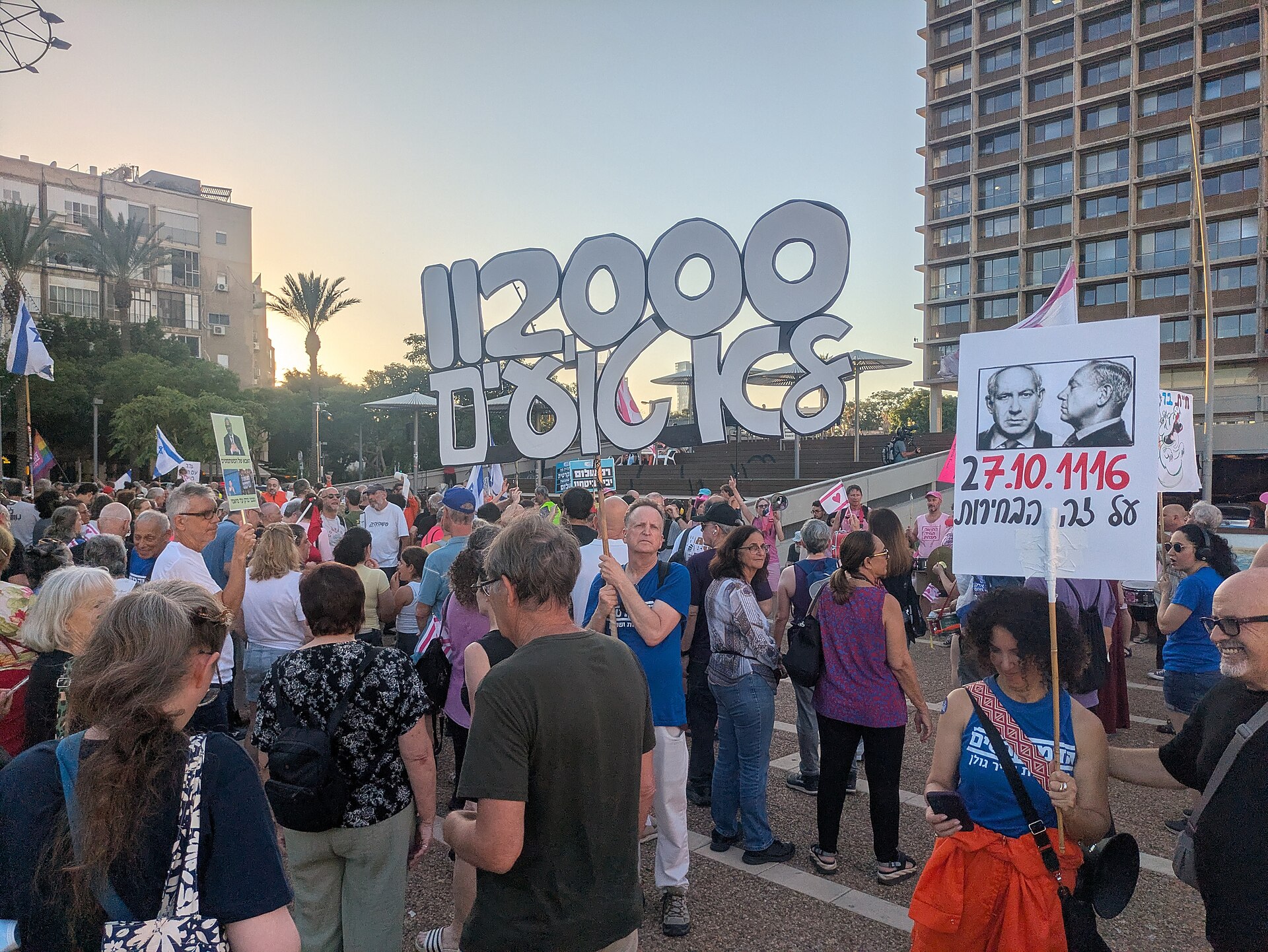
- Anti-government protests continue in Tel Aviv — Likud prepares to challenge Arab polling results.
- President Herzog warns of potential violence — election integrity remains a critical concern.
Source: Open external resource
Source: Read original article
As Israel heads into another fraught election, the stakes couldn’t be higher for Benjamin Netanyahu and the nation. With polls showing no clear majority for either his coalition or the opposition, the country braces for a potential deadlock and questions of legitimacy.
Netanyahu’s leadership is under intense scrutiny, with his support waning in northern Israel due to war spillover. Meanwhile, economic concerns dominate the minds of voters, with 38% of Jewish Israelis naming it a top issue, highlighting the economic strain many are feeling.
President Isaac Herzog has already sounded the alarm on potential violence, underlining the deep-seated fears surrounding this election. With anti-government protests continuing and Likud ready to contest Arab polling results, tensions are palpable.
The election is not just a choice between political parties but a referendum on Netanyahu’s leadership and the future direction of Israeli democracy. The coming days will determine not only who governs but whether the country can accept the results without further turmoil.
5% of Arabs, believe there is danger to the integrity of the October 27 election. AP, citing the same institute’s election-season findings, reported that 38% of Jewish Israelis said the economy and cost of living were the most important or second most important issue in the race, a figure that rose to 46% among Arab citizens.
In northern Israel, where war spillover and evacuation trauma have weighed heavily, AP reported support for Netanyahu fell from around 29% before the 2022 election to about 17% in a poll conducted earlier this month for Agam Labs at Hebrew University. Over the weekend, anti-government demonstrations continued in Tel Aviv, while media reports said Likud was already preparing to challenge results from Arab polling stations if necessary.
Times of Israel reported that the last major polls had both blocs short of a majority, with one sister-site survey putting the two Jewish-led blocs at 51 seats each and Arab-led parties at 14. President Isaac Herzog has already warned publicly about “violence rearing its head,” according to Times of Israel’s earlier reporting on election integrity fears.
According to Times of Israel and AP, Eisenkot’s Yashar was forecast in some final polls to emerge as the largest single faction, ahead of Likud, though still without a clear path to 61 seats. The vote itself is Tuesday, October 27, 2026, and if no candidate can assemble 61 seats afterward, AP says Netanyahu’s cabinet would remain in a caretaker role while coalition bargaining drags on and another election in the coming months becomes a real possibility.
The immediate question is not simply who finishes first but whether President Herzog can task anyone with forming a durable coalition in a Knesset where small parties and Arab-led factions may hold the balance. The central conflict driving the story is not just right versus left but fear versus fear: supporters of Netanyahu fear military weakness, elite institutions and international pressure, while his opponents fear democratic breakdown, political violence and a leader they see as refusing accountability for October 7 and the wars that followed.
Netanyahu’s support dropped to 17% in northern Israel — war spillover affects voter sentiment. 38% of Jewish Israelis prioritize economy — cost of living is a major election issue.
Meanwhile, economic concerns dominate the minds of voters, with 38% of Jewish Israelis naming it a top issue, highlighting the economic strain many are feeling. Over the weekend, anti-government demonstrations continued in Tel Aviv, while media reports said Likud was already preparing to challenge results from Arab polling stations if necessary.
President Isaac Herzog has already warned publicly about “violence rearing its head,” according to Times of Israel’s earlier reporting on election integrity fears. According to Times of Israel and AP, Eisenkot’s Yashar was forecast in some final polls to emerge as the largest single faction, ahead of Likud, though still without a clear path to 61 seats.
The scale and speed of this development has caught many observers off guard. Each new update adds another dimension to a story that is still unfolding, and the full picture will only become clear as more verified details emerge from the people and institutions directly involved.
Analysts who have tracked this issue closely say the current moment represents a genuine turning point. The decisions made in the coming weeks are expected to set the direction for months ahead, with ripple effects likely to extend well beyond the immediate actors in the story.
For those directly affected, the practical impact is already visible. People navigating this fast-changing situation are dealing with real consequences while new information continues to reshape what is known and what remains open to interpretation.
Historical parallels offer some context, though experts caution against drawing too close a comparison. Similar situations have played out before, but the specific combination of pressures, personalities, and timing here makes this moment distinct in ways that matter for how it ultimately resolves.
The political and economic dimensions of this story are deeply intertwined. What appears as a single event on the surface is in practice the convergence of multiple pressures that have been building quietly over a longer period than most public reporting has captured.