


Quick Summary: Senate Adjourns Without Action on $35 Insulin Cap Amid Election Delays
- Senator Susan Collins aims for a post-election vote on capping insulin costs at $35, acknowledging delays until after Election Day.
- The Washington Post reports Republicans left without addressing cost-of-living issues, with a controversial proposal linked to Trump’s orbit raising legal concerns.
- The Senate’s last session ended on September 30, with Democrats blocking Republican attempts for pre-election legislative wins.
- A college-sports regulation overhaul passed the Senate but stalled as the House adjourned, delaying further action.
- Republicans face criticism for legislative inaction, with internal frustration over missed opportunities on key issues like cost-of-living.
Source: Open external resource
Source: Read original article
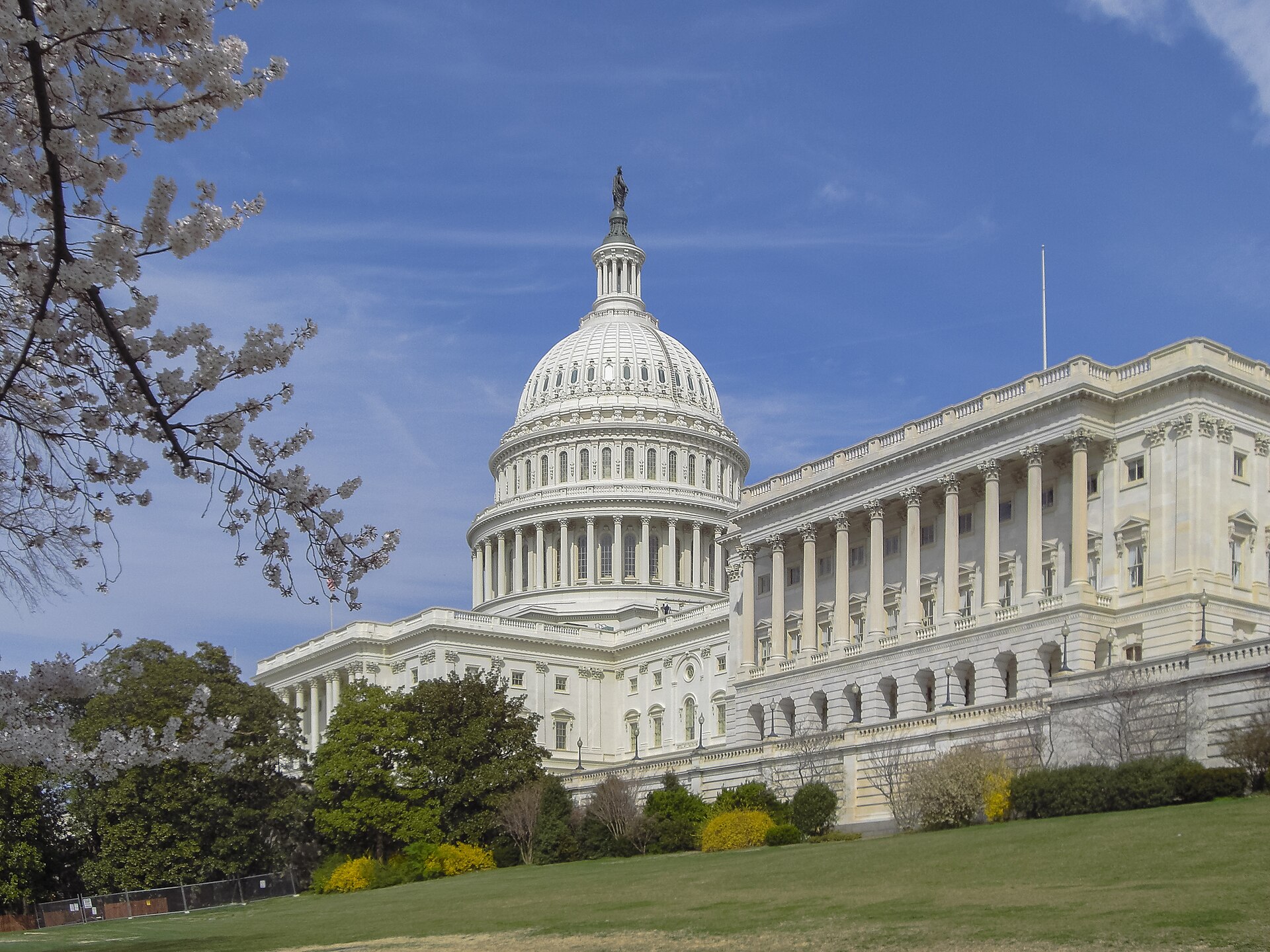
As Congress packs its bags for a pre-midterm break, the political landscape is fraught with unfinished business. Republicans, having left Washington without addressing critical cost-of-living issues, now find themselves campaigning with empty legislative pockets. This abrupt departure not only symbolizes a legislative standstill but also leaves a trail of unaddressed bills on crucial topics like insulin costs and election policy.
The Senate’s final session before the recess saw Democrats blocking Republican efforts to score pre-election wins, leaving GOP incumbents without fresh achievements to tout in battleground races. A notable missed opportunity was the bipartisan insulin bill championed by Senator Susan Collins, which now hangs in limbo until after Election Day. Collins, facing a tough reelection battle, tried to pivot by highlighting her success with a tick-borne disease law, but the absence of a more impactful insulin measure looms larger.
Adding to the legislative inertia, the House adjourned early, canceling votes and leaving critical issues unresolved. Speaker Mike Johnson’s decision to send members home for a seven-week recess drew sharp criticism from Democrats, who accused Republicans of dodging accountability. The unfinished agenda includes Pentagon funding, farm aid, and election measures, all postponed to a lame-duck session post-midterms. This delay underscores the political gamble both parties are taking, with November’s election results poised to determine the fate of these pending issues.
The current congressional hiatus is not just a pause but a strategic retreat, with both parties banking on the post-election landscape to navigate the legislative backlog. As the Senate and House remain adjourned until November, the political stakes are high, and the pressure is on for lawmakers to deliver substantive results in the next session.
Susan Collins of Maine, who said she still wants a vote on a measure to force insurers to cap insulin costs at $35, but admitted it will probably have to wait until after Election Day. The Post reported that approving those checks would require an act of Congress, that Republican lawmakers “pretty quickly recoiled,” and that some estimates put the price tag at more than $1 trillion, with inflationary consequences.
The Washington Post’s latest analysis, published October 1, says Republicans now have to campaign after leaving “without having done much to address the cost of living,” and the sharpest example is a proposal tied to President Donald Trump’s orbit to send out checks that election-law experts said could resemble an illegal bribe. ” But the fact that the Senate could not deliver the far more politically potent $35-insulin message was the bigger story.
The Senate’s final session before recess ended late on September 30 after Democrats blocked Republicans’ last push for pre-election wins, leaving GOP incumbents with no fresh legislative achievements to sell in battleground races. On September 29, the Senate passed a college-sports regulation overhaul led by Ted Cruz and Maria Cantwell, but the House had already left and is not expected to return to take it up.
Collins, facing one of the toughest reelection fights in the country, tried to shift attention to a separate success, saying of her tick-borne disease law signed on September 30, “Ticks are a major problem in the state of Maine. There is also a striking policy twist: even as more than 100 House Democrats urged Johnson to stay in session for AI-safety legislation, one of the few bipartisan Senate breakthroughs came on an entirely different front.
Shelley Moore Capito, Mike Lee, Sheldon Whitehouse and Martin Heinrich announced a deal on federal permitting reform that they say could lower electricity costs by speeding power-line and project construction, but that bill too is now being pushed into the lame-duck session. Congress then left town without acting, and the analysis says lawmakers do not appear inclined to take it up even after they return.
com Senator Susan Collins aims for a post-election vote on capping insulin costs at $35, acknowledging delays until after Election Day. The Senate’s final session before recess ended late on September 30 after Democrats blocked Republicans’ last push for pre-election wins, leaving GOP incumbents with no fresh legislative achievements to sell in battleground races.
On September 29, the Senate passed a college-sports regulation overhaul led by Ted Cruz and Maria Cantwell, but the House had already left and is not expected to return to take it up. A college-sports regulation overhaul passed the Senate but stalled as the House adjourned, delaying further action.
The Senate’s last session ended on September 30, with Democrats blocking Republican attempts for pre-election legislative wins. Collins, facing one of the toughest reelection fights in the country, tried to shift attention to a separate success, saying of her tick-borne disease law signed on September 30, “Ticks are a major problem in the state of Maine.
There is also a striking policy twist: even as more than 100 House Democrats urged Johnson to stay in session for AI-safety legislation, one of the few bipartisan Senate breakthroughs came on an entirely different front. Shelley Moore Capito, Mike Lee, Sheldon Whitehouse and Martin Heinrich announced a deal on federal permitting reform that they say could lower electricity costs by speeding power-line and project construction, but that bill too is now being pushed into the lame-duck session.
The scale and speed of this development has caught many observers off guard. Each new update adds another dimension to a story that is still unfolding, and the full picture will only become clear as more verified details emerge from the people and institutions directly involved.
Analysts who have tracked this issue closely say the current moment represents a genuine turning point. The decisions made in the coming weeks are expected to set the direction for months ahead, with ripple effects likely to extend well beyond the immediate actors in the story.
For those directly affected, the practical impact is already visible. People navigating this fast-changing situation are dealing with real consequences while new information continues to reshape what is known and what remains open to interpretation.
Historical parallels offer some context, though experts caution against drawing too close a comparison. Similar situations have played out before, but the specific combination of pressures, personalities, and timing here makes this moment distinct in ways that matter for how it ultimately resolves.
The political and economic dimensions of this story are deeply intertwined. What appears as a single event on the surface is in practice the convergence of multiple pressures that have been building quietly over a longer period than most public reporting has captured.