

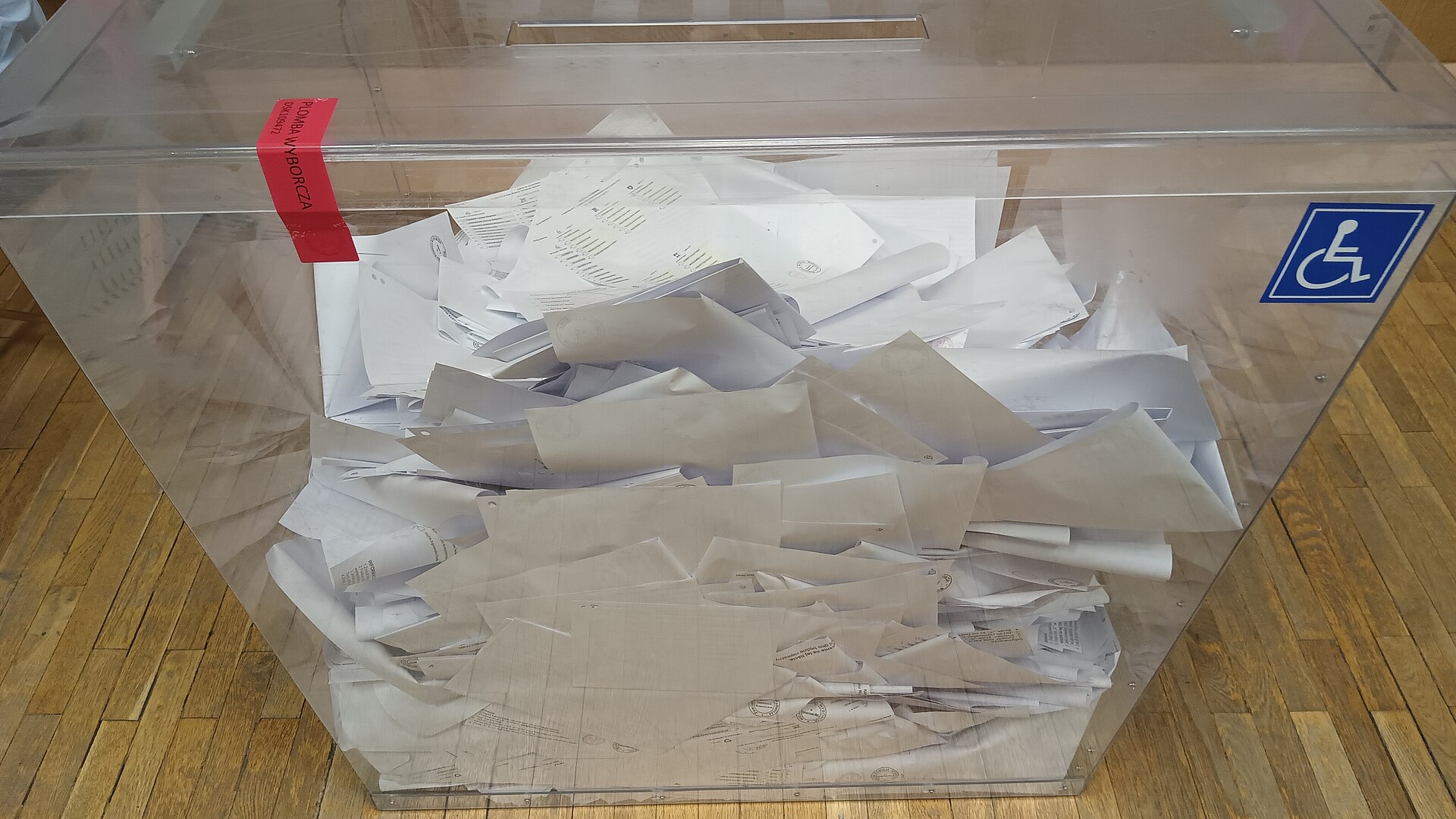

Quick Summary: IEC Warns of Intense Competition in Upcoming South African Elections
- The IEC certified 136,790 candidates for the 2026 municipal elections, a significant increase from 2021.
- Despite more candidates, the number of council seats only slightly increased to 10,526.
- Political fragmentation is evident across major metros, with intense competition for control.
- Voter registration saw a boost with 477,174 new voters, but trust in political parties remains low.
- The government is prioritizing election security and operational readiness for the November vote.
Source: Open external resource
Source: Read original article
The upcoming local government elections in South Africa are shaping up to be a pivotal moment, not just in politics but in the daily lives of citizens. Tessa Dooms’s stark warning that these elections are a matter of life and death is now more relevant than ever, as the Independent Electoral Commission (IEC) announced a record-breaking 136,790 candidates for the 2026 municipal elections.
This surge in candidates, up from 95,427 in 2021, underscores the deepening political fragmentation across the country. Despite the increase in candidates, the number of available council seats has barely risen, creating a fiercely competitive environment. Major metros are witnessing a battle for control, with incumbents, former mayors, and new entrants vying for power.
Adding to the complexity is the low public trust in political parties, with only 11% of South Africans expressing confidence in them. This distrust is juxtaposed against a surge in voter registration, particularly among the youth, yet there’s no guarantee that these new registrations will translate into actual voter turnout.
The government, recognizing the high stakes, is treating the November 4th elections as a national security event. Preparations are being tightened to ensure a free, fair, and incident-free election, with extended operating hours and mobile units deployed to facilitate voter participation.
The outcome of these elections will be a litmus test for South Africa’s local governance. As Tessa Dooms highlights, the stakes are high, and the results could determine whether local governments can effectively deliver essential services or continue to struggle under the weight of fragmentation and distrust.
Government, for its part, is treating the 4 November 2026 vote as an operational and security event of national consequence. The IEC said on 16 September 2026 that 136,790 candidates met the legal requirements to run, up sharply from 95,427 certified candidates in the 2021 municipal elections, even though the number of available council seats has risen only slightly, from 10,478 to 10,526.
Sowetan reported on 17 September 2026 that the IEC’s final lists expose “deepening political fragmentation” across all eight metros, with incumbents, former mayors and new entrants battling for control of the country’s biggest cities. Chief electoral officer Sy Mamabolo said 98,219 of those candidates are party ward nominees, 38,571 are proportional-representation nominees, and 621 are independents.
Cooperative Governance Minister Velenkosini Hlabisa convened the Inter-Ministerial Committee again on 10 September and said preparations are being tightened to ensure a “free, fair, credible and incident-free” election. Dooms’s most current Sunday World intervention, published on 10 September 2026, sharpened that argument by linking turnout, organisation and local power.
” She also cited a 2026 HSRC survey showing only 11% of South Africans trust political parties and just 9% trust individual politicians. Hlabisa had already formally gazetted 4 November 2026 as the election date on 7 August.
During a recent IEC registration weekend, 477,174 new voters were added, including 379,767 young people, according to the Sunday World piece by Dooms. NATJOINTS presented its readiness plan, while Home Affairs confirmed extended operating hours until 18:00 from 26 September to 6 October and the deployment of mobile trucks to help voters secure documents.
Tessa Dooms’s stark warning that these elections are a matter of life and death is now more relevant than ever, as the Independent Electoral Commission (IEC) announced a record-breaking 136,790 candidates for the 2026 municipal elections. Government, for its part, is treating the 4 November 2026 vote as an operational and security event of national consequence.
The IEC said on 16 September 2026 that 136,790 candidates met the legal requirements to run, up sharply from 95,427 certified candidates in the 2021 municipal elections, even though the number of available council seats has risen only slightly, from 10,478 to 10,526. Sowetan reported on 17 September 2026 that the IEC’s final lists expose “deepening political fragmentation” across all eight metros, with incumbents, former mayors and new entrants battling for control of the country’s biggest cities.
Chief electoral officer Sy Mamabolo said 98,219 of those candidates are party ward nominees, 38,571 are proportional-representation nominees, and 621 are independents. Cooperative Governance Minister Velenkosini Hlabisa convened the Inter-Ministerial Committee again on 10 September and said preparations are being tightened to ensure a “free, fair, credible and incident-free” election.
za The IEC certified 136,790 candidates for the 2026 municipal elections, a significant increase from 2021. This surge in candidates, up from 95,427 in 2021, underscores the deepening political fragmentation across the country.
Dooms’s most current Sunday World intervention, published on 10 September 2026, sharpened that argument by linking turnout, organisation and local power. The government, recognizing the high stakes, is treating the November 4th elections as a national security event.
The scale and speed of this development has caught many observers off guard. Each new update adds another dimension to a story that is still unfolding, and the full picture will only become clear as more verified details emerge from the people and institutions directly involved.
Analysts who have tracked this issue closely say the current moment represents a genuine turning point. The decisions made in the coming weeks are expected to set the direction for months ahead, with ripple effects likely to extend well beyond the immediate actors in the story.
For those directly affected, the practical impact is already visible. People navigating this fast-changing situation are dealing with real consequences while new information continues to reshape what is known and what remains open to interpretation.
Historical parallels offer some context, though experts caution against drawing too close a comparison. Similar situations have played out before, but the specific combination of pressures, personalities, and timing here makes this moment distinct in ways that matter for how it ultimately resolves.
The political and economic dimensions of this story are deeply intertwined. What appears as a single event on the surface is in practice the convergence of multiple pressures that have been building quietly over a longer period than most public reporting has captured.