

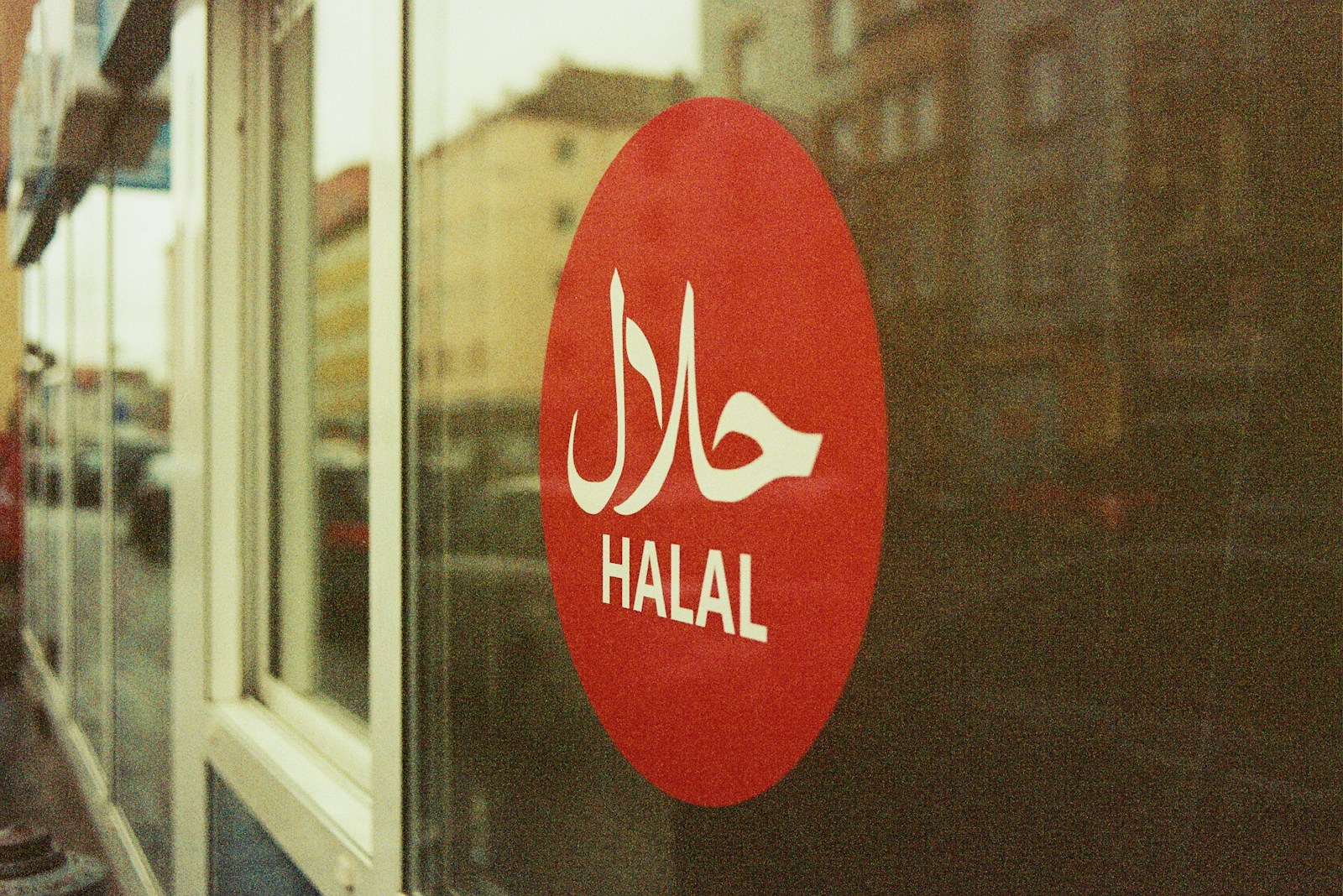

Quick Summary: Australia Secures Halal Cooperation With Indonesia Ahead of 2026 Certification Deadline
- Australia and Indonesia signed a halal cooperation memorandum in mid-July, preparing Australian exporters for Indonesia’s upcoming mandatory certification starting 18 October 2026.
- Indonesia’s mandatory halal certification could exclude Australian suppliers not aligned with recognized pathways, impacting their market access.
- Australia’s Department of Agriculture regulates halal production under the Export Control Act 2020, ensuring compliance with export standards.
- The Australian halal market is projected to grow from AU$7.8 billion to AU$14.6 billion over the next decade, reflecting strong demand.
- Australia’s halal-certified exports to Malaysia were valued at over $447 million last year, indicating significant market potential.
Source: Open external resource
Source: Read original article
Australia’s halal food industry is on the cusp of a significant transformation, driven by a strategic agreement with Indonesia. This cooperation memorandum, signed in mid-July, positions Australian food exporters to meet Indonesia’s mandatory halal certification requirements by October 2026. This is not just a symbolic gesture; it’s a crucial market-access tool for one of the world’s largest halal markets.
With Indonesia moving towards mandatory halal certification, the pressure is on Australian suppliers to align with recognized certification pathways or risk being shut out. The Australian Department of Agriculture is actively regulating halal production under the Export Control Act 2020, ensuring that the country’s exports meet international standards.
Australia’s halal market is not just about compliance; it’s about seizing a growing opportunity. The market is expected to grow from AU$7.8 billion to AU$14.6 billion over the next decade, driven by rising domestic and international demand. Notably, Australia’s halal-certified exports to Malaysia were worth over $447 million last year, highlighting the sector’s potential.
The real challenge lies in certification and recognition. Australian certifiers are working to ensure their credentials are accepted internationally, particularly in key markets like Indonesia and Malaysia. As the deadline approaches, the focus is on securing these pathways to avoid losing market share.
In essence, Australia’s halal food industry is transitioning from a growth narrative to a compliance challenge. The winners will be those who can navigate this regulatory landscape effectively, ensuring their products meet the stringent requirements of key export markets.
The freshest, most consequential development around Australia’s halal food push is not a new supermarket launch but a trade-and-regulatory breakthrough: Australia and Indonesia signed a halal cooperation memorandum in mid-July that positions Australian food exporters for Indonesia’s looming mandatory certification regime, which starts on 18 October 2026 for most food and beverage products. The pressure point is the deadline itself: from 18 October 2026, Indonesia is moving toward mandatory halal certification for most food and beverages and a wider range of consumer products, meaning Australian suppliers that are not aligned with recognized certification pathways risk being shut out or delayed.
Australia’s Department of Agriculture says export halal red meat is governed under the Export Control Act 2020 and the Export Control (Meat and Meat Products) Rules 2021, and it continues to regulate halal production and certification for export markets. In practical terms, exporters are now navigating a live systems transition as well: meat export documentation began issuing through NEXDOC from 6 July 2026, while industry guidance said there was “no change” to halal certification operations for approved Islamic organisations.
And in the last quarter, ministers also highlighted Malaysia as a key halal destination, saying Australian halal-certified sheep, goat and beef exports to Malaysia were worth more than $447 million in the last financial year and that six meat export establishments were approved in 2025, including two new ones. 05 million seed investment in Just Meat Protein, highlighting rising demand for new protein formats.
On 6 July 2026, NEXDOC began issuing meat export certification, with halal procedures maintained alongside the documentation change. The next real deadline is 18 October 2026, when Indonesia’s mandatory halal certification rules for most food and beverage products come into force.
8 billion in total Muslim consumer spend in Australia. Australia’s official export system depends on approved Islamic organisations, while certifiers in the market are stressing their international recognition.
Australia’s Department of Agriculture regulates halal production under the Export Control Act 2020, ensuring compliance with export standards. This cooperation memorandum, signed in mid-July, positions Australian food exporters to meet Indonesia’s mandatory halal certification requirements by October 2026.
6 billion over the next decade, driven by rising domestic and international demand. Notably, Australia’s halal-certified exports to Malaysia were worth over $447 million last year, highlighting the sector’s potential.
The scale and speed of this development has caught many observers off guard. Each new update adds another dimension to a story that is still unfolding, and the full picture will only become clear as more verified details emerge from the people and institutions directly involved.
Analysts who have tracked this issue closely say the current moment represents a genuine turning point. The decisions made in the coming weeks are expected to set the direction for months ahead, with ripple effects likely to extend well beyond the immediate actors in the story.
For those directly affected, the practical impact is already visible. People navigating this fast-changing situation are dealing with real consequences while new information continues to reshape what is known and what remains open to interpretation.
Historical parallels offer some context, though experts caution against drawing too close a comparison. Similar situations have played out before, but the specific combination of pressures, personalities, and timing here makes this moment distinct in ways that matter for how it ultimately resolves.
The political and economic dimensions of this story are deeply intertwined. What appears as a single event on the surface is in practice the convergence of multiple pressures that have been building quietly over a longer period than most public reporting has captured.