

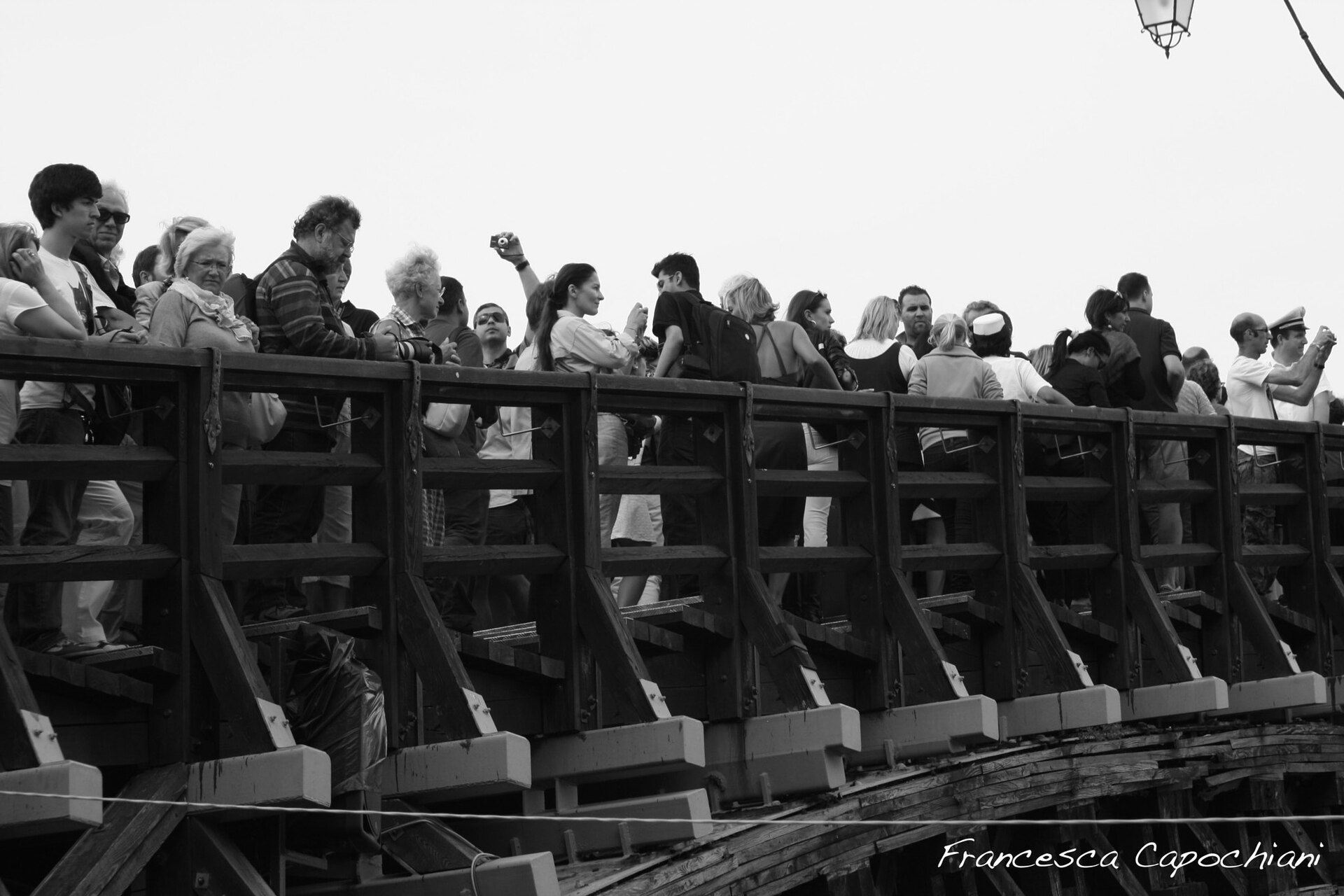

Quick Summary: Italy Battles Overtourism With New Crowd Control and Travel Measures
- Venice introduced a two-tier fee system for day-trippers starting April 3, 2026, with charges of €5 for early bookings and €10 for late bookings.
- On the first charged day, Venice recorded 13,117 paying visitors, with authorities checking over 10,910 QR codes and issuing 70 citations.
- Rome implemented a €2 charge for accessing the Trevi Fountain area, aligning with Venice’s model of regulated access.
- Capri enforced stricter rules against aggressive street solicitation, with fines up to €500 to maintain decorum.
- Venice’s 2026 strategy includes 60 non-consecutive charge days, targeting day visitors over 14, excluding residents and workers.
Source: Read original article
Italy is taking a bold stand against overtourism, with Venice and Rome leading the charge through innovative tourist controls. Venice’s new fee system for day-trippers, starting April 3, 2026, marks a significant shift from treating crowds as a seasonal nuisance to a managed-access problem.
On its first charged day, Venice saw 13,117 visitors pay the fee, with authorities diligently checking QR codes and issuing citations. This move aims to manage tourist flows and discourage peak-time visits, reflecting a broader strategy to reshape Italy’s travel experience.
Rome has followed suit by introducing a €2 charge for accessing the Trevi Fountain area, aligning with Venice’s model. Meanwhile, Capri has enacted stricter enforcement against aggressive street solicitation, aiming to maintain decorum in crowded areas.
These measures highlight a decentralized approach, with local governments taking the lead rather than national tourism bodies. This patchwork of regulations varies across Italy’s tourist hotspots, reflecting each city’s unique needs.
As these experimental controls unfold, their success in reducing congestion will determine their future. If effective, other Italian destinations may adopt similar systems, but if they fail, the debate over their impact on the tourist experience will intensify.
The clearest data point comes from Venice itself: on the first charged day of 2026, April 3, the city recorded 13,117 paying visitors, including 5,225 who paid €5 and 7,892 who paid the higher €10 rate because they booked within the last three days. The city opened its 2026 booking portal on March 2 and confirmed the charge would run on 60 non-consecutive days: 17 dates in April starting April 3, 15 in May, 16 in June and 12 in July.
Venice has already said the 2026 regime remains “sperimentale,” meaning experimental, and will be evaluated for possible permanent use. Italy’s most consequential new travel development is that Venice has hardened its anti-overtourism regime into a much broader 2026 system, charging day-trippers on 60 separate dates from April 3 through July 26, with a two-tier fee of €5 for early booking and €10 for late booking, a sign that Italy’s crowd crisis is no longer being treated as a seasonal nuisance but as a managed-access problem.
Municipal authorities said they checked more than 10,910 QR codes and issued 70 police citations that day. That tension — between preservation and commodification — is the core controversy driving the story across Italy’s most visited destinations in 2026.
In practical terms, Italy’s overtourism response in 2026 has moved from broad complaints about crowds to direct pricing and gatekeeping at headline attractions. The broader implication is that Italy’s travel experience in 2026 is being reshaped destination by destination, not through one national crackdown but through a patchwork of local controls.
Venice’s official line is that the higher late-booking price is meant to push travelers into earlier planning and give the city better flow management; the municipality said the goal is “rafforzare il ricorso alla prenotazione anticipata,” or strengthen the use of advance booking. The surprise here is scale: this is a much more systematic calendar than the city’s earlier experiments and signals confidence from Mayor Luigi Brugnaro’s administration and the municipal apparatus behind the QR-code system run through the city platform.