


Quick Summary: Federal Judge Criticizes Trump Administration Over New Mail
- A federal judge ruled that the Trump administration violated her order by issuing new Postal Service mail-voting rules, but did not immediately block the rule.
- Despite the Supreme Court’s order, the uncertainty around mail-voting rules may persist through the 2026 midterms.
- Nearly one-third of the U.S. uses mail voting, and the new rules have already caused confusion in election administration.
- The Postal Service’s new rule mandates specific ballot-envelope formatting and electronic voter identification, complicating compliance for states.
- Voting-rights groups argue the rule imposes federal mandates on state-run elections, potentially disenfranchising voters.
Source: Open external resource
Source: Read original article
The Postal Service is once again at the heart of a political storm, as a federal judge has accused the Trump administration of breaching her court order by pushing through new mail-voting rules. Despite this, the judge hesitated to block the rule immediately, leaving the upcoming November election procedures in a precarious legal state.
The core of this controversy lies in the administration’s aggressive push to enforce mail-voting regulations that many argue overstep federal bounds. U.S. District Judge Indira Talwani’s ruling highlights a significant overreach, yet the rule remains in place, casting a shadow over the 2026 midterms. The Postal Service’s new requirements, which include specific ballot-envelope formatting and electronic systems for voter identification, present a daunting challenge for states.
Contextually, this battle over mail voting is not just about legality but about the broader implications for state sovereignty over elections. Critics, including voting-rights groups and Democratic-led states, assert that the new rule effectively imposes federal control over voter data and election processes, a move they see as unprecedented and potentially disenfranchising.
As the nation watches, the clock ticks down to the first ballot mailings, with legal battles poised to erupt at any moment. The question now is not just the legality of these restrictions but whether they will impact the 2026 election before ballots are dispatched.
A federal judge said on Tuesday, August 25, 2026, that the Trump administration violated her court order by issuing new Postal Service mail-voting rules anyway, but she stopped short of blocking the rule again immediately, leaving the fight over November’s election procedures in a volatile legal limbo. ” The biggest twist is that even after the Supreme Court’s Monday order, nothing may actually change for voters in time for the 2026 midterms — yet the uncertainty itself may be the story.
The Postal Service unveiled the requirements less than two weeks before some states begin sending ballots, and AP reported that the first ballots for military and overseas voters in North Carolina must go out on September 4. In Pennsylvania alone, Axios reported, nearly 2 million mail-in ballots were cast in the 2024 general election, more than a quarter of all ballots, which helps explain why states are treating even a temporary rules shift as destabilizing.
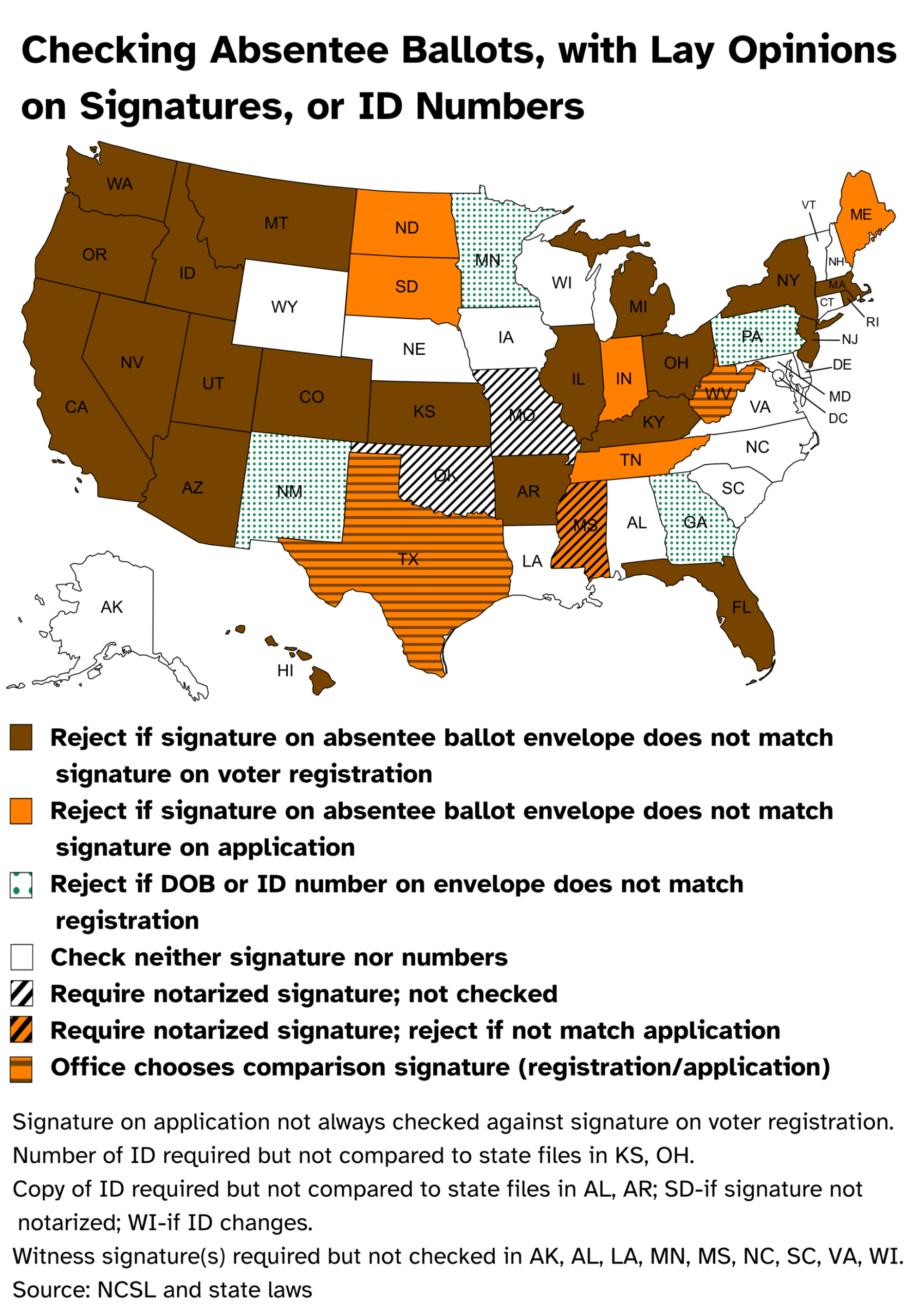
District Judge Indira Talwani found the administration had crossed a line even after a nationwide injunction was already in place, according to the latest reporting from AP, Axios and Reuters-based summaries. The new USPS rule would require states to use specific ballot-envelope formatting and an electronic system to identify who is voting by mail; if states do not comply, their mail ballots “won’t get sent,” AP reported.
Axios captured the broader alarm by reporting that critics fear the rule could let the federal government exert control over voting data and election administration through the mail stream. AP reported that nearly one-third of the country uses mail voting, and that the Court’s action may not lead to a single procedure changing before November, but it has already thrown election administration into confusion.
The practical question is no longer just whether Trump’s mail-voting restrictions are lawful; it is whether courts will let any part of them touch the 2026 election before ballots are already in the mail. But voting-rights groups and Democratic-led states argue the opposite, saying the rule effectively conditions ballot delivery on federal data-sharing and federal design mandates that Congress never authorized the Postal Service to impose.
District Judge Indira Talwani’s ruling highlights a significant overreach, yet the rule remains in place, casting a shadow over the 2026 midterms. ” The biggest twist is that even after the Supreme Court’s Monday order, nothing may actually change for voters in time for the 2026 midterms — yet the uncertainty itself may be the story.
AP reported that nearly one-third of the country uses mail voting, and that the Court’s action may not lead to a single procedure changing before November, but it has already thrown election administration into confusion. The practical question is no longer just whether Trump’s mail-voting restrictions are lawful; it is whether courts will let any part of them touch the 2026 election before ballots are already in the mail.
Critics, including voting-rights groups and Democratic-led states, assert that the new rule effectively imposes federal control over voter data and election processes, a move they see as unprecedented and potentially disenfranchising. But voting-rights groups and Democratic-led states argue the opposite, saying the rule effectively conditions ballot delivery on federal data-sharing and federal design mandates that Congress never authorized the Postal Service to impose.
The scale and speed of this development has caught many observers off guard. Each new update adds another dimension to a story that is still unfolding, and the full picture will only become clear as more verified details emerge from the people and institutions directly involved.
Analysts who have tracked this issue closely say the current moment represents a genuine turning point. The decisions made in the coming weeks are expected to set the direction for months ahead, with ripple effects likely to extend well beyond the immediate actors in the story.
For those directly affected, the practical impact is already visible. People navigating this fast-changing situation are dealing with real consequences while new information continues to reshape what is known and what remains open to interpretation.
Historical parallels offer some context, though experts caution against drawing too close a comparison. Similar situations have played out before, but the specific combination of pressures, personalities, and timing here makes this moment distinct in ways that matter for how it ultimately resolves.
The political and economic dimensions of this story are deeply intertwined. What appears as a single event on the surface is in practice the convergence of multiple pressures that have been building quietly over a longer period than most public reporting has captured.