


Quick Summary: U.s. Supreme Court to Decide Fate of Missouris New Congressional Map
- Missouri, led by Secretary of State Denny Hoskins, requested the U.S. Supreme Court to restore a new congressional map for November elections, after the state Supreme Court blocked it.
- The Missouri Supreme Court ruled that over 300,000 signatures were legally submitted to suspend the map, ordering a referendum vote in November.
- The state argues the situation is unprecedented, claiming the August primary was already conducted using the new map.
- The Trump-backed map aimed to reshape the Kansas City-based 5th District, potentially affecting Democratic Rep. Emanuel Cleaver’s seat.
- The U.S. Supreme Court’s decision will determine if the election proceeds under the older 2022 map or the new Trump-backed version.
Source: Open external resource
Source: Read original article
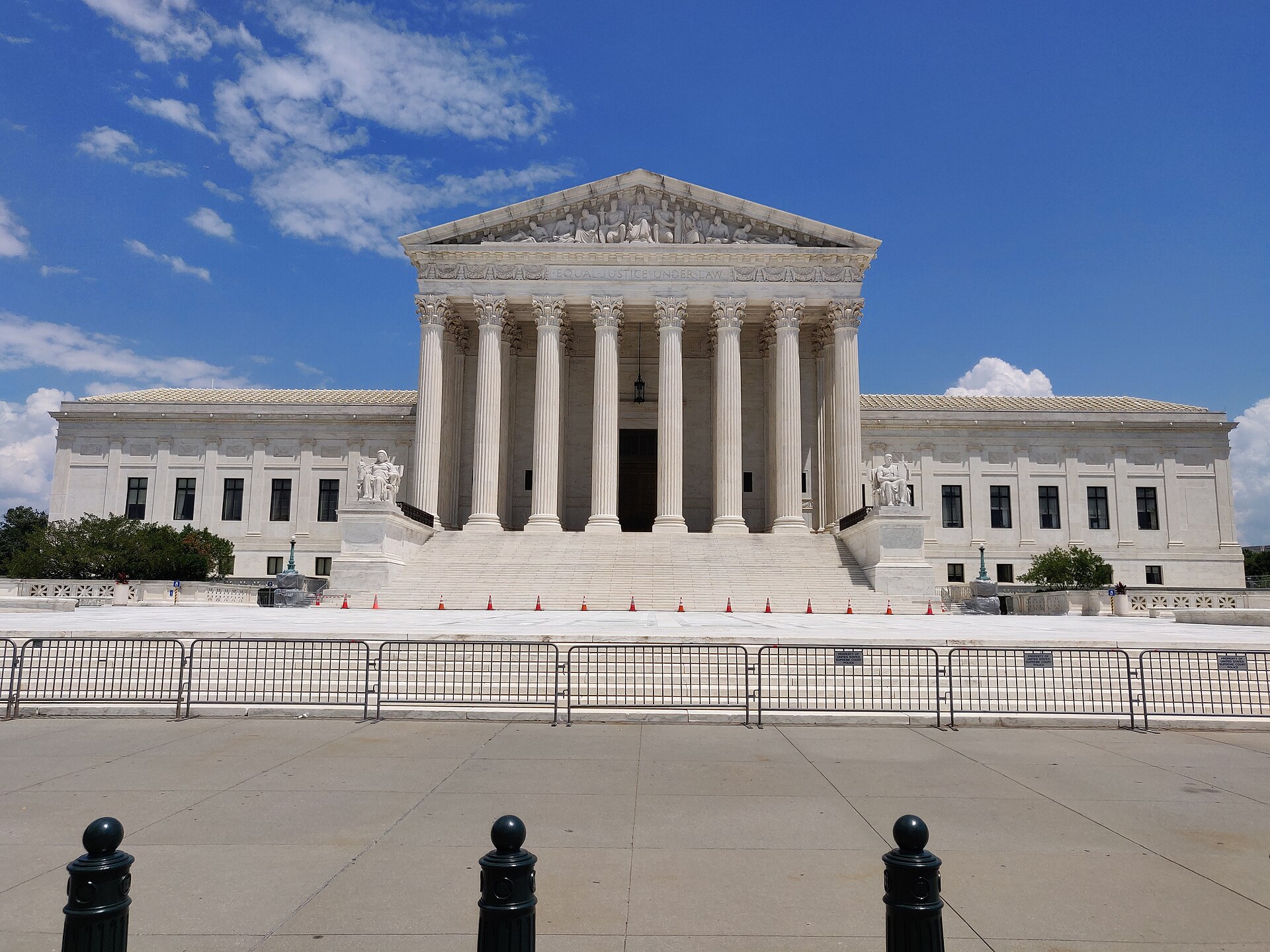
In a dramatic twist of political theater, Missouri has thrown a redistricting grenade into the national spotlight, pleading with the U.S. Supreme Court to salvage a Trump-endorsed congressional map. This map, already used in the state’s August primary, now hangs in limbo thanks to a Missouri Supreme Court ruling that demands a public vote in November.
Secretary of State Denny Hoskins, bolstered by Republican allies, argues that the state is facing an electoral catastrophe of historic proportions. The Missouri court’s decision to block the map, despite 1.2 million votes cast under it, has sparked a constitutional crisis, according to state officials. The stakes are high; the map was designed to tilt the Kansas City-based 5th District in favor of Republicans, potentially unseating Democratic Rep. Emanuel Cleaver.
This legal saga underscores a bitter conflict over who controls the narrative of representation. The Missouri Supreme Court sided with petitioners who gathered over 300,000 signatures to challenge the map, asserting that the state’s constitution permits such a referendum. Meanwhile, Hoskins insists that the state constitution forbids it, setting the stage for a potential showdown in the U.S. Supreme Court.
As the clock ticks toward midterm elections, all eyes are on Justice Brett Kavanaugh and the U.S. Supreme Court to decide whether to uphold the state court’s ruling or allow the Trump-backed map to proceed. The outcome will not only impact Missouri but could ripple through the national political landscape, influencing the balance of power in the U.S. House.
The most important new development is that Missouri, through Secretary of State Denny Hoskins and backed by Republican officials, asked the justices on Friday, September 4, 2026, to restore the new congressional map for the November general election after the Missouri Supreme Court unanimously blocked it a day earlier and ordered that voters get a statewide say first. Under that redraw, about 59% of the district’s voters were new, according to an AP estimate, and Republican state Sen.
The state’s filing calls the situation “a federal-election-administration disaster” and says “no court in American history has ever given such an extraordinary remedy,” because the August 2026 primary was already run on the new map. On Thursday, September 3, the Missouri Supreme Court unanimously blocked the map and ordered the referendum question onto the November ballot.
Supreme Court must decide whether to freeze the Missouri ruling and allow the Trump-backed map to be used in November, or leave the state court’s order in place so the election proceeds under the 2022 lines while voters separately decide the map’s future on the November ballot. The core conflict is brutal and concrete: the Missouri Supreme Court said opponents lawfully submitted more than 300,000 signatures in December to suspend the map and force a referendum, while Hoskins argued Missouri’s constitution does not permit referendum petitions on congressional redistricting.
Cleaver, by contrast, had won the district with at least 60% of the vote in each of the past two elections under the older map. 2 million Missourians already voted under it in the August primary.
2 million voters already participated under the disputed map. Then on Thursday, September 3, the Missouri Supreme Court overturned that path entirely, producing the unusual spectacle of candidates potentially running their primaries in one set of districts and the general election in another.
2 million votes cast under it, has sparked a constitutional crisis, according to state officials. Under that redraw, about 59% of the district’s voters were new, according to an AP estimate, and Republican state Sen.
The core conflict is brutal and concrete: the Missouri Supreme Court said opponents lawfully submitted more than 300,000 signatures in December to suspend the map and force a referendum, while Hoskins argued Missouri’s constitution does not permit referendum petitions on congressional redistricting. Cleaver, by contrast, had won the district with at least 60% of the vote in each of the past two elections under the older map.
The Missouri Supreme Court ruled that over 300,000 signatures were legally submitted to suspend the map, ordering a referendum vote in November. Then on Thursday, September 3, the Missouri Supreme Court overturned that path entirely, producing the unusual spectacle of candidates potentially running their primaries in one set of districts and the general election in another.
The scale and speed of this development has caught many observers off guard. Each new update adds another dimension to a story that is still unfolding, and the full picture will only become clear as more verified details emerge from the people and institutions directly involved.
Analysts who have tracked this issue closely say the current moment represents a genuine turning point. The decisions made in the coming weeks are expected to set the direction for months ahead, with ripple effects likely to extend well beyond the immediate actors in the story.
For those directly affected, the practical impact is already visible. People navigating this fast-changing situation are dealing with real consequences while new information continues to reshape what is known and what remains open to interpretation.
Historical parallels offer some context, though experts caution against drawing too close a comparison. Similar situations have played out before, but the specific combination of pressures, personalities, and timing here makes this moment distinct in ways that matter for how it ultimately resolves.
The political and economic dimensions of this story are deeply intertwined. What appears as a single event on the surface is in practice the convergence of multiple pressures that have been building quietly over a longer period than most public reporting has captured.