

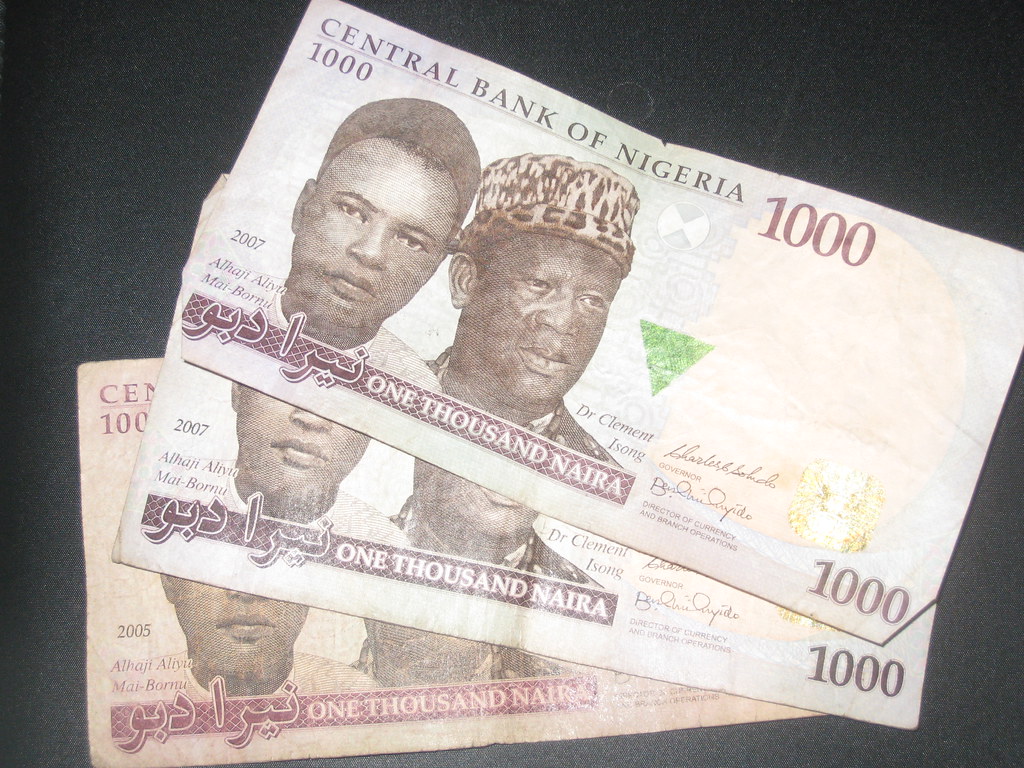

Quick Summary: Daily FX Turnover Surges to $1 Billion in Nigeria’s Market
- Naira appreciated marginally by 0.22% in the NFEM market in June — improved FX liquidity and market turnover were key drivers.
- Daily FX turnover frequently reached $500 million to $1 billion — indicating deeper market conditions than previous naira instability periods.
- Foreign portfolio investors contributed 35.81% of FX inflows — highlighting the broad-based nature of dollar inflows.
- The naira closed at N1,379.07/$ in the official market on July 13 — the parallel-market rate was N1,410/$, showing a gap of about N31.
- CBN’s liquidity management strategy remains under scrutiny — analysts expect continued intervention into the third quarter.
Source: Open external resource
Source: Read original article
The naira’s slight gain in July has sparked a fresh wave of analysis, driven by a surge in dollar liquidity rather than a dramatic intervention by the Central Bank of Nigeria (CBN). This development is noteworthy as it reflects a more robust official-market dollar supply, with daily FX turnover often pushing toward $1 billion.
Despite the naira’s resilience, the widening gap between the official and parallel markets remains a point of contention. On July 13, the naira closed at N1,379.07/$ in the official market, while the parallel rate held at N1,410/$, leaving a significant spread. This divergence suggests that while liquidity has improved, underlying demand pressures persist.
Foreign portfolio investors and exporters have played a crucial role in bolstering the naira, contributing substantial inflows alongside CBN’s targeted support. However, the debate continues on whether this marks genuine stabilization or a temporary pause in a fragile market.
Looking ahead, the focus will be on whether the CBN can maintain its liquidity-management strategy and keep daily turnover within the $500 million to $1 billion range. If these inflows persist, the naira could remain stable; if not, the widening street-market premium may indicate a more fragile gain than anticipated.
Nairametrics reported that during June the currency touched a high of N1,356/$ on June 15, then weakened to N1,389/$ on June 24 before recovering to close the month at N1,376/$, a N33 swing in just nine days. Separate reporting on July 4 said offshore inflows were reinforced by a $170 million CBN liquidity injection, while gross external reserves kept climbing.
The standout number in the latest coverage is liquidity itself: more than $31 billion was traded in the official market between March and June 2026, with daily trading frequently running between $500 million and $1 billion, suggesting the market has become materially deeper than during prior bouts of naira instability. Analysts quoted in the latest reports expect the CBN to maintain its liquidity-management and intervention strategy into the third quarter, while the market watches reserve levels above $51 billion, the official-parallel gap, and whether daily turnover can stay consistently in the $500 million to $1 billion range.
32 day-on-day, while the parallel-market rate held at N1,410/$, leaving a gap of about N31, compared with roughly N13 a week earlier. 40 trillion, with about 73% linked to OMO maturities, meaning naira and FX conditions could remain highly sensitive to how aggressively the CBN sterilizes that liquidity.
” But Coronation Merchant Bank Research warned that the widening premium between the official and parallel markets shows “underlying demand pressures persist,” a reminder that improved liquidity has not fully resolved the structural shortage of dollars in the broader economy. Mallam Muftau Yusuf of Kwik Securities said, “The exchange rate has become more predictable than it was a year ago.
In other words, the naira’s slight gain was not just an official intervention story; it reflected a mix of foreign investor demand, exporter proceeds, and targeted support from the CBN. That gap between the official and street markets is the most important friction point in the story.
07/$ in the official market on July 13 — the parallel-market rate was N1,410/$, showing a gap of about N31. 07/$ in the official market, while the parallel rate held at N1,410/$, leaving a significant spread.
22% in the NFEM market in June — improved FX liquidity and market turnover were key drivers. Daily FX turnover frequently reached $500 million to $1 billion — indicating deeper market conditions than previous naira instability periods.
81% of FX inflows — highlighting the broad-based nature of dollar inflows. Looking ahead, the focus will be on whether the CBN can maintain its liquidity-management strategy and keep daily turnover within the $500 million to $1 billion range.
Mallam Muftau Yusuf of Kwik Securities said, “The exchange rate has become more predictable than it was a year ago. Despite the naira’s resilience, the widening gap between the official and parallel markets remains a point of contention.
The scale and speed of this development has caught many observers off guard. Each new update adds another dimension to a story that is still unfolding, and the full picture will only become clear as more verified details emerge from the people and institutions directly involved.
Analysts who have tracked this issue closely say the current moment represents a genuine turning point. The decisions made in the coming weeks are expected to set the direction for months ahead, with ripple effects likely to extend well beyond the immediate actors in the story.
For those directly affected, the practical impact is already visible. People navigating this fast-changing situation are dealing with real consequences while new information continues to reshape what is known and what remains open to interpretation.
Historical parallels offer some context, though experts caution against drawing too close a comparison. Similar situations have played out before, but the specific combination of pressures, personalities, and timing here makes this moment distinct in ways that matter for how it ultimately resolves.
The political and economic dimensions of this story are deeply intertwined. What appears as a single event on the surface is in practice the convergence of multiple pressures that have been building quietly over a longer period than most public reporting has captured.