

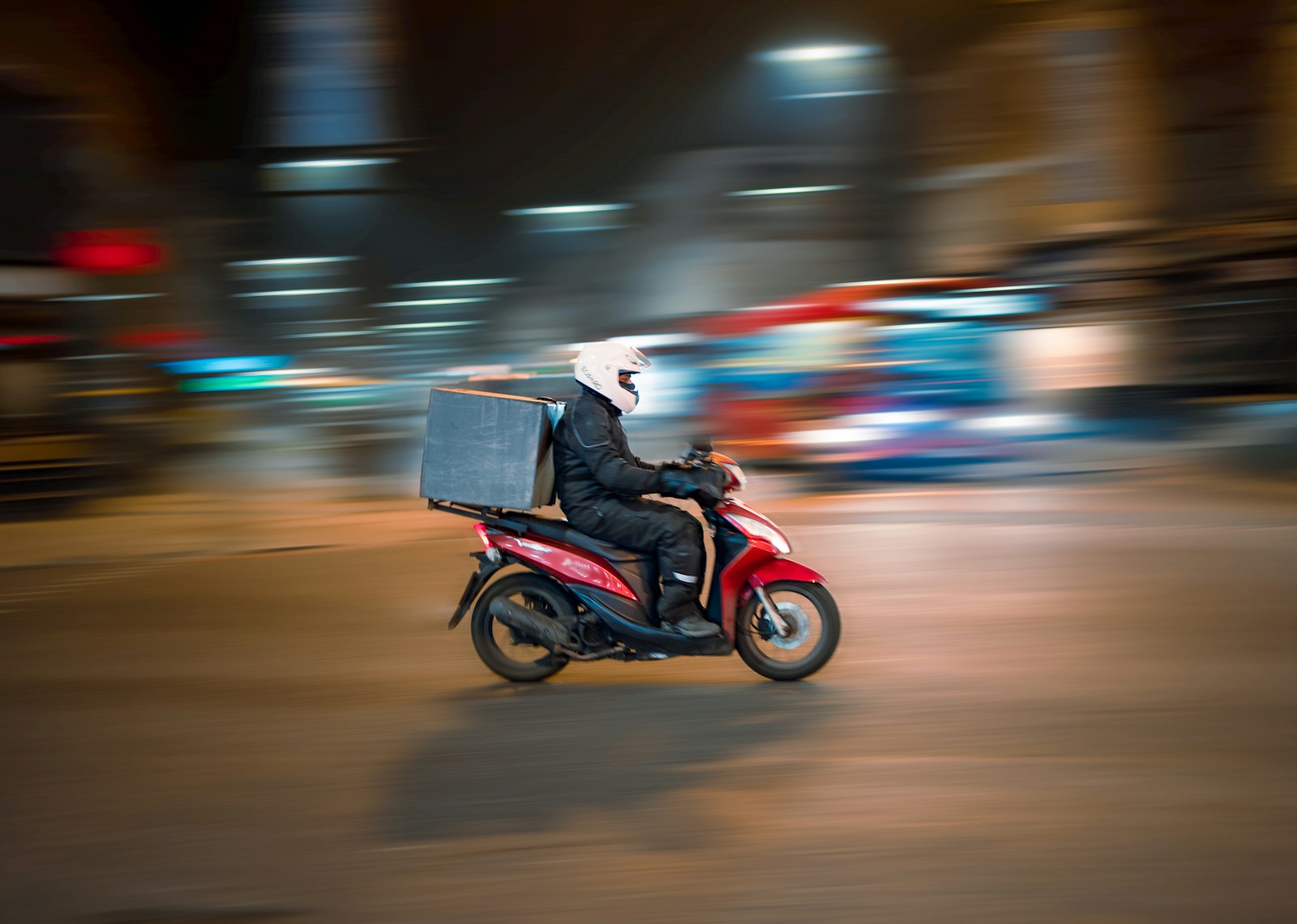

Quick Summary: Bangladesh Motorcycle Sales Surge By 8% as Local Production Dominates
- Bangladesh’s motorcycle market sales rose over 8% to 424,304 units in the latest fiscal year, breaking a five-year decline.
- Local factories now supply 99% of motorcycles sold nationwide, indicating a shift from imports to domestic production.
- Bangladesh Honda Private Limited exported 32 motorcycles to Mexico, marking a new phase in export ambitions.
- Fuel prices remained unchanged from July, stabilizing consumer demand amid previous fuel cost hikes.
- Road safety concerns persist, with motorcycle crashes accounting for over 36% of road fatalities in 2025.
Source: Open external resource
Source: Read original article
Bangladesh’s motorcycle market is roaring back to life after a five-year slump, with sales climbing over 8% in the last fiscal year. This resurgence, highlighted by The Business Standard, is not just about numbers; it’s about a strategic shift from relying on imports to bolstering local production. The fact that nearly 99% of motorcycles sold are now domestically assembled is a testament to this transformation.
At the forefront of this revival are brands like Honda and Yamaha, which have spearheaded the push for affordable, fuel-efficient bikes. But the real game-changer is Bangladesh Honda Private Limited’s recent export of 32 motorcycles to Mexico. This move signifies more than a mere sales rebound; it hints at Bangladesh’s potential to become a significant player in the global motorcycle market.
Yet, this recovery comes with its challenges. The country’s light engineering sector still struggles with parts localization, producing only a handful of the 700 components needed for motorcycles. Additionally, road safety remains a pressing issue, with motorcycle accidents contributing to over a third of road fatalities in 2025.
Fuel stability is another critical factor. With the government holding fuel prices steady from July, one potential obstacle to consumer recovery has been removed. This decision is crucial as it alleviates some of the pressure on motorcycle demand that was exacerbated by previous fuel price hikes.
As Bangladesh’s motorcycle industry navigates these complexities, the focus remains on whether it can overcome parts bottlenecks and safety concerns to sustain its growth and expand its export capabilities. The world is watching to see if this market can not only recover but also thrive on a global scale.
Road Safety Foundation data cited in recent coverage said 2,671 people were killed in motorcycle crashes in 2025, accounting for more than 36% of all road fatalities, with 3,029 motorcycle accidents recorded and 2,027 people injured. The government had raised octane, petrol and kerosene by Tk5 per litre in June, so the decision to hold rates steady in July removes at least one immediate risk to the consumer recovery.
The sharpest number in the new reporting is the reversal itself: annual sales had fallen from more than 625,000 units in 2020 to 392,610 units before recovering to 424,304 this past fiscal year. The Business Standard says local factories now supply nearly 99% of motorcycles sold nationwide, a sign that the market is no longer driven mainly by imports but by domestic assembly and manufacturing.
3% from 2024, while industry estimates put total sales at roughly 450,000 units, more than 20% higher year on year. Bangladesh’s motorcycle market has finally broken a five-year slide, with fresh reporting from The Business Standard showing sales rose more than 8% in the latest fiscal year to 424,304 units, but the bigger revelation is that the rebound is already colliding with a new fight over whether Bangladesh can turn an oversupplied domestic market into a serious export base.
On 30 June, Bangladesh’s Energy and Mineral Resources Division said retail fuel prices would remain unchanged from 1 July, leaving diesel at Tk115 per litre, octane at Tk145, petrol at Tk140 and kerosene at Tk135. The recovery, according to the report, was led by “affordable, fuel-efficient motorcycles,” with Honda and Yamaha singled out as leaders in the turnaround.
What happens next is less about a vote or court hearing than a market test over the next several months. In May, Bangladesh Honda Private Limited shipped its first consignment to Mexico, one of the world’s biggest motorcycle markets, sending 32 Honda XBlade motorcycles built at its factory in Abdul Monem Economic Zone in Munshiganj.
Local factories now supply 99% of motorcycles sold nationwide, indicating a shift from imports to domestic production. Road safety concerns persist, with motorcycle crashes accounting for over 36% of road fatalities in 2025.
Bangladesh’s motorcycle market is roaring back to life after a five-year slump, with sales climbing over 8% in the last fiscal year. The fact that nearly 99% of motorcycles sold are now domestically assembled is a testament to this transformation.
Additionally, road safety remains a pressing issue, with motorcycle accidents contributing to over a third of road fatalities in 2025. 3% from 2024, while industry estimates put total sales at roughly 450,000 units, more than 20% higher year on year.
The scale and speed of this development has caught many observers off guard. Each new update adds another dimension to a story that is still unfolding, and the full picture will only become clear as more verified details emerge from the people and institutions directly involved.
Analysts who have tracked this issue closely say the current moment represents a genuine turning point. The decisions made in the coming weeks are expected to set the direction for months ahead, with ripple effects likely to extend well beyond the immediate actors in the story.
For those directly affected, the practical impact is already visible. People navigating this fast-changing situation are dealing with real consequences while new information continues to reshape what is known and what remains open to interpretation.
Historical parallels offer some context, though experts caution against drawing too close a comparison. Similar situations have played out before, but the specific combination of pressures, personalities, and timing here makes this moment distinct in ways that matter for how it ultimately resolves.
The political and economic dimensions of this story are deeply intertwined. What appears as a single event on the surface is in practice the convergence of multiple pressures that have been building quietly over a longer period than most public reporting has captured.