

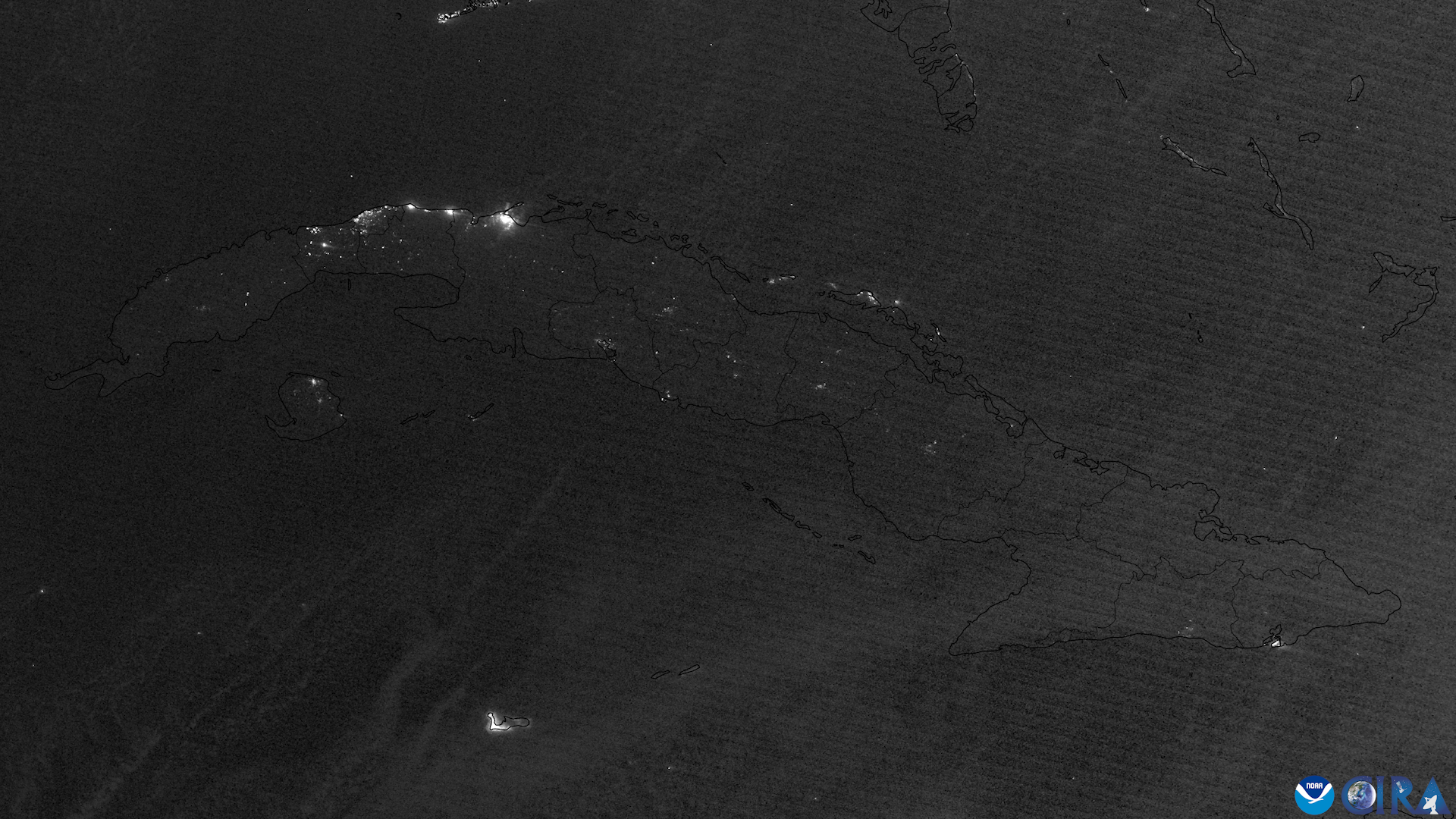

Quick Summary: Cuban Protests Erupt Amid Third Nationwide Blackout in 2026
- 6 million people are enduring rolling outages due to insufficient fuel, impacting system stability.
- Since late 2024, Cuba has experienced eight major blackouts, highlighting ongoing energy issues.
- The July 6-8 blackout was Cuba’s third nationwide outage in 2026, sparking protests in Havana.
- President Díaz-Canel attributes the crisis to an intensified energy emergency exacerbated by external pressures.
- A U.S. fuel blockade has severely limited oil deliveries to Cuban power plants, worsening the crisis.
Source: Open external resource
Source: Read original article
In Cuba, the latest nationwide blackout has illuminated more than just darkened homes; it has ignited a political firestorm. As millions in Havana took to the streets, banging pots and demanding the return of power, it became clear that this was more than an infrastructure failure—it was a cry against a deepening crisis.
The blackout from July 6 to 8 marked Cuba’s third nationwide power outage in 2026, and the eighth since late 2024. These outages have left 6 million people grappling with inconsistent electricity, a situation exacerbated by the island’s lack of fuel to stabilize the grid. Despite investments in solar energy, Cuba remains heavily reliant on outdated thermoelectric plants and imported fuel.
The root of this crisis, according to Cuban officials, is an energy blockade imposed by the U.S., which has drastically cut oil supplies to the island. This blockade is part of a broader strategy by the U.S. to pressure Cuba into political concessions, a tactic that has led to a mass exodus of foreign businesses and a tourism decline.
President Miguel Díaz-Canel stands by the narrative that external forces have intensified the energy emergency. Meanwhile, the Cuban government races against time to secure fuel deliveries, hoping to prevent another collapse that could further inflame public unrest and disrupt essential services.
As Cuba navigates this turbulent period, the question remains whether it can break free from this cycle of provisional restorations and looming outages, or if the next blackout will strike before the last is fully resolved.
6 million people already enduring rolling outages, and the government acknowledged that restoration was uneven because the country simply did not have enough fuel to keep the system stable. Ahram and other follow-up reports said the island had suffered eight blackouts since late 2024.
The freshest reporting centers on the July 6-8 blackout and its immediate aftermath, when Cuba suffered what Reuters described as its third nationwide outage of 2026 and the eighth major blackout since late 2024. Monday’s outage on July 6 was reported as the third nationwide blackout of the year, and by July 14 AP was already describing yet another collapse as the third nationwide blackout in just two weeks.
President Miguel Díaz-Canel has backed the government’s line that the country is facing an externally intensified energy emergency. Reuters reported that scattered protests broke out across Havana on July 7, with residents banging pots, honking horns and shouting “turn on the lights,” a sign that the power crisis had moved beyond technical breakdown into open public anger.
policy backers frame as coercive pressure on the Cuban government and Cuban officials denounce as collective punishment. Cuba’s state utility, the Electric Union, announced the collapse of the National Electric System, or SEN.
Cuba’s most striking new development is that the island’s latest nationwide grid collapse quickly turned from an infrastructure failure into a political flashpoint, with protests erupting in Havana as millions remained without power even after officials said much of the grid had been reconnected. Solar power, despite heavy state investment, still accounts for only about 10 percent of Cuba’s energy mix, leaving the country overwhelmingly dependent on aging thermoelectric plants and imported fuel.
Since late 2024, Cuba has experienced eight major blackouts, highlighting ongoing energy issues. The July 6-8 blackout was Cuba’s third nationwide outage in 2026, sparking protests in Havana.
The blackout from July 6 to 8 marked Cuba’s third nationwide power outage in 2026, and the eighth since late 2024. The freshest reporting centers on the July 6-8 blackout and its immediate aftermath, when Cuba suffered what Reuters described as its third nationwide outage of 2026 and the eighth major blackout since late 2024.
President Miguel Díaz-Canel has backed the government’s line that the country is facing an externally intensified energy emergency. Meanwhile, the Cuban government races against time to secure fuel deliveries, hoping to prevent another collapse that could further inflame public unrest and disrupt essential services.
The scale and speed of this development has caught many observers off guard. Each new update adds another dimension to a story that is still unfolding, and the full picture will only become clear as more verified details emerge from the people and institutions directly involved.
Analysts who have tracked this issue closely say the current moment represents a genuine turning point. The decisions made in the coming weeks are expected to set the direction for months ahead, with ripple effects likely to extend well beyond the immediate actors in the story.
For those directly affected, the practical impact is already visible. People navigating this fast-changing situation are dealing with real consequences while new information continues to reshape what is known and what remains open to interpretation.
Historical parallels offer some context, though experts caution against drawing too close a comparison. Similar situations have played out before, but the specific combination of pressures, personalities, and timing here makes this moment distinct in ways that matter for how it ultimately resolves.
The political and economic dimensions of this story are deeply intertwined. What appears as a single event on the surface is in practice the convergence of multiple pressures that have been building quietly over a longer period than most public reporting has captured.