


Quick Summary: Trumps Intervention in Israeli Politics Raises Stakes for Netanyahu
- Trump’s endorsement of Netanyahu ties Israel’s election to U.S. strategy on Iran — a historic intervention by a U.S. president.
- Netanyahu’s coalition struggles to reach the 61-seat majority needed for government formation — the election is a critical juncture.
- Trump’s move is seen as a response to radical Islamism — analysts suggest a broader ideological battle is at play.
- Speculation arises about a post-election diplomatic shift — Trump may aim for a broader Israeli government to facilitate Saudi normalization.
- Defense Secretary Pete Hegseth’s visit to Israel fuels speculation of military action against Iran — security concerns intertwine with political strategy.
Source: Open external resource
Source: Read original article
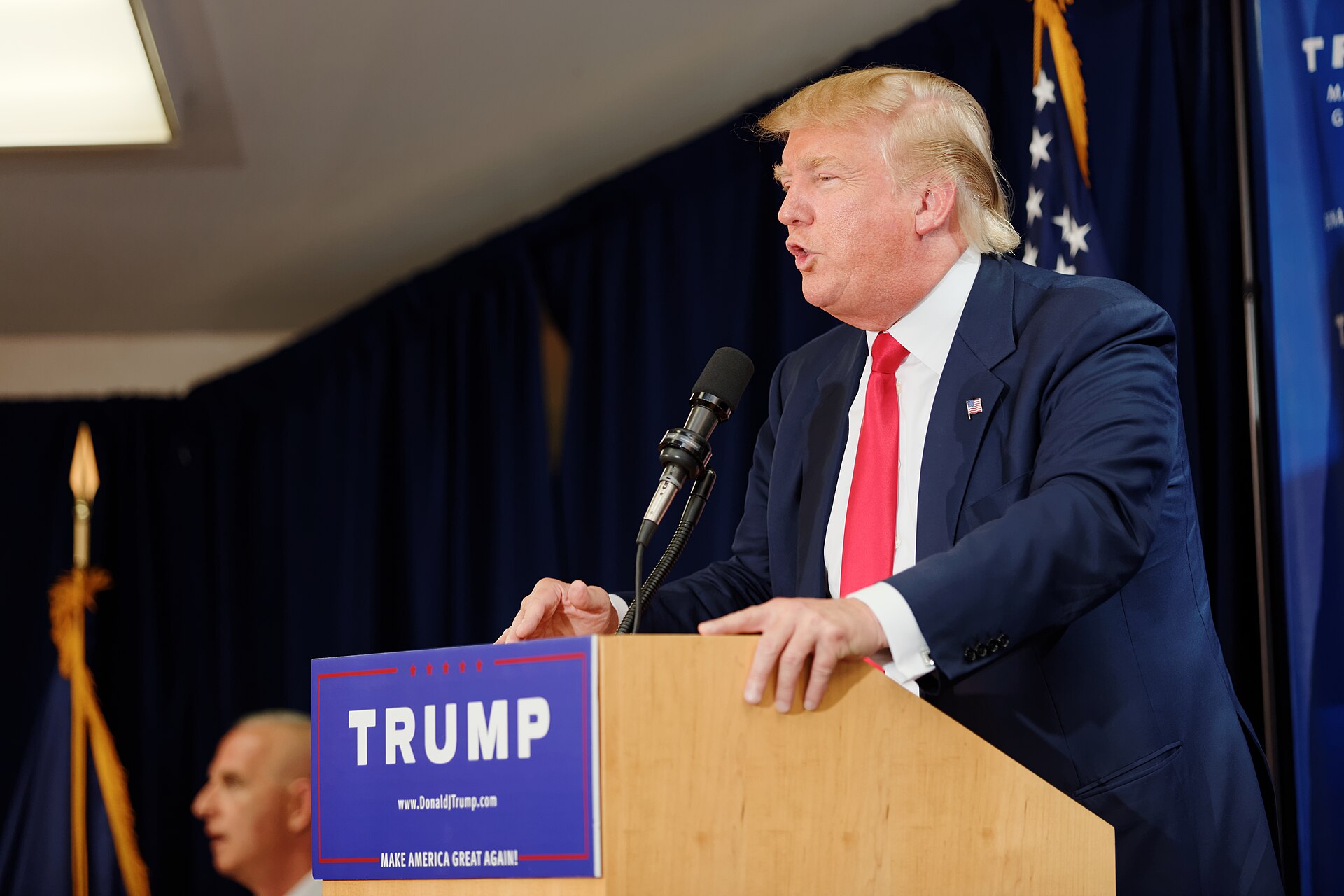
In a move that sent ripples through both political and diplomatic circles, Donald Trump has openly endorsed Benjamin Netanyahu just days before Israel’s pivotal election. This unprecedented act by a sitting U.S. president has transformed a tense political landscape into a high-stakes international chess game.
Trump’s endorsement wasn’t just a nod to Netanyahu’s leadership; it was a strategic alignment of Israel’s election with U.S. interests in the region, particularly concerning Iran. By declaring Netanyahu as the only suitable leader, Trump has inserted himself into Israeli politics in a way never seen before, raising the stakes for Netanyahu’s coalition, which is struggling to secure the 61-seat majority needed to govern.
Behind Trump’s endorsement lies a broader ideological battle against radical Islamism, with potential implications for Israel, Europe, and the U.S. The election is framed as a fight for Israel’s identity as a Jewish and liberal state, with Trump viewing Islamist influence as a shared Western threat. This move could also be part of a larger strategy to reshape the diplomatic landscape, possibly paving the way for renewed Saudi-Israeli relations.
Adding to the complexity, Defense Secretary Pete Hegseth’s unannounced visit to Israel has sparked speculation about potential military action against Iran, intertwining security concerns with political maneuvers. As the election approaches, the question remains whether Trump’s intervention will bolster Netanyahu or expose his vulnerabilities.
As Israelis prepare to cast their votes, the outcome of this election will not only determine Netanyahu’s political fate but could also have far-reaching implications for regional stability and U.S.-Israel relations. The world watches as this political drama unfolds, with the potential to reshape alliances and redefine strategies in the Middle East.
Ynet reported that Defense Secretary Pete Hegseth made an unannounced visit to Israel just eight days before the election, fueling speculation about possible renewed military action against Iran. 25% of the vote can enter coalition arithmetic.
officials renewed fighting before October 27 could force Israel to postpone the election, a remarkable indication of how tightly military and political clocks are now intertwined. The immediate threshold to watch is 61 seats, because that is the number required to form a government.
On Sunday, October 18, Trump issued the endorsement. Ynet also reported that IDF Chief of Staff Lt.
president has explicitly and publicly endorsed a candidate in an Israeli election, and it came with Netanyahu’s coalition still widely seen as struggling to reach the 61 seats needed for a governing majority in the 120-member Knesset. midterm elections create a second deadline that Ynet says is shaping Trump administration calculations on Iran.
-Israel political standoff into an explicit intervention by a sitting American president in a live Israeli campaign. as a shared Western threat rather than a local coalition issue.
Netanyahu’s coalition struggles to reach the 61-seat majority needed for government formation — the election is a critical juncture. Defense Secretary Pete Hegseth’s visit to Israel fuels speculation of military action against Iran — security concerns intertwine with political strategy.
Adding to the complexity, Defense Secretary Pete Hegseth’s unannounced visit to Israel has sparked speculation about potential military action against Iran, intertwining security concerns with political maneuvers. 25% of the vote can enter coalition arithmetic.
The immediate threshold to watch is 61 seats, because that is the number required to form a government. On Sunday, October 18, Trump issued the endorsement.
Speculation arises about a post-election diplomatic shift — Trump may aim for a broader Israeli government to facilitate Saudi normalization. The election is framed as a fight for Israel’s identity as a Jewish and liberal state, with Trump viewing Islamist influence as a shared Western threat.
president has transformed a tense political landscape into a high-stakes international chess game. By declaring Netanyahu as the only suitable leader, Trump has inserted himself into Israeli politics in a way never seen before, raising the stakes for Netanyahu’s coalition, which is struggling to secure the 61-seat majority needed to govern.
The scale and speed of this development has caught many observers off guard. Each new update adds another dimension to a story that is still unfolding, and the full picture will only become clear as more verified details emerge from the people and institutions directly involved.
Analysts who have tracked this issue closely say the current moment represents a genuine turning point. The decisions made in the coming weeks are expected to set the direction for months ahead, with ripple effects likely to extend well beyond the immediate actors in the story.
For those directly affected, the practical impact is already visible. People navigating this fast-changing situation are dealing with real consequences while new information continues to reshape what is known and what remains open to interpretation.
Historical parallels offer some context, though experts caution against drawing too close a comparison. Similar situations have played out before, but the specific combination of pressures, personalities, and timing here makes this moment distinct in ways that matter for how it ultimately resolves.
The political and economic dimensions of this story are deeply intertwined. What appears as a single event on the surface is in practice the convergence of multiple pressures that have been building quietly over a longer period than most public reporting has captured.