


Quick Summary: Bellinghams Brace Secures Englands Victory Over Norway in Thrilling Quarterfinal
- Jude Bellingham scored twice, including the winner in extra time, to lead England past Norway 2-1 into the World Cup semifinals.
- England overcame a suspension controversy involving defender Jarell Quansah, who missed the match due to a red card ban.
- Norway, led by Erling Haaland, had been in strong form, beating Brazil in the previous round before falling to England.
- Harry Kane, with six goals in the tournament, remains a key player for England as they advance to face either Argentina or Switzerland.
- England’s victory marks their continued success, reaching the semifinals in four consecutive major tournaments.
Source: Open external resource
Source: Read original article
In a match that reignited an old rivalry, England edged past Norway 2-1 in a thrilling World Cup quarterfinal, thanks to Jude Bellingham’s heroics. His two goals, including a decisive strike in extra time, propelled England into the semifinals, a feat not achieved since 1966.
The buildup to the match was fraught with tension, amplified by the suspension of England’s Jarell Quansah following a red card against Mexico. Despite this setback, England showcased resilience, turning a potential crisis into a narrative of triumph.
Norway, powered by the prolific Erling Haaland, entered the game with momentum, having recently defeated Brazil. However, their hopes were dashed as England’s tactical acumen and Bellingham’s brilliance shone through.
As England prepares for their semifinal clash, they carry the weight of expectation, with Harry Kane’s goal-scoring prowess and Thomas Tuchel’s strategic leadership at the forefront. The team’s journey underscores a significant shift from pregame narratives of pressure to a focus on potential glory.
Afterward, captain Harry Kane struck an ambitious tone rather than a celebratory one, saying, “There’s another level to reach,” according to England’s official reaction published on July 12. Reporting earlier this week said Quansah’s red card against Mexico led to a two-game ban confirmed on Thursday, meaning he missed Norway and would also miss a semifinal if England advanced.
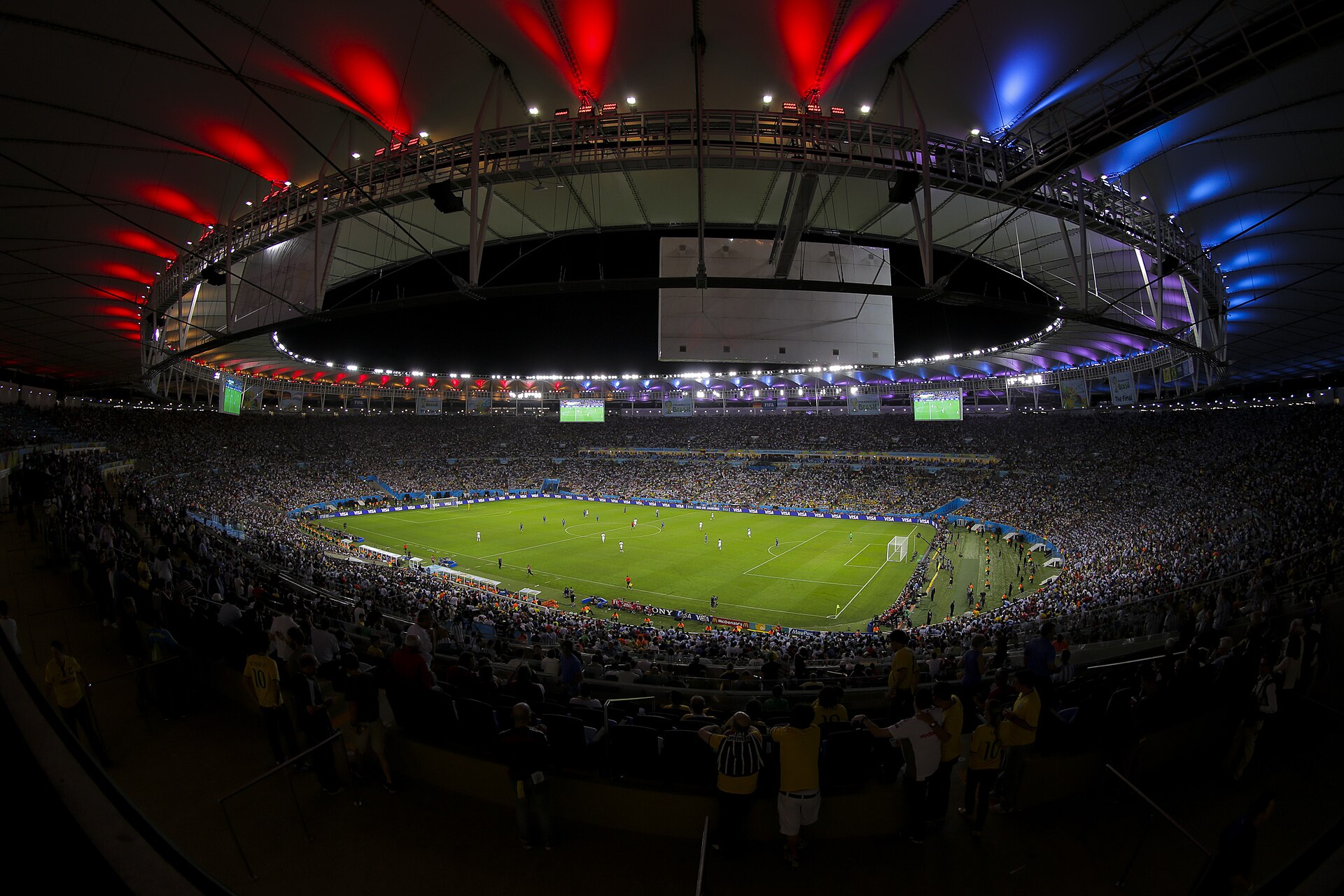
England’s old needle with Norway turned into England’s biggest World Cup escape yet on Saturday night, when Jude Bellingham scored twice — including the winner in the third minute of extra time — to drag Thomas Tuchel’s side past Erling Haaland’s Norway 2-1 and into the 2026 World Cup semifinals. The most important development in the latest reporting is that England did not just survive the quarterfinal in Miami; they came from behind against a Norway team that had been one of the shocks of the tournament and are now one win from their first World Cup final since 1966.
On July 6 and 7, pre-match coverage focused on the rarity of a major-tournament England-Norway meeting and the threat posed by Haaland and Antonio Nusa. Associated Press reported that Bellingham equalized in the first half and then struck again at 93 minutes, while England’s own match reaction described the result as a 2-1 extra-time win that sent the Three Lions into the last four.
Before kickoff, England’s official match preview noted that Harry Kane had already scored six goals at this World Cup, only the third time an England player had hit six in a major tournament, while Haaland had scored in 14 straight competitive appearances for Norway, with 27 goals across that run. FourFourTwo said Tuchel questioned the integrity of the disciplinary process and joked about political intervention, a sign of how aggrieved England felt.
England Football’s postmatch coverage said Bellingham’s brace carried England through, while AP described the second goal as the go-ahead strike in extra time. Norway had also just beaten Brazil in the round of 16, making this far more than a nostalgic rivalry story; it was a real test against a side suddenly playing like a contender.
Afterward, captain Harry Kane struck an ambitious tone rather than a celebratory one, saying, “There’s another level to reach,” according to England’s official reaction published on July 12. Quick Summary: England and Norway Resurrect a Rivalry for the World Cup – The New York Times Jude Bellingham scored twice, including the winner in extra time, to lead England past Norway 2-1 into the World Cup semifinals.
England overcame a suspension controversy involving defender Jarell Quansah, who missed the match due to a red card ban. His two goals, including a decisive strike in extra time, propelled England into the semifinals, a feat not achieved since 1966.
Reporting earlier this week said Quansah’s red card against Mexico led to a two-game ban confirmed on Thursday, meaning he missed Norway and would also miss a semifinal if England advanced. England’s old needle with Norway turned into England’s biggest World Cup escape yet on Saturday night, when Jude Bellingham scored twice — including the winner in the third minute of extra time — to drag Thomas Tuchel’s side past Erling Haaland’s Norway 2-1 and into the 2026 World Cup semifinals.
On July 6 and 7, pre-match coverage focused on the rarity of a major-tournament England-Norway meeting and the threat posed by Haaland and Antonio Nusa. Before kickoff, England’s official match preview noted that Harry Kane had already scored six goals at this World Cup, only the third time an England player had hit six in a major tournament, while Haaland had scored in 14 straight competitive appearances for Norway, with 27 goals across that run.
England Football’s postmatch coverage said Bellingham’s brace carried England through, while AP described the second goal as the go-ahead strike in extra time. In a match that reignited an old rivalry, England edged past Norway 2-1 in a thrilling World Cup quarterfinal, thanks to Jude Bellingham’s heroics.
The scale and speed of this development has caught many observers off guard. Each new update adds another dimension to a story that is still unfolding, and the full picture will only become clear as more verified details emerge from the people and institutions directly involved.
Analysts who have tracked this issue closely say the current moment represents a genuine turning point. The decisions made in the coming weeks are expected to set the direction for months ahead, with ripple effects likely to extend well beyond the immediate actors in the story.
For those directly affected, the practical impact is already visible. People navigating this fast-changing situation are dealing with real consequences while new information continues to reshape what is known and what remains open to interpretation.
Historical parallels offer some context, though experts caution against drawing too close a comparison. Similar situations have played out before, but the specific combination of pressures, personalities, and timing here makes this moment distinct in ways that matter for how it ultimately resolves.
The political and economic dimensions of this story are deeply intertwined. What appears as a single event on the surface is in practice the convergence of multiple pressures that have been building quietly over a longer period than most public reporting has captured.